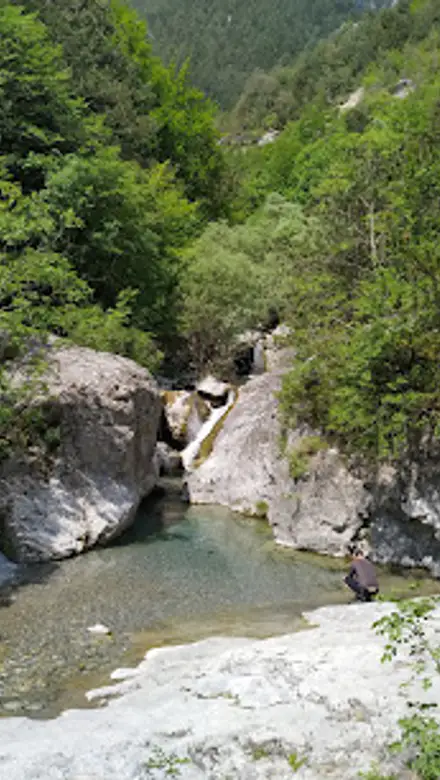
Mount Olympus National Park Travel Guide
Free Guide: Hike through mythic landscapes, explore diverse trails, and discover the natural wonders of Mount Olympus National Park, the legendary home of the Greek gods.


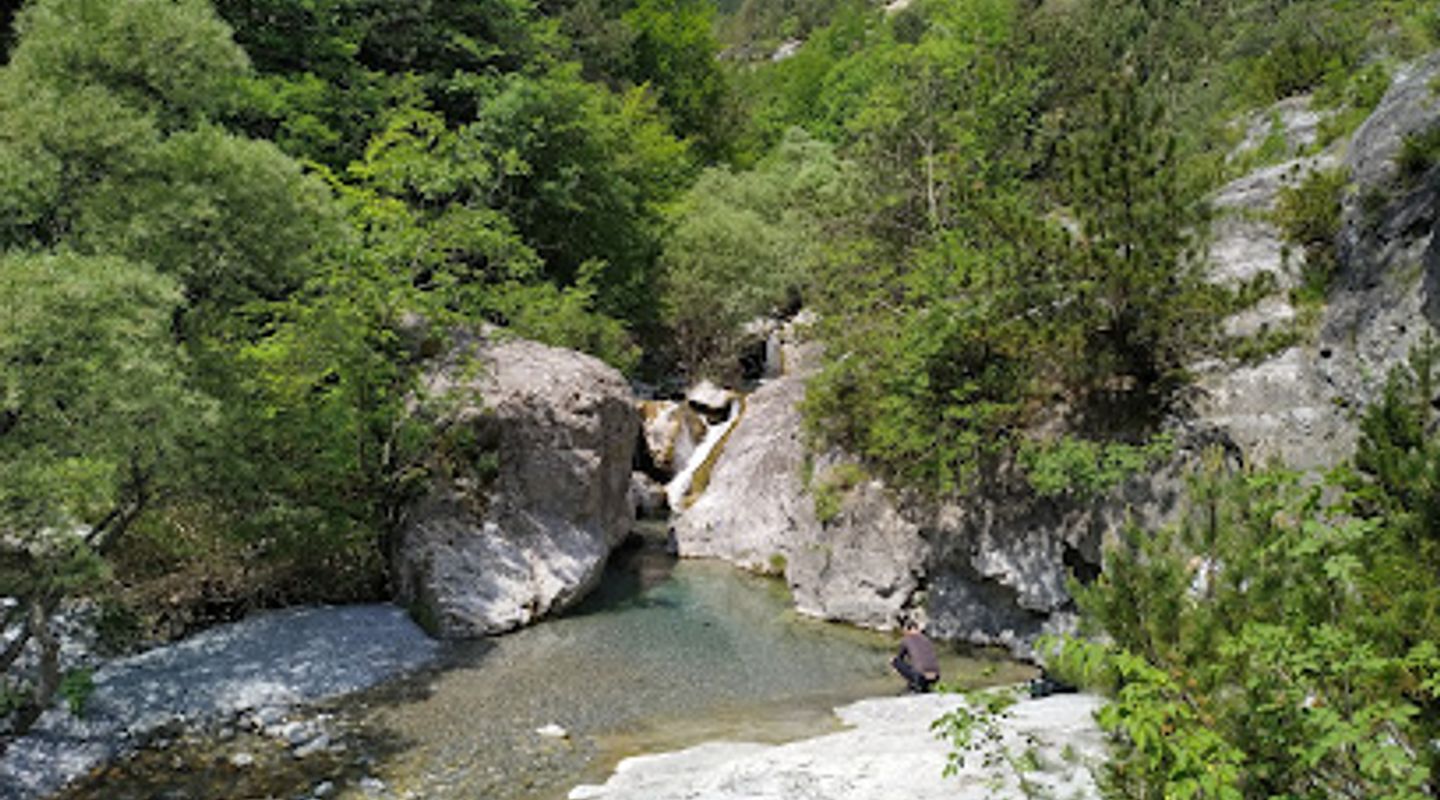
A brief summary of Mount Olympus National Park
Hike through mythic landscapes, explore diverse trails, and discover the natural wonders of Mount Olympus National Park, the legendary home of the Greek gods.
Mount Olympus National Park, Greece's first national park, is a realm of myth and natural beauty. It's known as the home of the Greek gods and boasts diverse flora and challenging hiking trails, attracting adventurers and nature enthusiasts alike.
Opening hours
- Every dayOpen 24 hours
Opening hours as listed on the venue’s Google Business Profile. Hours can change for services and special events, so check with the venue before you go.
- Address
- Mount Olympus National Park
- Phone
- Website
Getting there
Bus
Train
Car
Discover more about Mount Olympus National Park
Overview
Mount Olympus National Park, established in 1938, is more than just Greece's highest peak; it's a landscape steeped in mythology and biodiversity. Rising to 2,917 meters (9,573 feet) at its highest point, Mytikas, it has 52 peaks and deep gorges. For the ancient Greeks, Mount Olympus was the dwelling of the gods, a place of power and mystery. Today, it's a UNESCO Biosphere Reserve, protecting a unique ecosystem.The park's dramatic landscape is shaped by limestone, creating steep slopes and deep valleys like the Enipeas Valley. This geology also influences the climate and vegetation, supporting over 1,700 plant species, a quarter of Greece's flora, including many rare and endemic species. The park is also home to diverse fauna, with over 30 mammal species, 100 bird species, and 18 reptile species.Mount Olympus offers a range of activities, from challenging ascents to gentler hikes through forests and along the Enipeas Gorge. Popular trails include the classic route from Litochoro to Prionia and the path to the Spilios Agapitos Refuge. For experienced mountaineers, the climb to Mytikas is a rewarding challenge, requiring sure-footedness and careful planning. The Olympus National Park Information Center near Litochoro provides valuable information about the park's trails, landscape, and history.Whether you're drawn by the mountain's mythical past, its stunning natural beauty, or the thrill of the climb, Mount Olympus National Park offers an unforgettable experience.
Evendo Review Centre
 Google
Guest reviews
Explore Mount Olympus National Park on the map
A handpicked selection of must-see spots near Mount Olympus National Park, mapped for you.
Get your free copy of our complete guide to Mount Olympus National Park, delivered straight to you.
Everything on this page, from opening hours and how to get there to Eve’s tips and the best time to go, in one PDF you can read offline, print or share.
Already have an account? Sign in
Your Mount Olympus National Park guide is ready.
We'll send it to · Not you? Sign out

Getting your guide ready…
We are putting together a fresh copy of the Mount Olympus National Park guide. This can take up to a minute.
This can take a few moments. If your browser asks, choose Allow so the download can start. You'll find the guide in your Downloads folder.
Nothing happened? Download it again
Sorry, the guide is taking longer than usual. Please try again in a minute, or get it by email instead.
Unlock the best of Mount Olympus National Park
Skip-the-line tickets, guided tours with entry, and walking tours of the area, booked in a few clicks.
 Tour with entry
Enipeas Gorge Waterfalls and Old Monastery Olympus Tour
from $74.32 Tour with entry
Private Guided Mt Olympus Highlights
from $254.81 Tour with entry
From Thessaloniki: Olympus and Dion History and Nature Day Trip
from $276.05 Tour with entry
Private Day Trip to Mount Olympus from Thessaloniki
from $477.78


Other nearby places you may find interesting
The closest places of the same kind, if this one is not quite what you had in mind.
-
Acropolis of ancient Pharsalus Discover the ancient Acropolis of Pharsalus in Thessaly, Greece: history, ruins, and panoramic views await!
-
Enipeas Falls Discover the enchanting Enipeas Falls, where myth and nature intertwine in the shadow of Mount Olympus. A perfect hike for adventure and serenity.
-
Byzantine Castle of Trikala Explore the Byzantine Castle of Trikala: A historic fortress offering panoramic views and a glimpse into the city's rich past.
-
Spring Of Manas Discover the serene beauty of Spring of Manas in Portaria, Greece: a natural oasis perfect for relaxation and exploration.
-
Holy Monastery of Rousanos - Saint Barbara Discover the Holy Monastery of Rousanos in Meteora: a stunning nunnery perched atop a rock pinnacle, showcasing remarkable frescoes and breathtaking views.
Swipe for more places
More to explore near Mount Olympus National Park
-
 Best experiences near Mount Olympus National Park
-
 Best hotels near Mount Olympus National Park
-
 Best landmarks near Mount Olympus National Park
-
 Best attractions near Mount Olympus National Park
-
 Best shops near Mount Olympus National Park
-
 Best restaurants near Mount Olympus National Park
-
 Best bars near Mount Olympus National Park







Do you manage this location?
Take control to get all the benefits, like improved information, better appearance, and stronger visibility across AI-powered discovery.
Explore more
Explore more of Thessaly
Discover Thessaly: A region where history, nature, and culture converge in the heart of Greece, offering an unforgettable experience for every traveler.
Explore Thessaly
Explore more of Greece
Discover Greece: A land where ancient history meets modern vibrancy, offering stunning islands, crystal-clear seas, and unforgettable cultural experiences.
Explore Greece