

Free Thessaly Travel Guide & Mobile App
Explore Thessaly with free travel guides. Discover regional history, expert tips, proposed trips, and audio guides on web or mobile app.


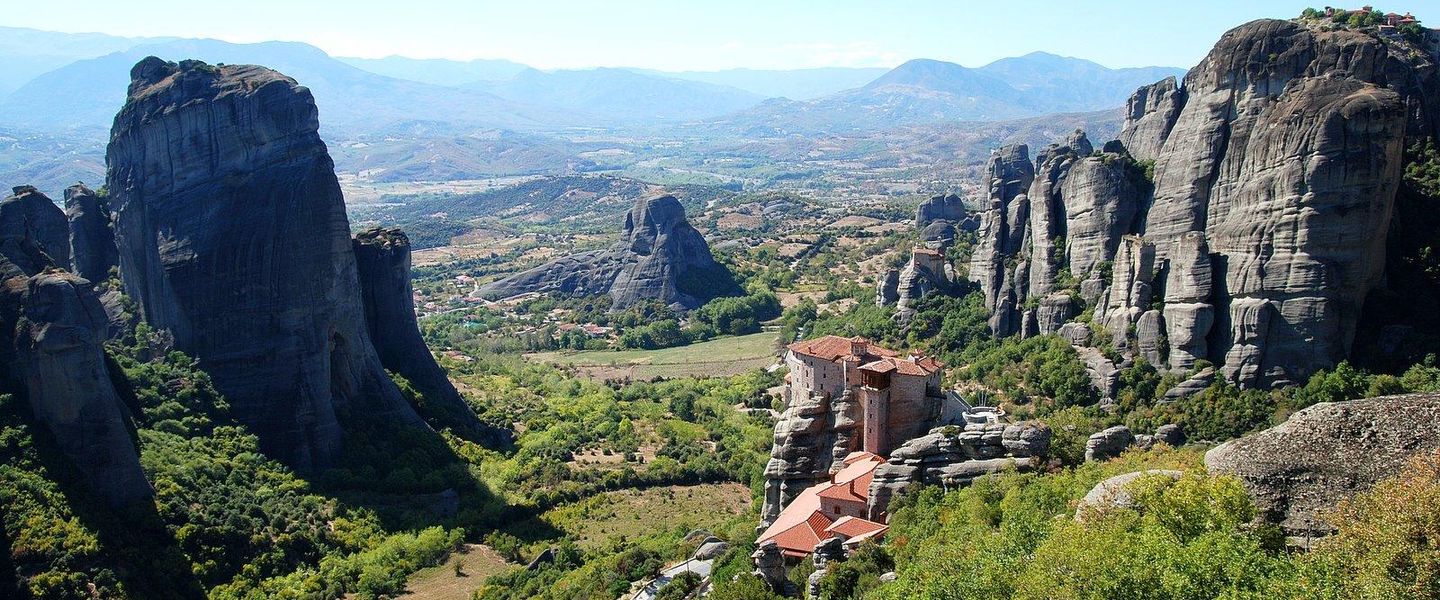


Explore Thessaly for Meteora monasteries, Pelion villages, fertile plains, Aegean beaches, ancient sites and distinctive central Greek food traditions.
Read more about Thessaly
When is the best time to visit Thessaly?
Best: May, September–October · 24–30°C| Month | High (°C) | Rainfall (mm) |
|---|---|---|
| January | 11 | 48 |
| February | 14 | 46 |
| March | 17 | 46 |
| April | 21 | 42 |
| May (best) | 26 | 39 |
| June | 31 | 29 |
| July | 35 | 26 |
| August | 34 | 30 |
| September (best) | 30 | 34 |
| October (best) | 24 | 44 |
| November | 16 | 46 |
| December | 11 | 51 |
Getting to and around Thessaly
How to get there
Transportation
Top city travel guides in Thessaly
The cities of Thessaly, and the easiest places to base yourself.
-
-

-

-

-

-


Swipe for more cities
Destinations in Thessaly
Resorts, valleys and scenic spots worth a trip of their own.
-

-

-

-

-


Swipe for more destinations
Best attractions in Thessaly
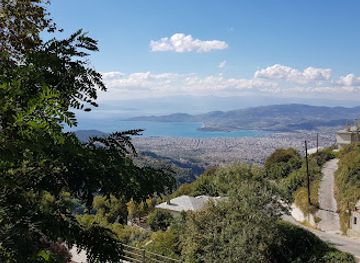
Thessaly offers an unusually broad range of attractions within one central Greek region. Meteora is its most internationally recognised sight, with Orthodox monasteries, footpaths and viewpoints set among sandstone pillars above Kalambaka and Kastraki. Around Volos, the prehistoric settlements of Sesklo and Dimini introduce the region's deep Neolithic past, while ancient Demetrias preserves the remains of a major Hellenistic city near the Pagasetic Gulf. Larissa combines urban life with archaeological displays and traces of its long settlement history. For outdoor travel, Pelion provides forested walking routes, stone villages and access to both mountain and coastal scenery; the western uplands and Lake Plastiras offer hiking, cycling and waterside recreation. The Aegean coast and the Northern Sporades add swimming, sailing and marine landscapes, with Alonnisos particularly associated with protected sea habitats. Rural Thessaly also rewards slower exploration of bridges, chapels, farm landscapes and village squares, while towns such as Trikala and Karditsa provide museums, riverside spaces and practical bases for the countryside.
-
Tourist attraction
Matsopoulos Park
Discover the serenity and cultural charm of Matsopoulos Park in Trikala – a perfect blend of nature and art awaits you.
-
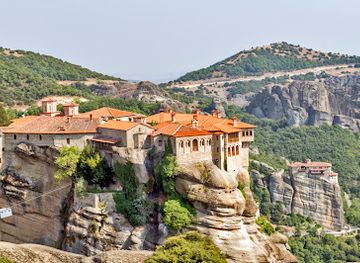
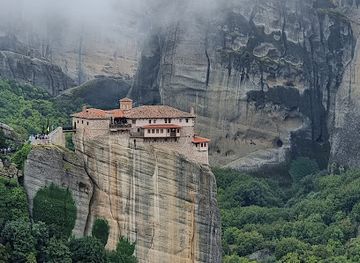
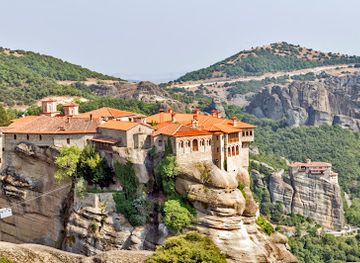
Monastery of Varlaam
Discover the breathtaking Monastery of Varlaam in Meteora, Greece: a historic marvel of faith, art, and stunning panoramic views.
-
Tourist attraction
Centaurs' path
Hike the mythical Centaurs' Path in Pelion, Greece: a scenic trail where legend meets nature, offering streams, bridges, and stunning views near Volos.
-
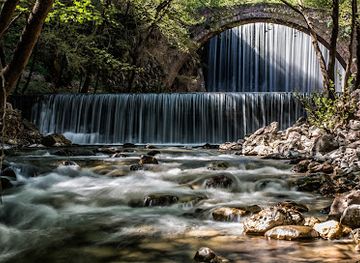
Stone bridge and waterfall of Palaiokarya
A 16th-century stone bridge in Thessaly with cascading waterfalls, offering a blend of history and natural beauty in a serene setting.
Best landmarks in Thessaly
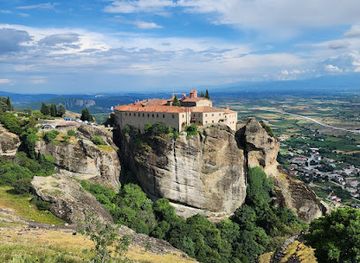
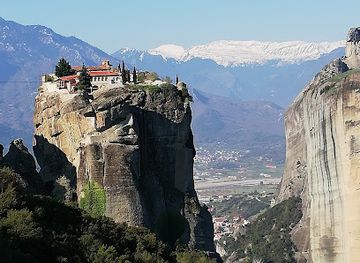
Meteora's sandstone pillars and monasteries form Thessaly's defining cultural and geological landmark, combining a remarkable natural setting with centuries of Orthodox monastic history. In Volos, the waterfront and Pagasetic Gulf provide a strong civic identity, while nearby ancient Demetrias marks the former Hellenistic power of the region. Pelion is recognised by its stone villages, arched bridges, cobbled kalderimia and wooded slopes; Makrinitsa and Portaria are among the best-known settlements for traditional architecture and mountain views. Larissa's ancient theatre, situated within the modern city, illustrates how classical remains coexist with an active urban centre. The Pinios and its bridges shape the landscapes around Trikala, while the Tempi Valley forms a dramatic natural corridor between mountains and the northern plain. Lake Plastiras, surrounded by the Agrafa foothills, has become one of western Thessaly's most recognisable landscapes. On the Aegean side, the pine-clad islands and narrow harbours of the Northern Sporades provide a contrasting set of maritime landmarks.
-
Monastery
Meteora
Discover the breathtaking beauty and spiritual heritage of Meteora's monasteries, suspended between heaven and earth in central Greece.
-
Monastery
Holy Monastery of the Great Meteoron - Transfiguration of the Saviour
Discover Meteora's largest and oldest monastery, a breathtaking mountaintop sanctuary with stunning views and rich Byzantine history.
-
Monastery
Monastery of Varlaam
Discover the breathtaking Monastery of Varlaam in Meteora, Greece: a historic marvel with stunning views and rich spiritual heritage.
-
Historical landmark
Arched Bridge of Portaikos River at Pyli
Discover the historical Arched Bridge of Portaikos River in Pyli, Greece: a timeless landmark offering stunning views and a tranquil escape.
Explore Thessaly on the map
Plan your trip on one map. See where the top cities, national parks and sights are, and book hotels and experiences in a few clicks.
Best hotels in Thessaly
Best restaurants in Thessaly
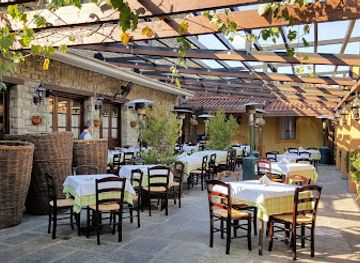
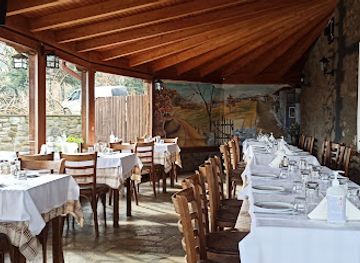
Thessalian cooking draws on the produce of the plain, the pastoral traditions of the mountains and the seafood of the Pagasetic Gulf and Aegean coast. In Volos, the established ritual of tsipouro with meze brings small dishes of fish, shellfish, vegetables, pulses and other savoury foods in combinations that may change with each pour. Mountain areas are known for pies made with greens, cheese or meat, as well as beans, lamb, honey and locally produced cheeses. Farm shops and markets in the larger towns offer fruit, vegetables, olives, preserves and seasonal goods from the agricultural plain. Tavernas and village inns remain important places to try grilled meats, slow-cooked dishes and regional pasta, while coastal restaurants focus on the day's catch. Larissa, Volos and Trikala have the broadest selection of cafés and contemporary restaurants, but smaller settlements often provide the clearest link between the meal and the surrounding landscape.
-
Restaurant
Taverna To Chani
Experience authentic Greek cuisine at Taverna To Chani - where traditional flavors meet modern hospitality.
-
Restaurant
The Mushroom
Discover exquisite local cuisine at The Mushroom by Lake Plastiras—where every meal is a delightful journey through flavors.
-
Greek
Taverna Olympos
Savor authentic Greek cuisine at Taverna Olympos in Palaios Panteleimonas, where tradition meets breathtaking views.
-
Cafe
Old café - Fofo's desserts
Homemade Greek sweets and mountain views in a timeless village café.

Best bars in Thessaly
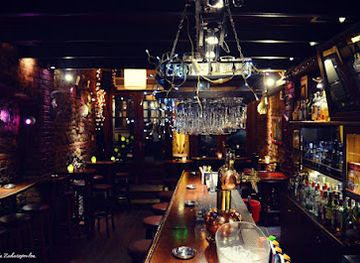
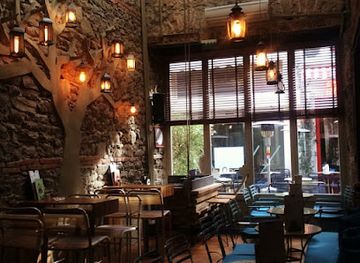
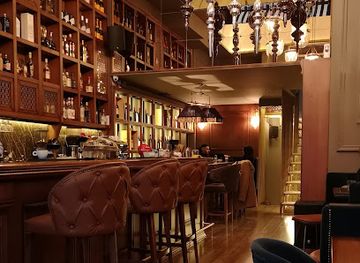
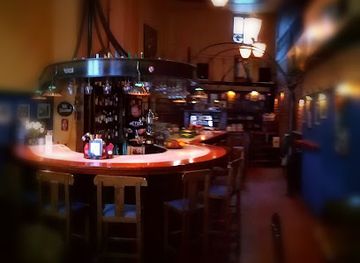
Evening life in Thessaly varies considerably by town and season. Volos has the region's most distinctive social scene, with tsipouro establishments, cafés and bars concentrated around the waterfront and central streets, while the port area gives summer evenings a maritime setting. Larissa has a substantial year-round café and bar culture supported by its large local population and student life, with restaurants and late venues in the central area. Trikala also has busy cafés and bars, particularly around the riverside and centre. In Pelion villages and rural districts, evenings are generally centred on tavernas, traditional cafés, small bars and occasional live music rather than large clubs. The Northern Sporades become considerably livelier during the summer season, especially in principal island settlements, but nightlife is seasonal and should not be assumed to continue at the same intensity outside the main months.
-
Bar
Κρύπτη Μπαρ
Discover the lively nightlife of Trikala at Κρύπτη Μπαρ, where unique ambiance meets exceptional service for a memorable experience.
-
Cocktail bar
The Love Shake
Experience the vibrant nightlife of Trikala at The Love Shake, a cocktail bar known for its innovative drinks and warm atmosphere.
-
Bar
ALVEO
Experience the vibrant blend of flavors and ambience at ALVEO, Trikala's premier bar and bistro offering a taste of Greece.
-
Bar
Margarita bar
Experience the vibrant nightlife at Margarita Bar in Karditsa, known for its creative cocktails and lively atmosphere. Perfect for socializing and unwinding.
Best nightclubs in Thessaly
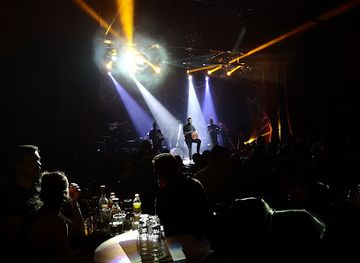
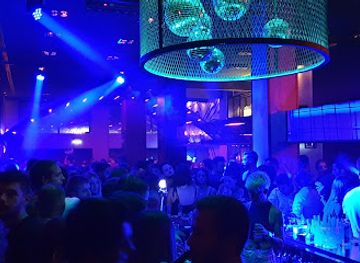
Evening life in Thessaly varies considerably by town and season. Volos has the region's most distinctive social scene, with tsipouro establishments, cafés and bars concentrated around the waterfront and central streets, while the port area gives summer evenings a maritime setting. Larissa has a substantial year-round café and bar culture supported by its large local population and student life, with restaurants and late venues in the central area. Trikala also has busy cafés and bars, particularly around the riverside and centre. In Pelion villages and rural districts, evenings are generally centred on tavernas, traditional cafés, small bars and occasional live music rather than large clubs. The Northern Sporades become considerably livelier during the summer season, especially in principal island settlements, but nightlife is seasonal and should not be assumed to continue at the same intensity outside the main months.
-
Night club
Χίλια Χείλια The original concept
Immerse yourself in the vibrant nightlife of Kileler at Χίλια Χείλια, where electrifying music and unforgettable experiences await.
-
Night club
People
Experience the vibrant nightlife at People Night Club in Larissa, where music, dancing, and unforgettable moments come together.
-
Night club
Φεγγάρια Live
Discover the electric atmosphere of Φεγγάρια Live, a top night club in Volos, Greece, where music, dance, and culture come alive.
-
Night club
Skyland live music venue
Discover the lively energy of Skyland Live Music Venue, Larissa's premier night club for unforgettable live music experiences.


Best shops in Thessaly
Shopping in Thessaly is strongest in the central streets and markets of Larissa, Volos, Trikala and Karditsa, where ordinary high-street retail sits alongside specialist food shops, bakeries and cafés. Volos is a good place to look for products from Pelion and the Pagasetic area, including honey, preserves, herbs and locally made foods, while mountain villages offer woollen goods, woodwork and small-scale agricultural products. Larissa's commercial centre reflects its role as the plain's largest urban market, with clothing, books, household goods and regional food retailers. Around Meteora, shops sell religious objects, icons and locally produced foods, but visitors should distinguish between handmade work and mass-produced souvenirs. Island settlements in the Northern Sporades have seasonal boutiques, beachwear and craft shops, alongside olive oil, honey and other Greek food products. Farmers' markets and weekly produce stalls can be more useful than souvenir outlets for understanding the region's agricultural identity, although locations and schedules vary by town.
-
Shopping mall
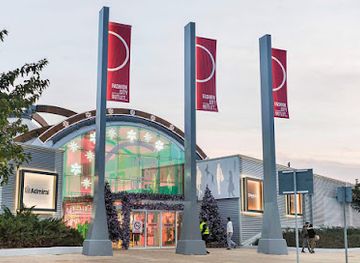
Fashion City Outlet
Explore Fashion City Outlet in Larissa, Greece, for unbeatable deals on top brands and a vibrant shopping experience that caters to every style.
-
Shopping mall
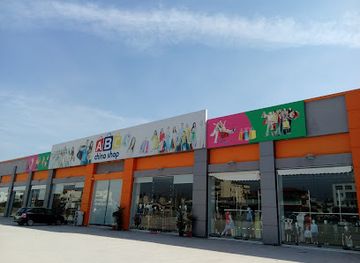
ABC China Shop
Discover the charm of Chinese culture at ABC China Shop, a vibrant shopping destination in Larissa offering authentic goods and unique treasures.
-
Shopping mall
️ PEAK STORE ️ By Georgiadis
Explore the vibrant PEAK STORE By Georgiadis in Elassona for unique local products and a taste of authentic Greek culture.
-
Fashion accessories store
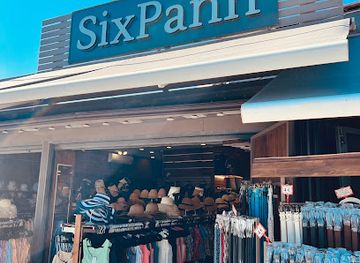
SixPann
Explore SixPann for stylish fashion accessories that enhance your wardrobe and reflect the local culture.
Get your free copy of our complete guide to Thessaly, delivered straight to you.
Everything on this page, from attractions and restaurants to essentials and local phrases, in one PDF you can read offline, print or share.
Already have an account? Sign in
Your Thessaly guide is ready.
We'll send it to · Not you? Sign out

Getting your guide ready…
We are putting together a fresh copy of the Thessaly guide. This can take up to a minute.
This can take a few moments. If your browser asks, choose Allow so the download can start. You'll find the guide in your Downloads folder.
Nothing happened? Download it again
Sorry, the guide is taking longer than usual. Please try again in a minute, or get it by email instead.
Thessaly essentials
Currency and Payment
Safety
Emergency Situations
Do's and Don'ts
Local Tips
From Eve
Local phrases worth knowing
You don't need to get them perfect. A few words go a long way, and locals appreciate the effort.
Basics
| English | Local | Say it |
|---|---|---|
| Hello | Γειά σου | [Yia sou] |
| Goodbye | Αντίο | [Adío] |
| Yes | Ναι | [Ne] |
| No | Όχι | [Óchi] |
| Please/You're welcome | Παρακαλώ | [Parakaló] |
| Thank you | Ευχαριστώ | [Efcharistó] |
| Excuse me/Sorry | Συγγνώμη | [Signómi] |
| How are you? | Πώς είσαι; | [Pós íse?] |
| Fine. And you? | Καλά. Εσύ; | [Kalá. Esý?] |
| Do you speak English? | Μιλάς αγγλικά; | [Milás angliká?] |
| I don't understand | Δεν καταλαβαίνω | [Den katalavéno] |
Eating & Drinking
| English | Local | Say it |
|---|---|---|
| I'd like to see the menu, please | Θα ήθελα να δω το μενού, παρακαλώ | [Tha íthela na do to menou, parakaló] |
| I don't eat meat | Δεν τρώω κρέας | [Den tróo kréas] |
| Cheers! | Γεια μας! | [Yia mas!] |
| I would like to pay, please | Θα ήθελα να πληρώσω, παρακαλώ | [Tha íthela na pliróso, parakaló] |
Emergencies
| English | Local | Say it |
|---|---|---|
| Help! | Βοήθεια! | [Voítheia!] |
| Go away! | Φύγε! | [Fýge!] |
| Call the Police! | Καλέστε την αστυνομία! | [Kaléste tin astynomía!] |
| Call a doctor! | Καλέστε έναν γιατρό! | [Kaléste énan giatró!] |
| I'm lost | Είμαι χαμένος | [Eímai chaménos] |
| I'm ill | Είμαι άρρωστος | [Eímai árrostos] |
Shopping
| English | Local | Say it |
|---|---|---|
| I'd like to buy... | Θα ήθελα να αγοράσω... | [Tha íthela na agoráso...] |
| I'm just looking | Απλώς κοιτάω | [Aplós kitáo] |
| How much is it? | Πόσο κοστίζει; | [Póso kostízei?] |
| That's too expensive | Είναι πολύ ακριβό | [Eínai polý akrivó] |
| Can you lower the price? | Μπορείς να ρίξεις την τιμή; | [Borís na ríxeis tin timí?] |
Time & Numbers
| English | Local | Say it |
|---|---|---|
| What time is it? | Τι ώρα είναι; | [Ti óra eínai?] |
| It's one o'clock | Είναι μία η ώρα | [Eínai mía i óra] |
| Half past (10) | Δέκα και μισή | [Déka kai misí] |
| Morning | Πρωί | [Proí] |
| Afternoon | Απόγευμα | [Apógevma] |
| Evening | Βράδυ | [Vrády] |
| Yesterday | Χθες | [Chthes] |
| Today | Σήμερα | [Símera] |
| Tomorrow | Αύριο | [Ávrio] |
| 1 | 1 | [1] |
| 2 | 2 | [2] |
| 3 | 3 | [3] |
| 4 | 4 | [4] |
| 5 | 5 | [5] |
| 6 | 6 | [6] |
| 7 | 7 | [7] |
| 8 | 8 | [8] |
| 9 | 9 | [9] |
| 10 | 10 | [10] |
Transport & Directions
| English | Local | Say it |
|---|---|---|
| Where's a/the...? | Πού είναι το...; | [Poú eínai to...?] |
| What's the address? | Ποια είναι η διεύθυνση; | [Poia eínai i diéfthynsi?] |
| Can you show me (on the map)? | Μπορείς να μου δείξεις (στο χάρτη); | [Borís na mou deíxeis (sto chárti)?] |
| When's the next (bus)? | Πότε είναι το επόμενο (λεωφορείο); | [Póte eínai to epómeno (leoforeío)?] |
| A ticket (to ....) | Ένα εισιτήριο (για ...) | [Éna eisitírio (gia ...)] |
History of Thessaly
Neolithic Sesklo and Dimini
Thessaly contains some of the most important Neolithic archaeological sites in Greece. Sesklo, near Volos, and Dimini, closer to the Pagasetic Gulf, reveal settled farming communities that lived in organised houses, produced pottery and cultivated the fertile landscape several thousand years ago. Their remains demonstrate the early importance of the Thessalian plain and surrounding foothills for agriculture and permanent settlement. Dimini is also associated with a later fortified settlement, while the wider region preserves evidence of long continuity from prehistoric villages into the Bronze Age.
Iolcos and Bronze Age Thessaly
The area around modern Volos was known in antiquity as the centre of Iolcos, a place linked in mythology with Jason and the Argonauts. Behind the stories lies a strategically positioned Bronze Age landscape connected to the Pagasetic Gulf and inland routes. Archaeology at sites including Dimini and the wider Volos area indicates maritime contacts, craft activity and organised communities. Later traditions about Iolcos helped give the region an enduring place in Greek mythology, while its historical importance rested on access to both the sea and the Thessalian interior.
Classical Cities and the Thessalian League
In classical times Thessaly was divided among powerful city communities and regional aristocratic families, with Larissa, Pherae and other centres competing for influence. Horse breeding and agriculture supported the region's wealth, and Thessalian cavalry was respected in the wider Greek world. The Thessalian League periodically sought to coordinate these communities, although internal rivalries remained significant. The fertile plain also made Thessaly strategically important to neighbouring powers, including Macedonia, and its political history was shaped by the movement of armies through central Greece.
Macedonian, Hellenistic and Roman Rule
Thessaly came increasingly under Macedonian influence during the fourth century BC and was later incorporated into the Hellenistic political order. The foundation and expansion of Demetrias near modern Volos created a major fortified and maritime centre on the Pagasetic Gulf. Under Rome, Thessaly formed part of the Roman province of Macedonia and remained important for agriculture and communications. Roads, towns and imperial administration strengthened connections across the plain, while sanctuaries and urban remains continued to develop around centres such as Larissa and Demetrias.
Byzantine and Ottoman Thessaly
After the Roman period, Thessaly remained within the eastern Roman, or Byzantine, world before changing hands during the upheavals of the medieval Balkans. Meteora's monastic communities developed especially from the fourteenth century, when hermits and monks established foundations on the area's sandstone pinnacles, creating a distinctive religious landscape. Ottoman rule followed in the fifteenth century and lasted, with changing local conditions, until the nineteenth century. Mountain settlements, agricultural estates, bridges and religious buildings from these centuries reflect Thessaly's position between Balkan routes, the Aegean coast and the Greek interior.
Incorporation into the Greek State
Most of Thessaly became part of the modern Greek state in 1881, following the Treaty of Constantinople, while the region's northern frontier remained subject to later changes connected with the Balkan Wars. Integration brought new administrative arrangements, commercial opportunities and closer links with the port of Volos. The agricultural plain became increasingly important to the national economy, though landholding patterns and rural poverty remained contentious. The late nineteenth and early twentieth centuries also saw the growth of railways, roads and urban institutions that still influence travel across Thessaly.
Agriculture, Industry and Modern Transformation
Modern Thessaly has been shaped by the interaction of intensive agriculture, expanding towns and mountain depopulation. Irrigation and mechanisation transformed parts of the plain, supporting crops such as cotton, cereals and fruit, while Larissa, Volos and Trikala developed as commercial and service centres. Volos also acquired an industrial and port character, and its railway connection reinforced its role in regional trade. In recent decades, tourism has grown around Meteora, Pelion, the Aegean coast, Lake Plastiras and the Northern Sporades, adding a service economy to the region's older agricultural foundations.
Thessaly in Photos
Browse through our photo collection highlighting the charm and character of the destination.
Neighbouring regions of Thessaly
The closest regions to Thessaly, if you have time for more than one.
-

-

-

-
-


Swipe for more regions
Explore more
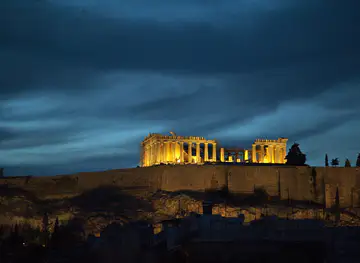
Explore more of Greece
Discover Greece: A land where ancient history meets modern vibrancy, offering stunning islands, crystal-clear seas, and unforgettable cultural experiences.
Explore Greece