

Ασκηταριά Πυθίου (Pythion Hermitages) Travel Guide
Free Guide: Explore the ancient Pythion Hermitages, a window into the secluded lives of Byzantine monks near Mount Olympus.


A brief summary of Ασκηταριά Πυθίου (Pythion Hermitages)
Explore the ancient Pythion Hermitages, a window into the secluded lives of Byzantine monks near Mount Olympus.
Nestled in the rocky caves near the village of Pythion, these hermitages offer a glimpse into the lives of ascetic monks during the Byzantine era. The best-preserved hermitages, the Hermitage of Ascension and the Hermitage of the Holy Cross, feature remarkable wall murals dating back to 1339.
- Address
- Unnamed Road, Elassona 402 00
Getting there
Walking
Driving
Discover more about Ασκηταριά Πυθίου (Pythion Hermitages)
Overview
The Pythion Hermitages, located on the western side of Mount Olympus near the village of Pythion, are a testament to the region's rich Byzantine history. These hermitages are simple structures built within natural rock cavities, where monks lived in seclusion, dedicating themselves to religious practices away from the larger monasteries. The hermitages consist of narrow cells, small churches, and auxiliary spaces, all formed within the natural caves. The Hermitage of the Holy Cross (Timios Stavros), also known as the Hermitage of the Holy Archangels, and the Hermitage of the Ascension of the Lord are the best-preserved. The Hermitage of the Holy Cross is built inside a cave and on the narrow ledge in front of it and is comprised of three sections: the chapel inside the cave and two other areas outside on the ledge. The chapel features a narthex. Remarkably preserved frescoes dating back to 1339 can be found inside the chapel, the narthex and the cell. These murals depict scenes such as the Nativity, the Baptism, the Resurrection, and the Annunciation, as well as figures of saints and apostles. The Hermitage of the Ascension is located at the foot of the hill, inside a spacious cave. A long wall closes off the opening in the front, while a partition divides the recess of the rock and creates two continuous spaces.Visiting the Pythion Hermitages offers a unique opportunity to explore Byzantine art and architecture in a serene, natural setting. The village of Pythion itself has a rich history, dating back to ancient times when it formed part of the Perraivian Tripolis.
Evendo Review Centre
 Google
Guest reviews
Explore Ασκηταριά Πυθίου (Pythion Hermitages) on the map
A handpicked selection of must-see spots near Ασκηταριά Πυθίου (Pythion Hermitages), mapped for you.
Get your free copy of our complete guide to Ασκηταριά Πυθίου (Pythion Hermitages), delivered straight to you.
Everything on this page, from opening hours and how to get there to Eve’s tips and the best time to go, in one PDF you can read offline, print or share.
Already have an account? Sign in
Your Ασκηταριά Πυθίου (Pythion Hermitages) guide is ready.
We'll send it to · Not you? Sign out

Getting your guide ready…
We are putting together a fresh copy of the Ασκηταριά Πυθίου (Pythion Hermitages) guide. This can take up to a minute.
This can take a few moments. If your browser asks, choose Allow so the download can start. You'll find the guide in your Downloads folder.
Nothing happened? Download it again
Sorry, the guide is taking longer than usual. Please try again in a minute, or get it by email instead.
Other nearby places you may find interesting
The closest places of the same kind, if this one is not quite what you had in mind.
-
-
-
-
-


Swipe for more places
More to explore near Ασκηταριά Πυθίου (Pythion Hermitages)
-
 Best experiences near Ασκηταριά Πυθίου (Pythion Hermitages)
-
 Best hotels near Ασκηταριά Πυθίου (Pythion Hermitages)
-
 Best landmarks near Ασκηταριά Πυθίου (Pythion Hermitages)
-
 Best attractions near Ασκηταριά Πυθίου (Pythion Hermitages)
-
 Best shops near Ασκηταριά Πυθίου (Pythion Hermitages)
-
 Best restaurants near Ασκηταριά Πυθίου (Pythion Hermitages)
-
 Best bars near Ασκηταριά Πυθίου (Pythion Hermitages)


Do you manage this location?
Take control to get all the benefits, like improved information, better appearance, and stronger visibility across AI-powered discovery.
Explore more
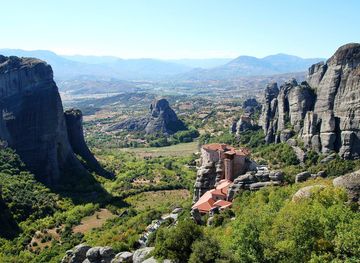
Explore more of Thessaly
Discover Thessaly: A region where history, nature, and culture converge in the heart of Greece, offering an unforgettable experience for every traveler.
Explore Thessaly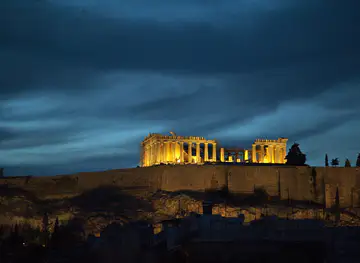
Explore more of Greece
Discover Greece: A land where ancient history meets modern vibrancy, offering stunning islands, crystal-clear seas, and unforgettable cultural experiences.
Explore Greece
