

Amerindian Petroglyph, Sauteurs Travel Guide
Free Guide: Explore ancient Amerindian rock carvings in Waltham, Grenada, and uncover the island's rich indigenous history and cultural heritage.


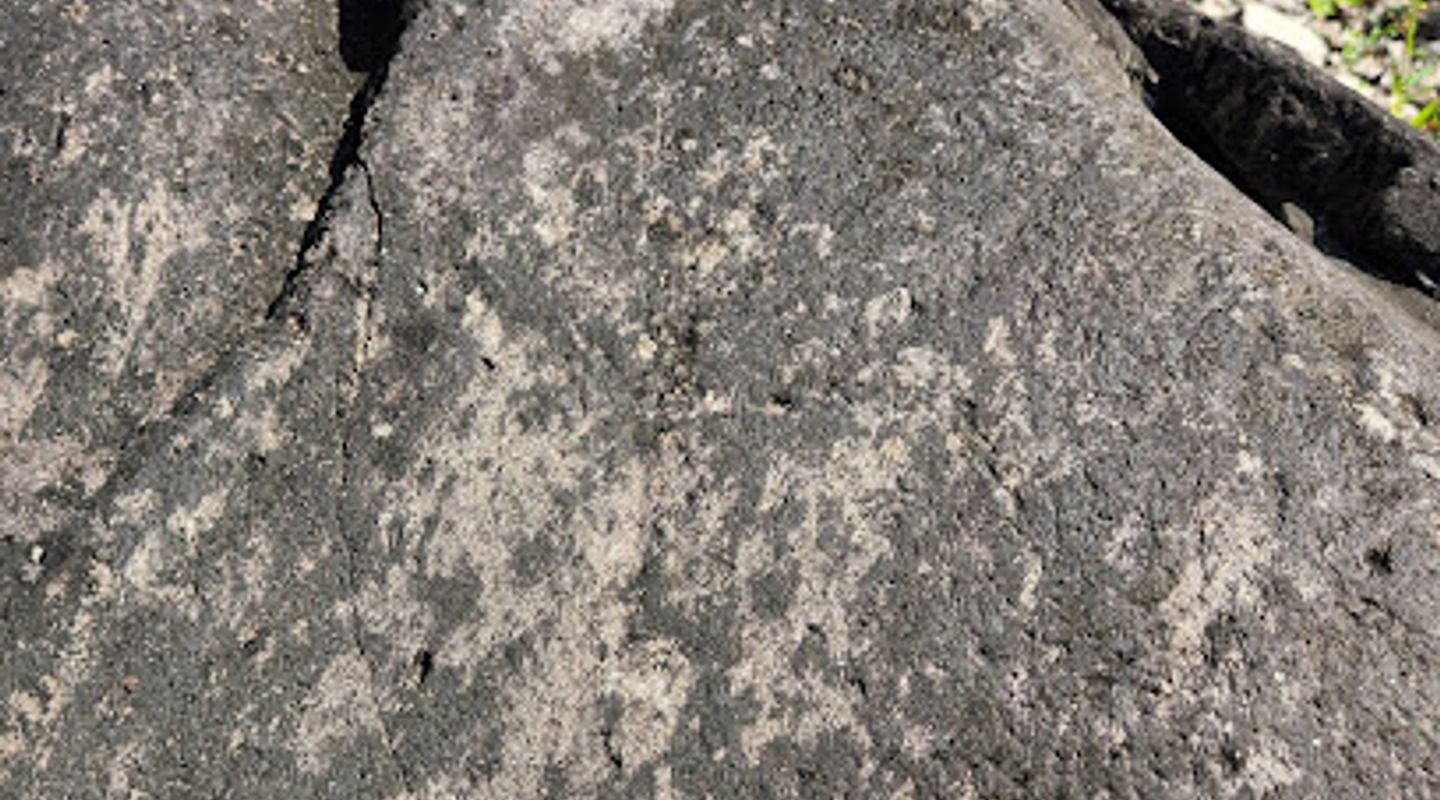
A brief summary of Amerindian Petroglyph
Explore ancient Amerindian rock carvings in Waltham, Grenada, and uncover the island's rich indigenous history and cultural heritage.
Discover ancient rock carvings at the Amerindian Petroglyph in Waltham, Grenada, offering a glimpse into the lives and beliefs of the island's first inhabitants. These petroglyphs provide a unique historical and cultural experience amidst a serene natural setting.
- Address
- 672X+FQW, Western Main Road, Waltham, St.Mark's, Waltham, Grenada
Getting there
Public Transport
Taxi
Walking
Discover more about Amerindian Petroglyph
Overview
Nestled in the quiet village of Waltham, Grenada, the Amerindian Petroglyph site offers a fascinating journey into the island's pre-Columbian past. Here, etched onto stone surfaces, are a series of ancient rock carvings created by the Amerindians, the island's earliest inhabitants. These petroglyphs, sometimes referred to as 'Carib Stones,' are believed to date back to between AD 900 and 1400, reflecting the Suzan-Troumassoid Occupation.The carvings themselves depict a range of symbols and figures, from abstract geometric designs to simple faces and more elaborate anthropomorphic (human-like) and zoomorphic (animal-like) figures. While their exact meaning remains a subject of debate, it's believed that they held spiritual connotations and were possibly created by shamans or religious leaders. The presence of 'workstones' - large boulders used as mortars and anvils for grinding tools and perhaps even preparing food or ritual substances - near the petroglyphs further suggests the site's significance in the daily and spiritual lives of the Amerindians.Visiting the petroglyphs offers a chance to connect with Grenada's rich cultural heritage and appreciate the artistry of its first people. The surrounding landscape adds to the experience, providing a peaceful and picturesque backdrop for exploring this historical site.
Evendo Review Centre
 Google
Guest reviews
Explore Amerindian Petroglyph on the map
A handpicked selection of must-see spots near Amerindian Petroglyph, mapped for you.
Get your free copy of our complete guide to Amerindian Petroglyph, delivered straight to you.
Everything on this page, from opening hours and how to get there to Eve’s tips and the best time to go, in one PDF you can read offline, print or share.
Already have an account? Sign in
Your Amerindian Petroglyph guide is ready.
We'll send it to · Not you? Sign out

Getting your guide ready…
We are putting together a fresh copy of the Amerindian Petroglyph guide. This can take up to a minute.
This can take a few moments. If your browser asks, choose Allow so the download can start. You'll find the guide in your Downloads folder.
Nothing happened? Download it again
Sorry, the guide is taking longer than usual. Please try again in a minute, or get it by email instead.
Other nearby places you may find interesting
The closest places of the same kind, if this one is not quite what you had in mind.
-

-
-
-
-


Swipe for more places
More to explore near Amerindian Petroglyph

 Best experiences near Amerindian Petroglyph
 Best hotels near Amerindian Petroglyph
 Best landmarks near Amerindian Petroglyph
 Best attractions near Amerindian Petroglyph
 Best shops near Amerindian Petroglyph
 Best restaurants near Amerindian Petroglyph
 Best bars near Amerindian Petroglyph
Do you manage this location?
Take control to get all the benefits, like improved information, better appearance, and stronger visibility across AI-powered discovery.
Explore more

Explore more of Sauteurs
Discover Sauteurs, Grenada's serene northern gem, where breathtaking coastal views, rich history, and authentic local culture create an unforgettable escape.
Explore Sauteurs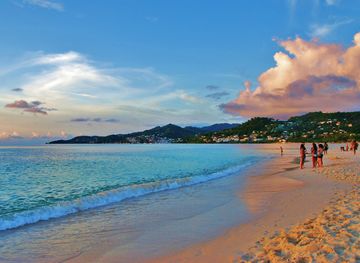
Explore more of Grenada
Discover Grenada, the Spice Isle of the Caribbean, where lush landscapes, pristine beaches, and rich cultural heritage create a tropical paradise for all travelers.
Explore Grenada
