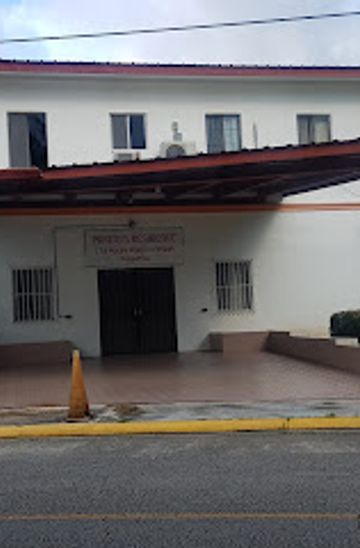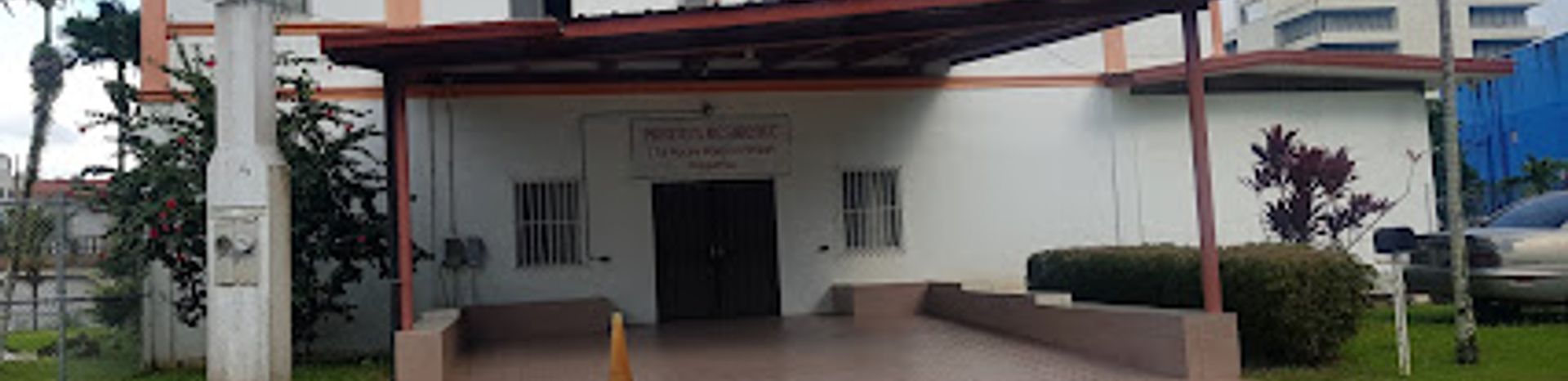
Discover the Rich Heritage at Guam Institute
Explore the Guam Institute, a historical gem in Hagåtña that reveals the rich cultural heritage and stories of the island's past.
The Guam Institute stands as a beacon of the island's historical legacy, inviting tourists to explore its unique cultural significance. Nestled in Hagåtña, this historical site offers a glimpse into the rich tapestry of Guam's heritage, making it an essential stop for those keen to understand the island's past and present. The serene atmosphere and informative displays will leave visitors with a deeper appreciation of Guam's cultural identity.
A brief summary to Guam Institute
- 157 Padre Palomo Street, Padre Palomo St, Hagåtña, 96910, GU
- Click to display
- Click to display

Know before you go
Hi, I'm Eve. Here are a few practical things to know before exploring Guam Institute.
- Plan your visit during the weekdays for a quieter experience and better access to staff for questions.
- Check the official website for any special exhibits or events happening during your visit.
- Don't forget your camera; the architecture and surrounding landscapes provide great photo opportunities.
- Take a guided tour if available; it offers deeper insights into the exhibits and the island's history.
Do you manage this location?
Take control to get all the benefits, like improved information, better appearance, and stronger visibility across AI-powered discovery. Learn more
Activate your presenceOther nearby places you may find interesting
Getting There
-
Walking
From your location in Tamuning, start by heading towards Route 1 (also known as Marine Corps Drive). Depending on your starting point, you may need to ask locals for directions to the main road. Once on Marine Corps Drive, head north towards Hagåtña. After approximately 5 miles (about 10-15 minutes of walking), you will reach the intersection with Padre Palomo Street. Turn left onto Padre Palomo Street. Continue walking straight for about 0.2 miles until you reach 157 Padre Palomo Street, where the Guam Institute is located.
-
Public Bus
If you prefer to use public transportation, locate the nearest bus stop along Marine Corps Drive. Board the bus heading towards Hagåtña. Make sure to check the bus schedule in advance, as service can be infrequent. After approximately 15-20 minutes, disembark at the stop closest to Padre Palomo Street. From there, walk approximately 0.2 miles down Padre Palomo Street to reach 157 Padre Palomo Street, where the Guam Institute is located.
-
Bicycle
If you have access to a bicycle, you can take Route 1 northbound from Tamuning towards Hagåtña. Follow the same route as you would by walking, but cycling will allow you to cover the distance more quickly. Once you reach the intersection with Padre Palomo Street, turn left and continue cycling for about 0.2 miles until you reach the Guam Institute at 157 Padre Palomo Street.
Discover more about Guam Institute
Explore the best of what Guam Institute has to offer













More about Central Guam
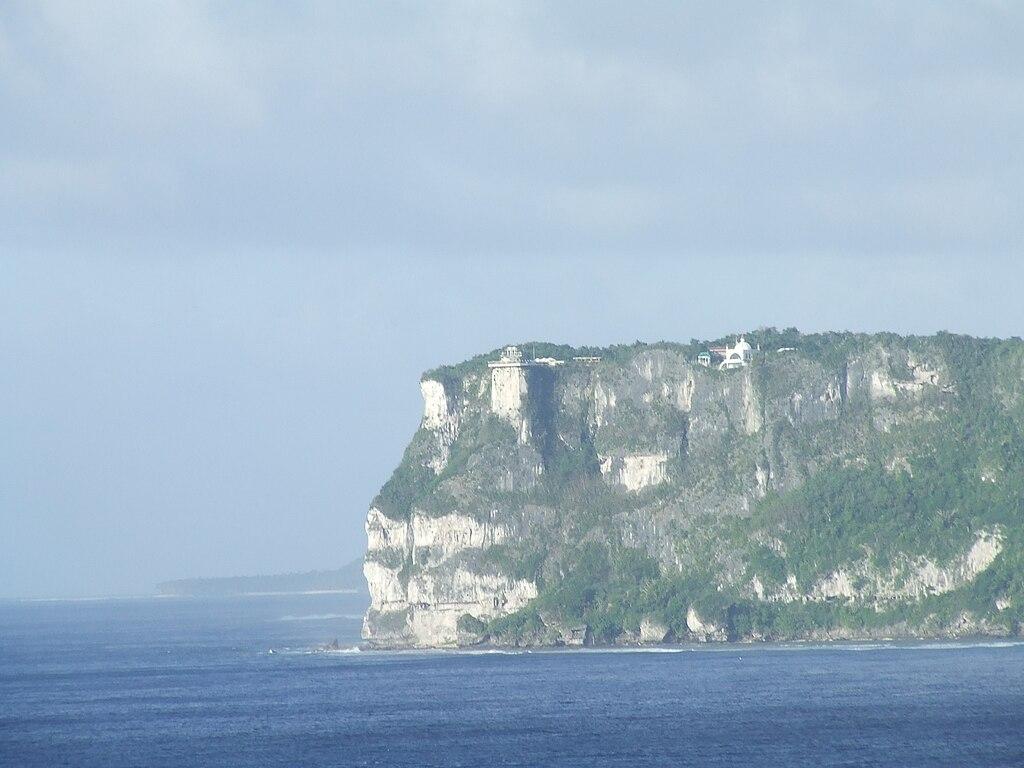
Explore Central Guam: A blend of rich cultural heritage, stunning beaches, and lush landscapes in the heart of the Pacific.
Tell me more about Central Guam
Experience Guam's best fishing charter with experienced captains, top-notch service, and unforgettable deep-sea adventures in the Pacific.
Dive into deliciousness at Mosa's Joint in Guam, where gourmet burgers meet local flavors in a vibrant and welcoming atmosphere.