

Free Herm Travel Guide & Mobile App
Explore Herm with free travel guides. Discover regional history, expert tips, proposed trips, and audio guides on web or mobile app.


Herm in the Bailiwick of Guernsey offers car-free walks, shell beaches, granite coastlines, island heritage and quiet Channel views.
Read more about Herm
When is the best time to visit Herm?
Best: June–August · 19–21°C| Month | High (°C) | Rainfall (mm) |
|---|---|---|
| January | 10 | 70 |
| February | 11 | 60 |
| March | 12 | 60 |
| April | 14 | 50 |
| May | 16 | 50 |
| June (best) | 19 | 40 |
| July (best) | 21 | 40 |
| August (best) | 21 | 40 |
| September | 19 | 50 |
| October | 16 | 60 |
| November | 13 | 70 |
| December | 11 | 70 |
Getting to and around Herm
How to get there
Transportation
Best attractions in Herm
Herm's attractions are principally landscapes and small-scale heritage rather than conventional visitor complexes. Walking paths lead from the harbour across the common and around a coastline of granite shelves, low cliffs, coves and offshore views. Shell Beach is the island's best-known shore, with pale sand and shell fragments, while Belvoir Bay is valued for its sheltered setting and easy access from the interior. St Tugual's Chapel provides a tangible link with Herm's medieval religious past, and old walls, fields and quarry traces add historical interest to the walking environment. The surrounding waters support swimming, kayaking, boating and opportunities to observe seabirds and marine life, although conditions and access vary with tide and weather. The island's compact scale makes a coastal circuit feasible for many visitors, but uneven ground and exposed sections require proper footwear. There are few dedicated family or indoor attractions, so Herm is most rewarding for travellers interested in quiet beaches, natural scenery, photography, wildlife, heritage and unhurried outdoor exploration.
-
Beach
Shell Beach Kiosk
Enjoy refreshments with stunning views at Shell Beach Kiosk, the perfect complement to Herm Island's beautiful shoreline.
-
Beach
Shell Beach
Discover Shell Beach on Herm Island: a Channel Island paradise with crystal-clear waters and sands made of millions of tiny shells.
-
Tourist attraction
Saint Tugual's Chapel
Discover the historic St. Tugual's Chapel on Herm Island: a peaceful retreat with Norman roots and beautiful surroundings.
-
Tourist attraction
Alderney Point
Experience the breathtaking beauty of Alderney Point, a serene tourist attraction in Guernsey, perfect for nature lovers and photography enthusiasts.


Best landmarks in Herm
St Tugual's Chapel is Herm's most important historic landmark, a small medieval structure whose dedication connects the island with the religious traditions of the Channel Islands and Brittany. The White House and harbour area form the principal built focus of modern Herm, marking the point where the island's visitor economy meets its maritime dependence. Granite walls, worked stone and remnants of quarrying are quieter landmarks of the island's rural and industrial past, particularly when encountered along walking paths rather than in a formal heritage setting. Shell Beach is the best-known natural landmark, recognised for its pale sand, shell deposits and open views, while Belvoir Bay provides a contrasting, more enclosed coastal setting. Across the common and shoreline, low granite outcrops, heathland and changing tidal channels give Herm a strong visual identity. These places matter less for monumental scale than for the way they express the island's relationship with sea, stone, faith, farming and carefully managed tourism.
-
Museum
Castle Cornet
Discover Castle Cornet, Guernsey's historic fortress, rich in maritime heritage and stunning coastal views, perfect for an enriching travel experience.
-
Restaurant
Crabby Jack's
Experience the freshest seafood and stunning views at Crabby Jack's, a coastal restaurant in beautiful Vazon Bay, Guernsey.
-
Pub
Thomas De La Rue
Discover the essence of Guernsey at Thomas De La Rue, where traditional pub charm meets modern dining experience in a vibrant atmosphere.
-
Restaurant
Slaughterhouse - Randalls
Experience exquisite dining at Slaughterhouse - Randalls, where local flavors and breathtaking views merge to create a memorable culinary journey.


Explore Herm on the map
Plan your trip on one map. See where the top cities, national parks and sights are, and book hotels and experiences in a few clicks.
Best hotels in Herm
Best restaurants in Herm
Dining on Herm is limited in scale and closely connected with its accommodation and visitor facilities rather than spread across a town centre. Meals typically centre on the island hotel and tavern, with menus shaped by familiar British and Channel Island produce, including seafood when supplies and season permit, alongside meat, salads, baked goods and simple meals suited to walkers and day visitors. Breakfast and evening dining are particularly important for people staying overnight, while daytime visitors should not assume a wide choice of cafés or late food service. Local Guernsey produce may appear alongside ingredients brought in from elsewhere, since Herm depends on regular supply links with Guernsey. Picnicking can be practical for a beach or walking day, provided that all waste is removed and food is carried responsibly. Advance checks are sensible for seasonal opening arrangements, dietary requirements and the availability of meals outside peak daytime periods.
-
Restaurant
Crabby Jack's
Experience exquisite seafood and stunning views at Crabby Jack's in Vazon Bay, Guernsey – a culinary gem by the coast.
-
Restaurant
Thomas De La Rue
Discover Thomas De La Rue in Guernsey - where local flavors meet vibrant pub culture in an unforgettable dining experience.
-
Restaurant
Slaughterhouse - Randalls
Discover Slaughterhouse - Randalls in Guernsey: A culinary delight serving locally sourced dishes in a modern setting.
-
Thai
The Terrace Garden Cafe
Experience exquisite Thai flavors at The Terrace Garden Cafe with stunning views over Guernsey's harbor and Herm Island.


Best bars in Herm
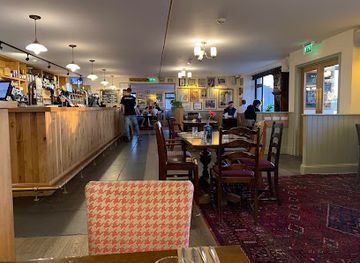
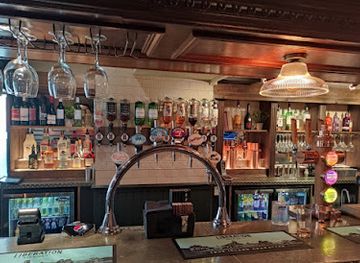
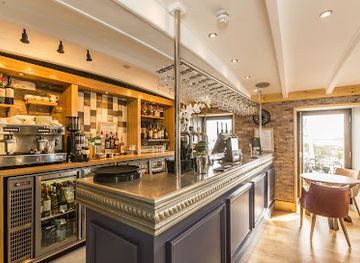
Herm does not have a conventional nightclub scene, and evening entertainment is deliberately low-key. The principal options are the island's pub and hotel bar, where visitors can have a drink, meet other guests or relax after walking, rather than move between a series of venues. Evenings are shaped by the weather, the boat timetable and the small resident and visitor population, with conversation, dining, reading and coastal views more typical than late-night dancing. Visitors staying overnight may find the quieter atmosphere one of Herm's defining pleasures, particularly after day-trippers have left. Alcohol is not essential to enjoying the island, and anyone drinking should remember that there are no ordinary taxis or road transport to rely on. Check current service arrangements with accommodation, as seasonal staffing and opening patterns can affect the limited evening offer.
-
Gastropub
The Rockmount - Randalls
Experience the taste of Guernsey at The Rockmount - Randalls, a charming gastropub offering local fare with stunning coastal views.
-
Pub
Thomas De La Rue
Discover the heart of Guernsey at Thomas De La Rue, a vibrant gastropub offering delightful cuisine and a welcoming atmosphere for all.
-
Gastropub
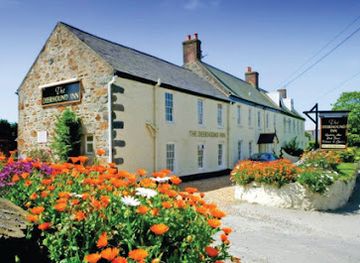
The Deerhound
Experience the heart of Guernsey at The Deerhound, a gastropub where local flavors and warm hospitality come together in a charming setting.
-
Bar
Ship & Crown
Discover the best of Guernsey dining at Ship & Crown, a picturesque bar and restaurant offering local flavors and stunning views.
Best nightclubs in Herm
Herm does not have a conventional nightclub scene, and evening entertainment is deliberately low-key. The principal options are the island's pub and hotel bar, where visitors can have a drink, meet other guests or relax after walking, rather than move between a series of venues. Evenings are shaped by the weather, the boat timetable and the small resident and visitor population, with conversation, dining, reading and coastal views more typical than late-night dancing. Visitors staying overnight may find the quieter atmosphere one of Herm's defining pleasures, particularly after day-trippers have left. Alcohol is not essential to enjoying the island, and anyone drinking should remember that there are no ordinary taxis or road transport to rely on. Check current service arrangements with accommodation, as seasonal staffing and opening patterns can affect the limited evening offer.
-
Pub
Thomas De La Rue
Discover the vibrant nightlife and delicious gastropub cuisine at Thomas De La Rue, Guernsey's premier pub experience.
-
Pub
Mermaid Tavern & Restaurant
Experience the best of local cuisine at the Mermaid Tavern & Restaurant on Herm Island, where stunning views meet delicious seafood and pub classics.
-
Cocktail bar
Amigos
Discover the vibrant nightlife at Amigos Cocktail Bar in Guernsey, where exceptional drinks and a lively atmosphere await you.
-
Bar
St James Guernsey
Discover the vibrant blend of art, live music, and café culture at St James Guernsey, the heart of local entertainment.



Best shops in Herm
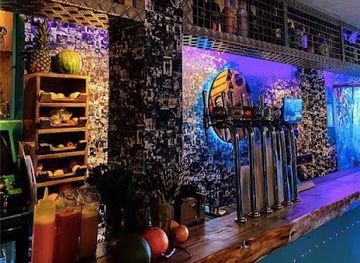
Shopping on Herm is necessarily limited and concentrated around the island's principal visitor facilities rather than a high street. Visitors may find souvenirs, postcards, books, clothing or locally themed gifts through seasonal retail provision, while food and drink supplies are best arranged before or shortly after arrival because there is no extensive range of shops. The most appropriate purchases are small, portable items connected with the island and the wider Bailiwick, rather than expecting a large craft or fashion scene. For Guernsey produce, specialist food shopping and a broader choice of independent retailers, St Peter Port on Guernsey is the practical destination before or after travelling to Herm. Visitors should avoid removing shells, stones, plants or other natural material as souvenirs, since the shoreline and common are part of the island's protected character. Check current shop availability if travelling outside the main season.
-
Supermarket
Waitrose & Partners
Explore Waitrose & Partners in Guernsey for a delightful selection of gourmet groceries, fresh produce, and specialty items in a charming supermarket setting.
-
Garden center
Earlswood Garden Centre & Café
Explore the beauty of nature and indulge in delicious cuisine at Earlswood Garden Centre & Café in Guernsey.
-
Home improvement store
B&Q St Peter Port - Guernsey
Explore a vast range of home improvement products at B&Q St Peter Port, from DIY essentials to festive decorations, all in one convenient location.
-
Gift shop
Guernsey Candles
Experience the artistry of candle-making and discover unique gifts at Guernsey Candles, a charming destination in the heart of Guernsey.


Get your free copy of our complete guide to Herm, delivered straight to you.
Everything on this page, from attractions and restaurants to essentials and local phrases, in one PDF you can read offline, print or share.
Already have an account? Sign in
Your Herm guide is ready.
We'll send it to · Not you? Sign out

Getting your guide ready…
We are putting together a fresh copy of the Herm guide. This can take up to a minute.
This can take a few moments. If your browser asks, choose Allow so the download can start. You'll find the guide in your Downloads folder.
Nothing happened? Download it again
Sorry, the guide is taking longer than usual. Please try again in a minute, or get it by email instead.
Herm essentials
Currency and Payment
Safety
Emergency Situations
Do's and Don'ts
Local Tips
From Eve
Local phrases worth knowing
You don't need to get them perfect. A few words go a long way, and locals appreciate the effort.
Basics
| English | Local | Say it |
|---|---|---|
| Hello | Bonjour | [bɔ̃ʒuʁ] |
| Goodbye | Au revoir | [o ʁəvwaʁ] |
| Yes | Oui | [wi] |
| No | Non | [nɔ̃] |
| Please/You're welcome | S'il vous plaît | [sil vu ple] |
| Thank you | Merci | [mɛʁsi] |
| Excuse me/Sorry | Excusez-moi | [ɛkskyze mwa] |
| How are you? | Comment ça va? | [kɔmɑ̃ sa va] |
| Fine. And you? | Bien. Et vous? | [bjɛ̃ e vu] |
| Do you speak English? | Parlez-vous anglais? | [paʁle vu ɑ̃ɡlɛ] |
| I don't understand | Je ne comprends pas | [ʒə nə kɔ̃pʁɑ̃ pa] |
Eating & Drinking
| English | Local | Say it |
|---|---|---|
| I'd like to see the menu, please | Je voudrais voir le menu, s'il vous plaît | [ʒə vudʁɛ vwaʁ lə məny, sil vu ple] |
| I don't eat meat | Je ne mange pas de viande | [ʒə nə mɑ̃ʒ pa də vjɑ̃d] |
| Cheers! | Santé! | [sɑ̃te] |
| I would like to pay, please | Je voudrais payer, s'il vous plaît | [ʒə vudʁɛ peje, sil vu ple] |
Emergencies
| English | Local | Say it |
|---|---|---|
| Help! | À l'aide! | [a lɛd] |
| Go away! | Allez-vous-en! | [ale vu zɑ̃] |
| Call the Police! | Appelez la police! | [aple la pɔlis] |
| Call a doctor! | Appelez un médecin! | [aple ɛ̃ medɛsɛ̃] |
| I'm lost | Je suis perdu | [ʒə sɥi pɛʁdy] |
| I'm ill | Je suis malade | [ʒə sɥi malad] |
Shopping
| English | Local | Say it |
|---|---|---|
| I'd like to buy... | Je voudrais acheter... | [ʒə vudʁɛ aʃte] |
| I'm just looking | Je regarde juste | [ʒə ʁəɡaʁd ʒyst] |
| How much is it? | Combien ça coûte? | [kɔ̃bjɛ̃ sa kut] |
| That's too expensive | C'est trop cher | [sɛ tʁo ʃɛʁ] |
| Can you lower the price? | Pouvez-vous baisser le prix? | [puve vu bɛse lə pʁi] |
Time & Numbers
| English | Local | Say it |
|---|---|---|
| What time is it? | Quelle heure est-il? | [kɛl œʁ ɛ til] |
| It's one o'clock | Il est une heure | [il ɛ yn œʁ] |
| Half past (10) | Dix heures et demie | [di zœʁ e dəmi] |
| Morning | Matin | [matɛ̃] |
| Afternoon | Après-midi | [apʁɛ midi] |
| Evening | Soir | [swaʁ] |
| Yesterday | Hier | [jɛʁ] |
| Today | Aujourd'hui | [oʒuʁdɥi] |
| Tomorrow | Demain | [dəmɛ̃] |
| 1 | Un | [ɛ̃] |
| 2 | Deux | [dø] |
| 3 | Trois | [tʁwa] |
| 4 | Quatre | [katʁ] |
| 5 | Cinq | [sɛ̃k] |
| 6 | Six | [sis] |
| 7 | Sept | [sɛt] |
| 8 | Huit | [ɥit] |
| 9 | Neuf | [nœf] |
| 10 | Dix | [di] |
Transport & Directions
| English | Local | Say it |
|---|---|---|
| Where's a/the...? | Où est un/le...? | [u ɛ ɛ̃ lə] |
| What's the address? | Quelle est l'adresse? | [kɛl ɛ l'adʁɛs] |
| Can you show me (on the map)? | Pouvez-vous me montrer (sur la carte)? | [puve vu mə mɔ̃tʁe syʁ la kaʁt] |
| When's the next (bus)? | Quand est le prochain (bus)? | [kɑ̃ ɛ lə pʁɔʃɛ̃ bus] |
| A ticket (to ....) | Un billet (pour ....) | [ɛ̃ bijɛ (puʁ)] |
History of Herm
Prehistoric Island Settlement
Herm's landscape preserves evidence of human activity reaching back into prehistory, including megalithic and burial remains associated with the wider Neolithic and Bronze Age culture of the Channel Islands. These monuments demonstrate that the island was not simply a later agricultural outpost but part of a maritime world in which communities moved between the islands and the nearby French coast. The surviving features are modest in scale and can be easy to overlook amid gorse and granite, yet they provide an important reminder that Herm's apparently quiet landscape has been shaped by people for thousands of years.
Medieval Religious Life
St Tugual's Chapel reflects Herm's medieval religious associations. The dedication links the island to the Breton saint Tudwal, whose cult was established in parts of the western Channel and neighbouring Brittany. Although Herm was never a major ecclesiastical centre, the chapel indicates the importance of small religious foundations in an island environment where farming, fishing and seaborne connections shaped daily life. Its survival, together with the surrounding field patterns and paths, offers a tangible connection with a period when the Channel Islands occupied a frontier position between the English Crown and the cultural world of Normandy and Brittany.
The Seigneurial and Agricultural Island
For centuries Herm was managed as a small seigneurial and agricultural island within the Bailiwick of Guernsey. Its inhabitants relied on farming, fishing, gathering resources from the shore and links with Guernsey for supplies and administration. Granite walls, cottages and working paths recall this rural economy, even though tourism now provides the main reason for most visits. The island's scale meant that ownership and land management had an unusually visible effect on its appearance. Open common, heath, pasture and carefully maintained paths remain central to Herm's character.
Granite Quarrying and Island Industry
Herm's granite was quarried on a limited scale and used in local building, walls and harbour-related work. The industry never transformed the island as dramatically as quarrying did in parts of Guernsey, but traces of extraction remain part of the landscape and help explain the exposed rock faces and worked stone encountered on walks. Granite was one of the defining materials of the Channel Islands, valued for its durability and appearance. On Herm, quarrying formed part of a mixed island economy rather than a large industrial system, alongside agriculture, fishing and maritime transport.
The German Occupation, 1940–1945
Herm, like the other Channel Islands, was occupied by German forces during the Second World War after the islands were demilitarised and evacuated by the British authorities in 1940. The occupation brought military control, restrictions and disruption to island life, although Herm remained much smaller and less heavily fortified than Guernsey or Jersey. The period ended with the German surrender in May 1945, when the Channel Islands were liberated. Wartime traces and memories form part of the wider historical setting visitors encounter across the Bailiwick, even where Herm's physical remains are comparatively limited.
Tourism and the Modern Car-Free Island
During the twentieth century Herm developed a distinctive visitor economy based on its beaches, walking routes and separation from motor traffic. Hotel and holiday accommodation, boat connections from Guernsey and carefully managed public paths allowed the island to welcome visitors without becoming a conventional resort. The absence of cars and the limited scale of construction have remained important to its identity. Modern Herm therefore represents not a completely untouched landscape, but a consciously maintained balance between tourism, conservation, island residence and the practical constraints of a small community.
Herm in Photos
Browse through our photo collection highlighting the charm and character of the destination.
Neighbouring regions of Herm
The closest regions to Herm, if you have time for more than one.
-
-

-
-

-


Swipe for more regions
Explore more

Explore more of Guernsey
Discover Guernsey, where French and British cultures blend seamlessly amidst stunning coastal scenery, rich history, and delectable cuisine in the charming Channel Islands.
Explore Guernsey