

Free Upper Guinea Travel Guide & Mobile App
Explore Upper Guinea with free travel guides. Discover regional history, expert tips, proposed trips, and audio guides on web or mobile app.


Upper Guinea offers Kankan’s Mande heritage, Niger River landscapes, savanna journeys and access to Guinea’s Upper Niger wilderness.
Read more about Upper Guinea
When is the best time to visit Upper Guinea?
Best: March–April, October · 22–25°C| Month | High (°C) | Rainfall (mm) |
|---|---|---|
| January | 17 | 75 |
| February | 19 | 65 |
| March (best) | 22 | 85 |
| April (best) | 25 | 95 |
| May | 29 | 105 |
| June | 30 | 115 |
| July | 32 | 125 |
| August | 31 | 115 |
| September | 28 | 105 |
| October (best) | 23 | 95 |
| November | 18 | 85 |
| December | 15 | 75 |
Getting to and around Upper Guinea
How to get there
Transportation
Top city travel guides in Upper Guinea
The cities of Upper Guinea, and the easiest places to base yourself.

Swipe for more cities
Destinations in Upper Guinea
Resorts, valleys and scenic spots worth a trip of their own.

Swipe for more destinations
Best attractions in Upper Guinea
Upper Guinea’s attractions are defined by landscapes, living culture and historical setting rather than a dense concentration of polished visitor facilities. Kankan offers the clearest introduction to the region’s Mande heritage through its markets, mosques, river setting and traditions of Islamic learning. Siguiri and the surrounding Niger valley provide a contrasting view of trading communities, gold-producing country and broad savanna scenery, while Kouroussa and Mandiana reveal the importance of river routes and rural commerce. Around Faranah, the Upper Niger National Park protects substantial savanna, woodland and wetland habitats, offering opportunities for guided wildlife observation and ecological travel when conditions and access permit. The park is particularly significant for understanding the relationship between seasonal rivers, floodplains and protected habitats. Rural journeys bring encounters with agricultural landscapes, mango and shea-producing areas, village architecture and weekly markets, but should be undertaken with local guidance and realistic expectations about infrastructure. Upper Guinea is best experienced slowly, with its historical atmosphere and changing landscapes providing the principal attractions.
-
Tourist attraction
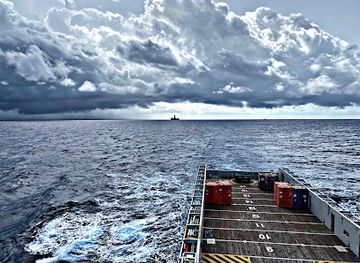
Gola Forest Reserve
Discover the breathtaking beauty and rich biodiversity of Gola Forest Reserve, a national treasure in Sierra Leone perfect for nature lovers and adventure seekers.

Best landmarks in Upper Guinea
Kankan’s historic mosques and its position beside the Milo River are among Upper Guinea’s most recognisable cultural markers. They represent the town’s long association with Mande commerce, Islamic scholarship and movement along the region’s waterways, although many buildings are active places of worship rather than formal monuments. The Niger River around Siguiri is a major geographical landmark, shaping settlement, agriculture, transport and gold-working landscapes across the north-east. The Milo and other tributaries provide a similar sense of the region’s river-based geography around Kankan and Kouroussa. In the wider Faranah area, the protected landscapes of the Upper Niger National Park form a natural landmark of national importance, with seasonal wetlands, savanna and woodland rather than a single monumental structure. The historic association of Niani with the old Mali imperial heartland is important to regional historical discussion, but its exact archaeological identification remains debated. Together these places show Upper Guinea as a landscape of rivers, religious architecture, old trade routes and culturally significant savanna.
-
Bay
Gulf of Guinea
Explore the stunning Gulf of Guinea, where vibrant cultures meet breathtaking landscapes and rich marine life awaits every traveler.
-
Museum
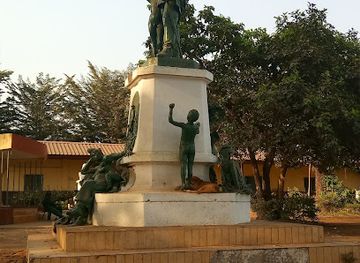
National Museum of Guinea
Explore the National Museum of Guinea: A vibrant journey through the rich history and culture of Guinea, showcasing traditional art and artifacts.
-
National park
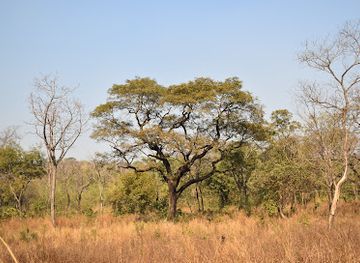
National Park of Upper Niger
Discover the beauty of nature at the National Park of Upper Niger, Guinea's premier destination for wildlife and stunning landscapes.
-
University
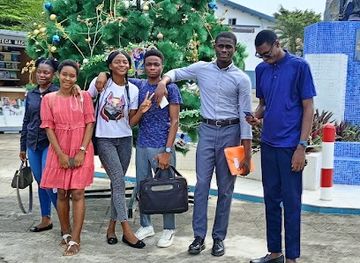
Universidad Nacional de Guinea Ecuatorial
Explore the vibrant campus of Universidad Nacional de Guinea Ecuatorial, where education meets culture in the heart of Malabo, Equatorial Guinea.
Explore Upper Guinea on the map
Plan your trip on one map. See where the top cities, national parks and sights are, and book hotels and experiences in a few clicks.
Best hotels in Upper Guinea
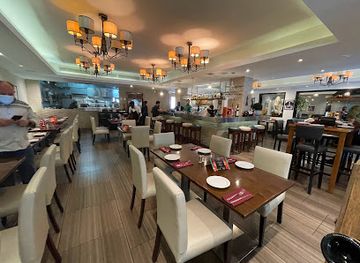
Best restaurants in Upper Guinea
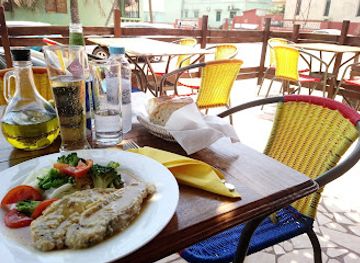
Dining in Upper Guinea is informal, local and closely tied to seasonal agriculture. Rice is a central staple, often served with sauces based on groundnuts, leaves, okra or meat, while tô made from cereals may appear alongside richly seasoned stews. Fonio, a small-grained West African cereal, is important in parts of the savanna belt, and grilled chicken, beef or river fish can be found in market areas and modest restaurants. Mangoes and other seasonal fruit are widely available, while shea products and néré are associated with the region’s agricultural economy. Kankan and the larger towns offer the broadest choice of cafés, street-food stalls and simple restaurants; in rural areas, meals are more likely to be arranged through accommodation or a local host. French-influenced dishes and imported drinks are also available, but the most distinctive eating experience comes from fresh rice, sauces, grilled foods and market produce shared in an unhurried setting.
-
Restaurant
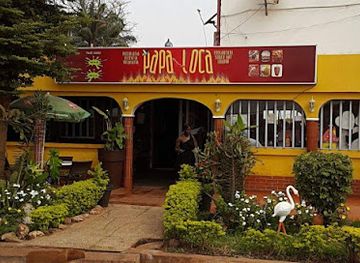
Restaurante Papa Loca
Experience authentic Guinea-Bissauan cuisine at Restaurante Papa Loca in Bissau - a culinary journey filled with flavor and warmth.
-
Italian
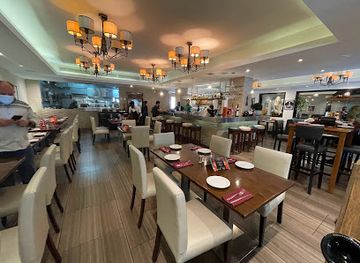
O Bistro
Experience authentic Italian cuisine at O Bistro in Bissau - where tradition meets local charm.
-
 Restaurant
Hôtel Petit Bateau
Experience comfort and local flavor at Hôtel Petit Bateau in Conakry - your cozy retreat in Guinea's vibrant capital.
-
Restaurant
Avenue
Discover Avenue in Conakry: A culinary experience that captures the essence of Guinean flavors amidst warm hospitality.
Best bars in Upper Guinea
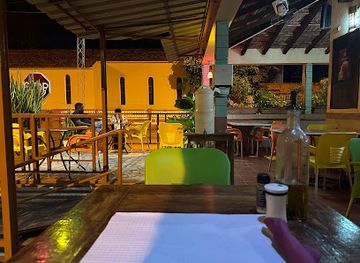
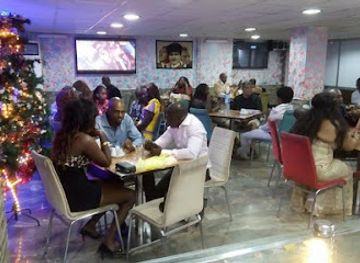
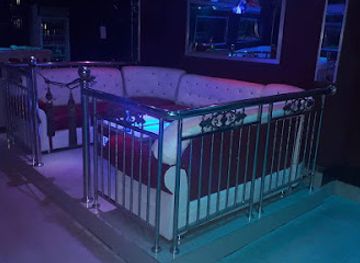
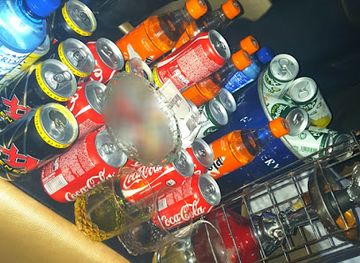
Nightlife in Upper Guinea is modest and concentrated in Kankan, Siguiri, Faranah and other larger towns rather than organised around major club districts. Evening social life commonly centres on cafés, small bars, restaurants, tea stalls, open-air seating and venues playing Guinean or wider West African music. Kankan has the greatest range of places to eat and meet after dark, while in smaller towns activity often winds down earlier and depends on the day of the week. Some hotels and urban venues serve bottled beer and soft drinks, but availability and opening arrangements are changeable. Traditional music, community celebrations and occasional live performances may be more culturally informative than commercial nightlife. Visitors should return to accommodation with a trusted driver or guide after dark, especially outside central streets, and should not assume that rural areas offer late-night transport.
-
Italian
O Bistro
Experience the authentic taste of Italy at O Bistro in Bissau, where every dish is a celebration of flavor and tradition.
-
Hotel
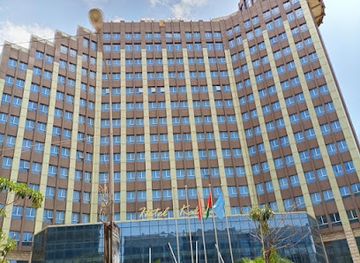
Hôtel Kaloum
Discover luxury and comfort at Hôtel Kaloum, your serene escape in the vibrant city of Conakry, Guinea.
-
Restaurant
Avenue
Experience the best of Guinea's flavors at Avenue, a top restaurant in Conakry offering a delightful blend of local and international cuisines.
-
Turkish
Istanbul Restaurant & Pâtisserie
Experience authentic Turkish cuisine and delightful pastries at Istanbul Restaurant & Pâtisserie in the heart of Conakry.
Best nightclubs in Upper Guinea
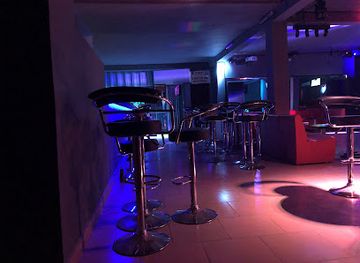
Nightlife in Upper Guinea is modest and concentrated in Kankan, Siguiri, Faranah and other larger towns rather than organised around major club districts. Evening social life commonly centres on cafés, small bars, restaurants, tea stalls, open-air seating and venues playing Guinean or wider West African music. Kankan has the greatest range of places to eat and meet after dark, while in smaller towns activity often winds down earlier and depends on the day of the week. Some hotels and urban venues serve bottled beer and soft drinks, but availability and opening arrangements are changeable. Traditional music, community celebrations and occasional live performances may be more culturally informative than commercial nightlife. Visitors should return to accommodation with a trusted driver or guide after dark, especially outside central streets, and should not assume that rural areas offer late-night transport.
-
Disco club
CONAKRY CLUB
Experience the vibrant nightlife of Conakry at Conakry Club, where local culture meets electrifying music in the heart of Guinea's capital.
-
Bar
Grand REX Night Club
Discover the vibrant nightlife at Grand REX Night Club in Conakry, where music, dance, and local culture come alive for an unforgettable evening.
-
Night club
Alize Club International
Discover the electric nightlife of Conakry at Alize Club International, where music, dance, and vibrant culture come together for an unforgettable experience.
-
Night club
Aviostart
Experience the vibrant nightlife in Siguiri at Aviostart, a premier night club where music and dance unite for unforgettable evenings.

Best shops in Upper Guinea
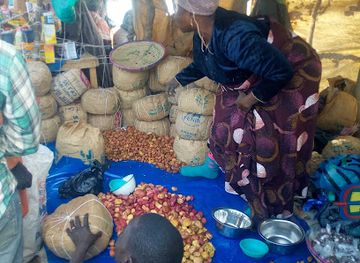
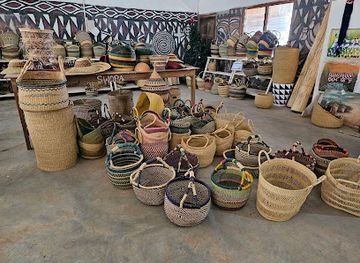
Shopping in Upper Guinea is centred on markets and everyday commerce rather than large retail complexes. Kankan has the broadest selection of stalls and small shops, with rice, fonio, groundnuts, fruit, spices, fabrics, clothing, household goods and locally produced foods moving through the town. Siguiri and Kouroussa are important market centres for surrounding agricultural and river communities, while smaller weekly markets provide a more direct view of rural trade. Visitors may find woven textiles, carved objects, leather goods and practical metalwork, but quality and provenance vary, so purchases should be made respectfully and without assuming that every item is a traditional craft. Regional food products such as dried fruit, grains, honey, shea-based goods and spices are generally more representative souvenirs than mass-produced trinkets. Carry cash in smaller notes, ask permission before photographing stalls, and remember that market activity follows local rhythms rather than fixed tourist opening hours.
-
Hotel
Hôtel Kaloum
Discover the elegance and charm of Hôtel Kaloum, the ultimate luxury hotel in Conakry, Guinea, offering breathtaking ocean views and exceptional service.
-
Market
Gujungu Market
Explore Gujungu Market, a vibrant hub of local goods and authentic Nigerian culture in Jigawa, Nigeria, perfect for adventurous tourists.
-
Scrapbooking store
Sirigu Women's Pottery Association (SWOPA)
Explore the rich cultural heritage of Ghana at the Sirigu Women's Pottery Association, where art, community, and tradition come together.
-
Shopping mall
Sandema Market Centre
Explore local goods and authentic Ghanaian culture at Sandema Market Centre, a vibrant shopping destination in Sandema, Ghana.

Get your free copy of our complete guide to Upper Guinea, delivered straight to you.
Everything on this page, from attractions and restaurants to essentials and local phrases, in one PDF you can read offline, print or share.
Already have an account? Sign in
Your Upper Guinea guide is ready.
We'll send it to · Not you? Sign out

Getting your guide ready…
We are putting together a fresh copy of the Upper Guinea guide. This can take up to a minute.
This can take a few moments. If your browser asks, choose Allow so the download can start. You'll find the guide in your Downloads folder.
Nothing happened? Download it again
Sorry, the guide is taking longer than usual. Please try again in a minute, or get it by email instead.
Upper Guinea essentials
Currency and Payment
Safety
Emergency Situations
Do's and Don'ts
Local Tips
From Eve
Local phrases worth knowing
You don't need to get them perfect. A few words go a long way, and locals appreciate the effort.
Basics
| English | Local | Say it |
|---|---|---|
| Hello | Hey | [heɪ] |
| Goodbye | See you later | [si ju ˈleɪtər] |
| Yes | Yeah | [jɛə] |
| No | Nope | [noʊp] |
| Please/You're welcome | You're welcome | [jʊr ˈwɛlkəm] |
| Thank you | Thanks | [θæŋks] |
| Excuse me/Sorry | Sorry | [ˈsɔri] |
| How are you? | How's it going? | [haʊz ɪt ˈgoʊɪŋ] |
| Fine. And you? | I'm good. You? | [aɪm ɡʊd ju] |
| Do you speak English? | Do you speak English? | [du ju spiːk ˈɪŋɡlɪʃ] |
| I don't understand | I don't get it | [aɪ doʊnt ɡɛt ɪt] |
Eating & Drinking
| English | Local | Say it |
|---|---|---|
| I'd like to see the menu, please | Can I see the menu? | [kæn aɪ si ðə ˈmɛnju] |
| I don't eat meat | I'm vegetarian | [aɪm ˌvɛdʒɪˈtɛriən] |
| Cheers! | Cheers! | [ʧɪrz] |
| I would like to pay, please | Can I get the bill? | [kæn aɪ gɛt ðə bɪl] |
Emergencies
| English | Local | Say it |
|---|---|---|
| Help! | Help! | [hɛlp] |
| Go away! | Leave me alone! | [liːv mi əˈloʊn] |
| Call the Police! | Call the cops! | [kɔl ðə kɑps] |
| Call a doctor! | Get a doctor! | [ɡɛt ə ˈdɑktər] |
| I'm lost | I'm lost | [aɪm lɔst] |
| I'm ill | I'm not feeling well | [aɪm nɑt ˈfiːlɪŋ wɛl] |
Shopping
| English | Local | Say it |
|---|---|---|
| I'd like to buy... | I want to buy... | [aɪ wɑnt tu baɪ] |
| I'm just looking | Just browsing | [dʒʌst ˈbraʊzɪŋ] |
| How much is it? | What's the price? | [wʌts ðə praɪs] |
| That's too expensive | That's too pricey | [ðæts tu ˈpraɪsi] |
| Can you lower the price? | Can you give me a discount? | [kæn ju ɡɪv mi ə ˈdɪskaʊnt] |
Time & Numbers
| English | Local | Say it |
|---|---|---|
| What time is it? | What time is it? | [wʌt taɪm ɪt] |
| It's one o'clock | It's one o'clock | [ɪts wʌn əˈklɑk] |
| Half past (10) | Half past ten | [hæf pæst tɛn] |
| Morning | Morning | [ˈmɔrnɪŋ] |
| Afternoon | Afternoon | [ˌæftərˈnun] |
| Evening | Evening | [ˈivnɪŋ] |
| Yesterday | Yesterday | [ˈjɛstərdeɪ] |
| Today | Today | [təˈdeɪ] |
| Tomorrow | Tomorrow | [təˈmɔroʊ] |
| 1 | One | [wʌn] |
| 2 | Two | [tu] |
| 3 | Three | [θri] |
| 4 | Four | [fɔr] |
| 5 | Five | [faɪv] |
| 6 | Six | [sɪks] |
| 7 | Seven | [ˈsɛvən] |
| 8 | Eight | [eɪt] |
| 9 | Nine | [naɪn] |
| 10 | Ten | [tɛn] |
Transport & Directions
| English | Local | Say it |
|---|---|---|
| Where's a/the...? | Where's the...? | [wɛrz ðə] |
| What's the address? | What's the address? | [wʌts ði əˈdrɛs] |
| Can you show me (on the map)? | Can you show me on the map? | [kæn ju ʃoʊ mi ɑn ðə mæp] |
| When's the next (bus)? | When's the next bus? | [wɛnʤ ðə nɛkst bʌs] |
| A ticket (to ....) | A ticket to... | [ə ˈtɪkɪt tu] |
History of Upper Guinea
Early settlement and the Upper Niger world
The savannas and river valleys of Upper Guinea have supported human settlement for many centuries. The Niger and Milo systems provided water, fertile soils and routes of movement, while surrounding grasslands supported farming, herding and hunting. Archaeological evidence in the wider Upper Niger region points to long patterns of ironworking, agriculture and regional exchange, although many sites remain insufficiently studied or interpreted. The area’s history is therefore also preserved through settlement layouts, oral traditions and the continued importance of rivers and market routes.
Mande expansion and the Mali Empire
Upper Guinea formed part of the wider Mande cultural and political sphere that developed around the Mali Empire from the thirteenth century. Political control varied over time, but the region was connected to networks carrying gold, kola, salt, cloth and other goods across West Africa. Mande languages, social institutions, oral epics and Islamic scholarship spread through these connections. Niani, traditionally associated with the Mali imperial heartland, is linked to the Upper Guinea area in historical accounts, although the precise location and interpretation of the old capital remain subjects of scholarly debate.
The Batè region and the rise of Kankan
Kankan became the major centre of the Batè region, an area shaped by Malinké settlement, trading communities and Islamic learning. Its position on the Milo River helped it develop as a commercial and cultural town, linking the interior of present-day Guinea with routes towards Mali and Côte d’Ivoire. Local political authority was exercised through changing alliances among ruling families, merchants and religious figures. The historic importance of Kankan survives less through a single preserved monument than through its markets, mosques, oral traditions and continuing role as eastern Guinea’s principal urban centre.
Samori Touré and nineteenth-century resistance
During the late nineteenth century, Samori Touré built a powerful state and military network across parts of present-day Guinea, Mali and Côte d’Ivoire. Upper Guinea was central to this period of political consolidation and conflict, as Samori’s forces sought to control trade routes and resist French expansion. Warfare, movement of populations and changing alliances affected towns and rural communities throughout the region. Samori was captured by the French in 1898, but his resistance remains an important part of the historical memory of Upper Guinea and of West African opposition to colonial conquest.
French colonial administration and transport
French rule reorganised Upper Guinea through new administrative boundaries, taxation, military posts and commercial systems. Colonial authorities sought access to agricultural products, livestock, minerals and trade routes, while roads and transport links were developed to connect inland towns with the wider colony. These changes altered the authority of local leaders and encouraged the growth of administrative centres such as Kankan and Siguiri. Colonial infrastructure was uneven, and many rural communities remained difficult to reach, a pattern that still affects travel across the region.
Independence, mining and protected landscapes
Guinea became independent in 1958, after which Upper Guinea experienced major changes in public administration, education, commerce and infrastructure. Gold mining has remained especially important around Siguiri and other parts of the northeast, combining industrial operations with long-established artisanal activity. At the same time, conservation initiatives led to the protection of important savanna and river ecosystems, notably through the Upper Niger National Park. Contemporary Upper Guinea therefore brings together an old trading landscape, a substantial mining economy and growing efforts to safeguard wildlife and wetlands.
Upper Guinea in Photos
Browse through our photo collection highlighting the charm and character of the destination.
Neighbouring regions of Upper Guinea
The closest regions to Upper Guinea, if you have time for more than one.
-

-

-

-

-


Swipe for more regions
Explore more

Explore more of Guinea
Explore Guinea's hidden beauty, from lush rainforests and majestic waterfalls to vibrant markets and rich cultural heritage in West Africa.
Explore Guinea