

Free Niihau Travel Guide & Mobile App
Explore Niihau with free travel guides. Discover regional history, expert tips, proposed trips, and audio guides on web or mobile app.


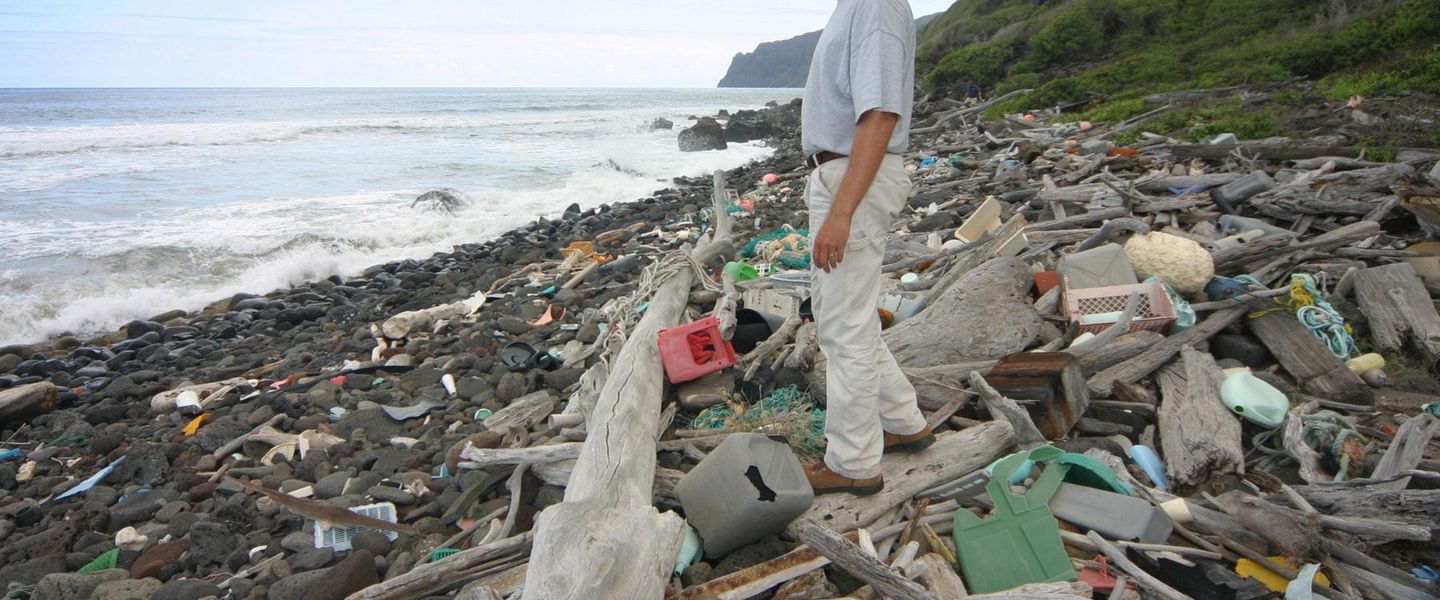


Niihau offers authorised visitors a rare glimpse of Hawaiian language, shell lei traditions, dry island landscapes and carefully protected coastal waters.
Read more about Niihau
Getting to and around Niihau
How to get there
Transportation
Best attractions in Niihau
Niihau’s attractions are defined by controlled access and landscape rather than by a conventional collection of visitor facilities. Authorised excursions may reveal dry volcanic hills, open grasslands, dunes, remote beaches and coastal cliffs, with the exact landing point and route determined by permission and conditions. Boat trips can provide views of the shoreline and opportunities for carefully supervised marine activities, while helicopter outings offer a broader perspective on the island’s isolation and rugged interior. Wildlife interest includes seabirds, coastal species and the exceptionally clear waters around parts of the island, although encounters are never guaranteed and wildlife must not be disturbed. Cultural interpretation may introduce visitors to Hawaiian language continuity, local history and the finely made shell leis associated with Niihau. The nearby islet of Lehua, which is separate from Niihau, is sometimes included in regional marine excursions but should not be confused with the island itself. There are no public museums, theme parks, hotels or developed trails, and the settlement of Puuwai is not an open-access attraction.
-
Island
Ni‘ihau
Explore Ni‘ihau Island: A Hidden Hawaiian Paradise of Unspoiled Nature and Rich Cultural Heritage Awaiting Your Discovery.
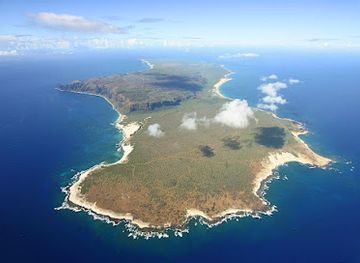
Explore Niihau on the map
Plan your trip on one map. See where the top cities, national parks and sights are, and book hotels and experiences in a few clicks.
Best hotels in Niihau
Best restaurants in Niihau
Niihau has no public restaurant, café, food market or established visitor dining scene. Food for an authorised excursion is normally arranged by the operator or host, and visitors should not assume that supplies can be purchased on the island. The experience is therefore different from Kauai’s restaurant culture and should be planned as an expedition with adequate water, snacks and any dietary requirements confirmed beforehand. Niihau’s food traditions are connected to island subsistence, fishing, ranching and Hawaiian family life, but these should not be treated as a menu available to tourists. Shell lei makers and residents should never be approached as informal vendors without invitation. Most travellers will dine before or after their excursion on Kauai, where Hawaiian, Pacific, Asian and American influences are represented in restaurants, food trucks, bakeries and farmers’ markets. Any food provided during a Niihau visit should be accepted with respect, and visitors should follow instructions about waste and the removal of packaging.
-
Travel agency
Odyssea Voyage
Explore Quebec with Odyssea Voyage: Expert Travel Services for Unforgettable Adventures.

Best nightclubs in Niihau
Niihau has no public bars, nightclubs, breweries, entertainment district or conventional nightlife. The island’s limited evening life belongs to its resident community and is not a visitor attraction. Authorised excursions are generally day-based because transport, weather and the lack of accommodation make overnight tourism impractical. Visitors should not bring alcohol for public consumption or assume that a beach landing can become an informal party. Evening dining, live music and drinking venues are found on Kauai, outside the Niihau region, particularly in and around its larger resort and town areas. The appropriate rhythm of a Niihau visit is early travel, time outdoors and a return to the gateway island, where accommodation and evening services are available.
-
Island
Ni‘ihau
Explore the enchanting Ni‘ihau, a hidden Hawaiian paradise with rich culture, stunning beaches, and exclusive access to nature's untouched beauty.
Get your free copy of our complete guide to Niihau, delivered straight to you.
Everything on this page, from attractions and restaurants to essentials and local phrases, in one PDF you can read offline, print or share.
Already have an account? Sign in
Your Niihau guide is ready.
We'll send it to · Not you? Sign out

Getting your guide ready…
We are putting together a fresh copy of the Niihau guide. This can take up to a minute.
This can take a few moments. If your browser asks, choose Allow so the download can start. You'll find the guide in your Downloads folder.
Nothing happened? Download it again
Sorry, the guide is taking longer than usual. Please try again in a minute, or get it by email instead.
Niihau essentials
Currency and Payment
Safety
Emergency Situations
Do's and Don'ts
Local Tips
From Eve
Local phrases worth knowing
You don't need to get them perfect. A few words go a long way, and locals appreciate the effort.
Basics
| English | Local | Say it |
|---|---|---|
| Hello | Aloha | [ah-loh-hah] |
| Goodbye | A hui hou | [ah hoo-ee ho] |
| Yes | ʻAe | [ah-eh] |
| No | Aʻohe | [ah-oh-heh] |
| Please/You're welcome | E ʻoluʻolu | [eh oh-loo-oh-loo] |
| Thank you | Mahalo | [mah-hah-loh] |
| Excuse me/Sorry | E kala mai | [eh kah-lah my] |
| How are you? | Pehea ʻoe? | [peh-heh-ah oh-eh] |
| Fine. And you? | Maikaʻi. A ʻoe? | [my-kah-ee. ah oh-eh] |
| Do you speak English? | Kōkua ʻoe i ka ʻōlelo Pākīpika? | [koh-koo-ah oh-eh ee kah oh-leh-loh pah-kee-pee-kah] |
| I don't understand | O nā ʻōlelo e ʻike ʻole au | [oh nah oh-leh-loh eh ee-keh oh-leh] |
Eating & Drinking
| English | Local | Say it |
|---|---|---|
| I'd like to see the menu, please | E makemake ana au e nānā i ka menu | [eh mah-kah-meh ah-nah ow eh nah-nah ee kah meh-new] |
| I don't eat meat | Aʻohe au e ʻai i ka ʻai | [ah-oh-heh ow eh ai ee kah ai] |
| Cheers! | Ono! | [oh-noh] |
| I would like to pay, please | E ʻoluʻolu, makemake au e uku | [eh oh-loo-oh-loo, mah-kah-meh ah-oo eh oo-koo] |
Emergencies
| English | Local | Say it |
|---|---|---|
| Help! | Kōkua! | [koh-koo-ah] |
| Go away! | E holo aku! | [eh ho-loh ah-koo] |
| Call the Police! | Kāhea i ka ʻŌlelo Pākīpika! | [kah-heh-ah ee kah oh-leh-loh pah-kee-pee-kah] |
| Call a doctor! | Kāhea i ke kauka! | [kah-heh-ah ee keh kau-kah] |
| I'm lost | Ua nalowale au | [oo-ah nah-loh-wah-leh ow] |
| I'm ill | Ua maʻi au | [oo-ah mah-ee ow] |
Shopping
| English | Local | Say it |
|---|---|---|
| I'd like to buy... | E makemake ana au e kūʻai... | [eh mah-kah-meh ah-nah ow eh koo-ee] |
| I'm just looking | Ke nānā wale nō au | [keh nah-nah vah-leh noh ow] |
| How much is it? | Ehia ka mea? | [eh-hee-ah kah meh-ah] |
| That's too expensive | O nā mea ʻoi aku ka ʻoi | [oh nah meh-ah oy ah-koo kah oy] |
| Can you lower the price? | E hiki anei e hoʻemi i ka kumukūʻai? | [eh hee-kee ah-neh eh hoh-emee ee kah koo-moo-koo-aye] |
Time & Numbers
| English | Local | Say it |
|---|---|---|
| What time is it? | He aha ka hora? | [he ah-hah kah hoh-rah] |
| It's one o'clock | He ʻekahi ka hora | [he eh-kah-hee kah hoh-rah] |
| Half past (10) | Kā ʻumi | [kah oo-mee] |
| Morning | Kukuli | [koo-koo-lee] |
| Afternoon | Pō ʻau | [poh ow] |
| Evening | Pō | [poh] |
| Yesterday | I nehinei | [ee neh-hee-neh] |
| Today | I kēia lā | [ee keh-ee-ah lah] |
| Tomorrow | I ka lā ʻapōpō | [ee kah lah ah-poh-poh] |
| 1 | ʻEkahi | [eh-kah-hee] |
| 2 | ʻElua | [eh-loo-ah] |
| 3 | ʻEkolu | [eh-koh-loo] |
| 4 | ʻEha | [eh-hah] |
| 5 | ʻElima | [eh-lee-mah] |
| 6 | ʻEono | [eh-oh-noh] |
| 7 | ʻEkolu | [eh-koh-loo] |
| 8 | ʻEwalu | [eh-wah-loo] |
| 9 | ʻIka ʻiwa | [ee-kah ee-vah] |
| 10 | ʻUmi | [oo-mee] |
Transport & Directions
| English | Local | Say it |
|---|---|---|
| Where's a/the...? | Aia i hea ka...? | [ah-ee-ah ee heh-ah kah] |
| What's the address? | He aha ka ʻāina? | [he ah-hah kah ah-ee-nah] |
| Can you show me (on the map)? | E hiki anei e hōʻike iaʻu? | [eh hee-kee ah-neh eh hoh-ee-kee ee-ah-oo] |
| When's the next (bus)? | Kāhea i ka bus aʻe? | [kah-heh-ah ee kah bus ah-eh] |
| A ticket (to ....) | He pepa tiket e ... | [he peh-pah tee-ket eh] |
History of Niihau
Early Polynesian Settlement
Niihau was settled by Polynesian voyagers centuries before European contact. Its small, dry environment encouraged a way of life shaped by fishing, cultivation, animal husbandry and close networks with neighbouring Kauai and the other Hawaiian islands. Archaeological evidence and oral traditions point to long occupation, while the island’s isolation helped preserve distinctive local practices. As elsewhere in Hawaii, land, genealogy and resource management were closely connected, and the coastline and uplands supported different forms of subsistence.
Kauai’s Kingdom and the Unification of Hawaii
Before Hawaii was unified under Kamehameha I, Niihau was associated with the chiefly polity of Kauai. Kamehameha’s attempt to conquer Kauai in 1796 failed, and the island later entered his realm through negotiation rather than a successful invasion. Niihau consequently became part of the unified Hawaiian Kingdom while retaining the historical connections, dialect features and social relationships that linked it to Kauai.
The Sinclair Purchase, 1864
In 1864, King Kamehameha V sold Niihau to Elizabeth Sinclair, a Scottish-born settler and landowner, for $10,000. The transaction transferred the island into private ownership, and the Robinson family, descended from Sinclair, has continued to own and manage it. Conditions associated with the purchase and subsequent stewardship helped support the continued use of Hawaiian on the island, although ownership has also been a subject of historical discussion because it placed an entire inhabited island under private control.
Missionary-Era and Economic Change
The nineteenth century brought major changes to Hawaiian society, including Christianity, new political institutions, commercial agriculture and declining population after introduced diseases. Niihau remained more lightly developed than many larger islands, but it was not isolated from these transformations. Ranching, small-scale agriculture and the raising of sheep and other animals became important, while traditional subsistence activities continued. The island’s dry conditions and limited water restricted the scale of plantation-style development.
The Niihau Incident of 1941
After the Japanese attack on Pearl Harbor on 7 December 1941, a Japanese pilot who had landed on Niihau became involved in an armed confrontation with local residents. The incident lasted several days and ended after the pilot was killed. It became known as the Niihau Incident and influenced American wartime perceptions of security and loyalty in Hawaii. The episode is part of the island’s modern history, but it should be approached with care rather than treated as a sensational tourist story.
Hawaiian Language and Cultural Continuity
Niihau is widely recognised for the continuing strength of Hawaiian in community life. While the language suffered severe decline across Hawaii during the nineteenth and twentieth centuries, families on Niihau maintained it as a principal spoken language. This continuity is linked to the island’s restricted access, family networks and social traditions. Niihau residents have also contributed to the wider revitalisation of Hawaiian language and culture, although visitors should remember that language use and cultural knowledge belong to a living community rather than to a museum display.
Contemporary Private Stewardship
Modern Niihau remains privately owned, sparsely populated and managed under restrictions that limit tourism, development and outside access. The island’s economy has included ranching, hunting arrangements, shell lei production and carefully controlled visitor activities. Conservation concerns, water scarcity, invasive species and the protection of community life all influence access decisions. The result is a place whose historical character is still visible in everyday practice, but whose future depends on balancing cultural autonomy, environmental care and limited economic opportunity.
Niihau in Photos
Browse through our photo collection highlighting the charm and character of the destination.
Neighbouring regions of Niihau
The closest regions to Niihau, if you have time for more than one.
-

-

-

-

-


Swipe for more regions
Explore more
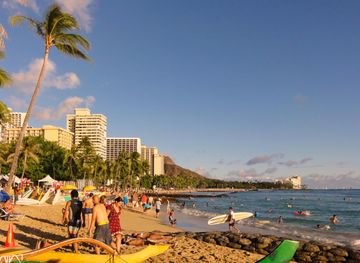
Explore more of Hawaii
Discover the tropical paradise of Hawaii, where pristine beaches, lush landscapes, and rich Polynesian culture create an unforgettable vacation experience.
Explore Hawaii