

Free Kauai Travel Guide & Mobile App
Explore Kauai with free travel guides. Discover regional history, expert tips, proposed trips, and audio guides on web or mobile app.


Explore Kauai’s rainforests, beaches, volcanic valleys, Nā Pali cliffs, local food and deeply rooted Hawaiian cultural landscapes.
Read more about Kauai
When is the best time to visit Kauai?
Best: April–June · 26–28°C| Month | High (°C) | Rainfall (mm) |
|---|---|---|
| January | 25 | 126 |
| February | 25 | 107 |
| March | 26 | 147 |
| April (best) | 26 | 94 |
| May (best) | 27 | 82 |
| June (best) | 28 | 66 |
| July | 28 | 74 |
| August | 29 | 80 |
| September | 28 | 102 |
| October | 27 | 112 |
| November | 27 | 132 |
| December | 26 | 171 |
Getting to and around Kauai
How to get there
Transportation
Best attractions in Kauai
Kauai’s attractions range from major natural landscapes to small cultural and historical sites. Waimea Canyon and Kōkeʻe State Park form the island’s principal upland destination, with overlooks and trails revealing eroded red, brown and green walls far above the west coast. On the north shore, Hāʻena State Park provides access to beaches, caves and the beginning of the Kalalau Trail, subject to reservations and weather conditions. The Nā Pali Coast can be viewed from land, sea or air, but its remote terrain demands careful planning. Wailua offers river excursions, waterfalls and historic sites, while the east coast has accessible beaches and cycle routes. South-shore Kauai centres on Poʻipū’s beaches, gardens and family-friendly marine activities. Kīlauea Point National Wildlife Refuge protects a dramatic headland and seabird habitat, and botanical gardens around Poʻipū and Lawai showcase plants suited to the island’s climate. Farmers’ markets, plantation-era settlements and quiet coastal walks add a human scale to the larger scenery.
-
Tourist attraction
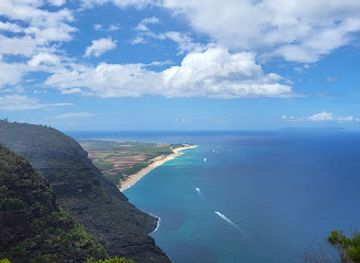
Polihale Beach Lookout
Experience the stunning vistas of the Pacific Ocean and the Na Pali Coast at Polihale Beach Lookout, a must-see destination for nature lovers in Hawaii.
Best landmarks in Kauai
Waimea Canyon is Kauai’s defining geological landmark, a vast eroded gorge whose coloured walls and changing cloud patterns are best understood from the west-side viewpoints above Waimea. The Nā Pali Coast forms another iconic edge of the island, where sharply folded cliffs descend towards the Pacific; its scale is especially apparent from permitted viewpoints, authorised boat trips or the Kalalau Trail. The Wailua River is a significant natural and cultural landmark, linking the central mountains with the east coast and a landscape associated with important Hawaiian traditions. Kīlauea Point, topped by its historic lighthouse, marks the northern coastline and overlooks seabird habitat. Hanalei Bay, bordered by steep mountains and historic agricultural land, is one of Kauai’s most recognisable coastal scenes. The Kīlauea sugar plantation landscape, old churches and surviving plantation buildings around several communities provide reminders of the island’s multicultural agricultural past.
-
Historical landmark
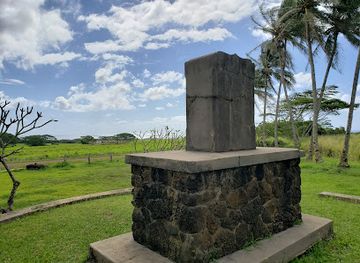
Spalding Monument
Discover the Spalding Monument on Kauai, a serene tribute to the first Christian missionaries in Hawaii, offering a reflective journey into the islands' complex history and cultural exchange.
Explore Kauai on the map
Plan your trip on one map. See where the top cities, national parks and sights are, and book hotels and experiences in a few clicks.
Best hotels in Kauai
Best restaurants in Kauai
Kauai’s food culture combines Native Hawaiian traditions with the culinary influences brought by plantation communities from Asia, Portugal and elsewhere. Look for poi and other taro-based foods, laulau, kalua-style preparations, fresh fish, poke, plate lunches, saimin, malasadas and shave ice, while recognising that recipes and identities vary between establishments. Tropical fruit, coffee, honey, vegetables and taro are sold through farmers’ markets, roadside stands and local shops. Līhuʻe, Kapaʻa, Hanalei and Poʻipū offer the broadest concentration of restaurants, cafés and food trucks, while rural districts may have fewer evening options. Coastal dining often focuses on seafood, but locally sourced claims should be checked rather than assumed. Reservations can be useful in resort areas and during busy periods, although casual food trucks and markets provide some of the island’s most accessible ways to sample local flavours.
-
Hawaiian
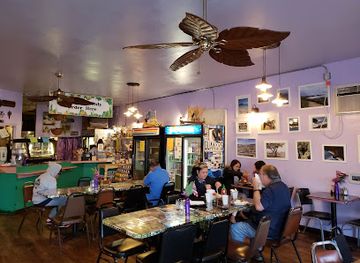
Kauai Family Restaurant
Experience authentic Hawaiian cuisine at Kauai Family Restaurant in Seattle, featuring fresh poke bowls and traditional island favorites.
Best nightclubs in Kauai
Kauai’s evening life is comparatively relaxed and concentrated in Līhuʻe, Kapaʻa, Hanalei and the south-shore resort area rather than in a large nightclub district. Traditional bars, hotel lounges, breweries, cocktail spots and restaurants provide most of the nightlife, with occasional live music and community events adding variety. Hanalei and Kapaʻa are suitable for an evening of casual dining and drinks, while Poʻipū has resort-based venues and sunset-oriented restaurants. In smaller west-coast and rural communities, options may be limited and distances make taxis or a designated driver important. Night-time driving requires particular care on unfamiliar, winding roads. Visitors should check current venue arrangements locally, as opening patterns and entertainment programmes can change.
-
Island Mindz Entertainment
Experience vibrant music and unforgettable events with Island Mindz Entertainment, your premier DJ service for any occasion.

Best shops in Kauai
Shopping on Kauai is centred on local communities rather than large urban retail districts. Līhuʻe and Kapaʻa provide the broadest selection of everyday shops, galleries, clothing, books and practical supplies, while Hanalei and Poʻipū have boutiques, art spaces and resort-oriented retail. Farmers’ markets are useful for tropical fruit, vegetables, baked goods, flowers and prepared food, although locations and days can vary. Look for locally made jewellery, woodwork, ceramics, prints, textiles and natural-body products, checking labels to distinguish genuinely island-made work from imported souvenirs. Regional food products such as coffee, macadamia nuts, honey, preserves and chocolate travel well when packed appropriately. Respectful purchasing supports independent makers, but visitors should not remove rocks, sand, shells, plants or cultural objects from beaches, forests or historic sites.
-
Boutique
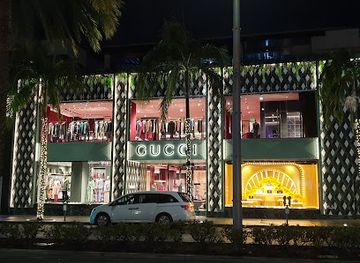
Gucci
Discover luxury and elegance at Gucci's iconic boutique on Rodeo Drive, Beverly Hills, where fashion dreams come true.
-
Boutique
West Kauai Sun
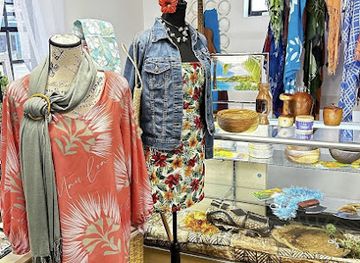
Explore the vibrant boutique of West Kauai Sun in Fallbrook, where Hawaiian charm meets unique shopping experiences.
Get your free copy of our complete guide to Kauai, delivered straight to you.
Everything on this page, from attractions and restaurants to essentials and local phrases, in one PDF you can read offline, print or share.
Already have an account? Sign in
Your Kauai guide is ready.
We'll send it to · Not you? Sign out

Getting your guide ready…
We are putting together a fresh copy of the Kauai guide. This can take up to a minute.
This can take a few moments. If your browser asks, choose Allow so the download can start. You'll find the guide in your Downloads folder.
Nothing happened? Download it again
Sorry, the guide is taking longer than usual. Please try again in a minute, or get it by email instead.
Kauai essentials
Currency and Payment
Safety
Emergency Situations
Do's and Don'ts
Local Tips
From Eve
Local phrases worth knowing
You don't need to get them perfect. A few words go a long way, and locals appreciate the effort.
Basics
| English | Local | Say it |
|---|---|---|
| Hello | Aloha | [ah-loh-hah] |
| Goodbye | A hui hou | [ah hoo-ee ho] |
| Yes | Ae | [ah-eh] |
| No | Aole | [ah-oh-leh] |
| Please/You're welcome | E kala mai | [eh kah-lah my] |
| Thank you | Mahalo | [mah-hah-loh] |
| Excuse me/Sorry | E kala mai | [eh kah-lah my] |
| How are you? | Pehea oe? | [peh-heh-ah oh-eh] |
| Fine. And you? | Maika'i. A oe? | [my-kah-ee. ah oh-eh] |
| Do you speak English? | Kau ka ʻōlelo Pelekania? | [kau kah oh-leh-loh peh-leh-kah-nee-ah] |
| I don't understand | Aʻole au e ʻike | [ah-oh-leh ow eh ee-keh] |
Eating & Drinking
| English | Local | Say it |
|---|---|---|
| I'd like to see the menu, please | E ʻoluʻolu e hōʻike i ke koho, please | [eh oh-loo-oh-loo eh ho-ikee ee keh koh-hoh, please] |
| I don't eat meat | Aʻole au e ʻai i ka mea ʻai | [ah-oh-leh ow eh eye ee kah meh-ah eye] |
| Cheers! | Ono! | [oh-noh] |
| I would like to pay, please | E ʻoluʻolu e uku, please | [eh oh-loo-oh-loo eh oo-koo, please] |
Emergencies
| English | Local | Say it |
|---|---|---|
| Help! | Kōkua! | [koh-koo-ah] |
| Go away! | E hele aku! | [eh heh-leh ah-koo] |
| Call the Police! | Kipa i ka pūerto! | [kee-pah ee kah poo-eh-toe] |
| Call a doctor! | Kipa i ka dokita! | [kee-pah ee kah doh-kee-tah] |
| I'm lost | Aia au i loko | [ah-ee-ah ow ee loh-koh] |
| I'm ill | E ʻaʻahu ana au | [eh ah-ah-hoo ah-nah ow] |
Shopping
| English | Local | Say it |
|---|---|---|
| I'd like to buy... | E makemake au e kūʻai... | [eh mah-kah-meh ow eh koo-eye...] |
| I'm just looking | Ke nānā wale au | [keh nah-nah vah-leh ow] |
| How much is it? | Ehia ka mea? | [eh-hee-ah kah meh-ah?] |
| That's too expensive | O nā mea ʻoi aʻe ke kumu | [oh nah meh-ah oy ah-eh keh koo-moo] |
| Can you lower the price? | E hiki anei ke hōʻemi i ke kumukūʻai? | [eh hee-kee ah-neh keh hoh-eh-mee ee keh koo-moo-koo-eye?] |
Time & Numbers
| English | Local | Say it |
|---|---|---|
| What time is it? | He aha ka hora? | [heh ah-hah kah hoh-rah?] |
| It's one o'clock | O ka hola ʻekahi | [oh kah hoh-lah eh-kah-hee] |
| Half past (10) | Kāpena i ka hola ʻumi | [kah-peh-nah ee kah hoh-lah oo-mee] |
| Morning | Kau wela | [kau weh-lah] |
| Afternoon | Kau ahiahi | [kau ah-hee-ah-hee] |
| Evening | Kau pō | [kau poh] |
| Yesterday | I nehinei | [ee neh-hee-neh] |
| Today | I kēia lā | [ee keh-ee-ah lah] |
| Tomorrow | I ka lā ʻapōpō | [ee kah lah ah-poh-poh] |
| 1 | Kahi | [kah-hee] |
| 2 | Elua | [eh-loo-ah] |
| 3 | Ekolu | [eh-koh-loo] |
| 4 | Eha | [eh-hah] |
| 5 | Elima | [eh-lee-mah] |
| 6 | Eono | [eh-oh-noh] |
| 7 | Eha | [eh-hah] |
| 8 | Ewalu | [eh-wah-loo] |
| 9 | Eiwa | [eh-ee-vah] |
| 10 | Lima | [lee-mah] |
Transport & Directions
| English | Local | Say it |
|---|---|---|
| Where's a/the...? | Aia i hea ka ...? | [ah-ee-ah ee heh-ah kah ...?] |
| What's the address? | He aha ka ʻīpuka? | [heh ah-hah kah ee-poo-kah?] |
| Can you show me (on the map)? | E hiki anei e hōʻike mai iaʻu (ma ke kaula)? | [eh hee-kee ah-neh eh ho-ikee my ee-ah-oo (mah keh kah-oo-lah)?] |
| When's the next (bus)? | Kāhea ka ʻāina ʻelima? | [kah-heh-ah kah ah-ee-nah eh-lee-mah?] |
| A ticket (to ....) | He pepa (i ...) | [heh peh-pah (ee ...)] |
History of Kauai
Polynesian Settlement and Early Hawaiian Society
Polynesian voyagers settled Kauai centuries before European contact, developing communities adapted to its valleys, rivers and coastal resources. The ahupuaʻa system connected mountain forests with cultivated lowlands and the sea, allowing communities to manage water, food and land across ecological zones. Wetland taro cultivation was particularly important in places such as Hanalei and Wailua. Heiau, traditional trails, agricultural terraces and enduring place names provide evidence of a sophisticated society whose history continues in contemporary Native Hawaiian cultural practice.
European Contact at Waimea, 1778
Captain James Cook reached the Hawaiian Islands in 1778 and anchored near Waimea on Kauai’s southwest coast. His arrival began sustained European contact, bringing new goods, technologies, diseases and political pressures to the islands. Waimea is therefore an important place in the early recorded history of Hawaii, although the encounter should be understood within the much longer history of Native Hawaiian settlement that preceded it. The west-coast landscape still provides a geographical setting for considering this major turning point.
Kauai, Kaumualiʻi and the Unification of Hawaii
Kauai remained an independent kingdom under King Kaumualiʻi while Kamehameha I united most of the Hawaiian Islands during the late eighteenth and early nineteenth centuries. Kamehameha attempted invasions of Kauai, but the island was not conquered militarily. In 1810, Kaumualiʻi accepted incorporation into Kamehameha’s kingdom through a political agreement, bringing Kauai into the unified Hawaiian kingdom. This episode is central to the island’s political history and helps explain its distinct place in the story of Hawaiian state formation.
Missionaries, Christianity and Social Change
Christian missionaries arrived in Kauai during the nineteenth century, contributing to major changes in religion, education, literacy and government. Traditional Hawaiian institutions were challenged and reshaped as new laws and economic systems developed. Churches and historic settlements across the island reflect this period, but the transformation was not simply cultural replacement: Native Hawaiian language, land knowledge and social continuity persisted despite profound disruption. The nineteenth century also brought expanding commercial agriculture and new international connections.
Plantations and Immigration in the Nineteenth and Twentieth Centuries
Sugar cultivation became a dominant force in Kauai’s economy, especially from the late nineteenth century into the twentieth. Plantations altered landscapes through irrigation systems, roads and processing facilities, while workers arrived from China, Japan, the Philippines, Portugal and elsewhere. Their communities shaped Kauai’s food, language, religious life and social history. Remnants of plantation towns and agricultural infrastructure remain visible around the island, although sugar production declined sharply in the late twentieth century and no longer defines Kauai’s economy as it once did.
Statehood, Conservation and the Growth of Tourism
Hawaii became the fiftieth state of the United States in 1959, after decades of territorial administration and major economic change. Improved air access helped tourism expand on Kauai, while state parks, forest reserves and wildlife refuges brought increasing attention to the island’s natural environments. Tourism provided employment and investment but also intensified questions about housing, water, traffic, cultural access and environmental pressure. Contemporary Kauai continues to balance visitor demand with conservation and the needs of permanent communities.
Hurricane Iniki and Contemporary Resilience
Hurricane Iniki struck Kauai in September 1992 as one of the most destructive storms in Hawaii’s recorded history. Homes, infrastructure, agriculture and tourist facilities suffered extensive damage, and recovery reshaped the island for years afterwards. The hurricane remains part of local memory and illustrates Kauai’s exposure to powerful weather systems. Today, emergency preparation, resilient infrastructure and attention to weather forecasts are particularly relevant for visitors exploring remote coastlines, mountain roads and areas vulnerable to flooding.
Kauai in Photos
Browse through our photo collection highlighting the charm and character of the destination.
Neighbouring regions of Kauai
The closest regions to Kauai, if you have time for more than one.
-

-

-

-

-


Swipe for more regions
Explore more
Explore more of Hawaii
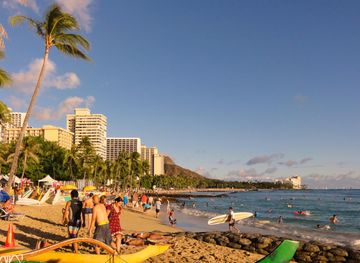
Discover the tropical paradise of Hawaii, where pristine beaches, lush landscapes, and rich Polynesian culture create an unforgettable vacation experience.
Explore Hawaii