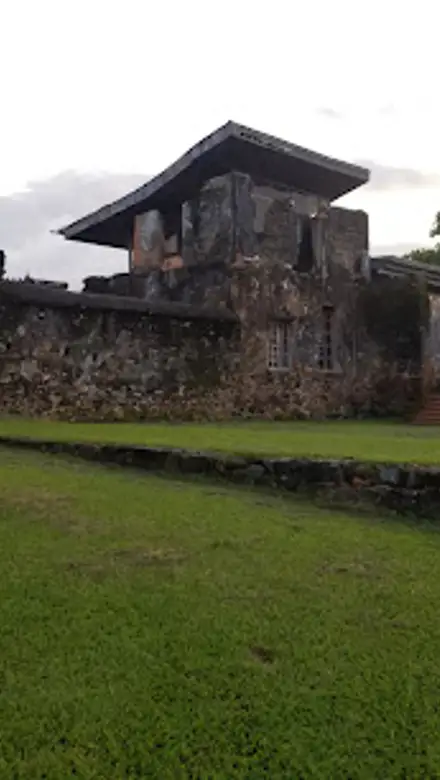
FORTALEZA DE SANTA BÁRBARA ( EDIFICIO COLONIAL) Travel Guide
Free Guide: Explore Fortaleza de Santa Bárbara in Trujillo, Honduras: a historic fortress offering panoramic views and a glimpse into the region's rich colonial past and cultural heritage.


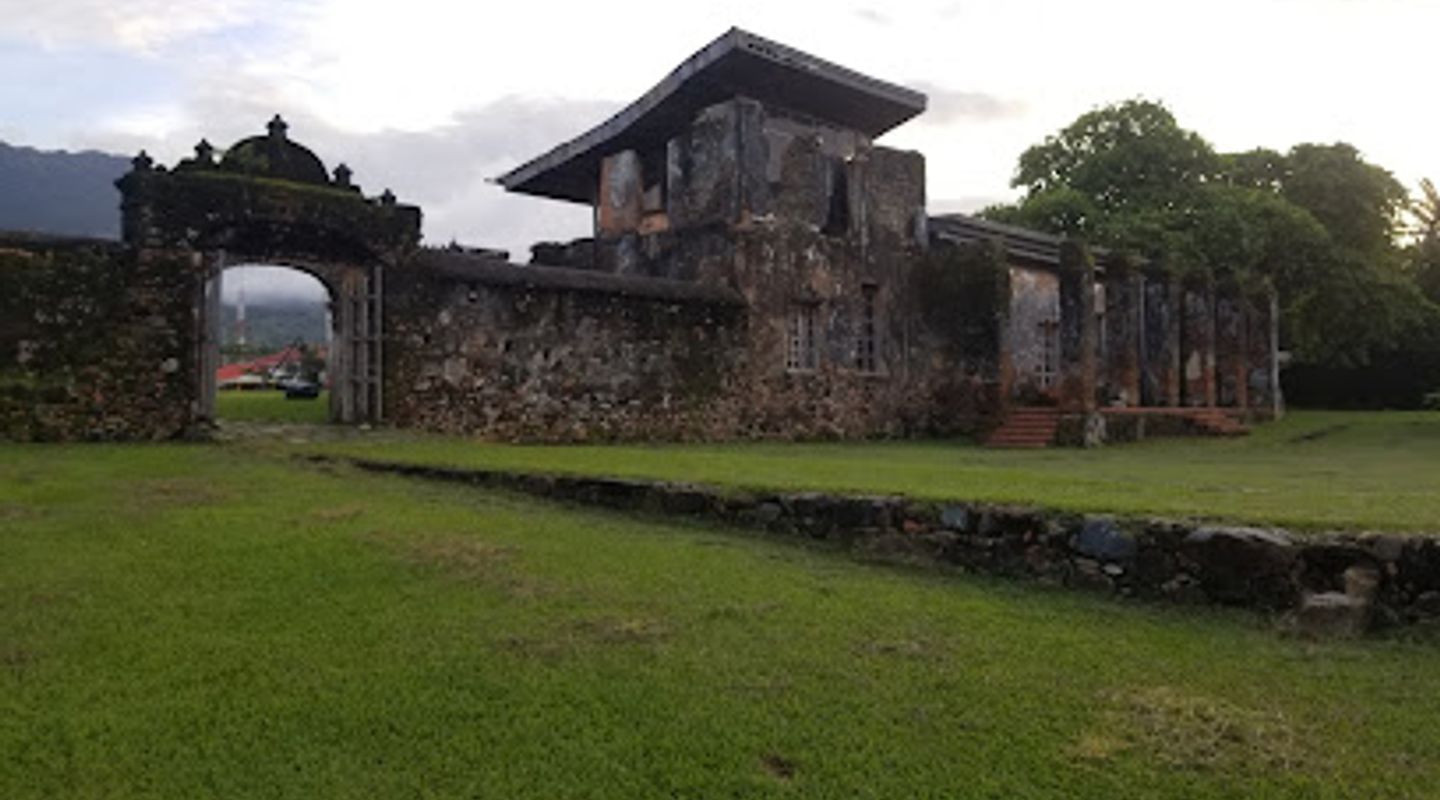
A brief summary of FORTALEZA DE SANTA BÁRBARA ( EDIFICIO COLONIAL)
Explore Fortaleza de Santa Bárbara in Trujillo, Honduras: a historic fortress offering panoramic views and a glimpse into the region's rich colonial past and cultural heritage.
The Fortaleza de Santa Bárbara, or Santa Bárbara Fortress, stands as a proud sentinel overlooking Trujillo Bay, a testament to Honduras's rich colonial past. Constructed in the mid-16th century by the Spanish, the fortress served as a crucial defense against pirates and rival European powers vying for control of the Caribbean coast. Today, it's a captivating historical landmark offering panoramic views, a glimpse into colonial life, and a poignant reminder of the struggles that shaped the region. Explore its well-preserved ramparts, wander through its museum, and imagine the lives of the soldiers and settlers who once sought refuge within its sturdy walls. The fortress is more than just stones and cannons; it's a window into a pivotal era in Honduran history, offering visitors a tangible connection to the past and a deeper understanding of the region's cultural heritage. A visit here is a must for history buffs and anyone seeking to experience the authentic charm of Trujillo.
Opening hours
- Every day9 am–5 pm
Opening hours as listed on the venue’s Google Business Profile. Hours can change for services and special events, so check with the venue before you go.
- Address
- W2CX+C33, Trujillo, Colón
- Phone
Getting there
Walking
Taxi/Ride-Share
Discover more about FORTALEZA DE SANTA BÁRBARA ( EDIFICIO COLONIAL)
Overview
The Fortaleza de Santa Bárbara, also known as 'El Castillo,' is a captivating historical landmark nestled in the heart of Trujillo, Honduras. This imposing fortress, dating back to the 16th century, stands as a silent witness to the region's tumultuous colonial history, offering visitors a unique opportunity to step back in time and immerse themselves in the stories of conquest, piracy, and resilience. Constructed by the Spanish conquistadors around 1550, the Fortaleza de Santa Bárbara was strategically positioned on a hilltop overlooking Trujillo Bay, providing a commanding view of the Caribbean Sea. Its primary purpose was to protect the Spanish settlement from the frequent attacks by pirates, corsairs, and rival European powers, such as the French and English, who sought to plunder the region's wealth. The fortress was named in honor of Saint Barbara, the patron saint of artillerymen, reflecting its crucial role in defending the Spanish colony. The fortress's architecture is a testament to Spanish military engineering of the era. Its sturdy stone walls, imposing ramparts, and strategically placed cannons were designed to withstand prolonged sieges and repel enemy attacks. Visitors can explore the various sections of the fortress, including the main courtyard, the officers' quarters, the armory, and the powder magazine, gaining insight into the daily lives of the soldiers who were stationed there. Over the centuries, the Fortaleza de Santa Bárbara played a significant role in the history of Trujillo and Honduras. It served as a military garrison, a prison, and a refuge for the local population during times of conflict. The fortress witnessed numerous battles and sieges, as various factions fought for control of the region. One of the most notable events in the fortress's history was the capture and execution of William Walker, an American filibuster who attempted to establish a colony in Central America in the mid-19th century. Walker was captured near Trujillo in 1860 and was subsequently executed by a firing squad at the fortress, marking the end of his ambitions in the region. His tomb is located nearby, adding another layer of historical significance to the site. Today, the Fortaleza de Santa Bárbara stands as a museum and a historical monument, attracting visitors from around the world. The museum houses a collection of artifacts, exhibits, and displays that tell the story of the fortress and the region's colonial past. Visitors can learn about the history of Trujillo, the Spanish conquest, the pirate attacks, and the lives of the people who lived and worked at the fortress. The exhibits also showcase the cultural heritage of the region, highlighting the contributions of the indigenous peoples, the Spanish settlers, and the African slaves who shaped the identity of Honduras. In addition to its historical significance, the Fortaleza de Santa Bárbara offers stunning panoramic views of Trujillo Bay and the surrounding landscape. From the fortress's ramparts, visitors can admire the turquoise waters of the Caribbean Sea, the lush green hills, and the charming town of Trujillo. The views are particularly breathtaking at sunset, when the sky is painted with vibrant colors, creating a truly unforgettable experience. The Fortaleza de Santa Bárbara is more than just a historical site; it's a living testament to the resilience and cultural richness of Honduras. It's a place where visitors can connect with the past, learn about the struggles and triumphs of the people who came before them, and appreciate the beauty and diversity of the region. A visit to the Fortaleza de Santa Bárbara is an essential part of any trip to Trujillo, offering a unique and enriching experience that will leave a lasting impression. The fortress is open daily from 9:00 AM to 5:00 PM, allowing ample time for exploration and learning. Guided tours are available, providing deeper insights into the fortress's history and the events that shaped Trujillo. The entrance fee is minimal, making it an accessible attraction for all travelers. As you wander through the fortress, take a moment to appreciate the intricate architecture that showcases a blend of Spanish design and local influences. The spacious courtyards and sturdy stone walls provide a serene setting for reflection and photography. The site is open daily from 9 AM to 5 PM, allowing ample time for exploration and learning. Visiting the Fortaleza de Santa Bárbara is not just about witnessing a historical site; it's about connecting with the past and appreciating the resilience of the local culture. Make sure to allocate enough time to soak in the views and the atmosphere, as this location is a true gem for history buffs and casual travelers alike. Trujillo itself is a charming town with a rich history and a vibrant culture. Visitors can explore the town's colonial architecture, visit the local markets, sample the delicious Honduran cuisine, and interact with the friendly locals. The town is also a gateway to some of the region's natural attractions, including the Capiro and Calentura National Park, the Guaimoreto Lagoon, and the pristine beaches of the Caribbean coast. Whether you're interested in history, culture, nature, or simply relaxing on the beach, Trujillo has something to offer everyone. The Fortaleza de Santa Bárbara stands as a reminder of the past, a symbol of resilience, and a testament to the enduring spirit of the Honduran people. It is a place where history comes alive, where visitors can connect with the past, and where the beauty and diversity of Honduras can be fully appreciated.
Evendo Review Centre
 Google
Guest reviews
Explore FORTALEZA DE SANTA BÁRBARA ( EDIFICIO COLONIAL) on the map
A handpicked selection of must-see spots near FORTALEZA DE SANTA BÁRBARA ( EDIFICIO COLONIAL), mapped for you.
Get your free copy of our complete guide to FORTALEZA DE SANTA BÁRBARA ( EDIFICIO COLONIAL), delivered straight to you.
Everything on this page, from opening hours and how to get there to Eve’s tips and the best time to go, in one PDF you can read offline, print or share.
Already have an account? Sign in
Your FORTALEZA DE SANTA BÁRBARA ( EDIFICIO COLONIAL) guide is ready.
We'll send it to · Not you? Sign out

Getting your guide ready…
We are putting together a fresh copy of the FORTALEZA DE SANTA BÁRBARA ( EDIFICIO COLONIAL) guide. This can take up to a minute.
This can take a few moments. If your browser asks, choose Allow so the download can start. You'll find the guide in your Downloads folder.
Nothing happened? Download it again
Sorry, the guide is taking longer than usual. Please try again in a minute, or get it by email instead.
Other nearby places you may find interesting
The closest places of the same kind, if this one is not quite what you had in mind.
-
-
-
-

-


Swipe for more places
More to explore near FORTALEZA DE SANTA BÁRBARA ( EDIFICIO COLONIAL)
-
 Best experiences near FORTALEZA DE SANTA BÁRBARA ( EDIFICIO COLONIAL)
-
 Best hotels near FORTALEZA DE SANTA BÁRBARA ( EDIFICIO COLONIAL)
-
 Best landmarks near FORTALEZA DE SANTA BÁRBARA ( EDIFICIO COLONIAL)
-
 Best attractions near FORTALEZA DE SANTA BÁRBARA ( EDIFICIO COLONIAL)
-
 Best shops near FORTALEZA DE SANTA BÁRBARA ( EDIFICIO COLONIAL)
-
 Best restaurants near FORTALEZA DE SANTA BÁRBARA ( EDIFICIO COLONIAL)
-
 Best bars near FORTALEZA DE SANTA BÁRBARA ( EDIFICIO COLONIAL)


Do you manage this location?
Take control to get all the benefits, like improved information, better appearance, and stronger visibility across AI-powered discovery.
Explore more
Explore more of Central Highlands
Discover the Central Highlands of Honduras: A land of lush mountains, colonial history, and vibrant culture, perfect for nature lovers and history enthusiasts.
Explore Central Highlands
Explore more of Honduras
Discover Honduras: From ancient Maya ruins and vibrant cities to stunning beaches and lush rainforests, this Central American gem offers something for every traveler.
Explore Honduras