

Free Central Highlands Travel Guide & Mobile App
Explore Central Highlands with free travel guides. Discover regional history, expert tips, proposed trips, and audio guides on web or mobile app.


Explore Central Highlands Honduras for colonial Comayagua, Tegucigalpa's historic hills, pine forests, cloud trails and cool mountain towns.
Read more about Central Highlands
When is the best time to visit Central Highlands?
Best: January–March · 24–26°C| Month | High (°C) | Rainfall (mm) |
|---|---|---|
| January (best) | 24 | 20 |
| February (best) | 25 | 30 |
| March (best) | 26 | 40 |
| April | 27 | 50 |
| May | 28 | 60 |
| June | 29 | 70 |
| July | 29 | 80 |
| August | 29 | 90 |
| September | 28 | 100 |
| October | 27 | 110 |
| November | 26 | 120 |
| December | 25 | 130 |
Getting to and around Central Highlands
How to get there
Transportation
Top city travel guides in Central Highlands
The cities of Central Highlands, and the easiest places to base yourself.
-

-

-

-

-


Swipe for more cities
Destinations in Central Highlands
Resorts, valleys and scenic spots worth a trip of their own.
-

-

-
-


Swipe for more destinations
Best attractions in Central Highlands
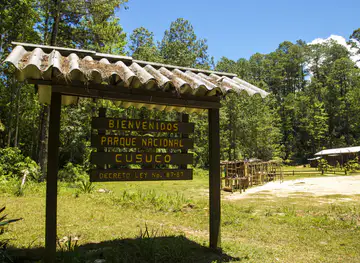
The Central Highlands offer a varied combination of urban culture, colonial heritage and accessible mountain nature. In Tegucigalpa, museums, churches, civic buildings and viewpoints reveal the capital's mining and republican history, while El Picacho and La Tigra National Park provide wooded recreation and cooler upland scenery nearby. The forest reserve is especially important for its cloud-forest habitats and role in protecting water sources, with access best planned around current trail conditions. Valle de Ángeles and Santa Lucía bring together traditional town settings, craft shops, cafés and mountain walks, making them practical excursions from the capital. Comayagua provides the region's strongest concentration of colonial architecture, including its cathedral, plazas and historic churches. Around the cities, agricultural valleys and pine ridges support scenic drives, birdwatching, photography and short walks, although rural attractions are often dispersed and lack frequent public transport. The region is therefore less about a single headline attraction than about moving between historic urban centres and highland landscapes at a manageable pace.
-
Tourist attraction
Basílica de Nuestra Señora de Suyapa
Explore the stunning Basílica de Nuestra Señora de Suyapa, a national landmark in Tegucigalpa known for its breathtaking architecture and rich cultural significance.
-
Tourist attraction
La Leona Park
Discover the natural beauty and vibrant atmosphere of La Leona Park, a must-visit urban oasis in Tegucigalpa, Honduras.
-
Tourist attraction
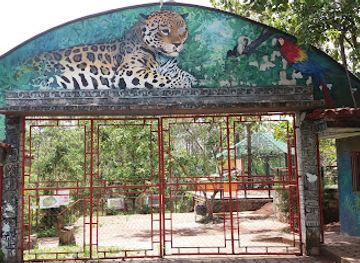
Metropolitan Zoo Rosy Walther
Explore the enchanting Metropolitan Zoo Rosy Walther in Tegucigalpa, a vibrant attraction celebrating wildlife and conservation efforts for all ages.
-
Tourist attraction
Christ of the Picacho
Discover the breathtaking Christ of the Picacho, a towering statue offering stunning views and a serene atmosphere in Tegucigalpa, Honduras.

Best landmarks in Central Highlands
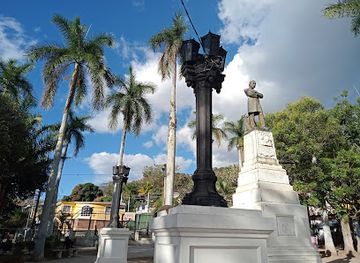
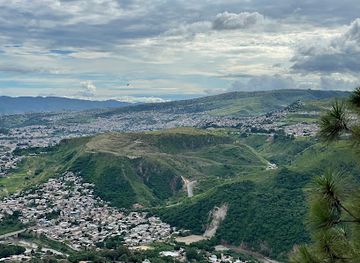
The Cathedral of the Immaculate Conception in Comayagua is the region's most important colonial landmark, facing the city's central plaza and representing the former capital's religious and administrative prominence. Comayagua's surrounding churches, civic buildings and patterned streets form a coherent historic setting rather than a collection of isolated monuments. In Tegucigalpa, the Basilica of Suyapa is a major modern religious landmark and an important pilgrimage destination, while the Cathedral of Saint Michael the Archangel anchors the old centre with its colonial-era presence. The capital's steep hills and dense urban valleys are themselves defining geographic features, best understood from elevated viewpoints such as El Picacho. Outside the cities, the pine ridges and cloud forests of La Tigra National Park provide a natural counterpoint to built heritage, with protected watersheds and highland vegetation shaping the region's identity. The tiled roofs, church towers and wooded slopes of Valle de Ángeles and Santa Lucía are less monumental but visually characteristic of the accessible mountain belt around the capital.
-
National park
Parque El Picacho
Experience the breathtaking beauty and tranquility of Parque El Picacho, a must-visit national park in Tegucigalpa offering stunning views and diverse wildlife.
-
 Tourist attraction
Cataratas Pulhapanzak
Explore the breathtaking Cataratas Pulhapanzak in Honduras, a paradise of waterfalls, lush landscapes, and adventure waiting for you.
-
Museum
Fortaleza de San Fernando
Explore the Fortaleza de San Fernando in Omoa, Honduras: a historic Spanish fortress offering stunning architecture, rich colonial history, and panoramic Caribbean Sea views.
-
Tourist attraction
Aguas Termales Presidente
Discover the healing power of nature at Aguas Termales Presidente, Honduras' premier thermal springs in the heart of Lempira.
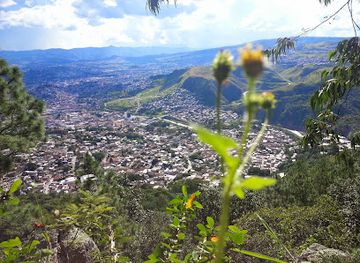
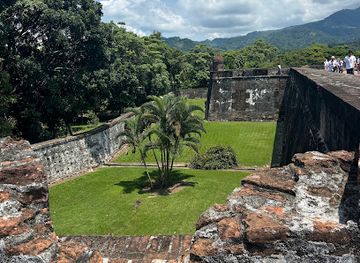
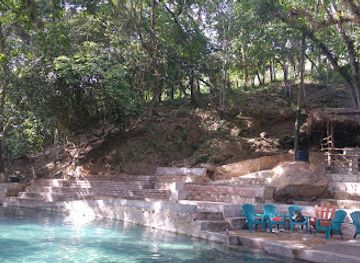
Explore Central Highlands on the map
Plan your trip on one map. See where the top cities, national parks and sights are, and book hotels and experiences in a few clicks.
Best hotels in Central Highlands
Best restaurants in Central Highlands
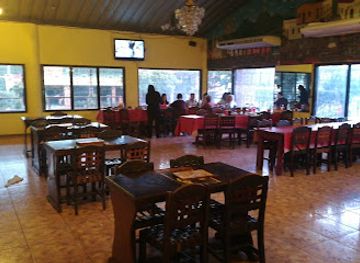
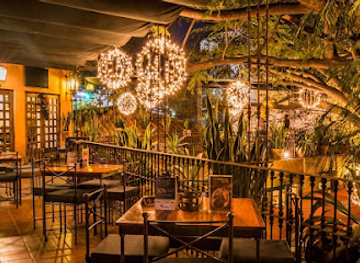
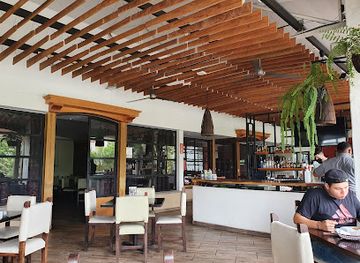
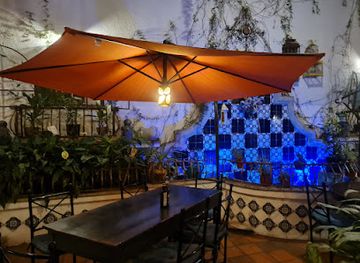
Dining in the Central Highlands is rooted in Honduran home cooking and the produce of inland valleys and mountain farms. Expect beans, rice, tortillas, plantain, eggs, grilled meats and soups, with regional menus often adding fresh vegetables, cheese, cream and other dairy products from upland agriculture. Baleadas and other familiar Honduran staples are widely available, while Comayagua and Tegucigalpa offer more varied restaurants serving international food alongside traditional dishes. Coffee is an important part of the agricultural and social landscape, and cafés in the capital, colonial towns and mountain communities commonly serve locally grown brews. Markets and small comedores provide inexpensive, direct introductions to everyday food, whereas hotel restaurants and newer urban venues offer more polished settings. Valle de Ángeles and Santa Lucía are associated with casual dining and weekend outings, while Comayagua's historic centre suits a slower meal between visits to its churches and plazas. Menus and opening arrangements can be less predictable outside the main towns, so rural journeys benefit from carrying water and a small snack.
-
Honduran
El Patio
Experience authentic Honduran cuisine at El Patio in Tegucigalpa – where every dish tells a story of rich flavors and tradition.
-
Restaurant
Hacienda Real Honduras
Experience authentic Latin American cuisine at Hacienda Real in Tegucigalpa – where exquisite flavors meet warm hospitality.
-
Restaurant
NiFu NiFa
Experience the vibrant flavors of Honduras at NiFu NiFa – where tradition meets innovation in every dish.
-
Restaurant
Il Padrino Ristorante
Experience authentic Italian cuisine at Il Padrino Ristorante in Tegucigalpa - where every meal is a celebration of flavor.
Best bars in Central Highlands
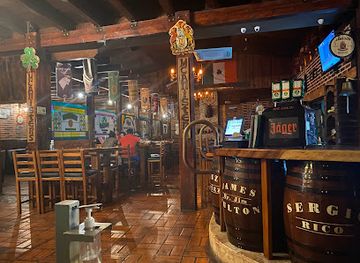
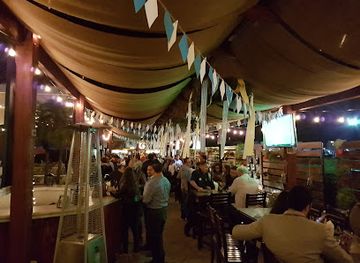
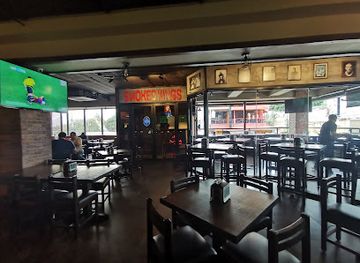
Evening life is concentrated in Tegucigalpa, where restaurants, hotel lounges, bars and live-music venues serve different districts and audiences. The capital has the broadest choice of contemporary nightlife, but visitors should use arranged transport and take local advice about routes after dark rather than wandering between unfamiliar areas. Comayagua offers a quieter evening scene centred on restaurants, cafés, traditional bars and occasional cultural programming near the historic centre. Valle de Ángeles and Santa Lucía are more associated with daytime and weekend visits, although some establishments remain open for relaxed meals and drinks. In smaller highland settlements, social life generally revolves around family restaurants, neighbourhood cafés and traditional Honduran pubs rather than large clubs. Craft beer, rum-based drinks and coffee are available alongside soft drinks, and experiencing the region does not depend on alcohol. Opening days and late-night services can vary, particularly outside Tegucigalpa, so plan the return journey before settling in for the evening.
-
Irish pub
Mc Allister's Irish Pub
Discover the vibrant spirit of Ireland at Mc Allister's Irish Pub in Tegucigalpa, where delicious food and lively atmosphere await.
-
Bar
Beer Garden Clarion
Experience the vibrant atmosphere of Beer Garden Clarion in Tegucigalpa, where refreshing drinks and lively gatherings await in a beautiful garden setting.
-
Restaurant
RadioHouse
Experience the culinary delights of Tegucigalpa at RadioHouse, a vibrant restaurant offering a mix of traditional and modern Honduran cuisine.
-
Restaurant
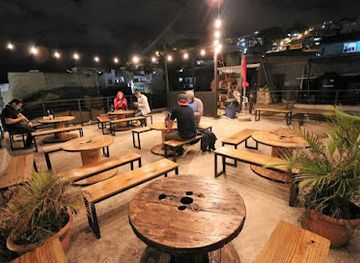
La Ronda Rooftop
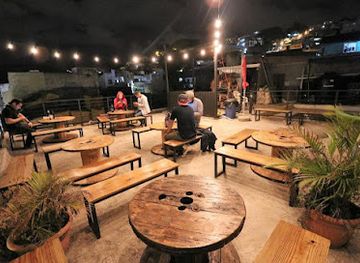
Experience stunning views and authentic cuisine at La Ronda Rooftop, the perfect dining destination in Tegucigalpa's vibrant Barrio La Ronda.
Best nightclubs in Central Highlands
Evening life is concentrated in Tegucigalpa, where restaurants, hotel lounges, bars and live-music venues serve different districts and audiences. The capital has the broadest choice of contemporary nightlife, but visitors should use arranged transport and take local advice about routes after dark rather than wandering between unfamiliar areas. Comayagua offers a quieter evening scene centred on restaurants, cafés, traditional bars and occasional cultural programming near the historic centre. Valle de Ángeles and Santa Lucía are more associated with daytime and weekend visits, although some establishments remain open for relaxed meals and drinks. In smaller highland settlements, social life generally revolves around family restaurants, neighbourhood cafés and traditional Honduran pubs rather than large clubs. Craft beer, rum-based drinks and coffee are available alongside soft drinks, and experiencing the region does not depend on alcohol. Opening days and late-night services can vary, particularly outside Tegucigalpa, so plan the return journey before settling in for the evening.
-
Restaurant
RadioHouse
Experience the rich culinary tapestry of Tegucigalpa at RadioHouse, where local ingredients meet timeless flavors in a warm atmosphere.
-
Bar
La Ronda Rooftop
Discover a rooftop paradise in Tegucigalpa with panoramic views, delicious cuisine, and a vibrant atmosphere at La Ronda Rooftop.
-
Bar
Indie Lounge
Discover the vibrant nightlife at Indie Lounge, Tegucigalpa's premier bar with live music and creative cocktails in a lively atmosphere.
-
Night club
Club BCIE
Dive into the vibrant nightlife of Tegucigalpa at Club BCIE, where music, dance, and affordability create an unforgettable experience.


Best shops in Central Highlands
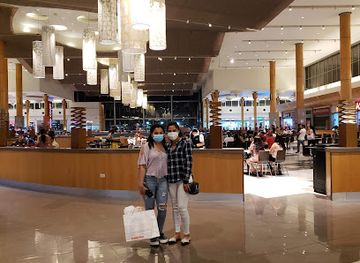
Shopping in the Central Highlands ranges from Tegucigalpa's modern commercial areas and independent boutiques to the market stalls, small food shops and craft outlets of Comayagua, Valle de Ángeles and Santa Lucía. Visitors can look for Honduran coffee, locally made sweets, pottery, woven goods, woodwork, leather items and decorative handicrafts, although quality and provenance vary and fixed prices are common in more formal shops. Valle de Ángeles is particularly associated with craft-oriented day trips, while the smaller mountain towns around the capital offer modest selections rather than extensive retail districts. Comayagua's central streets are useful for combining locally produced food and souvenirs with historic sightseeing. Tegucigalpa provides the greatest choice for books, clothing, art, practical travel supplies and regional products from across Honduras. Markets are often the best places to see everyday commerce, but visitors should ask permission before photographing vendors or stalls and should carry small lempira notes for inexpensive purchases.
-
Shopping mall
City Mall
Explore City Mall in Tegucigalpa for a delightful shopping experience with diverse brands, delicious food, and vibrant local culture.
-
Shopping mall
Multiplaza
Experience the best of Tegucigalpa at Multiplaza – a shopping haven featuring diverse retail, dining, and entertainment options for every visitor.
-
Shopping mall
Mall Galerías del Valle
Discover the ultimate shopping experience at Mall Galerías del Valle in San Pedro Sula, featuring top brands, delicious dining, and exciting entertainment.
-
Shopping mall
CityMall San Pedro Sula
Discover the ultimate shopping experience at CityMall San Pedro Sula, where local culture meets modern retail in a vibrant atmosphere.



Get your free copy of our complete guide to Central Highlands, delivered straight to you.
Everything on this page, from attractions and restaurants to essentials and local phrases, in one PDF you can read offline, print or share.
Already have an account? Sign in
Your Central Highlands guide is ready.
We'll send it to · Not you? Sign out

Getting your guide ready…
We are putting together a fresh copy of the Central Highlands guide. This can take up to a minute.
This can take a few moments. If your browser asks, choose Allow so the download can start. You'll find the guide in your Downloads folder.
Nothing happened? Download it again
Sorry, the guide is taking longer than usual. Please try again in a minute, or get it by email instead.
Central Highlands essentials
Currency and Payment
Safety
Emergency Situations
Do's and Don'ts
Local Tips
From Eve
Local phrases worth knowing
You don't need to get them perfect. A few words go a long way, and locals appreciate the effort.
Basics
| English | Local | Say it |
|---|---|---|
| Hello | Hola | [oh-lah] |
| Goodbye | Adiós | [ah-dee-ohs] |
| Yes | Sí | [see] |
| No | No | [noh] |
| Please/You're welcome | Por favor | [por fah-vor] |
| Thank you | Gracias | [grah-see-ahs] |
| Excuse me/Sorry | Perdón | [pehr-dohn] |
| How are you? | ¿Cómo estás? | [koh-moh ehs-tahs] |
| Fine. And you? | Bien. ¿Y tú? | [byen. ee too] |
| Do you speak English? | ¿Hablas inglés? | [ah-blahs een-glehs] |
| I don't understand | No entiendo | [noh ehn-tyen-doh] |
Eating & Drinking
| English | Local | Say it |
|---|---|---|
| I'd like to see the menu, please | Me gustaría ver el menú, por favor | [meh goo-stah-ree-ah vehr ehl meh-noo, por fah-vor] |
| I don't eat meat | No como carne | [noh koh-moh kar-neh] |
| Cheers! | ¡Salud! | [sah-lood] |
| I would like to pay, please | Me gustaría pagar, por favor | [meh goo-stah-ree-ah pah-gar, por fah-vor] |
Emergencies
| English | Local | Say it |
|---|---|---|
| Help! | ¡Ayuda! | [ah-yoo-dah] |
| Go away! | ¡Vete! | [veh-teh] |
| Call the Police! | ¡Llama a la policía! | [yah-mah ah lah poh-lee-siah] |
| Call a doctor! | ¡Llama a un doctor! | [yah-mah ah oon dok-tor] |
| I'm lost | Estoy perdido | [es-toy pehr-dee-doh] |
| I'm ill | Estoy enfermo/a | [es-toy en-fehr-mo/a] |
Shopping
| English | Local | Say it |
|---|---|---|
| I'd like to buy... | Me gustaría comprar... | [meh goo-stah-ree-ah kom-prar] |
| I'm just looking | Solo estoy mirando | [soh-lo es-toy mee-rahn-doh] |
| How much is it? | ¿Cuánto cuesta? | [kwahn-toh kwes-tah] |
| That's too expensive | Eso es muy caro | [eh-so es moo-ee kah-roh] |
| Can you lower the price? | ¿Puedes bajar el precio? | [pweh-des bah-har ehl preh-syo] |
Time & Numbers
| English | Local | Say it |
|---|---|---|
| What time is it? | ¿Qué hora es? | [keh oh-rah es] |
| It's one o'clock | Es la una | [es lah oo-nah] |
| Half past (10) | Y diez y media | [ee dyess ee meh-dee-ah] |
| Morning | Mañana | [mah-nyah-nah] |
| Afternoon | Tarde | [tar-deh] |
| Evening | Noche | [noh-cheh] |
| Yesterday | Ayer | [ah-yehr] |
| Today | Hoy | [oy] |
| Tomorrow | Mañana | [mah-nyah-nah] |
| 1 | Uno | [oo-noh] |
| 2 | Dos | [dohs] |
| 3 | Tres | [tres] |
| 4 | Cuatro | [kwah-troh] |
| 5 | Cinco | [seen-koh] |
| 6 | Seis | [says] |
| 7 | Siete | [syay-teh] |
| 8 | Ocho | [oh-choh] |
| 9 | Nueve | [nweh-beh] |
| 10 | Diez | [dyess] |
Transport & Directions
| English | Local | Say it |
|---|---|---|
| Where's a/the...? | ¿Dónde está un/una...? | [dohn-deh es-tah oon/una] |
| What's the address? | ¿Cuál es la dirección? | [kwahl es lah dee-rek-syohn] |
| Can you show me (on the map)? | ¿Puedes mostrarme (en el mapa)? | [pweh-des mos-trar-meh en ehl mah-pah] |
| When's the next (bus)? | ¿Cuándo es el próximo (autobús)? | [kwahn-doh es ehl prohk-see-mo (ow-toh-boos)] |
| A ticket (to ....) | Un boleto (a ....) | [oon boh-leh-toh ah] |
History of Central Highlands
Lenca and Other Indigenous Highland Cultures
Long before Spanish colonisation, the central and western highlands were home to Indigenous peoples including Lenca communities, whose agricultural knowledge, pottery, trading links and ceremonial traditions shaped the region. The Lenca cultural area extended across parts of present-day Honduras and El Salvador rather than following modern departmental boundaries. Many rural communities continue to express Indigenous cultural identity through craft production, farming practices and local religious traditions. Archaeological evidence and living cultural heritage both provide important context for understanding the highlands as a settled and productive landscape rather than an empty frontier.
Spanish Conquest and the Colonial Order
Spanish forces entered the Honduran interior during the sixteenth century, confronting Indigenous polities and reorganising land, labour and settlement around colonial institutions. Comayagua became a major administrative and ecclesiastical centre, while churches, plazas and civic buildings established the urban pattern still visible in its historic core. Mining, agriculture and religious authority connected the highlands to wider colonial networks. The period brought profound disruption, including disease, forced labour and the loss of Indigenous autonomy, alongside the architectural and religious traditions that remain prominent in several regional towns.
Comayagua as a Colonial Capital
Comayagua served for centuries as the capital of the Spanish province of Honduras and later retained major political and religious importance during the early republican period. Its location in a fertile valley helped connect inland settlements with routes towards the Caribbean and Pacific sides of the isthmus. The cathedral and surrounding colonial buildings reflect this former status, although the city also experienced earthquakes, fires, political change and periods of decline. Its surviving urban fabric is among the clearest physical records of Honduras's colonial administration and early state formation.
Mining and the Rise of Tegucigalpa
Silver mining helped transform Tegucigalpa from a highland settlement into a significant town during the colonial era. The surrounding mineral districts attracted labour, merchants, officials and religious institutions, creating the economic foundations of the capital's historic centre. Mining activity fluctuated over time and did not produce a continuously prosperous economy, but it left a lasting mark on the city's geography and social history. Steep streets, churches and older civic buildings now stand alongside the much larger modern capital that developed around the original mining landscape.
Independence and the Nineteenth-Century Republic
Central American independence from Spain in 1821 brought political uncertainty as the new states debated federation, sovereignty and the distribution of power. Comayagua remained Honduras's capital for much of the nineteenth century, while Tegucigalpa grew in economic and political influence. Competition between the two cities reflected wider tensions between established colonial institutions, mining interests and emerging national administration. Repeated political upheaval influenced investment and infrastructure, but also helped create the dual historical identity of the region: Comayagua as a colonial capital and Tegucigalpa as a modernising national centre.
The Capital Moves to Tegucigalpa
In 1880, during the presidency of Marco Aurelio Soto, Honduras transferred its capital from Comayagua to Tegucigalpa. The decision confirmed the latter city's growing political and economic importance and accelerated the development of government offices, roads and urban services around its hilly terrain. Comayagua retained its religious and architectural significance, while Tegucigalpa became the principal centre of national administration. The move remains one of the defining events in the region's modern history and explains the distinct roles the two cities play for visitors today.
Coffee, Roads and Contemporary Highland Change
During the twentieth century, improved roads, expanding agriculture and the growth of coffee production connected the highland interior more closely with Honduras's cities and export economy. Tegucigalpa expanded rapidly, while Comayagua and smaller mountain communities developed links to national markets. Forest loss, watershed pressure and unplanned urban growth became important environmental concerns, encouraging the creation and protection of areas such as La Tigra National Park. Today the region combines government, commerce, education, farming, tourism and craft production, with historic centres and mountain ecosystems under continuing pressure from modern development.
Central Highlands in Photos
Browse through our photo collection highlighting the charm and character of the destination.
Neighbouring regions of Central Highlands
The closest regions to Central Highlands, if you have time for more than one.
-

-

-

-

-


Swipe for more regions
Explore more

Explore more of Honduras
Discover Honduras: From ancient Maya ruins and vibrant cities to stunning beaches and lush rainforests, this Central American gem offers something for every traveler.
Explore Honduras