

Ronda Travel Guide
Free Guide: Discover the monumental Represa Hidroeléctrica Francisco Morazán (El Cajón) in Honduras: a marvel of engineering, a source of clean energy, and a stunning landscape.


A brief summary of Ronda
Discover the monumental Represa Hidroeléctrica Francisco Morazán (El Cajón) in Honduras: a marvel of engineering, a source of clean energy, and a stunning landscape.
The Represa Hidroeléctrica Francisco Morazán, also known as El Cajón, is a towering testament to Honduran engineering and a vital source of hydroelectric power. Nestled amidst the stunning landscapes of Yoro, Cortés and Comayagua, this double-arch dam not only provides a significant portion of the nation's energy but also offers breathtaking views and a glimpse into the country's commitment to sustainable energy. Visitors can marvel at the sheer scale of the dam, learn about its construction and operation, and appreciate its role in flood control and regional development. The surrounding area offers opportunities for boat tours, offering a unique perspective of the dam and its reservoir, making it a worthwhile destination for those interested in engineering, nature, and Honduran ingenuity. It's a refreshing escape from the typical tourist trail, offering an authentic insight into the country's mainland.
- Address
- Represa Hidroelectrica Francisco Morazan, Yoro
Getting there
Driving
Public Transport
Taxi/Ride-Share
Discover more about Ronda
Overview
The Represa Hidroeléctrica Francisco Morazán, more commonly known as El Cajón, stands as a monumental achievement of engineering and a crucial source of energy for Honduras. Located on the Comayagua River, straddling the departments of Yoro, Cortés, and Comayagua, this impressive double-arch dam is not only a functional power plant but also a captivating destination for those seeking to understand Honduras' commitment to sustainable energy and witness breathtaking scenery. Construction of El Cajón began in 1980 and concluded in 1985, representing a significant investment in the nation's infrastructure. The dam's design is a marvel in itself, utilizing a double-arch structure to distribute the immense pressure of the water against the canyon walls. This design makes it the largest arch dam in the Western Hemisphere and one of the tallest in the world. The dam rises to a height of 226 meters, creating a reservoir with a capacity of 5,700 million cubic meters and covering an area of 94 square kilometers. El Cajón plays a vital role in Honduras' energy sector, generating 300 megawatts of electricity, which historically supplied a significant portion of the country's power demand. The dam harnesses the power of the Humuya and Sulaco rivers, converting their flow into clean, renewable energy. Beyond electricity generation, the dam also provides crucial flood control for the Sula Valley, protecting communities and agricultural lands from devastating floods. Visiting El Cajón offers a unique opportunity to witness the scale and complexity of this engineering feat. The sheer size of the dam is awe-inspiring, and visitors can learn about the intricate systems that keep it operating safely and efficiently. The dam's construction involved engineers from around the world, including Switzerland, Italy, and Germany, showcasing a collaborative effort to bring this ambitious project to fruition. The reservoir created by the dam has also become a hub for tourism and recreation. Boat tours offer a chance to explore the vast expanse of water, providing stunning views of the surrounding mountains and the dam itself. Fishing is also a popular activity, with the lake teeming with various species of freshwater fish. The surrounding area is home to diverse flora and fauna, making it a haven for birdwatchers and nature enthusiasts. Beyond its functional and recreational aspects, El Cajón has also had a significant impact on the surrounding communities. The project led to the construction of roads, schools, and health centers, improving the quality of life for thousands of people. The dam has also spurred economic development in the region, creating jobs and opportunities in tourism and related industries. However, the construction of El Cajón was not without its challenges. The project required the relocation of approximately 4,700 people, and the dam's impact on the local ecosystem has been a subject of debate. Despite these challenges, El Cajón remains a symbol of Honduran ingenuity and a testament to the country's commitment to progress. Today, El Cajón continues to play a vital role in Honduras' energy mix, providing a reliable source of clean electricity. The dam is also a popular tourist destination, attracting visitors from around the world who come to marvel at its engineering and appreciate its stunning natural surroundings. A visit to El Cajón is an enriching experience, offering a glimpse into Honduras' past, present, and future. To fully appreciate the significance of El Cajón, it's important to understand its historical context. In the late 20th century, Honduras faced a growing demand for electricity, and the government sought to develop its vast hydroelectric potential. El Cajón was conceived as a flagship project, designed to reduce the country's reliance on imported fossil fuels and provide a stable source of power for its growing economy. The project was financed through a combination of domestic and international sources, including loans from the World Bank and other multilateral institutions. The construction process was complex and challenging, requiring the excavation of millions of cubic meters of rock and the pouring of vast amounts of concrete. The dam's double-arch design was chosen for its ability to withstand the immense pressure of the water, and its construction required the expertise of engineers from around the world. El Cajón has become more than just a power plant; it's a symbol of national pride and a testament to the country's ability to overcome challenges and achieve ambitious goals. As Honduras continues to develop and modernize, El Cajón will undoubtedly play a vital role in powering its future.
Evendo Review Centre
 Google
Guest reviews
Explore Ronda on the map
A handpicked selection of must-see spots near Ronda, mapped for you.
Get your free copy of our complete guide to Ronda, delivered straight to you.
Everything on this page, from opening hours and how to get there to Eve’s tips and the best time to go, in one PDF you can read offline, print or share.
Already have an account? Sign in
Your Ronda guide is ready.
We'll send it to · Not you? Sign out

Getting your guide ready…
We are putting together a fresh copy of the Ronda guide. This can take up to a minute.
This can take a few moments. If your browser asks, choose Allow so the download can start. You'll find the guide in your Downloads folder.
Nothing happened? Download it again
Sorry, the guide is taking longer than usual. Please try again in a minute, or get it by email instead.
Other nearby places you may find interesting
The closest places of the same kind, if this one is not quite what you had in mind.
-
-
-
-
-


Swipe for more places
More to explore near Ronda

 Best experiences near Ronda
 Best hotels near Ronda
 Best landmarks near Ronda
 Best attractions near Ronda
 Best shops near Ronda
 Best restaurants near Ronda
 Best bars near Ronda
Do you manage this location?
Take control to get all the benefits, like improved information, better appearance, and stronger visibility across AI-powered discovery.
Explore more
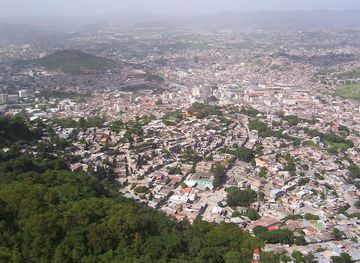
Explore more of Central Highlands
Discover the Central Highlands of Honduras: A land of lush mountains, colonial history, and vibrant culture, perfect for nature lovers and history enthusiasts.
Explore Central Highlands
Explore more of Honduras
Discover Honduras: From ancient Maya ruins and vibrant cities to stunning beaches and lush rainforests, this Central American gem offers something for every traveler.
Explore Honduras
