

Rio Grande o Choluteca: The River of Southern Honduras
Discover the lifeblood of southern Honduras: the Rio Grande o Choluteca, a river steeped in history, culture, and natural beauty, offering a unique travel experience.
The Rio Grande o Choluteca, also known as the Choluteca River, is a vital waterway that winds through southern Honduras, playing a significant role in the region's history, culture, and ecology. Originating near Tegucigalpa, it flows through diverse landscapes, nurturing agriculture and supporting local communities. The river has been a silent witness to the rise and fall of civilizations, the establishment of trade routes, and pivotal moments in Honduran history. Today, it offers visitors a chance to connect with nature, explore the rich heritage of the area, and appreciate the enduring bond between the people and their river. Whether you're interested in hiking along its banks, learning about its historical significance, or simply enjoying the tranquility of its waters, the Rio Grande o Choluteca provides a unique and enriching experience. It's a place where the past and present converge, offering a glimpse into the heart and soul of southern Honduras.
A brief summary to Rio Grande o Choluteca
- HN
Local tips
- Visit during the rainy season (May-November) to witness the river at its fullest and the surrounding landscapes at their greenest.
- Hire a local guide for a boat tour to learn about the river's history, ecology, and the challenges it faces.
- Explore the nearby El Jicarito Protected Forest for hiking and birdwatching opportunities.

Getting There
-
Walking
If you are already in Choluteca city center, reaching the Rio Grande o Choluteca is easily done on foot. From Parque Carias, head east towards the silver bridge. The river flows directly underneath the bridge, offering scenic views. The walk is approximately 10-15 minutes, and you'll pass local shops and restaurants along the way.
-
Taxi/Ride-Share
From the Choluteca bus terminal or any hotel within the city, a taxi or ride-share is a convenient option. Ask to be taken to the 'Puente Choluteca' (Choluteca Bridge) or simply 'Rio Choluteca'. The ride should take no more than 5-10 minutes within the city center. Taxis are readily available, and a typical fare within the city limits should cost around 50-80 Lempiras.
-
Public Transport
Local buses circulate within Choluteca. Inquire about routes heading towards 'El Centro' or 'Puente Choluteca'. Bus fares are very affordable, typically around 10-15 Lempiras per ride. Be mindful of your belongings and ask the driver to indicate when you've reached the closest stop to the river.
Discover more about Rio Grande o Choluteca
Iconic landmarks you can’t miss

Rio Grande o Choluteca
0.0 km
Discover the lifeblood of southern Honduras: the Rio Grande o Choluteca, a river steeped in history, culture, and natural beauty, offering a unique travel experience.
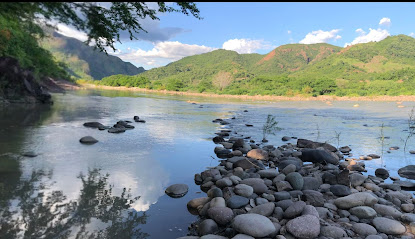
FINCA BALCON DEL CAÑON
30.6 km
Discover the serene beauty of Finca Balcón del Cañon, a tranquil farmstay in the enchanting Valle de Sonis, Nicaragua, surrounded by nature and culture.
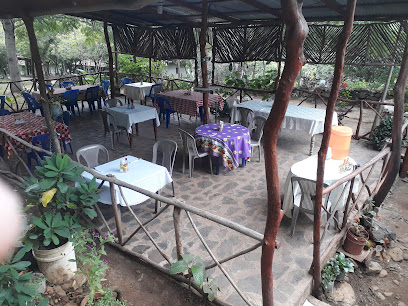
Somoto canyon Adventure
31.0 km
Explore the stunning landscapes and thrilling adventures at Somoto Canyon, a natural gem in Nicaragua perfect for all outdoor enthusiasts.
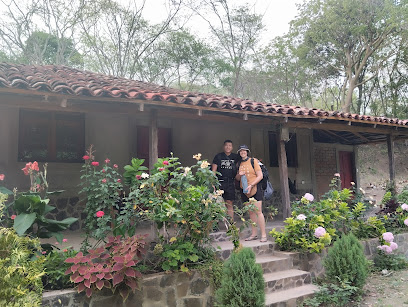
La Ceibita Tours Somoto Canyon
31.0 km
Discover the breathtaking beauty and thrilling adventures at Somoto Canyon with La Ceibita Tours, your gateway to Nicaragua's natural wonders.
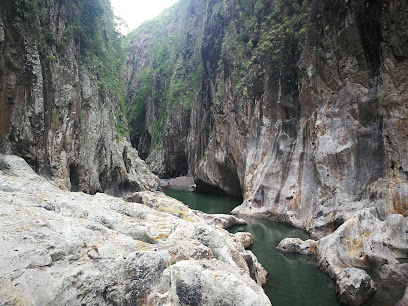
El Gualiqueme
32.6 km
Explore El Gualiqueme, a historical landmark in San Francisco, Choluteca, and immerse yourself in the rich heritage of Honduras.

Nicaragua Nueva Segovia
43.6 km
Explore the serene landscapes and vibrant culture of Nueva Segovia, a hidden gem in Nicaragua perfect for relaxation and adventure.
Zipote Vago Tours
44.3 km
Experience the breathtaking landscapes and rich culture of Nicaragua with Zipote Vago Tours, your ultimate sightseeing adventure in Ocotal.
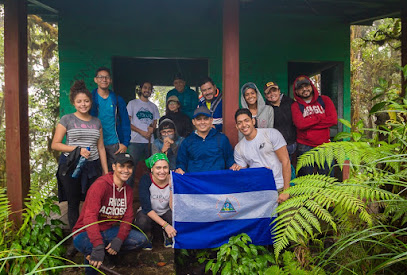
Grotto of Our Lady of Guadalupe
44.4 km
Discover the Grotto of Our Lady of Guadalupe in Ocotal, a serene sanctuary blending spirituality and breathtaking natural beauty.
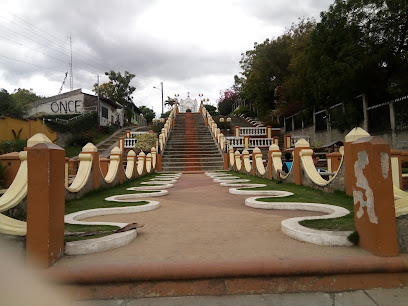
INTUR Nueva Segovia
44.5 km
Explore the best of Ocotal, Nicaragua, with expert guidance from INTUR Nueva Segovia, your essential tourist information center.
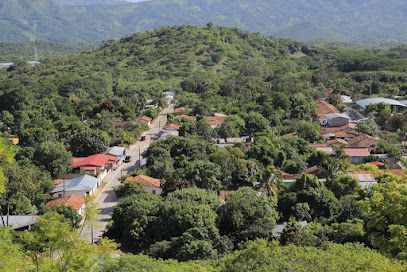
Santa Maria de Los Rivas
45.2 km
Discover serenity and comfort at Santa Maria de Los Rivas in Ocotal, a perfect getaway for relaxation and cultural exploration in Nicaragua.
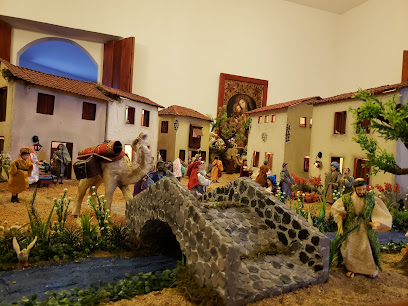
LA GRUTA FUENTE DE AGUA
48.5 km
Explore the stunning La Gruta Fuente de Agua in San Antonio de Oriente, where nature meets tranquility amidst breathtaking rock formations.
Presa de Agua Nueva Arcadia
48.6 km
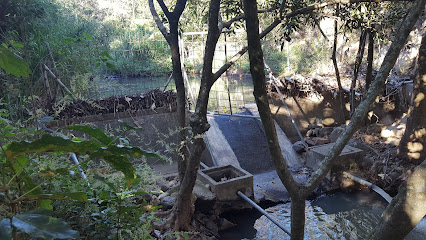
Discover the serene beauty and rich history of Presa de Agua Nueva Arcadia, a captivating landmark nestled in the lush landscapes of Francisco Morazán.
Hotel Gualiqueme
49.3 km
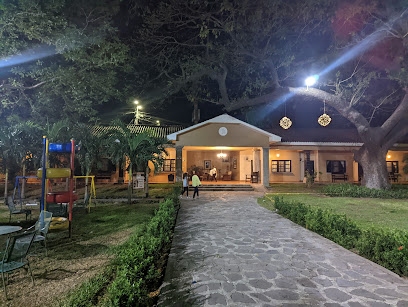
Discover the charm of Choluteca at Hotel Gualiqueme, where comfort meets local hospitality in the heart of Honduras.
El Torito
49.3 km
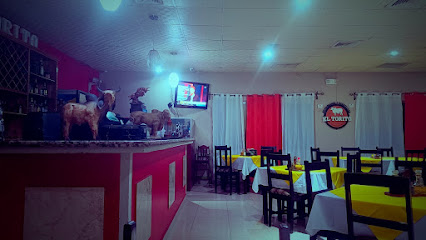
Discover the savory delights of El Torito in Choluteca, where expertly grilled steaks and a warm atmosphere await every visitor.
Concha Acústica Choluteca
50.2 km
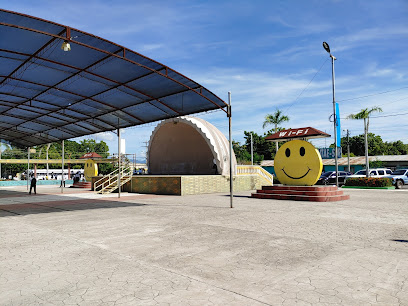
Explore the Concha Acústica Choluteca: A vibrant playground and cultural hub perfect for families and tourists seeking enjoyment and relaxation.
Unmissable attractions to see

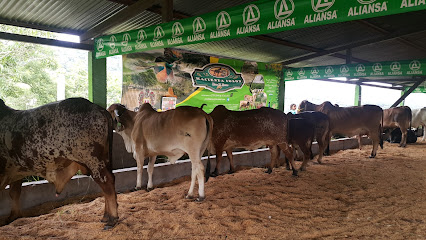
Hacienda Colon
19.6 km
Experience the beauty and culture of Hacienda Colon in Choluteca, a serene tourist attraction perfect for relaxation and exploration.
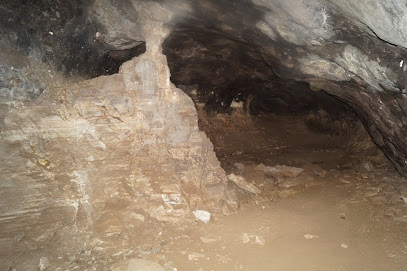
Cueva del Toro
23.3 km
Discover the enchanting Cueva del Toro in Buenos Aires – a natural wonder filled with stunning geological formations and rich biodiversity.
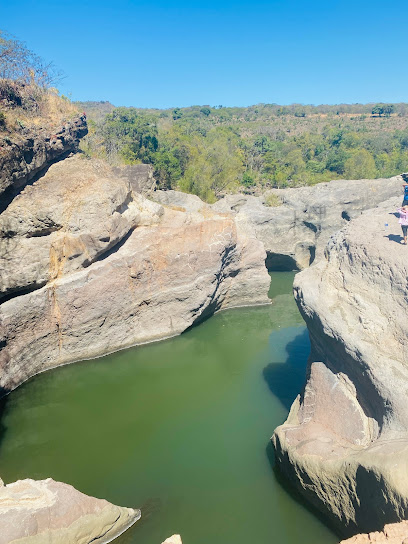
Cañón Caulato
26.1 km
Discover the breathtaking beauty of Cañón Caulato in Choluteca, Honduras—a must-visit destination for nature lovers and adventure seekers.
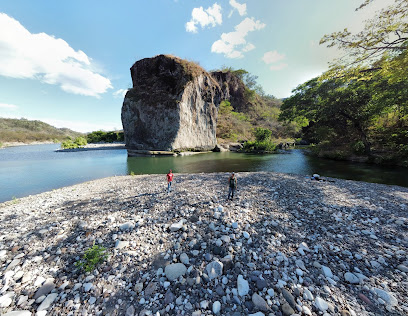
Poza Los Encuentros
27.3 km
Experience the breathtaking beauty of Poza Los Encuentros, a tranquil oasis in Nueva Armenia offering crystal-clear waters and lush landscapes.
Somoto Canyon National Monument
29.6 km
Explore the breathtaking beauty of Somoto Canyon National Monument in Nicaragua, a haven for adventure seekers and nature lovers alike.
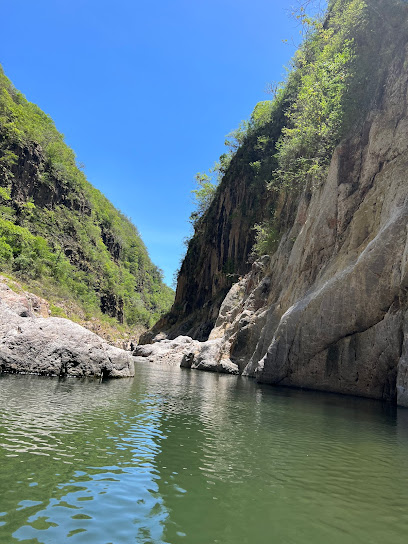
Cañón de Somoto
29.7 km
Experience the breathtaking beauty of Cañón de Somoto, a stunning national park in Nicaragua, perfect for outdoor adventures and nature exploration.
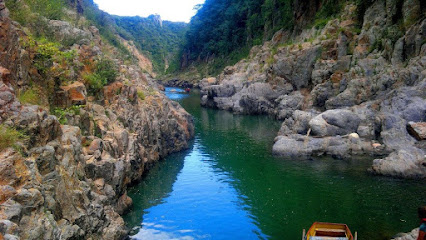
CAÑON DE SOMOTO, FINBAC
30.6 km
Discover the breathtaking beauty of Somoto Canyon, Nicaragua's natural wonder, perfect for adventure seekers and nature enthusiasts.
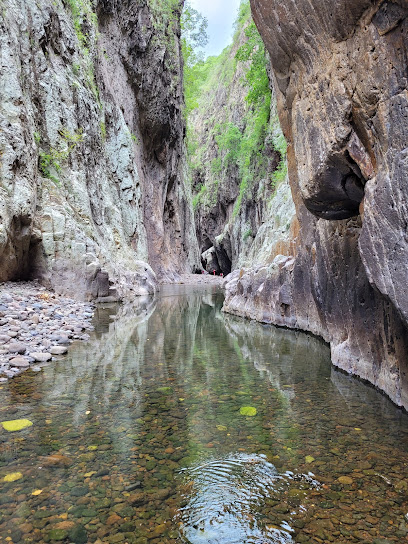
Somoto Canyon Tours
30.9 km
Explore the stunning Somoto Canyon, a natural marvel in Nicaragua, perfect for adventure seekers and nature lovers alike.
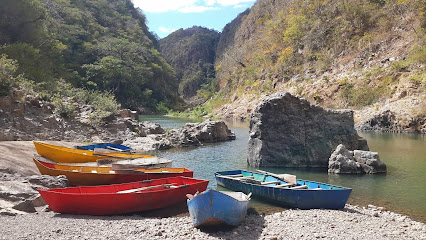
Cacauli
36.4 km
Discover Cacauli, Nicaragua: A breathtaking hiking area with stunning landscapes and rich biodiversity, perfect for outdoor enthusiasts and nature lovers.
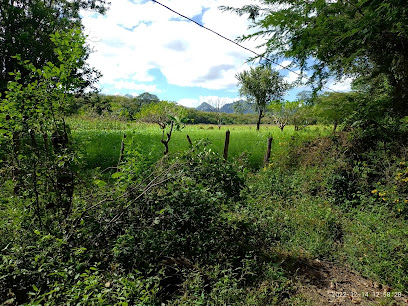
Lucila Park
37.3 km
Explore Lucila Park, a serene oasis in Somoto, where nature and community come together for relaxation and joy.
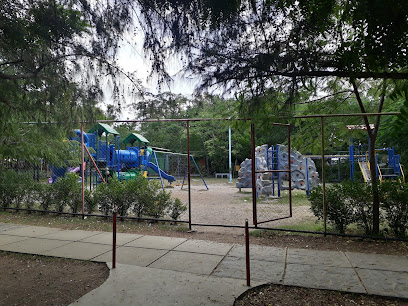
Paseo La amistad
37.4 km
Explore the serene landscapes of Paseo La Amistad in Somoto, where nature and tranquility create the perfect getaway for every traveler.
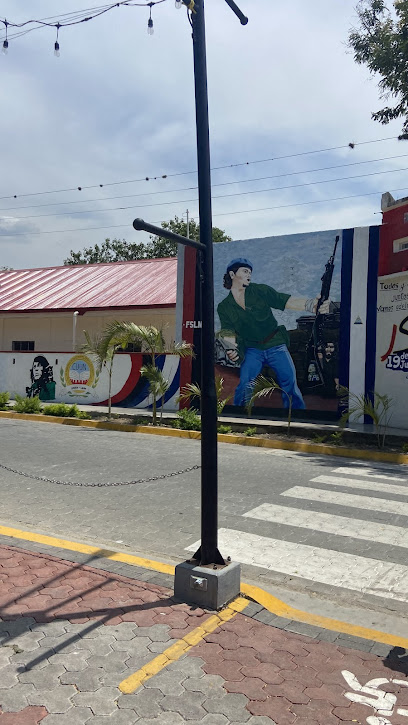
Central Park
37.5 km
Central Park in Somoto: A tranquil urban oasis filled with greenery, perfect for relaxation and cultural experiences.
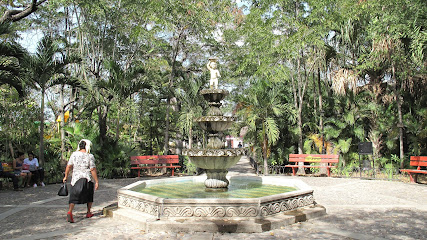
INVERNADERO DE ORQUIDEAS
37.5 km
Explore the stunning Invernadero de Orquideas in Somoto, Nicaragua, where vibrant orchids and lush greenery create a tranquil escape into nature's beauty.
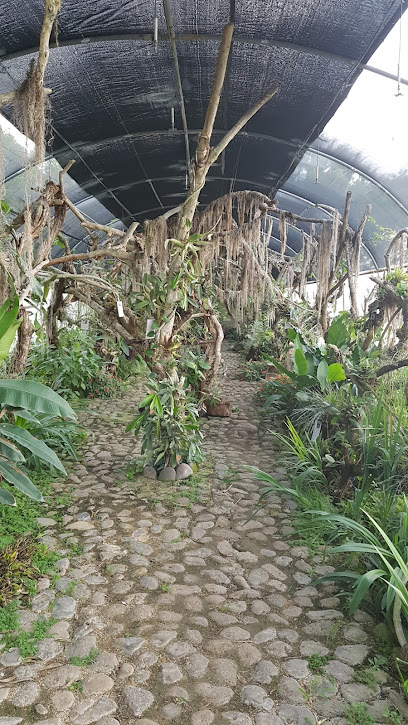
Piedra Batea
38.1 km
Explore the breathtaking beauty of Piedra Batea, a serene nature preserve in Somoto, Nicaragua, perfect for nature lovers and adventure seekers alike.
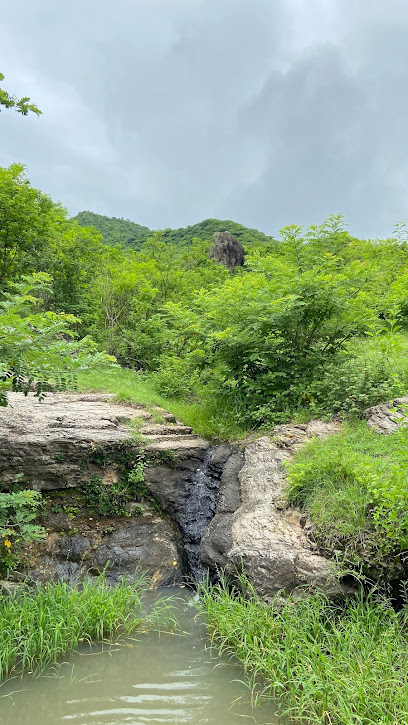
Somoto Nature Center
38.5 km
Explore the lush landscapes and rich biodiversity at Somoto Nature Center, a prime destination for eco-tourism and nature exploration in Nicaragua.
Essential places to dine

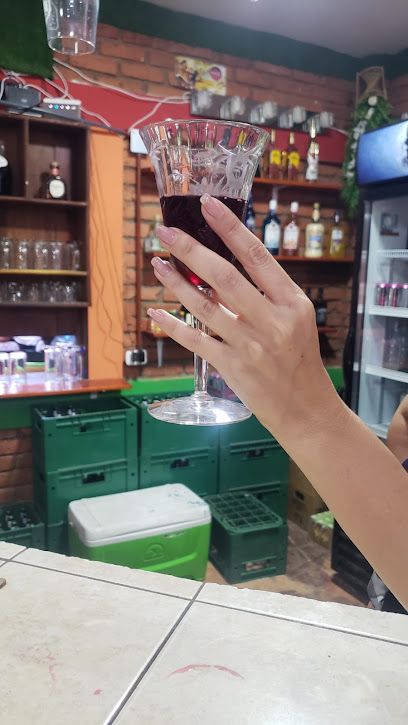
Restaurante DMG Las Burbujas
34.4 km
Experience authentic Nicaraguan cuisine at Restaurante DMG Las Burbujas in Somoto – where flavor meets tradition.
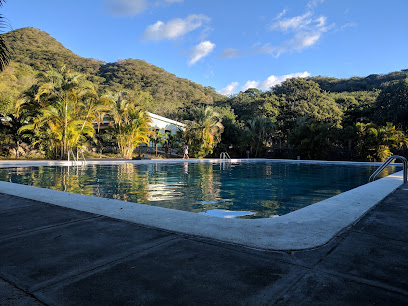
Balneario Delia. Termales
34.8 km
Discover authentic Nicaraguan cuisine at Balneario Delia in Aguas Calientes - where every meal tells a story.
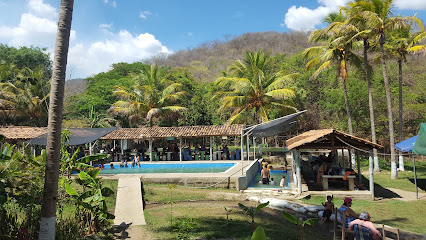
LA PLANTA UNPLUGGED - CERVECERÍA ARTESANAL
36.0 km
Discover the rich flavors of Nicaragua at La Planta Unplugged - Cervecería Artesanal, where craft beer meets local tradition.
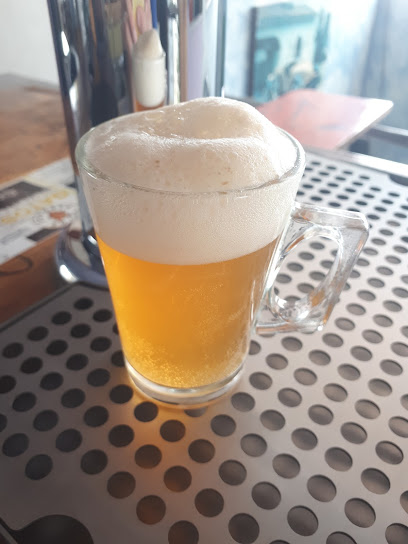
Pupusas Don Félix
37.0 km
Experience authentic Nicaraguan cuisine at Pupusas Don Félix - home to the best pupusas in Somoto.
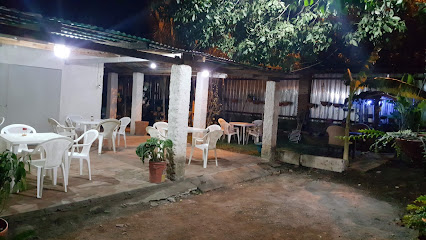
bar y restaurante el mirador
37.1 km
Experience breathtaking views and authentic Nicaraguan cuisine at Bar y Restaurante El Mirador in Somoto.
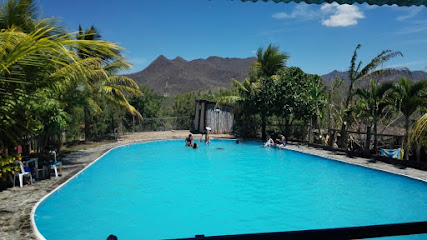
Vivero y Res. Tipico La Peña
37.1 km
Experience authentic Nicaraguan cuisine at Vivero y Res. Tipico La Peña in Somoto – where flavor meets tradition in every dish.
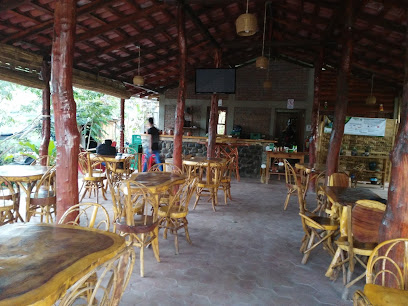
Centro Turistico Mirador
37.1 km
Discover authentic Nicaraguan cuisine at Centro Turistico Mirador while enjoying breathtaking views in Somoto's vibrant landscape.
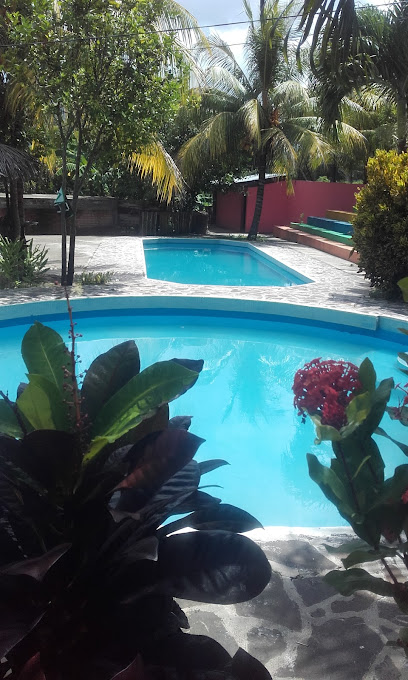
Restaurante Mi Ranchito
37.2 km
Savor the best of Nicaraguan cuisine at Restaurante Mi Ranchito in Somoto - where every meal tells a story.
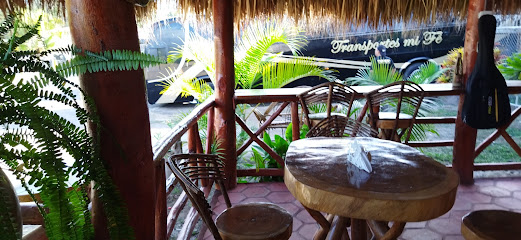
Carne Asada El Buen Gusto 2
37.2 km
Discover authentic Nicaraguan cuisine at Carne Asada El Buen Gusto 2 in Somoto—where every bite tells a flavorful story.
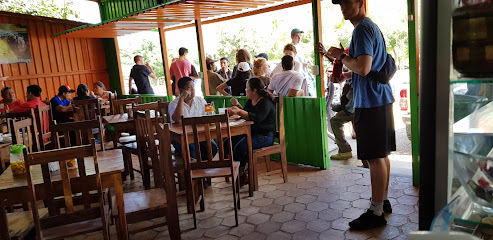
El Tambo
37.2 km
Discover authentic Nicaraguan flavors at El Tambo in Somoto – where every dish tells a story.
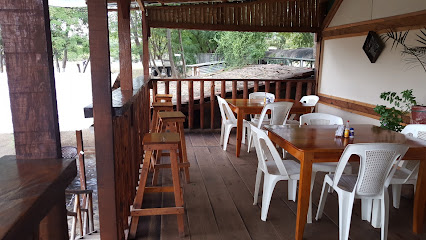
Restaurante El Puente
37.3 km
Experience authentic Nicaraguan flavors at Restaurante El Puente in Somoto - a culinary gem celebrating local cuisine.
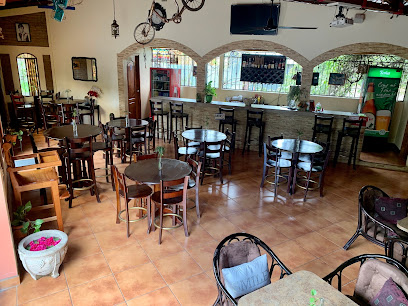
Burritos Tacos
37.4 km
Experience the authentic taste of Nicaragua at Burritos Tacos, where every bite tells a flavorful story.
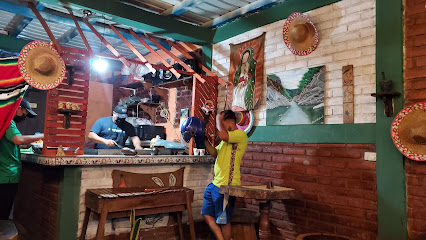
La Planta Unplugged - Cervecería Artesanal Somoteña.
37.4 km
Experience the vibrant craft beer culture at La Planta Unplugged in Somoto—where local flavors meet artisanal brewing.
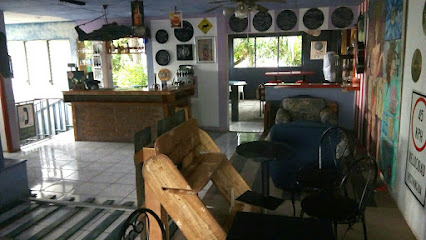
Restaurante Yon kim, Somoto Nicaragua
37.5 km
Experience the authentic flavors of Nicaragua at Restaurante Yon Kim in Somoto - where culinary tradition meets modern taste.
Restaurante La cuchara de Somoto
37.5 km
Discover authentic Chinese cuisine at Restaurante La Cuchara de Somoto in Nicaragua's charming city of Somoto.
Markets, malls and hidden boutiques

Sastreria Gomez Sport
37.1 km
Explore Sastreria Gomez Sport for exquisite tailoring and unique clothing in Somoto, offering local craftsmanship and personalized services.

Variedades Sofy
37.4 km
Explore Variedades Sofy in Somoto for unique home goods that reflect Nicaraguan culture and craftsmanship, perfect for souvenirs or everyday use.

Variedades Dariana
37.4 km
Explore the vibrant fashion scene at Variedades Dariana in Somoto, where local style meets exceptional quality and friendly service.
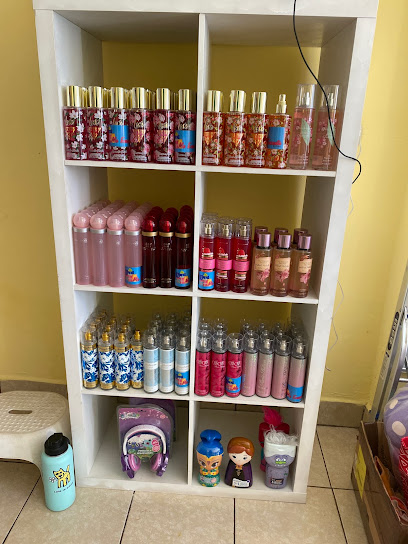
Tienda Me Encanta
37.4 km
Explore the enchanting world of fragrances at Tienda Me Encanta, Somoto's premier perfume store, where every scent tells a story.
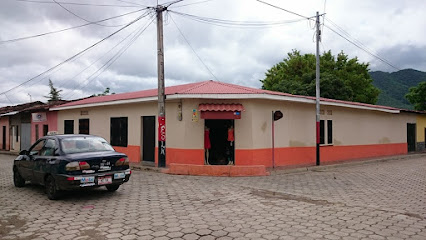
Namancambre Tours
37.5 km
Unleash your adventurous spirit with Namancambre Tours – explore the stunning Somoto Canyon and immerse yourself in Nicaragua's natural beauty.
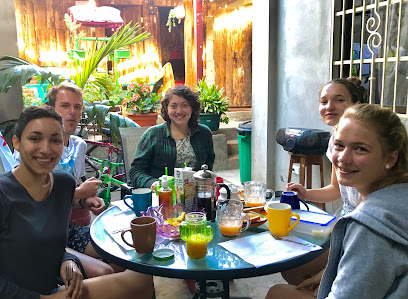
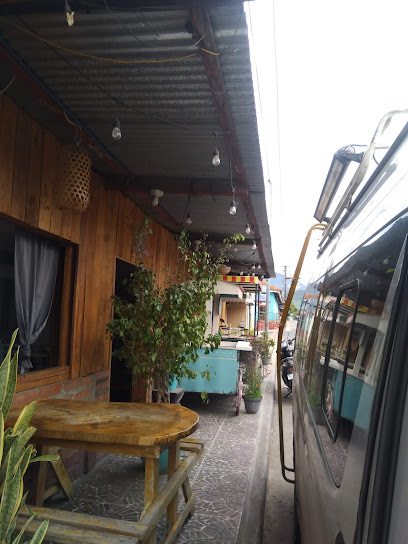
Fonda son Delicias
37.5 km
Discover Fonda son Delicias, a cozy coffee shop in Somoto offering local brews and a taste of Nicaraguan culture in a charming atmosphere.
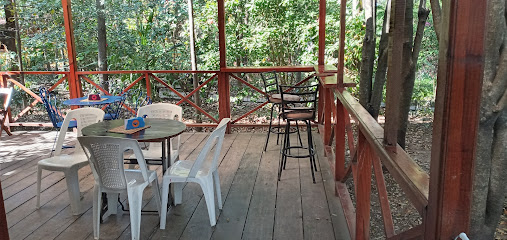
Nali's Boutique
37.5 km
Explore unique local fashion and craftsmanship at Nali's Boutique in Somoto, where every piece tells a story of Nicaragua's vibrant culture.
Glammy
37.5 km
Explore Glammy in Somoto for a unique blend of Nicaraguan fashion and contemporary styles, perfect for stylish souvenirs.

Grey's Multiservicios
37.5 km
Explore Grey's Multiservicios in Somoto, a unique stationery store offering a delightful selection of office supplies and creative materials, perfect for all ages.
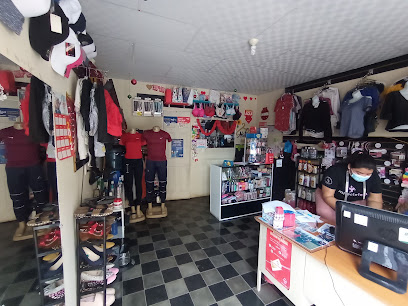
Sorbeteria el Skimo
37.5 km
Indulge in the irresistible flavors of Sorbeteria el Skimo, a top ice cream destination in Somoto, Nicaragua, perfect for cooling off and enjoying local treats.
Win sport Nicaragua
37.6 km
Explore the vibrant styles of Win Sport Nicaragua in Somoto, where local fashion meets cultural heritage.
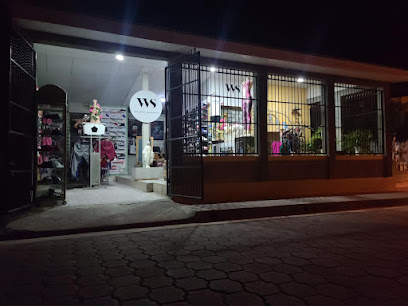
L & K Boutique
37.6 km
Experience local fashion at L & K Boutique in Somoto, where style meets tradition in a charming shopping atmosphere.

Besillima Fashion & MakeUp
37.6 km
Discover Besillima Fashion & MakeUp in Somoto, a top destination for beauty lovers seeking quality products and personalized service.

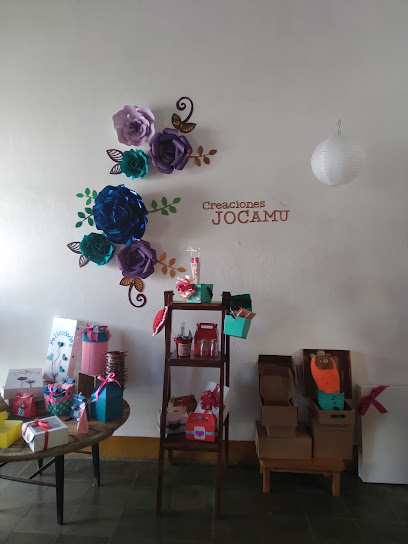
Creaciones JOCAMU
37.6 km
Discover the heart of Nicaraguan craftsmanship at Creaciones JOCAMU, the premier gift shop in Somoto for unique and authentic souvenirs.
Palí Somoto
37.7 km
Explore Palí Somoto, the heart of local shopping in Somoto, Nicaragua, offering a rich selection of groceries and local flavors.
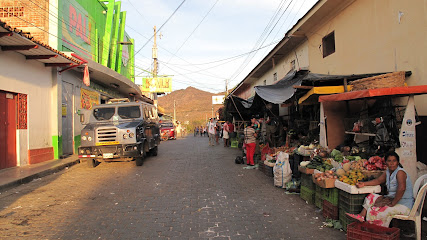
Essential bars & hidden hideouts

Bar y Restaurante El Típico
28.6 km
Discover the vibrant flavors of Nicaragua at Bar y Restaurante El Típico, a must-visit spot in El Espino for food and drink enthusiasts.

Bar Las 4H
28.6 km
Discover the authentic flavors of Nicaragua at Bar Las 4H, a vibrant grill offering delightful grilled dishes in El Espino.
Bar Columbia
37.2 km
Experience the vibrant flavors of Nicaragua at Bar Columbia, a culinary haven in Somoto, perfect for travelers seeking authentic local cuisine.
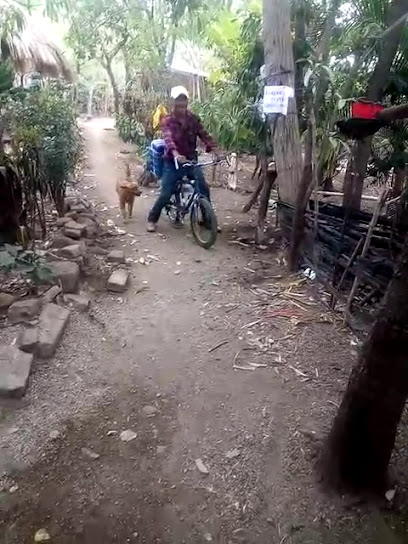
Bar Y Hospedaje El Aereo
37.3 km
Experience the vibrant nightlife and local charm at Bar Y Hospedaje El Aereo in Somoto, Nicaragua, where every visit is a celebration of culture.
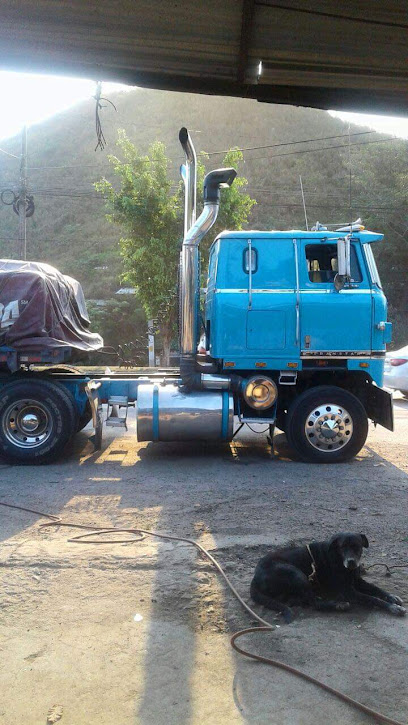
Antojeria Hamburguer
37.4 km
Experience the rich flavors of Nicaragua at Antojeria Hamburguer, a grill in Somoto known for its delicious hamburgers and inviting atmosphere.
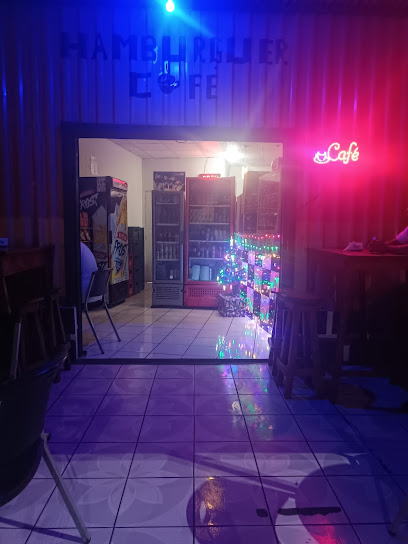
Julio velasquez
37.5 km
Discover the vibrant atmosphere and local flavors at Julio Velasquez, the ultimate bar experience in the heart of Somoto, Nicaragua.
Bukanas
37.6 km
Discover Bukanas in Somoto: A charming bar offering refreshing drinks and a welcoming atmosphere for travelers seeking relaxation.
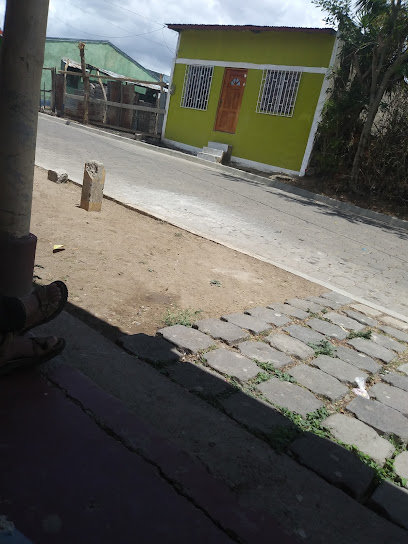
Bar Oes3
37.6 km
Experience the lively atmosphere and extensive drink selection at Bar Oes3, the perfect nightlife spot in Somoto for travelers and locals alike.
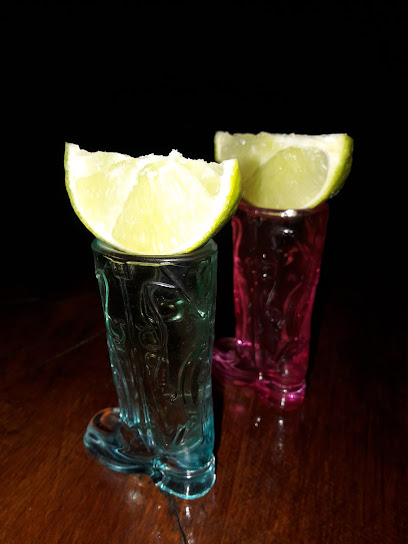
Altoque
37.6 km
Experience the heart of Nicaraguan flavor at Altoque, a must-visit restaurant in Somoto that delights with its authentic dishes and welcoming atmosphere.

Vecinos
37.7 km
Discover the flavors of Nicaragua at Vecinos in Somoto, where traditional cuisine meets a cozy ambiance.

Flor De Bartolina
37.7 km
Discover Flor De Bartolina in Somoto, a vibrant bar offering authentic Nicaraguan drinks, live music, and a lively atmosphere perfect for socializing.
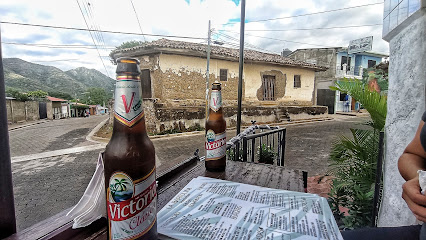
The chicken
37.8 km
Experience the best grilled chicken in Somoto, Nicaragua, at The Chicken Grill - where local flavors meet friendly service.
Nail Salon
38.2 km
Escape the hustle of Somoto and indulge in a relaxing experience at the premier Nail Salon, where beauty meets tranquility.
Sport Bar
44.6 km
Experience the thrill of live sports in a vibrant atmosphere at Ocotal's top Sport Bar, perfect for fans and casual visitors alike.
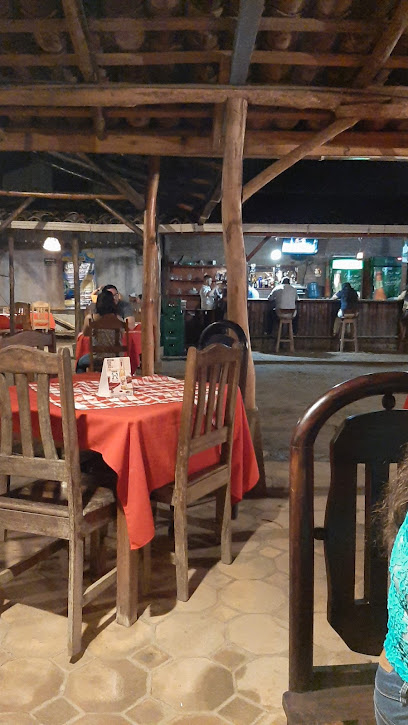
dimensión
44.8 km
Discover the vibrant nightlife at Dimensión, Ocotal's premier bar offering unique cocktails and live music in a welcoming atmosphere.
Nightclubs & after hour spots

Ok Club
37.4 km
Discover the electrifying nightlife at Ok Club in Somoto, where music, dance, and unforgettable moments await you.
Dubai Club
37.6 km
Unleash your night at Dubai Club, Somoto's premier nightlife destination for unforgettable music and dancing experiences.
LA TERRAZA DISCOTEC
43.9 km
Experience the vibrant nightlife of El Paraíso at La Terraza Discotec, where the music never stops and the energy is contagious.

Scarleth SalonYbarberia
48.0 km
Experience relaxation and local culture at Scarleth SalonYbarberia in Choluteca, where beauty meets community in a vibrant lounge atmosphere.
El Mangal.
49.1 km
Experience the vibrant nightlife at El Mangal, the top night club in Tapatoca offering pulsating music and unforgettable fun.

Salòn Bailable
49.2 km
Discover the electrifying nightlife at Salòn Bailable, Choluteca's premier night club, where music and dance create unforgettable experiences.
FARAONES DISCOTEC
49.4 km
Discover Choluteca's vibrant nightlife at Faraones Discotec, where music, dance, and local culture come alive in an unforgettable disco experience.
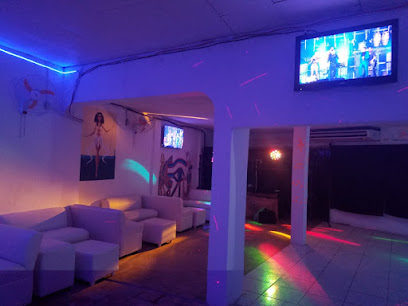
ENIGMA
49.4 km
Dive into the vibrant nightlife of Choluteca at ENIGMA, where the music never stops and the energy is contagious.

Buyuca
50.5 km
Discover the electric nightlife at Buyuca, Choluteca's top night club, where music, dancing, and local culture collide for an unforgettable experience.
Josué El Gato
55.6 km
Discover the electric atmosphere of Josué El Gato, a premier night club in Tegucigalpa, where music, dance, and vibrant culture collide for an unforgettable experience.
La Piedra
55.8 km
Experience the vibrant nightlife of Tegucigalpa at La Piedra, where music, dance, and fun come together for an unforgettable night out.
El Murito
56.3 km
Experience the vibrant nightlife at El Murito, Tegucigalpa's hotspot for dancing, drinks, and unforgettable memories.
Casa De Fredy
56.4 km
Discover the vibrant nightlife at Casa De Fredy, a premier night club in Tegucigalpa where local music and dance come alive.
Casa De Papi Eduardo
56.7 km
Discover the electrifying nightlife of Tegucigalpa at Casa De Papi Eduardo, a vibrant night club that guarantees unforgettable evenings with music and dance.
Cytote disco bar
56.9 km
Dive into the vibrant nightlife of Tegucigalpa at Cytote Disco Bar, where music, drinks, and dancing come together for an unforgettable experience.


