
Choluteca Region, Honduras Travel Guide
Discover Choluteca: A blend of colonial history, natural beauty, and rich culture in the heart of southern Honduras.
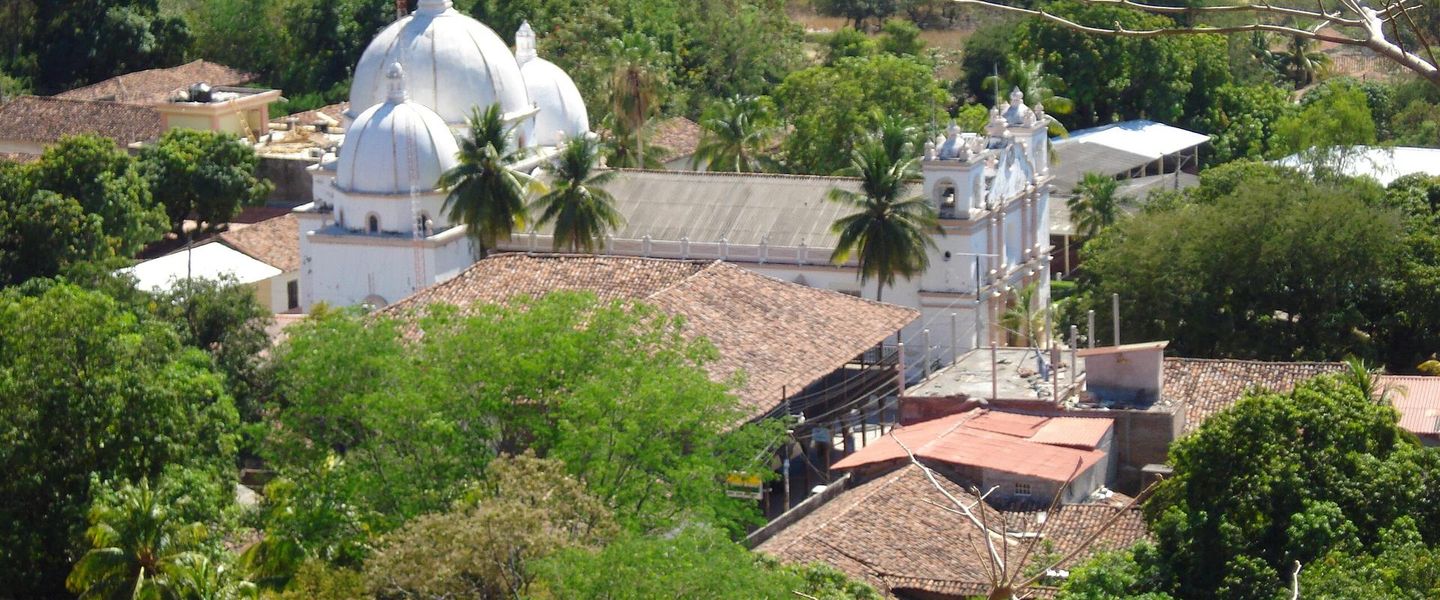
Nestled in the heart of southern Honduras, Choluteca offers a unique blend of history, culture, and natural beauty. Known for its colonial architecture, the city of Choluteca is a living museum with its well-preserved churches, plazas, and historic buildings that date back to the 16th century. Walking through its cobblestone streets feels like stepping back in time, making it a perfect destination for history enthusiasts. Beyond its historical charm, Choluteca is surrounded by stunning landscapes. The region boasts picturesque rivers, lush forests, and scenic mountains that are ideal for outdoor activities such as hiking, bird-watching, and river rafting. The nearby Gulf of Fonseca provides beautiful beaches where visitors can relax and enjoy the warm tropical climate. The local culture in Choluteca is vibrant and welcoming. Visitors can experience traditional Honduran cuisine at local markets and restaurants, where dishes like baleadas and carne asada are must-tries. The region also hosts various festivals throughout the year, showcasing traditional music, dances, and crafts that offer a deep dive into the local way of life. Whether you are an adventurer, a history buff, or a cultural enthusiast, Choluteca has something special to offer.

Know before you go
Hi, I'm Eve. Here are a few practical things to know before exploring Choluteca Region.
- Visit the historic Cathedral of Choluteca for its stunning architecture and serene ambiance.
- Explore the Choluteca River by taking a guided boat tour to learn about local wildlife and enjoy picturesque views.
- Try local delicacies at the central market, including fresh fruits, traditional snacks, and homemade crafts.
- Plan your visit around local festivals, such as the Feria de Choluteca, to experience traditional music and dance.
- Bring comfortable walking shoes for exploring the cobblestone streets and historical sites.
Explore Choluteca Region: Things to Do, Places to Eat, Hotels & More
Handpicked recommendations for top attractions, local dining, accommodations, and more

Top Attractions & Sightseeing in Choluteca Region
Top-rated picks
Best Attractions

Chiminike
Discover the joy of learning at Chiminike, a children's museum in Tegucigalpa, where fun and education come together in a vibrant environment.

Iglesia Catedral Choluteca
Discover the architectural beauty and spiritual essence of Iglesia Catedral Choluteca, a must-visit destination in Honduras that reflects rich cultural heritage.

Parque Carias
Experience the tranquility of Parque Carias, a lush urban oasis in Choluteca, perfect for relaxation, recreation, and cultural immersion.

Centro Turístico, Rancho Los Carretos
Experience the natural beauty and vibrant culture at Centro Turístico, Rancho Los Carretos, a top tourist attraction in Choluteca, Honduras.

Best landmarks in Choluteca Region
Top-rated picks
Best Landmarks

Hotel Gualiqueme
Discover the charm of Choluteca at Hotel Gualiqueme, where comfort meets local hospitality in the heart of Honduras.

El Torito
Discover the savory delights of El Torito in Choluteca, where expertly grilled steaks and a warm atmosphere await every visitor.

Concha Acústica Choluteca
Explore the Concha Acústica Choluteca: A vibrant playground and cultural hub perfect for families and tourists seeking enjoyment and relaxation.

Cañón Caulato
Discover the unspoiled beauty of Cañón Caulato in Choluteca, Honduras: a hidden paradise of dramatic cliffs, lush vegetation, and tranquil waters, perfect for nature and adventure lovers.

Best restaurants in Choluteca Region
Top-rated picks
Best Restaurants

Pupusas Miraflores
Discover Pupusas Miraflores: Your gateway to authentic Honduran cuisine in Choluteca featuring delicious pupusas and traditional dishes.

Restaurante El Asador
Experience authentic Honduran cuisine at Restaurante El Asador in Choluteca – where every bite tells a story.

Restaurante Gran Lin Fa
Experience exceptional Asian cuisine at Restaurante Gran Lin Fa in Choluteca - where every dish tells a story.

Fusiones Gourmet
Discover culinary creativity at Fusiones Gourmet in Choluteca – where local flavors meet modern gastronomy.

Best bars in Choluteca Region
Top-rated picks
Best Bars

Fusiones Gourmet
Savor the best of Honduran fusion cuisine at Fusiones Gourmet, where tradition meets modern culinary artistry in Choluteca.

El Torito
Discover the rich flavors of Choluteca at El Torito, where expertly grilled steaks meet a vibrant dining atmosphere.

Sol En Salsa • Unimall
Experience the vibrant flavors of Honduras at Sol En Salsa in Choluteca, where every meal is a celebration of local culinary traditions.

Blue Agave Restaurante
Experience authentic Honduran cuisine at Blue Agave Restaurante, a culinary gem in the heart of Choluteca, known for its vibrant flavors and inviting atmosphere.

Best nightclubs in Choluteca Region
Top-rated picks
Best Nightclubs

Al-Grill
Experience the vibrant nightlife and delicious grilled cuisine at Al-Grill, a must-visit bar in Choluteca for every traveler.

Genesis Bar
Discover the vibrant nightlife at Genesis Bar in Choluteca, where great drinks and friendly locals create the perfect atmosphere for relaxation and fun.

Leyendas bar
Leyendas Bar in Choluteca offers a lively atmosphere, local drinks, and a vibrant nightlife experience, perfect for tourists seeking authentic local culture.

FARAONES DISCOTEC
Discover Choluteca's vibrant nightlife at Faraones Discotec, where music, dance, and local culture come alive in an unforgettable disco experience.

Best shops in Choluteca Region
Top-rated picks
Best Shops

Unimall
Discover the vibrant shopping experience at Unimall in Choluteca, where retail therapy meets delightful dining and entertainment.

Unicines
Experience the thrill of IMAX at Unicines in Choluteca, where cinematic magic and cutting-edge technology come together for an unforgettable outing.

Ferretería Herco Centro
Discover the best hardware and tools at Ferretería Herco Centro in Choluteca, your go-to destination for quality supplies during your travels.

Hotel Villa Colonial
Experience the charm and tranquility of Hotel Villa Colonial, your perfect escape in El Tamarindo, Honduras.

Explore Choluteca Region on the Map
A handpicked selection of must-see spots in Choluteca Region, mapped for you.
Choluteca Region Essentials
-
Choluteca Region is accessible from the capital city, Tegucigalpa, which is approximately 135 kilometers away. The nearest international airport is Toncontín International Airport in Tegucigalpa. From Tegucigalpa, you can take a bus or rent a car to reach Choluteca. The journey by road typically takes about 3 to 4 hours on well-maintained highways. There are also regional buses that operate from various cities across Honduras to Choluteca.
-
Within Choluteca Region, public transportation options include buses and taxis. Buses are the most affordable means of transportation and connect major towns and villages. Taxis are also readily available and can be hired for short trips or day excursions. Renting a car is a convenient option for exploring the region at your own pace, but be aware of local driving conditions and road safety.
-
The official currency in Honduras is the Honduran Lempira (HNL). Credit cards are accepted in most hotels, restaurants, and larger shops, but it is advisable to carry cash, especially in smaller establishments and rural areas. ATMs are available in Choluteca, but ensure you withdraw sufficient cash before heading to more remote locations.
-
Choluteca Region is generally safe for tourists, but it is important to exercise standard precautions. Avoid walking alone at night and keep an eye on your belongings in crowded areas. Some neighborhoods in larger towns may have higher crime rates, particularly for crimes targeting tourists, such as pickpocketing. Always be vigilant and aware of your surroundings.
-
In case of emergency, dial 911 for immediate assistance. Choluteca has local police stations and medical facilities available. It is recommended to have travel insurance that covers medical emergencies. For minor health issues, there are pharmacies in the region where you can purchase over-the-counter medications.
-
Fashion: Do dress modestly, especially when visiting religious sites. Avoid wearing revealing clothing. Religion: Do respect local customs and traditions. Always cover your head when entering churches. Public Transport: Do be respectful and give up your seat to elderly passengers. Don't eat or drink on public transport. Greetings: Do greet people with a handshake or a friendly nod. Eating & Drinking: Do try local delicacies and accept food offerings graciously. Don't refuse hospitality, as it is considered impolite.
-
To experience Choluteca Region like a local, visit the bustling markets where you can buy fresh produce and traditional Honduran goods. Engage with the locals, who are often friendly and willing to share stories about the region's history and culture. Don't miss visiting the historical landmarks and natural attractions such as the Choluteca River and the old colonial architecture. For a unique experience, try the local cuisine, including dishes like baleadas and seafood specialties.
When is the best time to visit Choluteca Region?
Useful Local Phrases for Choluteca Region
You don't need to speak the language perfectly. Even learning a few simple words can make conversations warmer—and locals usually appreciate the effort.
— Eve

Here are the phrases I use most often in Choluteca Region. Try a few—you'll be surprised how far they go! 😊
❤️
-
- HelloHola
[Oh-lah] - GoodbyeAdiós
[Ah-dee-ohs] - YesSí
[See] - NoNo
[No] - Please/You're welcomePor favor/De nada
[Por fah-vor/Dey nah-dah] - Thank youGracias
[Grah-syahs] - Excuse me/SorryPerdón
[Per-dohn] - How are you?¿Cómo estás?
[Koh-moh es-tahs] - Fine. And you?Bien. ¿Y tú?
[Byen. Ee too] - Do you speak English?¿Hablas inglés?
[Ah-blahs een-glehs] - I don't understandNo entiendo
[No en-tyen-doh]
- HelloHola
-
- I'd like to see the menu, pleaseMe gustaría ver el menú, por favor
[Meh goo-stah-ree-ah vehr el meh-noo, por fah-vor] - I don't eat meatNo como carne
[No koh-mo kar-neh] - Cheers!¡Salud!
[Sah-lood] - I would like to pay, pleaseMe gustaría pagar, por favor
[Meh goo-stah-ree-ah pah-gar, por fah-vor]
- I'd like to see the menu, pleaseMe gustaría ver el menú, por favor
-
- Help!¡Ayuda!
[Ah-yoo-dah] - Go away!¡Vete!
[Veh-teh] - Call the Police!¡Llama a la policía!
[Yah-mah ah lah poh-lee-syah] - Call a doctor!¡Llama a un doctor!
[Yah-mah ah oon dok-tor] - I'm lostEstoy perdido
[Es-toy per-dee-doh] - I'm illEstoy enfermo
[Es-toy en-fer-mo]
- Help!¡Ayuda!
-
- I'd like to buy...Quisiera comprar...
[Kee-syeh-rah kom-prar] - I'm just lookingSolo estoy mirando
[So-lo es-toy mee-ran-doh] - How much is it?¿Cuánto cuesta?
[Kwan-to kwes-tah] - That's too expensiveEso es muy caro
[Eh-so es mwee kah-roh] - Can you lower the price?¿Puedes bajar el precio?
[Pweh-des bah-har el preh-syo]
- I'd like to buy...Quisiera comprar...
-
- What time is it?¿Qué hora es?
[Keh oh-rah es] - It's one o'clockEs la una
[Es lah oo-nah] - Half past (10)Y media (10)
[Ee meh-dee-ah (10)] - MorningMañana
[Mah-nyah-nah] - AfternoonTarde
[Tar-deh] - EveningNoche
[Noh-cheh] - YesterdayAyer
[Ah-yer] - TodayHoy
[Oy] - TomorrowMañana
[Mah-nyah-nah] - 1Uno
[Oo-no] - 2Dos
[Dohs] - 3Tres
[Tress] - 4Cuatro
[Kwah-tro] - 5Cinco
[Seen-koh] - 6Seis
[Says] - 7Siete
[Syay-teh] - 8Ocho
[Oh-cho] - 9Nueve
[Nweh-beh] - 10Diez
[Dyehs]
- What time is it?¿Qué hora es?
-
- Where's a/the...?¿Dónde está un/ la...?
[Dohn-deh es-tah oon/lah] - What's the address?¿Cuál es la dirección?
[Kwahl es lah dee-rek-syohn] - Can you show me (on the map)?¿Puedes mostrarme (en el mapa)?
[Pweh-des mos-trar-meh (en el mah-pah)] - When's the next (bus)?¿Cuándo es el próximo (bus)?
[Kwan-doh es el prohk-see-mo (boos)] - A ticket (to ....)Un boleto (a....)
[Oon bo-leh-to (ah....)]
- Where's a/the...?¿Dónde está un/ la...?
History of Choluteca Region
-
Before the arrival of the Spanish, the Choluteca region was inhabited by indigenous groups such as the Lenca and the Chorotega. These groups were known for their advanced agricultural practices, impressive stonework, and vibrant culture. Archaeological sites in the region, such as the El Puente site, reveal a rich history of pre-Columbian civilization.
-
The Choluteca region was conquered by the Spanish in the early 16th century. The city of Choluteca was founded in 1522 by Captain Cristóbal de la Cueva. It became an important colonial outpost due to its strategic location near the Pacific coast and its fertile lands, which were ideal for agriculture and livestock.
-
During the colonial period, Choluteca grew in importance as a center for agriculture and trade. The region produced valuable commodities such as indigo, cattle, and sugarcane. The city's colonial architecture, including its churches and government buildings, reflects the Spanish influence and stands as a testament to this period.
-
Honduras gained independence from Spain in 1821, and Choluteca played a significant role in the early years of the republic. The region was involved in various political struggles and conflicts as the new nation sought to establish its identity. Choluteca's strategic location continued to make it an important center for commerce and agriculture.
-
The 20th century brought significant economic development to the Choluteca region. The introduction of modern agricultural techniques and infrastructure improvements, such as roads and bridges, helped boost the local economy. The region became known for its production of melons, shrimp, and other export products.
-
In 1998, Hurricane Mitch devastated the Choluteca region, causing widespread destruction and loss of life. The hurricane's impact was felt deeply in the area, leading to extensive rebuilding efforts and changes in disaster preparedness. The resilience of the Choluteca community in the face of such adversity is a defining aspect of its modern history.
-
Choluteca is known for its rich cultural heritage, which includes traditional festivals, music, dance, and cuisine. The annual Feria Juniana is one of the region's most important cultural events, celebrating the city's patron saint, Saint John the Baptist, with parades, concerts, and local food. This vibrant cultural scene is a key part of Choluteca's identity.
Neighbouring Regions of Choluteca Region
The closest regions to Choluteca Region, if you have time for more than one.

Your all‑in‑one travel companion app
Explore expert travel guides, compare and book tours, experiences, hotels, and more—all from the palm of your hand. Download now for seamless trip planning wherever your wanderlust takes you.


Explore More of Honduras

Looking beyond Choluteca Region? Discover Honduras for broader travel guides, local hot-spots, and regional highlights.
Explore HondurasCholuteca Region in Photos
Browse through our photo collection highlighting the charm and character of the destination.




Choluteca: The Hidden Gem of Southern Honduras
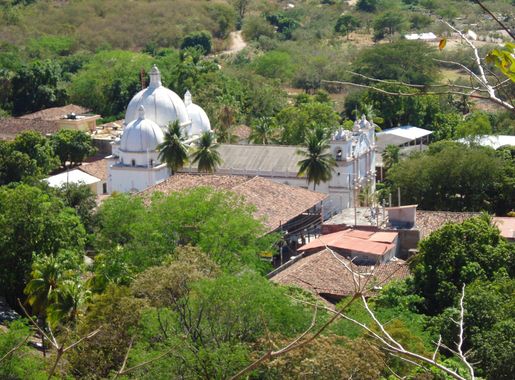
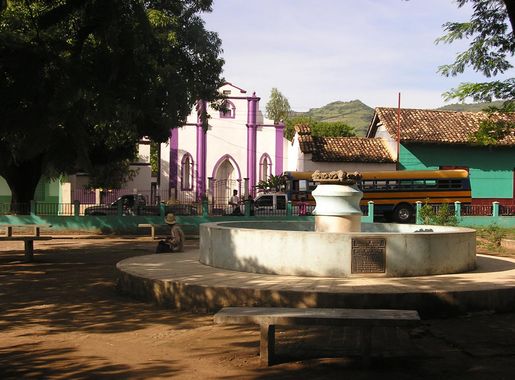
Nestled in the heart of southern Honduras, Choluteca offers a unique blend of history, culture, and natural beauty. Known for its colonial architecture, the city of Choluteca is a living museum with its well-preserved churches, plazas, and historic buildings that date back to the 16th century. Walking through its cobblestone streets feels like stepping back in time, making it a perfect destination for history enthusiasts. Beyond its historical charm, Choluteca is surrounded by stunning landscapes. The region boasts picturesque rivers, lush forests, and scenic mountains that are ideal for outdoor activities such as hiking, bird-watching, and river rafting. The nearby Gulf of Fonseca provides beautiful beaches where visitors can relax and enjoy the warm tropical climate. The local culture in Choluteca is vibrant and welcoming. Visitors can experience traditional Honduran cuisine at local markets and restaurants, where dishes like baleadas and carne asada are must-tries. The region also hosts various festivals throughout the year, showcasing traditional music, dances, and crafts that offer a deep dive into the local way of life. Whether you are an adventurer, a history buff, or a cultural enthusiast, Choluteca has something special to offer.