Pico Bonito National Park: A Honduran Jewel
Discover Honduras's hidden gem: Pico Bonito National Park, a biodiverse paradise of rainforests, waterfalls, and wildlife, offering unforgettable adventures for nature lovers.
Pico Bonito National Park, a sprawling wilderness near La Ceiba, Honduras, beckons adventurers and nature enthusiasts alike. This biodiverse haven, encompassing over 218 square miles, rises dramatically from sea level to over 8,000 feet, creating a stunning tapestry of ecosystems. Explore lush rainforests, cascading waterfalls, and cloud-kissed peaks, home to jaguars, monkeys, and over 400 bird species, including the resplendent quetzal and keel-billed toucan. Hike to the El Bejuco waterfall, raft down the Cangrejal River, or simply immerse yourself in the tranquility of this natural paradise. With trails for every skill level and lodging options ranging from rustic eco-lodges to luxurious hotels, Pico Bonito offers an unforgettable experience for those seeking an escape into the heart of Central America's wilderness. Remember to bring your hiking boots, sunscreen, and a sense of adventure!
A brief summary to Pico Bonito National Park
- M3V8+5V8, El Pino, Atlántida, HN
Local tips
- Hire a local guide for a richer experience; they can spot wildlife, identify plants, and share insights into the park's ecology.
- Pack for all types of weather, even during the dry season, as conditions in the rainforest can change rapidly.
- Bring insect repellent to protect yourself from mosquitoes and other biting insects.
- Wear sturdy hiking boots for navigating the trails, which can be steep and uneven.
- Consider visiting during the dry season (February-July) for the best weather and wildlife spotting opportunities.

Getting There
-
Bus & Walking
From La Ceiba, take a local bus towards El Pino or Yaruca. These buses frequently depart from Terminal de Buses Principal San Jose. The ride to El Pino takes approximately 25 minutes. From El Pino, you can walk to The Lodge at Pico Bonito Entrance, which is about a 40-minute walk. Alternatively, from the main highway, you can hire a motorcycle taxi (mototaxi) to reach the entrance. Bus fare from La Ceiba to El Pino is approximately 25 Lempiras. Mototaxi from El Pino to the entrance should cost around 50-100 Lempiras, depending on your negotiation skills.
-
Taxi/Ride-Share
From La Ceiba, a taxi or ride-share to one of the Pico Bonito National Park entrances (e.g., Cangrejal River entrance or The Lodge at Pico Bonito entrance) is a convenient option. The journey takes approximately 20-30 minutes, depending on traffic and the specific entrance. A taxi from La Ceiba to the Cangrejal River entrance will cost approximately 400-600 Lempiras. Confirm the price with the driver before starting your journey.
-
Entrance Fees
Be aware of the entrance fees to Pico Bonito National Park. The fees vary depending on the entrance and the trails you choose. At the Cangrejal River Entrance, the fee is approximately $8 USD (about 200 Lempiras) per person. At The Lodge at Pico Bonito Entrance, the fee is approximately $10 USD (about 250 Lempiras) per person for non-guests of the lodge. Some trails also require a mandatory guide, which costs around 600 HNL / $25 USD per group.
Discover more about Pico Bonito National Park
Iconic landmarks you can’t miss

Pico Bonito National Park
0.0 km
Discover Honduras's hidden gem: Pico Bonito National Park, a biodiverse paradise of rainforests, waterfalls, and wildlife, offering unforgettable adventures for nature lovers.
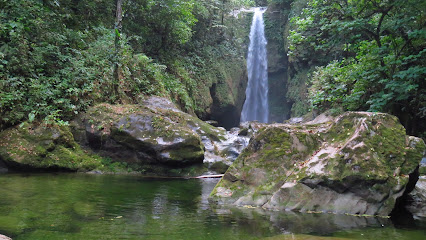
The Lodge & Spa at Pico Bonito
3.3 km
Experience the perfect blend of luxury and adventure at The Lodge & Spa at Pico Bonito, where nature meets comfort in La Ceiba, Honduras.
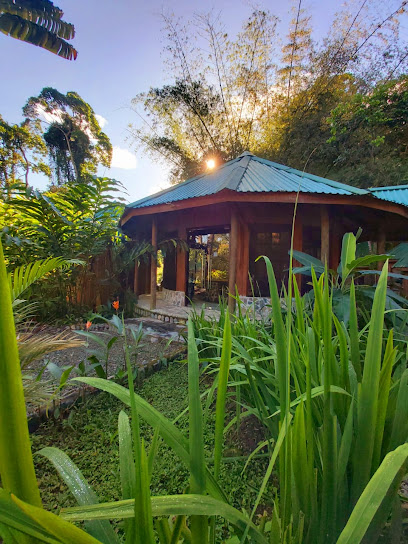
Corinto Pearl Eco Resort
3.9 km
Discover serenity and adventure at Corinto Pearl Eco Resort, a tropical paradise in La Ceiba, Honduras, where nature and comfort blend seamlessly.

Montaña Pico Bonito
6.6 km
Discover Montaña Pico Bonito: A breathtaking hiking area in Honduras, rich in wildlife, stunning landscapes, and adventure.
Pico Bonito
6.8 km
Discover Pico Bonito National Park: Honduras's pristine rainforest, cascading waterfalls, and thrilling adventures await near La Ceiba, offering an unforgettable ecotourism experience.
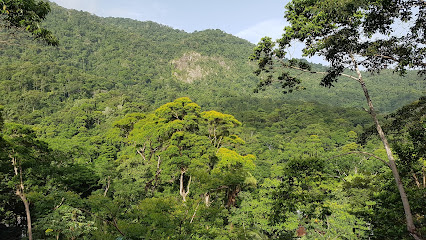
Refugio de Vida Silvestre Cuero y Salado
10.9 km
Explore the lush biodiversity and serene landscapes of Refugio de Vida Silvestre Cuero y Salado in La Union, a must-visit eco-tourism gem in Honduras.
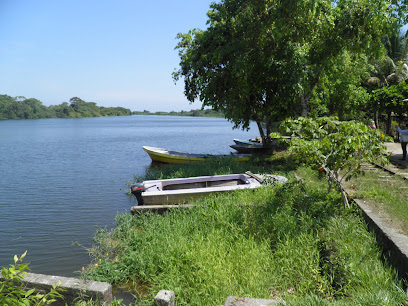
Apart Hotel Pico Bonito
11.4 km
Experience the perfect blend of comfort and nature at Apart Hotel Pico Bonito in La Ceiba, Honduras, your gateway to adventure and relaxation.
Fundación Parque Nacional Pico Bonito- FUPNAPIB
12.2 km
Explore the breathtaking landscapes and vibrant ecosystems of Fundación Parque Nacional Pico Bonito in La Ceiba, the jewel of Honduras' natural wonders.
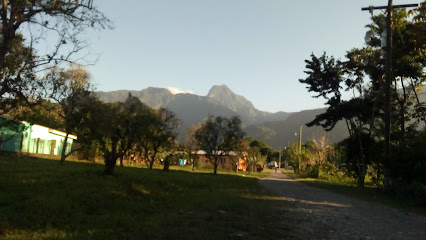
S. of Pico Bonito
16.0 km
Explore the breathtaking heights of S. of Pico Bonito in Atlántida, where adventure meets stunning natural beauty in Central America.
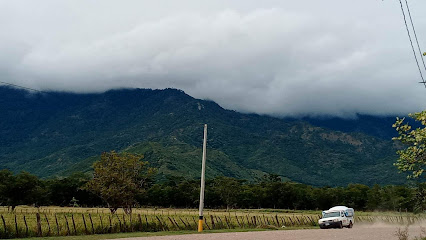
Honduras la ceiba
16.6 km
Explore La Ceiba's stunning coastline and vibrant culture from a modern condominium complex that offers the best of relaxation and adventure.
Hotel Paseo Delfin
16.6 km
Experience comfort and local charm at Hotel Paseo Delfin, your ideal base for exploring La Ceiba's stunning beauty and vibrant culture.
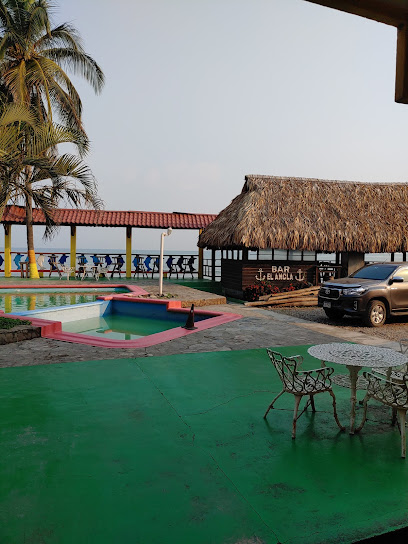
Ceiba
16.8 km
Experience the vibrant culture and stunning natural beauty of Ceiba, Honduras – a coastal paradise for adventure seekers and relaxation lovers alike.
Beer Box La Ceiba
17.4 km
Experience La Ceiba's vibrant nightlife at Beer Box, offering a wide selection of local and international beers in a cozy and inviting atmosphere, perfect for beer enthusiasts.
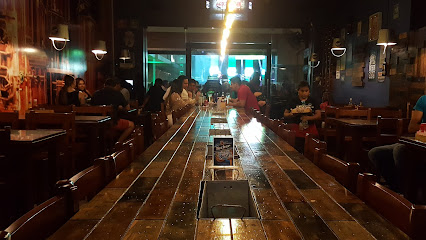
Willy Food
17.4 km
Experience the vibrant flavors of Honduras at Willy Food, a top-rated restaurant in La Ceiba showcasing local and international cuisine.
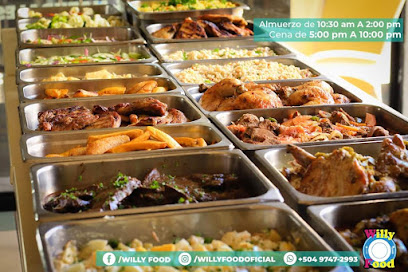
UNIPLAZA
17.8 km
Explore UNIPLAZA in La Ceiba for a unique shopping experience blending local culture, diverse dining, and family-friendly entertainment.
Unmissable attractions to see

Poza de las Perlas
2.7 km
Explore Poza de las Perlas in Atlántida, a hiking area surrounded by stunning landscapes and vibrant nature, perfect for outdoor enthusiasts.
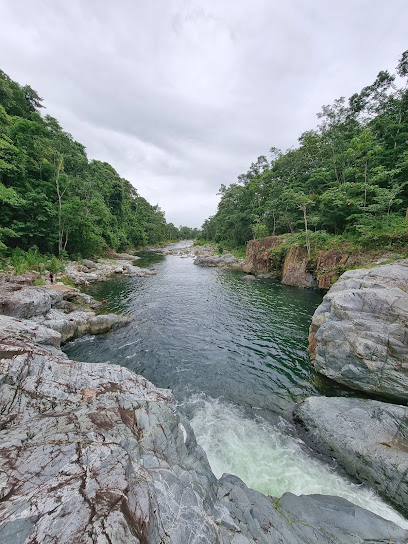
Yalateles
3.4 km
Experience the breathtaking beauty of Yalateles in Atlántida, Honduras, a paradise for nature lovers and adventure seekers alike.
Posa el tamarindo
3.4 km
Explore Posa el Tamarindo, a serene tourist attraction in El Porvenir, where nature meets culture in the heart of Honduras.
Estacion Cuero y Salado
5.3 km
Explore the breathtaking landscapes and rich biodiversity of Estacion Cuero y Salado in La Unión, a must-see destination for nature lovers in Honduras.
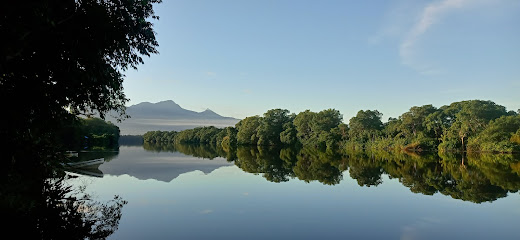
PARADOR FOTOGRAFICO REDONTA
6.5 km
Discover the stunning vistas and vibrant landscapes at Parador Fotografico Redonta, a must-visit attraction in El Porvenir, Atlántida, for every nature lover.
La Culebra/Cula
7.1 km
Experience the tranquil beauty and cultural richness of La Culebra in Atlántida, a must-visit tourist attraction for nature lovers and cultural enthusiasts alike.
Cascadas el Zacate
7.1 km
Explore the hidden beauty of Cascadas el Zacate in El Porvenir, where stunning waterfalls and lush nature await every traveler.
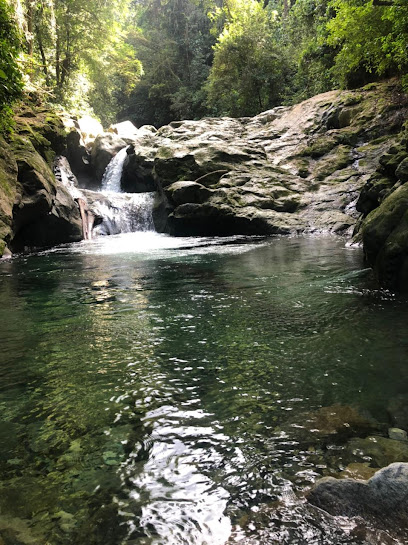
Las tres piedras rio bonito
7.9 km
Explore the breathtaking beauty of Las Tres Piedras Rio Bonito, a hidden gem in La Ceiba, perfect for nature lovers and adventure seekers.
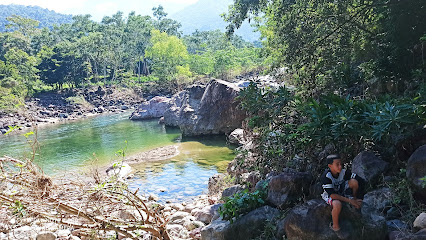
Cerro Del Alba
8.2 km
Explore the breathtaking beauty of Cerro Del Alba in Pico Bonito National Park, a must-visit hiking area for nature lovers and adventure seekers.
Parador Fotográfico El Porvenir Atlantida
8.3 km
Explore stunning vistas and embrace the rich culture at Parador Fotográfico El Porvenir Atlantida, a must-visit destination in Honduras.
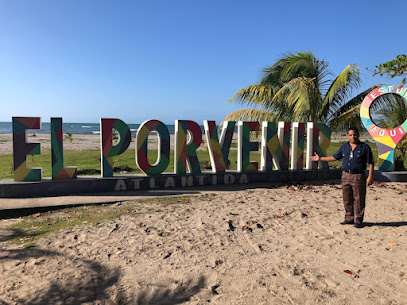
Vida Mejor Park
9.6 km
Experience tranquility at Vida Mejor Park in La Ceiba, a lush green escape perfect for relaxation and local cultural events.
Museo de Entomología del CURLA
9.6 km
Discover the captivating world of insects at Museo de Entomología del CURLA in La Ceiba, Honduras – a must-visit for nature lovers and curious minds.
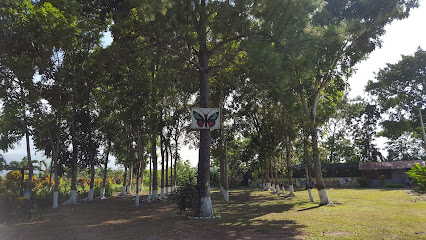
Sol UNAH Park
9.6 km
Experience tranquility at Sol UNAH Park in La Ceiba, a green paradise perfect for relaxation, family fun, and exploring nature's beauty.
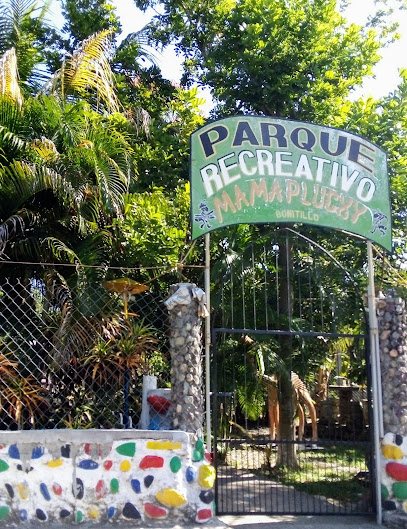
Recreativo Mamapucxy Park
10.1 km
Experience tranquility at Recreativo Mamapucxy Park, a lush green retreat in La Ceiba, perfect for relaxation and outdoor family fun.
La llave
10.2 km
Explore La Llave, a stunning tourist attraction in La Ceiba, Atlántida, where nature's beauty meets vibrant local culture for an unforgettable experience.
Essential places to dine

Caracas Comedor Pico Bonito
3.1 km
Experience authentic Honduran cuisine at Comedor Pico Bonito in La Ceiba - where every dish tells a story.
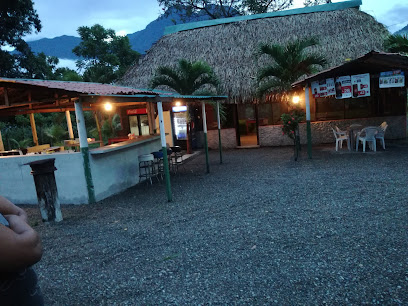
Pupusería El Rinconcito Salvadoreño
16.3 km
Discover authentic Salvadoran flavors at Pupusería El Rinconcito Salvadoreño in La Ceiba - home of delicious pupusas and more.
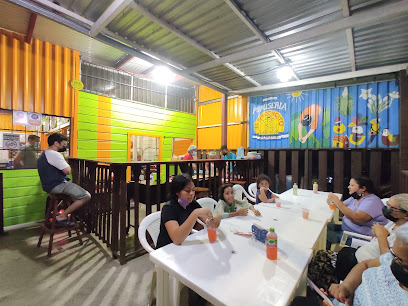
Azul Café - Bistro
16.6 km
Discover the vibrant flavors of Honduras at Azul Café - Bistro in La Ceiba, where family-friendly dining meets culinary creativity.
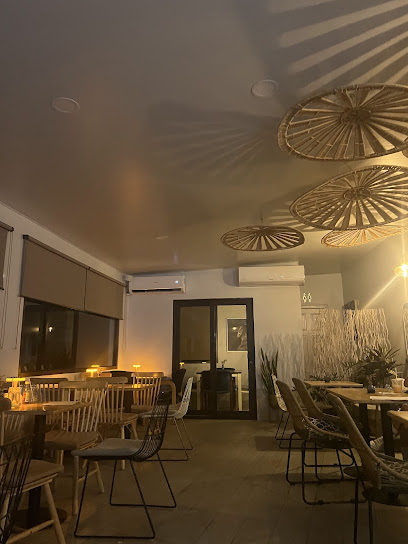
Santo Domingo
16.7 km
Experience the vibrant culinary scene of Santo Domingo with its rich flavors and diverse dining options amidst historic charm.
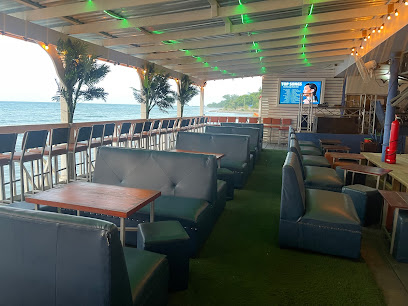
Costa Azul Bar & Grill
16.8 km
Experience authentic Russian cuisine at Costa Azul Bar & Grill in La Ceiba - where tradition meets flavor in every dish.
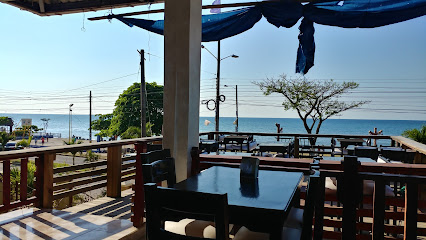
El Paseo Restaurant
16.9 km
Experience authentic Honduran flavors at El Paseo Restaurant in La Ceiba—where every meal is a celebration of local culinary traditions.
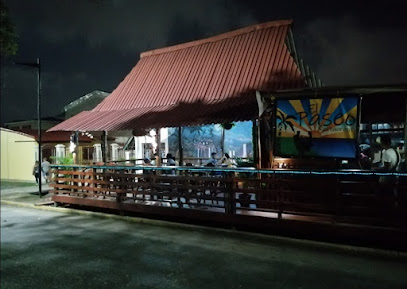
House Kitchen HN
17.0 km
Experience authentic Honduran cuisine at House Kitchen HN in La Ceiba—where every dish tells a story of flavor and tradition.

Restaurante Golden Palace
17.0 km
Savor the authentic taste of China at Restaurante Golden Palace in La Ceiba – where culinary excellence meets warm hospitality.
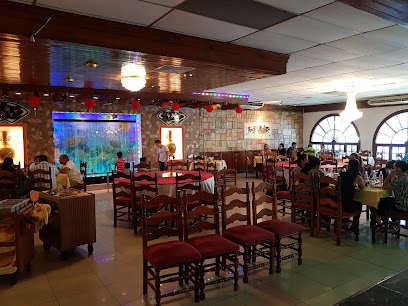
La Proa Restaurant
17.0 km
Discover authentic Honduran flavors at La Proa Restaurant in La Ceiba - a culinary haven for seafood lovers and culture enthusiasts alike.
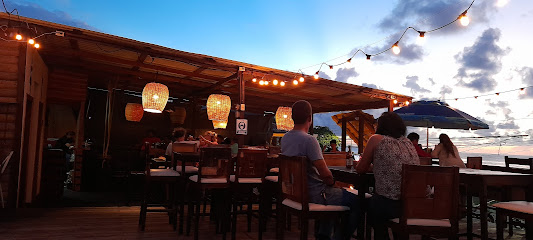
El Paseo Taqueria
17.0 km
Discover authentic Mexican cuisine at El Paseo Taqueria in La Ceiba – a vibrant spot for flavorful tacos and warm hospitality.
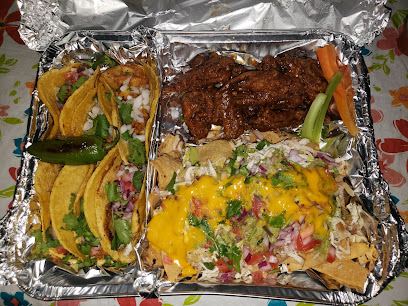
Restaurante La Ponderosa
17.1 km
Experience authentic Honduran cuisine at Restaurante La Ponderosa in La Ceiba—where delicious food meets vibrant culture.
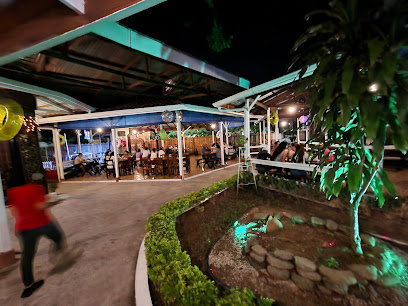
Fela’s Restaurante & Bar
17.4 km
Experience authentic Honduran cuisine at Fela's Restaurante & Bar in La Ceiba—where every meal tells a story.
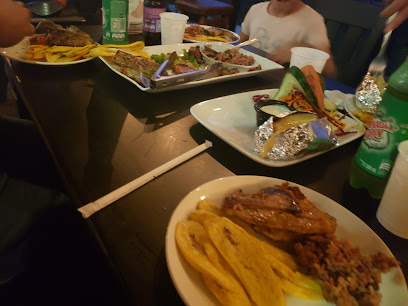
Aquarium Restaurante y Cevichería
17.4 km
Savor fresh seafood and local cuisine at Aquarium Restaurante y Cevichería in La Ceiba—where every dish tells a story.
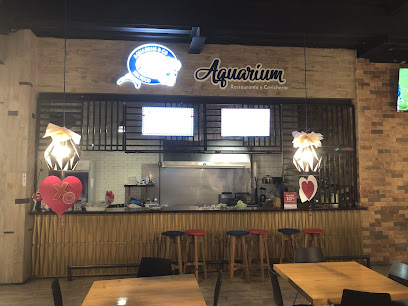
Wing 5
17.4 km
Discover authentic Honduran flavors at Wing 5 in La Ceiba - a must-visit restaurant offering diverse dishes in a welcoming atmosphere.

To Go Cafe
17.5 km
Discover the vibrant flavors of Honduras at To Go Cafe in La Ceiba – where every meal is a delightful experience.
Markets, malls and hidden boutiques

Mil Detalles
2.7 km
Explore Mil Detalles in El Pino, Atlántida – a vibrant gift shop showcasing the best of Honduras' handicrafts and local artistry.
Garcias Store #5
2.8 km
Explore local fashion at Garcias Store #5 in La Ceiba, where vibrant styles meet the warmth of Honduran culture.
Nelson Store
2.9 km
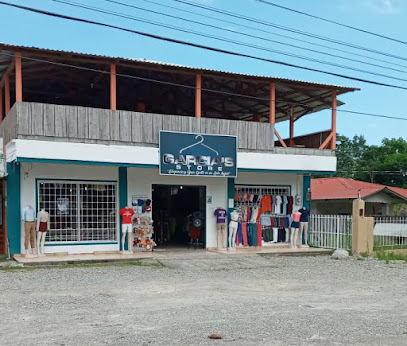
Explore the vibrant fashion of Honduras at Nelson Store, a unique clothing destination in El Porvenir showcasing local craftsmanship and style.
Tienda las 3B, tienda ropa el pino.
2.9 km
Discover authentic Honduran fashion at Tienda las 3B, a charming clothing store in El Porvenir offering stylish apparel for every taste.
Bazar Hermanitos Calix
2.9 km
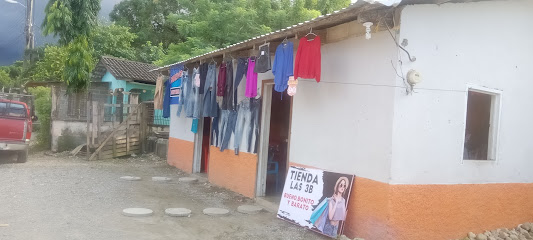
Discover unique clothing and accessories at Bazar Hermanitos Calix, a vibrant store in El Pino, Atlántida, reflecting local fashion and culture.

KELAMUN
2.9 km
Experience the vibrant local culture at Kelamun, the ultimate shopping destination in El Pino, Atlántida, offering unique handcrafted goods and authentic souvenirs.
Zavalita Mami Store
3.5 km
Explore Zavalita Mami Store in El Pino, Atlántida, for a unique selection of cosmetics and local beauty treasures to enhance your travel experience.
Tienda de muebles rústicos
3.7 km
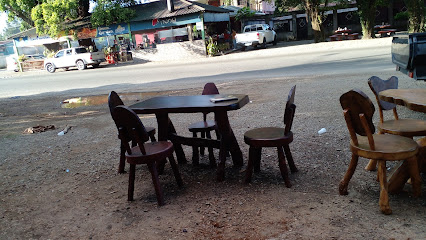
Explore the unique charm of Honduras at Tienda de Muebles Rústicos, where handcrafted furniture tells the story of local artistry and tradition.
Henry's Fragance
9.0 km
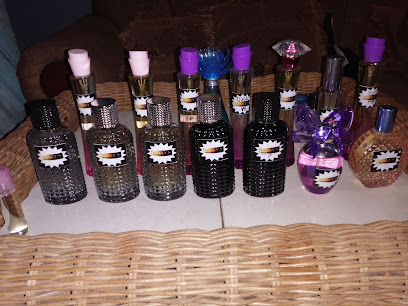
Henry's Fragrance in La Ceiba offers a unique shopping experience with an extensive selection of exquisite perfumes and personalized scents.
TIENDA MILITAR
9.4 km
Experience the inviting ambiance and rich flavors at Tienda Militar, La Ceiba's charming coffee shop in the heart of Atlántida.
Tienda bonita
9.8 km
Explore Tienda Bonita in La Ceiba for unique clothing and accessories that reflect the vibrant culture of Honduras.
Pulpería Y Variedes La Bendición
10.1 km
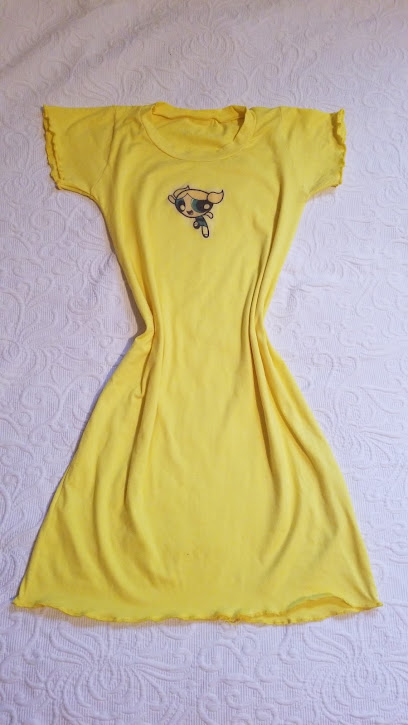
Discover the essence of La Ceiba at Pulpería Y Variedes La Bendición, a vibrant store offering local goods and an authentic cultural experience.
Creaciones Carmen
10.1 km
Explore Creaciones Carmen in La Ceiba, where local craftsmanship meets vibrant cultural treasures perfect for souvenirs.
Rusticos AC
10.1 km
Discover the vibrant spirit of Honduras at Rusticos AC, La Ceiba's premier craft store, offering unique handmade treasures and authentic souvenirs.
Pulpería La Popular
10.4 km
Discover local life at Pulpería La Popular, the charming convenience store in La Ceiba offering a taste of authentic Honduran culture.
Essential bars & hidden hideouts

Bar and Grill Tercero
10.1 km
Experience the lively flavors of La Ceiba at Bar and Grill Tercero, where delicious food meets a vibrant atmosphere for an unforgettable dining experience.
La Reyes
12.4 km
Discover the vibrant atmosphere and local flavors at La Reyes, a must-visit bar in La Ceiba, perfect for relaxing and socializing.
Yadira’s bar & grill
15.9 km
Discover the essence of La Ceiba at Yadira’s Bar & Grill, where delicious grilled dishes meet a lively bar atmosphere for an unforgettable dining experience.

Mata de Chata
16.2 km
Experience the lively atmosphere of Mata de Chata, a top bar in La Ceiba, where delicious drinks and good vibes await every visitor.
Dee Jay Bar
16.3 km
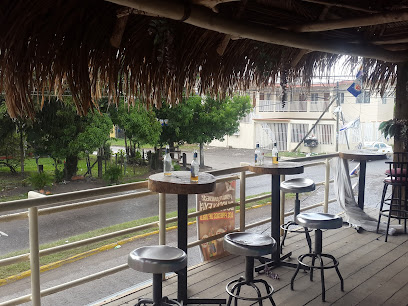
Dive into the vibrant nightlife of La Ceiba at Dee Jay Bar, where great drinks and a lively atmosphere await every visitor.
SOPRANOS BAR 0101
16.7 km
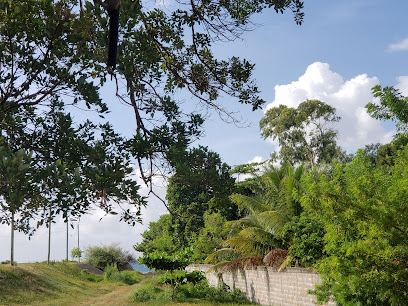
Experience the vibrant nightlife at Sopranos Bar 0101 in La Ceiba, where great drinks and local culture come together in a lively atmosphere.
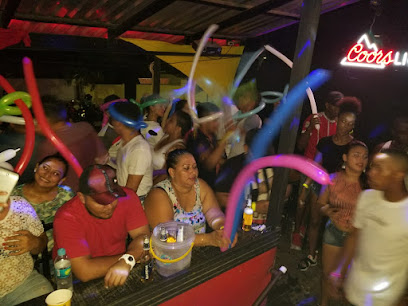
Cube Bar
17.0 km
Experience the essence of La Ceiba's nightlife at Cube Bar, where vibrant atmosphere meets delicious drinks and great company.
DRINK HOUSE
17.4 km
Experience the vibrant nightlife at Drink House in La Ceiba, where local flavors and lively music create unforgettable moments.
Los Pijazos
17.9 km
Discover the lively cocktail culture of La Ceiba at Los Pijazos, where expertly crafted drinks and a vibrant atmosphere await you.
Beer House Y La Esquina del Pollo
17.9 km
Experience La Ceiba's lively bar scene at Beer House Y La Esquina del Pollo, featuring delicious food, diverse beers, and vibrant live music.
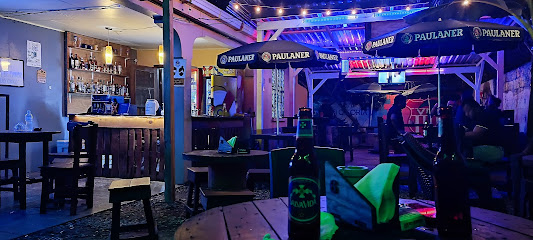
Cafiru Bar & Restaurant
18.0 km
Experience La Ceiba's nightlife at Cafiru Bar & Restaurant, where delicious food and vibrant ambiance meet for an unforgettable dining experience.
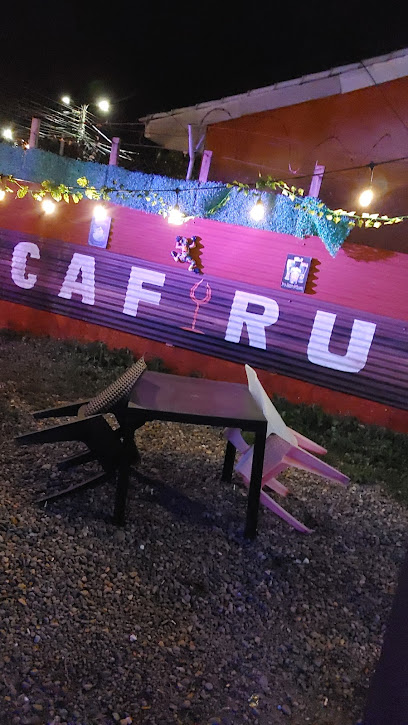
BeerZone
18.1 km
Experience the vibrant nightlife of La Ceiba at BeerZone, where craft beers and cocktails meet a lively atmosphere.
Bakan bar y restaurant
18.1 km
Experience the vibrant nightlife and authentic flavors at Bakan Bar & Restaurant in La Ceiba, Honduras.
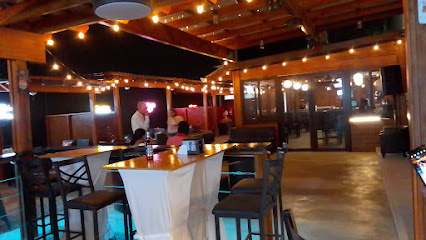
Mini Stop Bar & Grill
18.2 km
Experience the vibrant nightlife at Mini Stop Bar & Grill in La Ceiba, where local flavors and lively atmosphere create unforgettable memories.
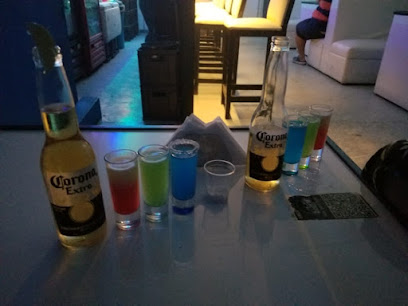
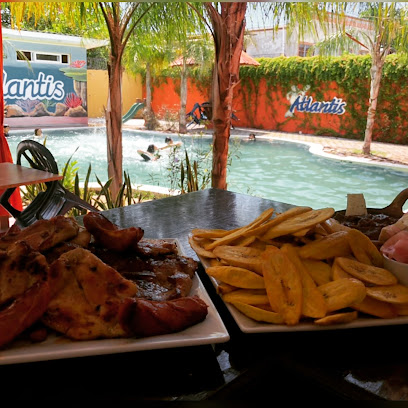
Atlantis Bar & Piscina
18.2 km
Discover the perfect blend of relaxation and vibrant nightlife at Atlantis Bar & Piscina, La Ceiba's premier poolside retreat.
Nightclubs & after hour spots

El Puma
3.5 km
Discover the vibrant nightlife at El Puma, a local bar in Atlántida offering an unforgettable blend of drinks, music, and a friendly atmosphere.
Impactos Discotec
8.4 km
Dive into the heart of El Porvenir's nightlife at Impactos Discotec, where music, dance, and culture unite for an unforgettable experience.
Donde el Socio
8.7 km
Experience the vibrant nightlife of La Ceiba at Donde el Socio, where delicious drinks and a lively atmosphere await every visitor.
Tiger Bar HCM
9.9 km
Discover the lively atmosphere of Tiger Bar in La Ceiba, where refreshing drinks and local culture blend for an unforgettable night out.
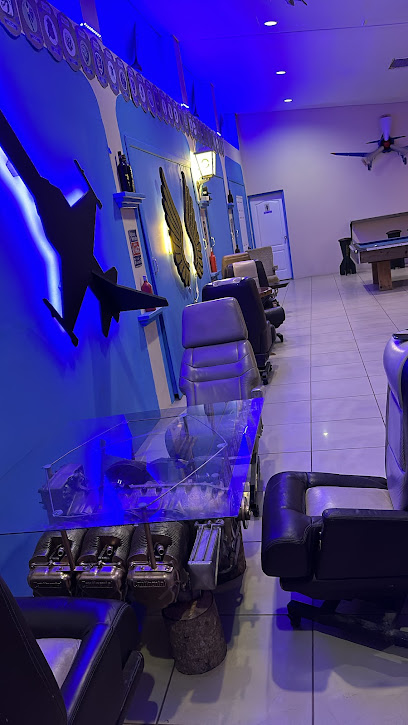
Billar Ortiz
11.0 km
Discover the vibrant nightlife of La Ceiba at Billar Ortiz, a lively bar offering local drinks, billiards, and a welcoming atmosphere.
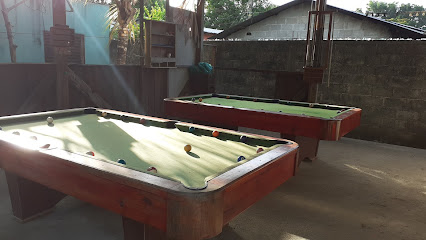
Villalta
13.4 km
Discover the lively ambiance and unique local flavors at Villalta, the ultimate bar experience in La Ceiba, Atlántida, Honduras.
Callejón de las familas fun,her,Gotay
18.0 km
Experience the vibrant nightlife of La Ceiba at Callejón de las Familas Fun, where music and culture come alive in a lively atmosphere.
Restaurante Acropolis
18.8 km
Experience the vibrant flavors of La Ceiba at Restaurante Acropolis, where local cuisine meets international delights in a charming atmosphere.
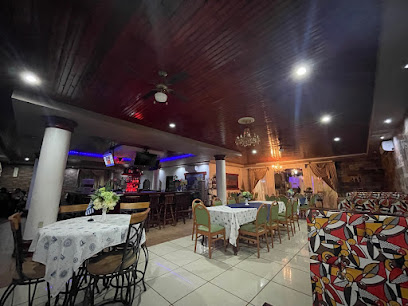
Fantasy Night Club
19.6 km
Experience the vibrant nightlife of La Ceiba at Fantasy Night Club, where music, dancing, and unforgettable memories come alive.
Ibiza Disco, Bar And Grill
31.6 km
Discover Ibiza Disco, Bar And Grill - the ultimate nightlife destination in San Juan Pueblo, Atlántida, where exquisite food meets electric music.
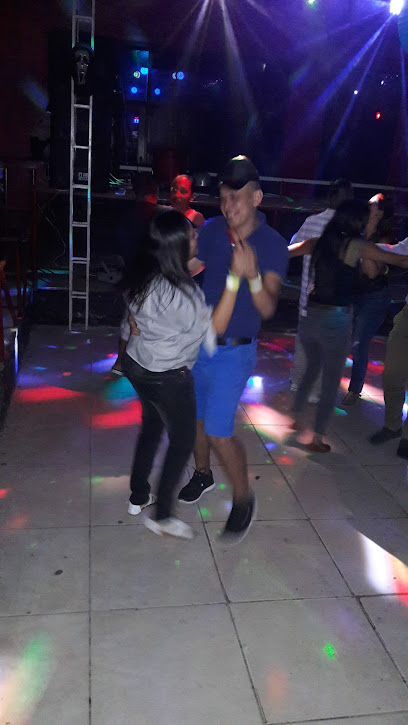
Centro Comunal Santa Barbara
33.4 km
Experience the vibrant nightlife of Jacualtuste at Centro Comunal Santa Barbara, a lively night club in Yoro that promises unforgettable moments.
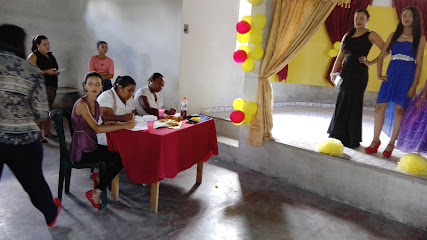
Taboo Discotec
43.5 km
Discover the electric atmosphere of Taboo Discotec, a top disco club in Olanchito, ideal for dancing, drinks, and vibrant nightlife.
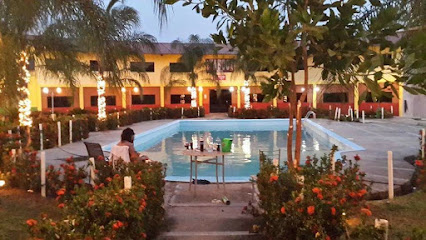
La Isla
45.2 km
Discover the vibrant nightlife of Utila at La Isla, a premier club offering unforgettable music, dancing, and a taste of local culture in a tropical paradise.
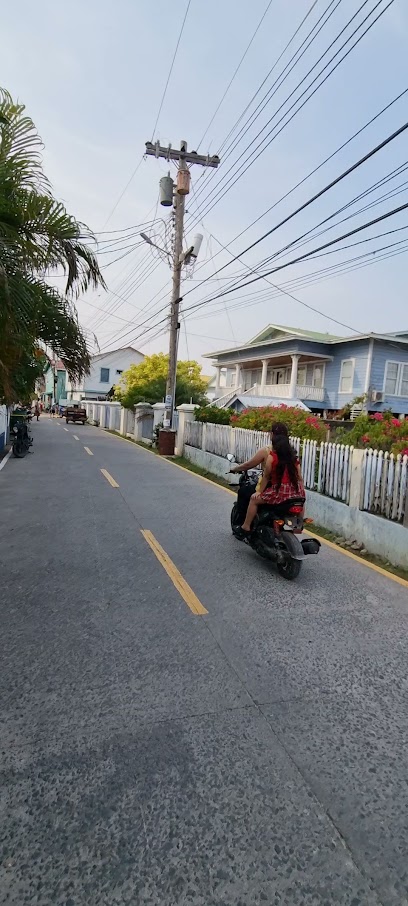
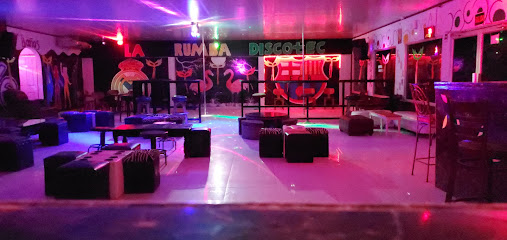
LaRumbaDiscotec
45.8 km
Experience the vibrant nightlife at La Rumba Discotec in Olanchito, where dance, music, and unforgettable moments await.
Cayo Cochino Menor
54.6 km
Unwind in the breathtaking beauty of Cayo Cochino Menor, where pristine beaches and vibrant marine life create an unforgettable island escape.