
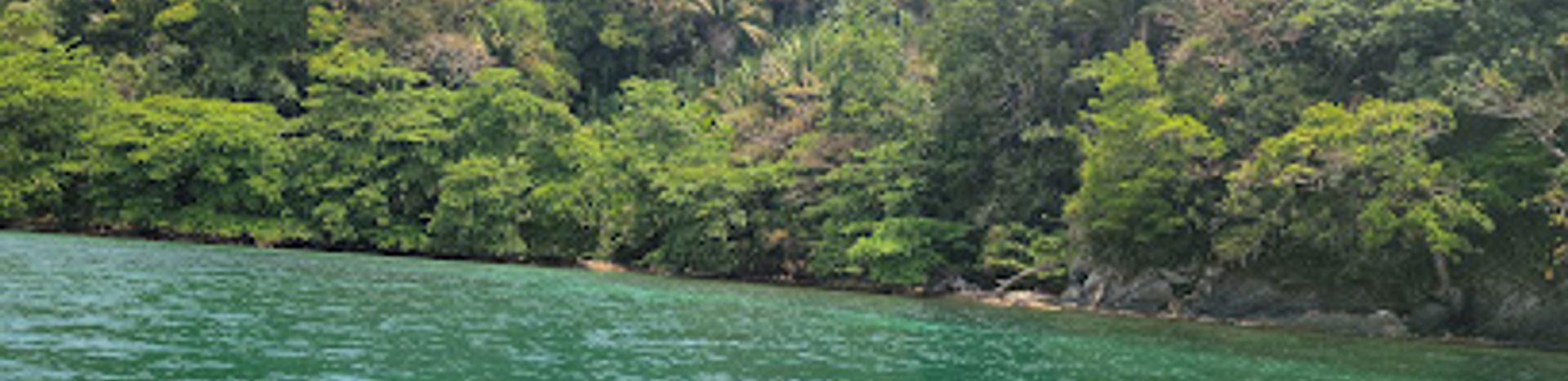
Jeannette Kawas National Park: A Honduran Coastal Paradise
Discover the pristine beaches, lush rainforests, and vibrant coral reefs of Parque Nacional Jeannette Kawas, a Honduran paradise teeming with wildlife and natural beauty.
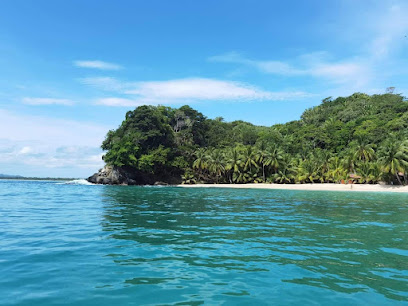
Parque Nacional Jeannette Kawas, also known as Punta Sal National Park, is a stunning protected area on Honduras's northern Caribbean coast. Named in honor of environmental activist Jeannette Kawas, the park encompasses diverse ecosystems, including lush rainforests, mangrove swamps, lagoons, and pristine beaches. Visitors can explore the park's rich biodiversity, home to howler monkeys, toucans, manatees, and vibrant coral reefs. Hiking trails wind through the rainforest, offering panoramic views and encounters with wildlife. Snorkeling and diving opportunities abound in the crystal-clear waters, revealing a colorful underwater world. Whether you seek adventure or tranquility, Jeannette Kawas National Park promises an unforgettable experience immersed in nature's beauty. The park is a must-see destination for nature lovers and adventure seekers alike.
A brief summary to Parque Nacional Jeannette Kawas
- W96J+J95, Río Tinto, HN
Local tips
- Visit during the dry season (November to April) for the best weather and wildlife viewing opportunities.
- Hire a local guide to enhance your experience and learn about the park's ecology and history.
- Bring insect repellent, sunscreen, and plenty of water, as facilities within the park are limited.
- Consider taking a boat tour to explore the park's coastline, lagoons, and mangrove swamps.
- Respect the park's environment by avoiding littering and followingLeave No Trace principles.

Getting There
-
Public Transportation
From La Ceiba, take a bus to Río Tinto. Buses depart frequently from the main terminal in La Ceiba, costing approximately 30 Lempira. Upon arrival in Río Tinto, you can either walk or hire a taxi to the park entrance. Taxis in Río Tinto typically charge around 100 Lempira for the short trip to the park.
-
Taxi/Ride-Share
From Tela, a taxi to the Lancetilla River estuary or the sandbars at the river's mouth, where boats depart for the park, will cost approximately 200-300 Lempira. Negotiate the fare beforehand. From there, boat tours to the park typically range from 300-500 Lempira per person, depending on the tour operator and the duration of the trip. Ensure the price includes park entrance fees.
-
Boat
The most common way to access the park is by boat from Tela. Boat tours can be arranged through various tour operators in Tela, with prices ranging from 300 to 500 Lempira per person. These tours typically include transportation to and from the park, a guided hike through the rainforest, snorkeling opportunities, and lunch on the beach. Alternatively, you can hire a private boat from the Garifuna village of Miami, but be prepared to haggle in Spanish. Park entrance fees are typically around 100 Lempira per person and may or may not be included in the boat tour price, so confirm beforehand.
Discover more about Parque Nacional Jeannette Kawas
Iconic landmarks you can’t miss

Indura Beach & Golf Resort Curio Collection By Hilton
15.0 km
Discover the ultimate luxurious getaway at Indura Beach & Golf Resort Curio Collection by Hilton, where pristine beaches meet exceptional service and adventure.

Honduras Shores Plantation
17.7 km
Experience the serene beauty and luxurious comforts of Honduras Shores Plantation, a premier resort hotel in Tela, Honduras.
El Guano
21.6 km
Experience the breathtaking beauty and rich cultural heritage of El Guano, a captivating tourist attraction in Tela, Honduras.
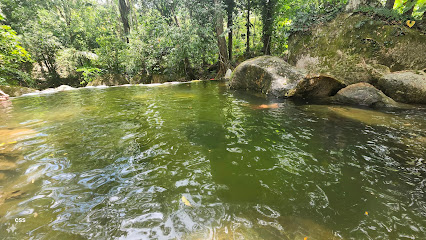
Muelle de Tela
22.3 km
Explore Muelle de Tela, where the Caribbean beauty meets vibrant culture in stunning Honduras.
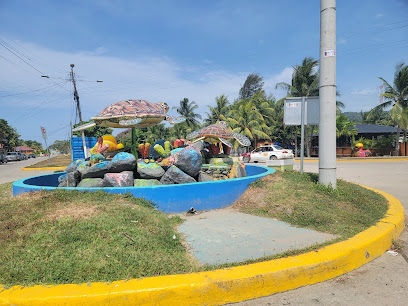
Rosa Negra Blvd
22.5 km
Experience the vibrant nightlife at Rosa Negra Blvd, Tela's premier bar for delicious cocktails, live music, and unforgettable moments.
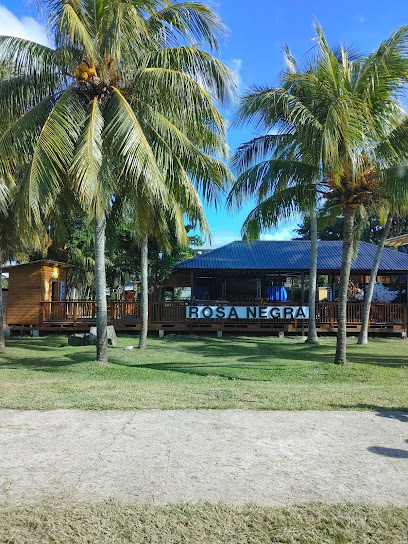
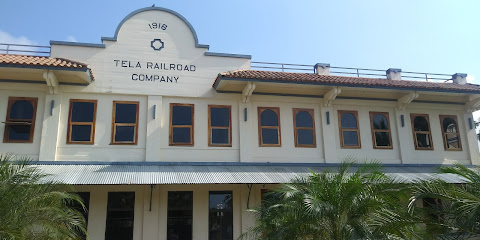
Pagaduria Tela Railroad Co.
22.6 km
Discover the legacy of railroads at Pagaduria Tela Railroad Co. Museum in Tela, Honduras, a unique glimpse into the region's rich history.
Piedra Garífuna
22.8 km
Explore the cultural richness of Piedra Garífuna, a historical landmark that embodies the spirit of the Garífuna community in La Ensenada.
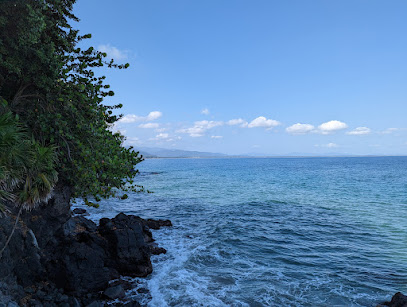
Garifuna Tours
22.9 km
Experience the vibrant culture and stunning landscapes of Tela with Garifuna Tours, your gateway to the Garifuna heritage.
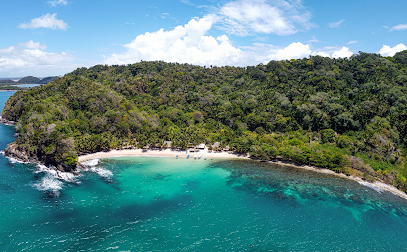
Playa Escondida Beach Club
23.4 km
Experience the tranquility of Playa Escondida Beach Club, a serene resort hotel in Tela, Honduras, perfect for relaxation and adventure seekers.
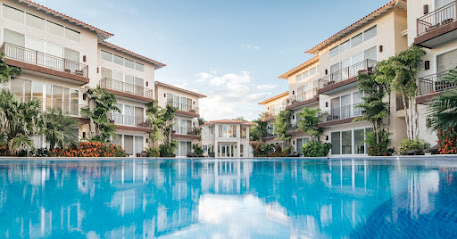
Caribbean Coral Inn Tela
24.9 km
Experience the beauty and culture of Atlántida at Caribbean Coral Inn Tela, your ideal base for exploring Honduras' stunning beaches and natural wonders.
Coco Tours Honduras
25.4 km
Explore the stunning beauty and rich culture of Honduras with personalized tours from Coco Tours Honduras in Tela.
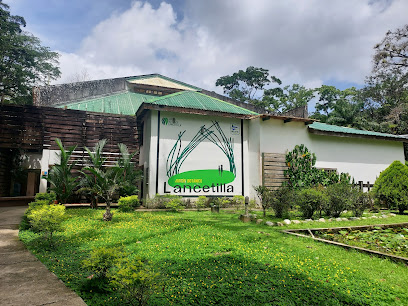
Lancetilla Botanical Garden
25.8 km
Experience the beauty of nature at Lancetilla Botanical Garden, a tropical paradise with diverse plant species and serene landscapes near Tela, Honduras.
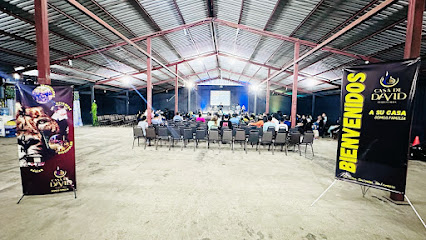
CASA DE DAVID PUERTO CORTES HONDURAS
34.5 km
Discover the spiritual heart of Puerto Cortés at Casa de David, a cultural landmark offering a serene escape and a glimpse into the community's vibrant traditions and deep-rooted faith.
Puerto cortés
34.5 km
Discover the charm of Puerto Cortés, a family-friendly playground and a gateway to vibrant Honduran culture and beautiful beaches.
Maxi Despensa • Puerto Cortés
34.5 km
Explore the vibrant culture of Puerto Cortés at Maxi Despensa, a supermarket offering local flavors, fresh produce, and a taste of Honduras.
Unmissable attractions to see

Punta Sal Tela
3.3 km
Discover the pristine beaches and vibrant marine life at Punta Sal Tela, a tropical paradise that promises unforgettable adventures in Honduras.
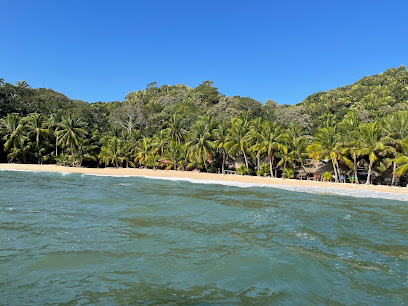
Bahía de Tela
13.7 km
Discover the captivating beauty and cultural richness of Bahía de Tela, a stunning coastal destination on Honduras' Caribbean shores.
San Juan del Mar
19.5 km
Discover the idyllic beauty and vibrant culture of San Juan del Mar, a perfect beach getaway on the Caribbean coast of Honduras.
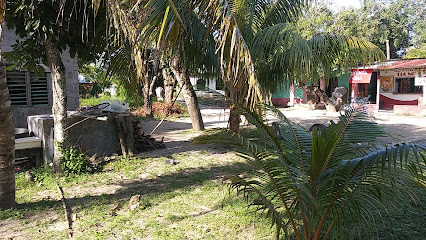
Tornabe
22.5 km
Explore Tornabe, a captivating tourist attraction in Tela, where Caribbean beauty meets rich local culture and unforgettable adventures await.
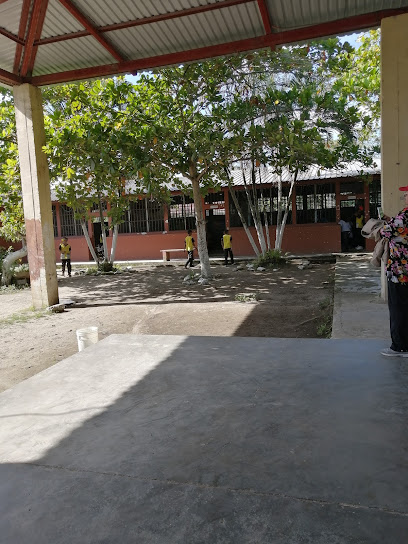
Museo Tela Railroad Company
22.6 km
Explore the fascinating history of Tela at the Museo Tela Railroad Company, where the legacy of the railroad comes alive through engaging exhibits and stories.
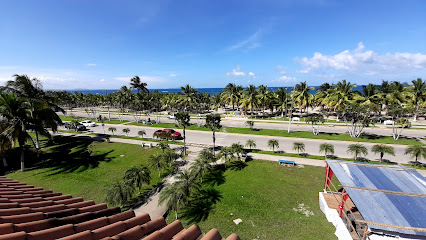
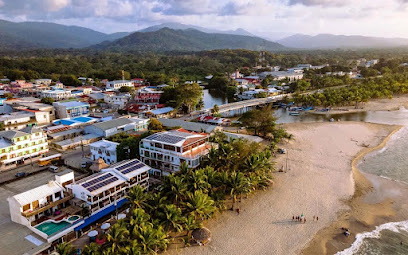
Playa Municipal de Tela
22.7 km
Experience the stunning beauty and vibrant culture of Playa Municipal de Tela, a premier beach destination in Honduras.
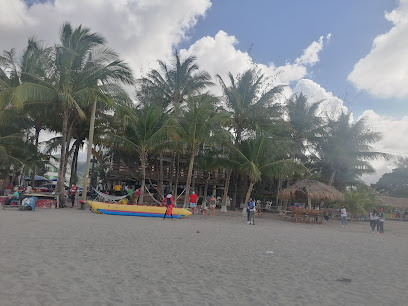
Tela Honduras (Public Beach)
22.7 km
Experience the enchanting beauty of Tela Beach in Honduras, where golden sands meet vibrant culture and endless adventure awaits.
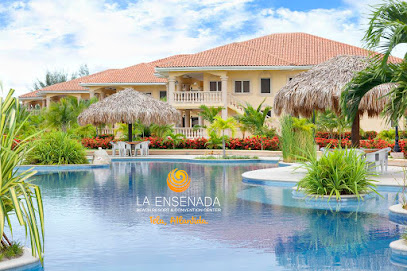
La Ensenada Beach Resort & Convention Center
23.2 km
Discover the ultimate beach getaway at La Ensenada Beach Resort & Convention Center, where relaxation meets adventure in beautiful Tela, Honduras.
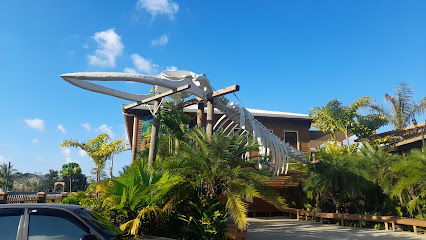
Tela Marine
23.3 km
Explore Tela Marine, an enchanting aquarium in Honduras, showcasing vibrant marine life and promoting ocean conservation in an interactive setting.
Jardín Botánico Lancetilla
25.8 km
Explore the stunning biodiversity of Jardín Botánico Lancetilla, a serene retreat in Tela, Honduras, perfect for nature lovers and peaceful escapes.
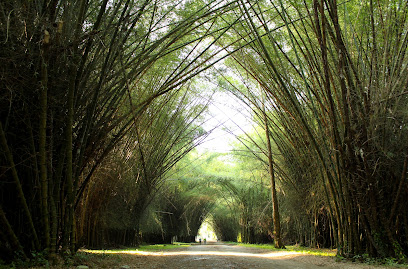
Parque Nacional Punta Izopo
30.2 km
Explore the breathtaking landscapes and rich biodiversity of Parque Nacional Punta Izopo, a hidden paradise in Las Palmas, Atlántida.
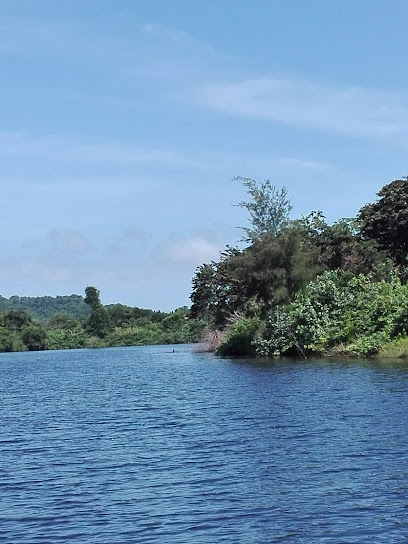
El malecon Puerto Cortés, Honduras
34.5 km
Discover the beauty of El Malecón in Puerto Cortés, a scenic waterfront promenade perfect for relaxation, local cuisine, and breathtaking sunsets.
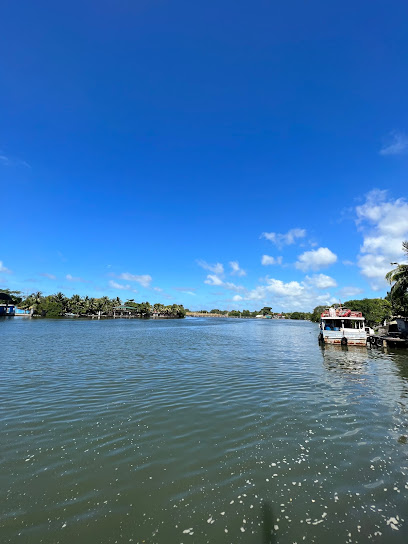
Playas Municipales
35.1 km
Experience the vibrant atmosphere and stunning beauty of Playas Municipales, a must-visit beach in Puerto Cortes, Honduras.
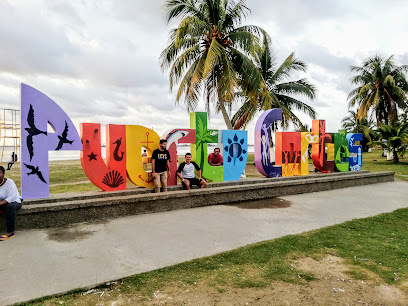
Playa de la Coca Cola
35.2 km
Experience the idyllic Playa de la Coca Cola, a stunning beach in Puerto Cortes, perfect for relaxation and adventure amidst breathtaking natural beauty.
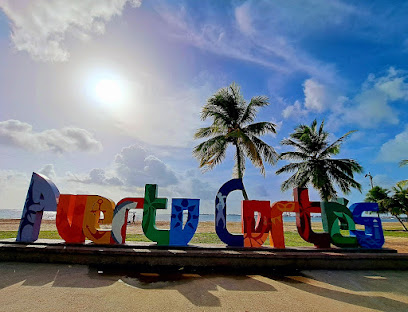
Playa de Rio Mar
36.1 km
Experience the tranquil beauty of Playa de Rio Mar, a hidden gem in Puerto Cortes, where golden sands meet crystal-clear waters.
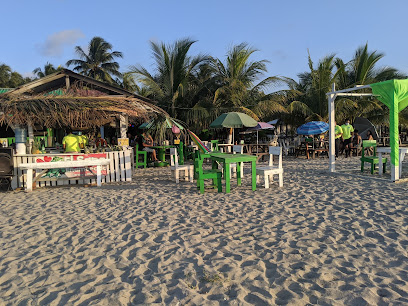
Essential places to dine

Restaurante Los Coquitos
11.3 km
Discover delectable local cuisine at Restaurante Los Coquitos in Tela – a culinary oasis by the sea with vibrant flavors and stunning views.
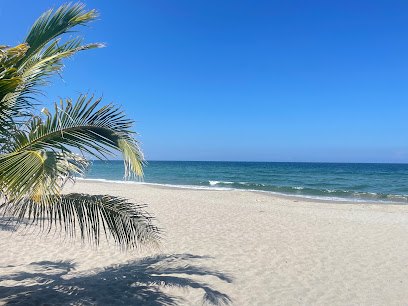
Comedor Don Kike
16.2 km
Experience authentic Honduran flavors at Comedor Don Kike, Tela's favorite restaurant for fresh seafood and local delicacies.
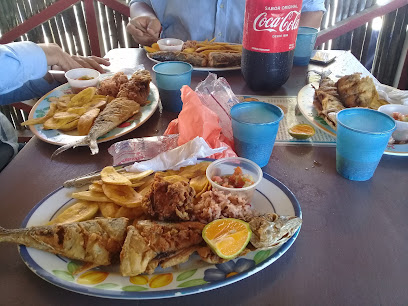
Restaurante Vista al Mar
19.0 km
Experience exquisite seafood dining with breathtaking ocean views at Restaurante Vista al Mar in Tela, Honduras.
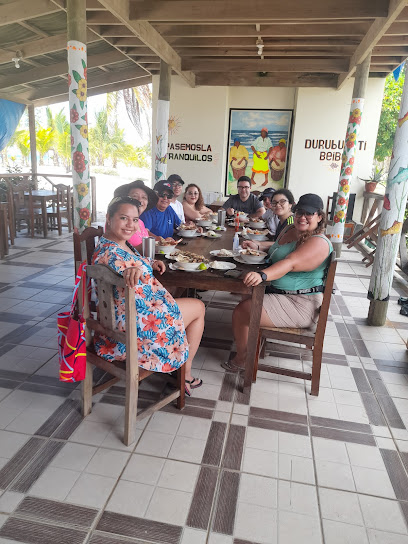
Costeros
22.0 km
Discover Costeros in Tela: Where Fresh Seafood Meets Breathtaking Ocean Views
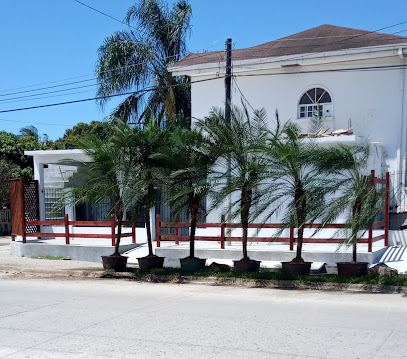
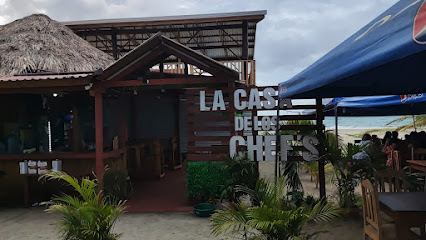
La Casa De Los Chefs/ Playa
22.0 km
Discover La Casa De Los Chefs in Tela - where delicious grilled cuisine meets breathtaking beachfront views.
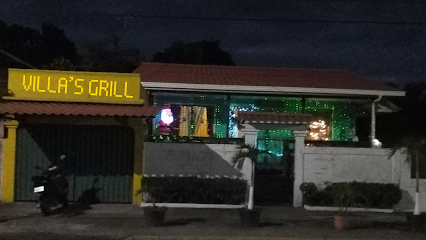
VILLA'S GRILL
22.1 km
Experience authentic Honduran cuisine at Villa's Grill, where every meal is crafted with local flavors and served in a charming coastal setting.
Telamar Restaurante Bella Vista
22.2 km
Experience authentic Honduran cuisine at Telamar Restaurante Bella Vista with stunning ocean views and fresh seafood delights.
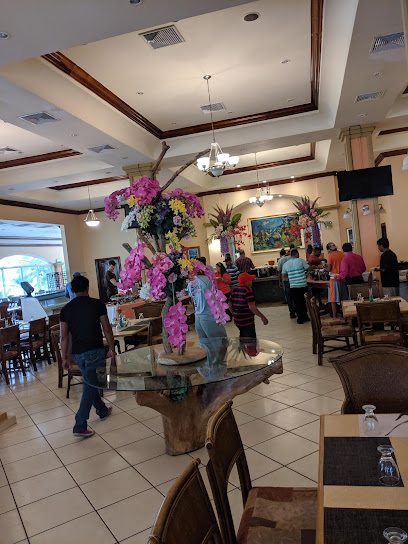
Burger House
22.3 km
Experience authentic American comfort food at Burger House in Tela - where every bite feels like home.
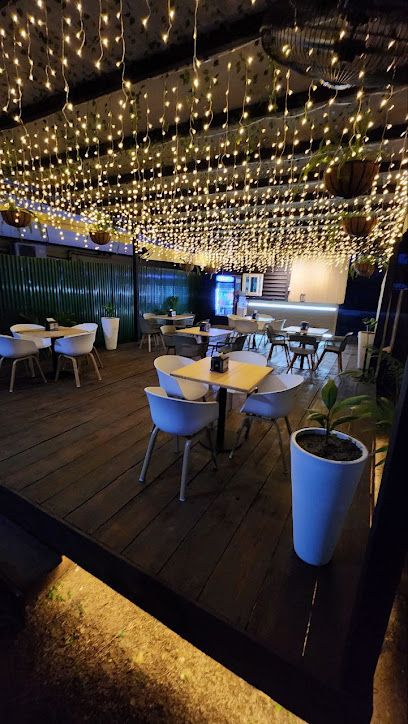
La Casa De Los Chefs
22.5 km
Discover the flavors of Honduras at La Casa De Los Chefs in Tela – where every meal tells a story.
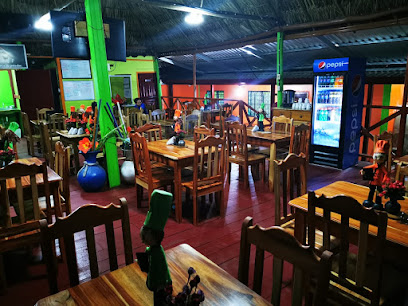
Restaurant garifuna please
22.5 km
Discover authentic Garifuna cuisine at Restaurant Garifuna Please in Tela, where every dish tells a story of rich cultural heritage.
Aloha seafood & grill
22.6 km
Experience the vibrant flavors of coastal Honduras at Aloha Seafood & Grill in Tela - where fresh seafood meets warm hospitality.
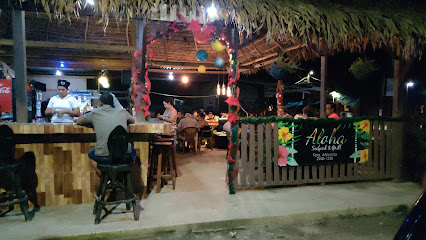
Los Arrieros Grill
22.6 km
Experience authentic Honduran cuisine at Los Arrieros Grill in Tela – where every meal is a celebration of flavor and culture.
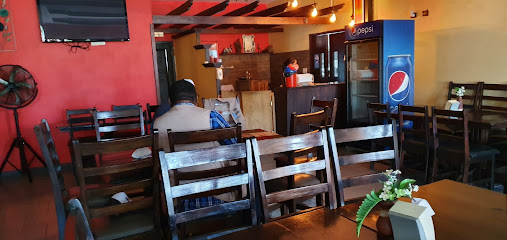
Parrillas Max Burguer • Tela Atlantida
22.6 km
Discover mouthwatering grilled burgers at Parrillas Max Burguer in Tela Atlantida – where flavor meets hospitality.
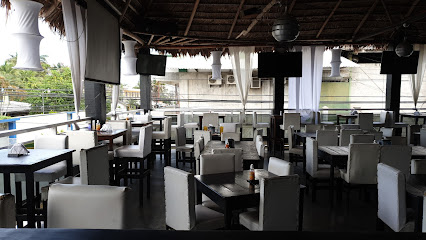
Restaurante Mar y Tierra
22.6 km
Experience authentic Honduran cuisine with fresh seafood delights at Restaurante Mar y Tierra in Tela's coastal paradise.
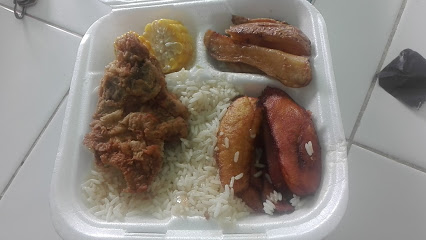
Mr. Taco Tela
22.7 km
Experience authentic Mexican flavors at Mr. Taco Tela—where delicious tacos meet vibrant culture in the heart of Atlántida.
Markets, malls and hidden boutiques

Eva's Nails and Shop
21.3 km
Experience beauty and tranquility at Eva's Nails and Shop, the go-to destination for relaxation in Tela's vibrant atmosphere.
Easy Shop
21.4 km
Shop at Easy Shop in Tela for stylish and durable boots that complement your travel adventures in the beautiful Atlántida region.

KMmoda y accesorios para playa
22.1 km
Explore KMmoda in Tela for trendy beachwear and stylish accessories that embody the vibrant spirit of Honduras’ coastal lifestyle.
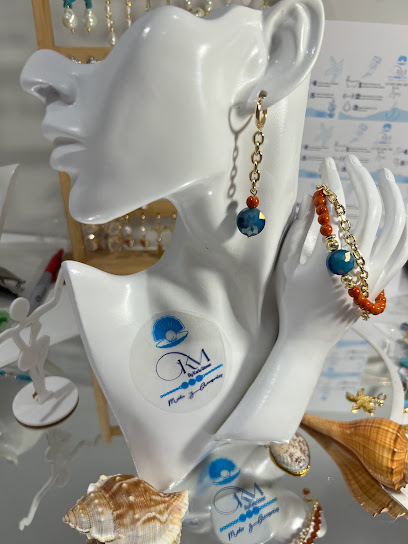
Amuleto
22.2 km
Explore the vibrant artistry of Tela at Amuleto, a boutique offering unique handmade crafts and accessories for every traveler.
Plaza Venecia Tela
22.3 km
Discover the vibrant Plaza Venecia Tela, where shopping meets local culture in the heart of Honduras, perfect for every traveler seeking unique finds.
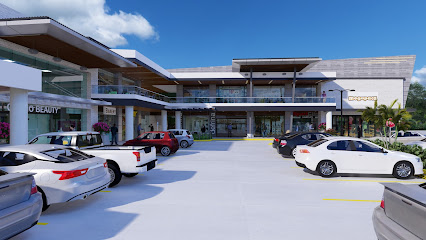
Sara’S
22.5 km
Discover Sara's, a charming stationery store in Tela, offering a unique selection of writing materials, art supplies, and local creativity.
Pul: Lorena
22.5 km
Discover authentic Honduran crafts and local souvenirs at Pul: Lorena, a vibrant store in Tela, Atlántida, perfect for every traveler.
Dixilis Boutique
22.5 km
Explore unique fashion at Dixilis Boutique in Tela, where local culture meets contemporary style, perfect for every tourist's wardrobe.
Poly´s Place
22.5 km
Explore Poly's Place, Tela's charming consignment shop, for unique finds and sustainable shopping in the heart of Honduras.
Tienda de Arte y Creaciones Má-Pó S
22.5 km
Explore creativity at Tienda de Arte y Creaciones Má-Pó, Tela's premier art supply store, offering a diverse range of artistic materials and unique crafts.
Isabella Store
22.7 km
Explore local fashion trends at Isabella Store in Tela, where style and quality meet to create an unforgettable shopping experience.
The Spot
22.8 km
Explore the latest technology at The Spot in Tela, your top destination for electronics and accessories in the heart of Atlántida.

NYA'S BOUTIQUE #2
22.8 km
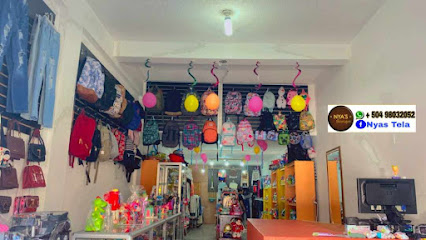
Explore Nya's Boutique #2 in Tela for an enchanting selection of toys and gifts that inspire creativity and joy for all ages.
Almacenes Mendel's
22.9 km
Explore the vibrant world of fashion and local culture at Almacenes Mendel's in Tela, where style meets the spirit of Honduras.
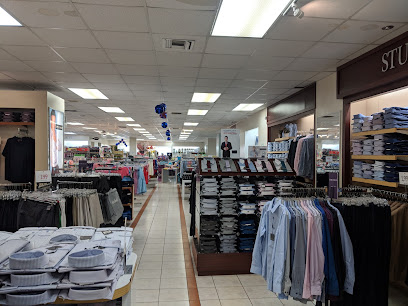
Comercial Valeska
22.9 km
Discover a unique shopping experience at Comercial Valeska in Tela, where local culture meets diverse offerings in a vibrant coastal setting.
Essential bars & hidden hideouts

Jupiter’s Bar
20.9 km
Experience the lively spirit of Tela at Jupiter’s Bar, where refreshing drinks and vibrant nightlife await in a tropical paradise.

La Frontera
21.5 km
Experience the vibrant nightlife at La Frontera, Tela's favorite bar, where refreshing drinks and live music create unforgettable moments.
Los Dodgers Barrio La Curva
21.8 km
Discover the vibrant nightlife and local flavors at Los Dodgers Barrio La Curva, a top bar destination in Tela, Honduras.
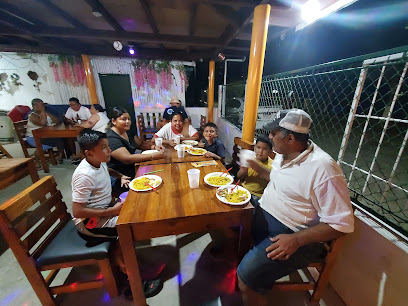
7 Seas Beach Bar & Restaurant
22.4 km
Experience the vibrant atmosphere and delicious flavors at 7 Seas Beach Bar & Restaurant, where beach life meets culinary delight in Tela.
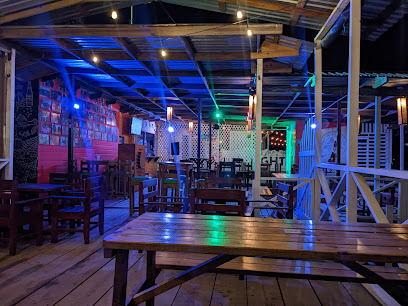
El Changarro
22.4 km
Experience the vibrant atmosphere and local flavors at El Changarro, Tela's charming bar by the coast.
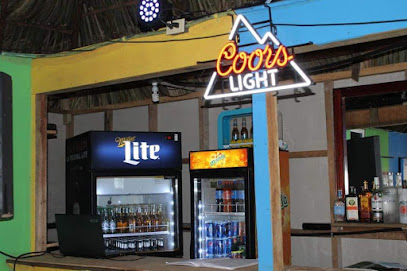
Tavos Bar Tela
22.5 km
Experience vibrant nightlife and delicious cuisine at Tavos Bar Tela, the perfect destination for relaxation and local flavors in Atlántida.
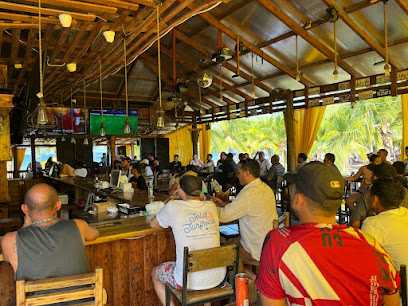
Ocean Blue Bar
22.5 km
Discover the vibrant atmosphere and refreshing drinks at Ocean Blue Bar, your perfect coastal getaway in Tela, Honduras.
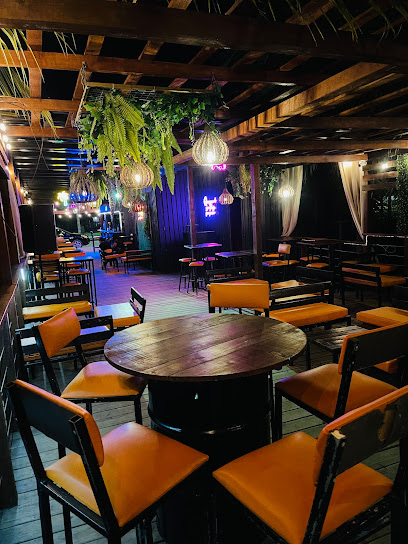
Bahías Bar y Restaurante
22.5 km
Experience the vibrant flavors of Caribbean cuisine at Bahías Bar y Restaurante in Tela, a must-visit for grill lovers and beachgoers alike.
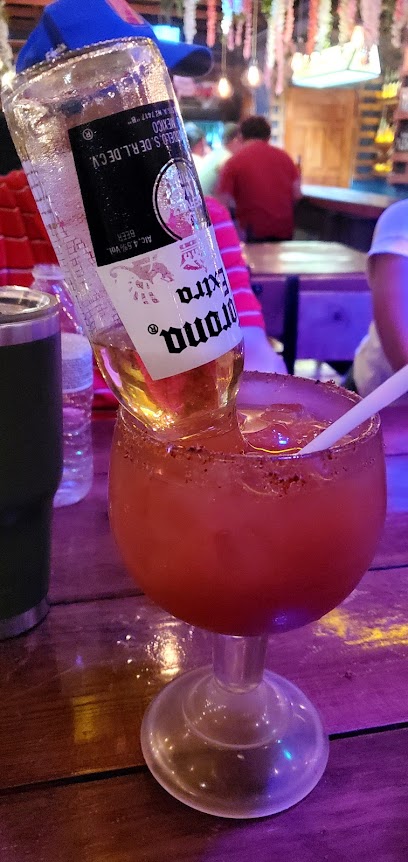
Palmeras bar
22.5 km
Discover the vibrant atmosphere of Palmeras Bar in Tela, where tropical drinks, stunning sea views, and lively entertainment create unforgettable memories.
CocoBay
22.5 km
Experience the vibrant atmosphere of CocoBay, where tropical drinks and live music create unforgettable moments in Tela, Atlántida.
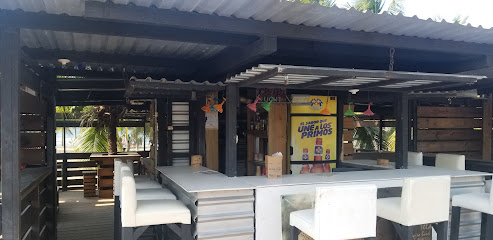
Bar restaurante Las Olas
22.5 km
Discover the vibrant atmosphere and delicious local flavors at Bar Restaurante Las Olas in Tela, a perfect seaside retreat in Atlántida.
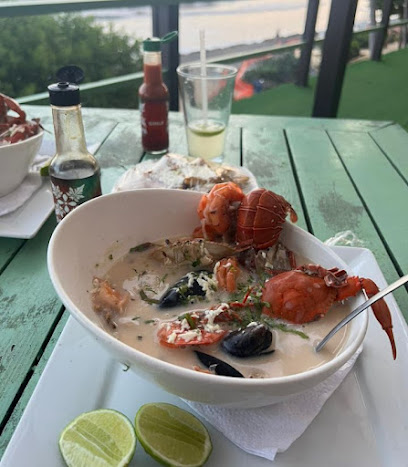
Chunga Bar & Liquor Store
22.6 km
Discover the lively atmosphere of Chunga Bar & Liquor Store in Tela, where refreshing drinks and local culture await every visitor.
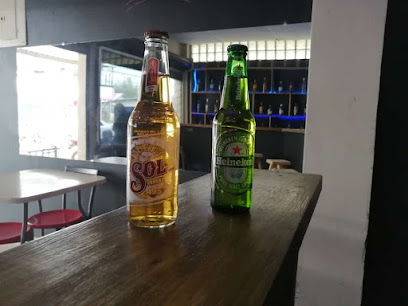
Beer House
22.7 km
Discover a lively bar and restaurant in Tela's Zona Viva, where delicious food and vibrant nightlife combine for an unforgettable experience.
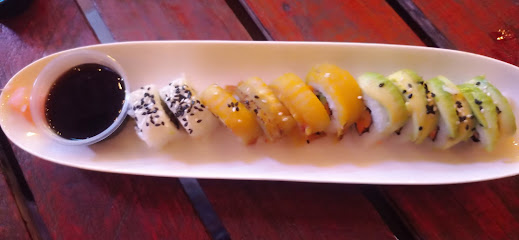
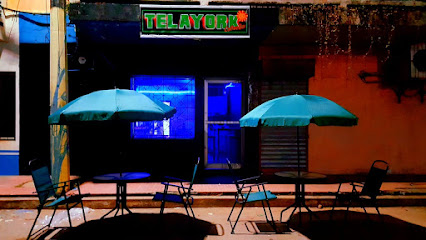
Telayork
22.7 km
Experience the lively atmosphere and refreshing drinks at Telayork, Tela's top bar for locals and tourists alike.
Hotel, Restaurant y Bar, Bayside Inn
22.8 km
Experience coastal bliss at Bayside Inn, where delectable local cuisine meets stunning ocean views in Tela, Atlántida.


