

Citadella Travel Guide
Free Guide: Explore the breathtaking Citadella in Budapest, where history meets stunning views of the iconic skyline and Danube River, making it a perfect tourist destination.


A brief summary of Citadella
Explore the breathtaking Citadella in Budapest, where history meets stunning views of the iconic skyline and Danube River, making it a perfect tourist destination.
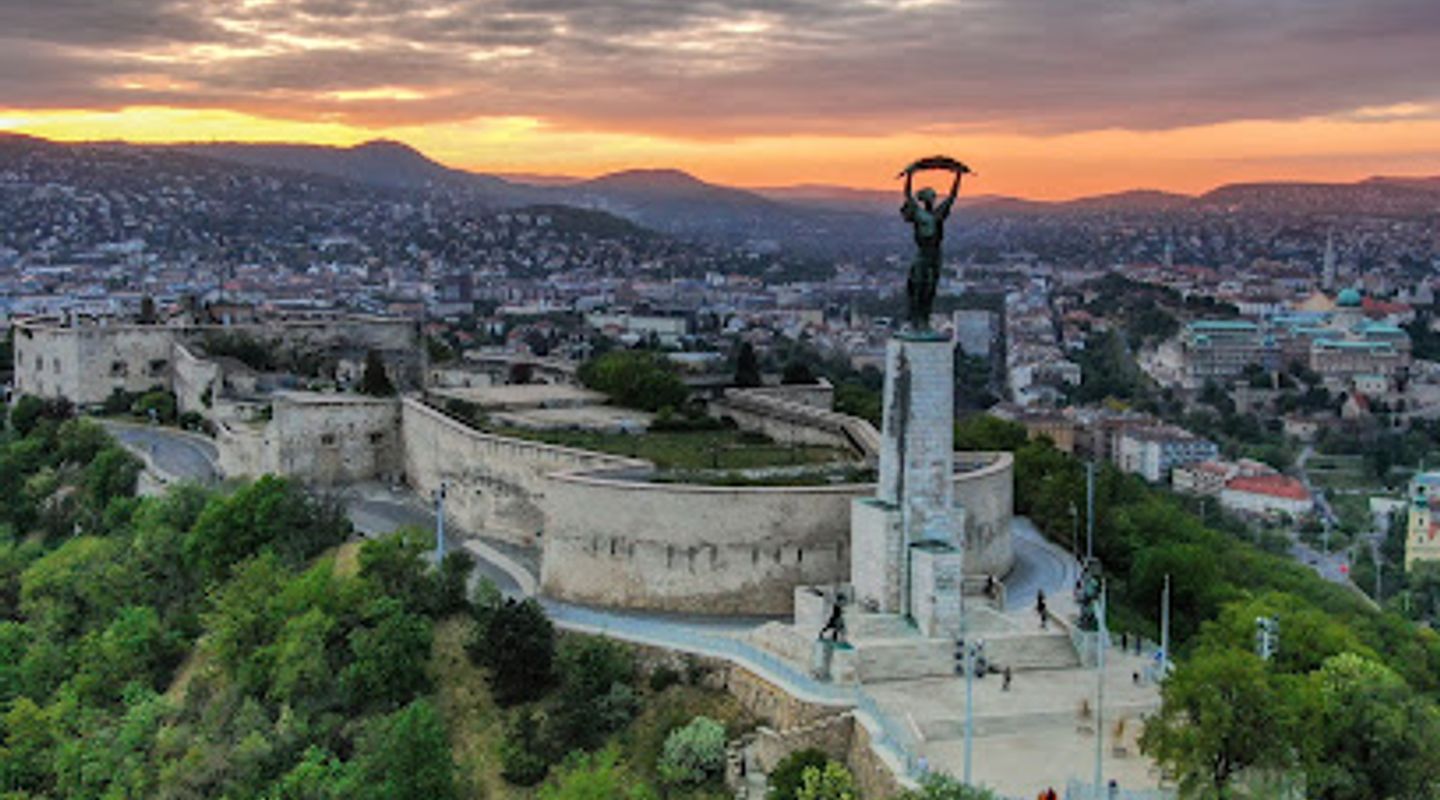
Perched atop Gellért Hill, the Citadella offers breathtaking views of Budapest and a deep dive into the city's history. This fortress, rich in stories, is a must-visit for any tourist exploring the vibrant capital of Hungary.
Opening hours
- Every dayOpen 24 hours
Opening hours as listed on the venue’s Google Business Profile. Hours can change for services and special events, so check with the venue before you go.
- Address
- Budapest, Citadella stny. 1, 1118
- Phone
Getting there
Car
Public Transportation
Discover more about Citadella
Overview
The Citadella, an impressive fortress overlooking the stunning city of Budapest, is a symbol of the city's rich history and architectural grandeur. Built in the mid-19th century, this fortress was initially constructed to protect the city from potential uprisings. Today, it stands as a major tourist attraction, drawing visitors from around the globe who seek to immerse themselves in its historical significance and enjoy panoramic views of the Danube River and the cityscape below. The journey to the Citadella is as rewarding as the destination itself, with a scenic hike up Gellért Hill surrounded by lush greenery and picturesque pathways. As you ascend, the breathtaking vistas unfold, showcasing the majestic Parliament building, the majestic Buda Castle, and the iconic Chain Bridge. Once at the top, the Citadella invites you to explore its grounds, which include the Liberty Statue, a towering monument commemorating those who fought for Hungary's freedom. The fortress also houses a small museum that offers insights into the city's tumultuous past and the significance of the Citadella during pivotal moments in Hungarian history. For those looking to capture the perfect photograph, the sunset views from the Citadella are simply unmatched, casting a golden glow over the city and providing a magical backdrop for unforgettable memories. Whether you’re a history buff, a photography enthusiast, or simply seeking a peaceful retreat away from the city's hustle and bustle, the Citadella is a must-visit destination that encapsulates the spirit of Budapest.
Evendo Review Centre
 Google
Guest reviews
Explore Citadella on the map
A handpicked selection of must-see spots near Citadella, mapped for you.
Get your free copy of our complete guide to Citadella, delivered straight to you.
Everything on this page, from opening hours and how to get there to Eve’s tips and the best time to go, in one PDF you can read offline, print or share.
Already have an account? Sign in
Your Citadella guide is ready.
We'll send it to · Not you? Sign out

Getting your guide ready…
We are putting together a fresh copy of the Citadella guide. This can take up to a minute.
This can take a few moments. If your browser asks, choose Allow so the download can start. You'll find the guide in your Downloads folder.
Nothing happened? Download it again
Sorry, the guide is taking longer than usual. Please try again in a minute, or get it by email instead.
Unlock the best of Citadella
Skip-the-line tickets, guided tours with entry, and walking tours of the area, booked in a few clicks.




Other nearby places you may find interesting
The closest places of the same kind, if this one is not quite what you had in mind.
-
-
-
-
-


Swipe for more places
More to explore near Citadella

 Best experiences near Citadella
 Best hotels near Citadella
 Best landmarks near Citadella
 Best attractions near Citadella
 Best shops near Citadella
 Best restaurants near Citadella
 Best bars near Citadella
Do you manage this location?
Take control to get all the benefits, like improved information, better appearance, and stronger visibility across AI-powered discovery.
Explore more

Explore more of Kiskunság
Discover Kiskunság: Hungary's hidden paradise of natural wonders, cultural treasures, and timeless traditions nestled between the Danube and Tisza rivers.
Explore Kiskunság
Explore more of Hungary
Discover Hungary: A land of historic cities, scenic landscapes, thermal baths, and rich culinary traditions in the heart of Europe.
Explore Hungary
