

Free Kiskunság Travel Guide & Mobile App
Explore Kiskunság with free travel guides. Discover regional history, expert tips, proposed trips, and audio guides on web or mobile app.


Explore Kiskunság in Hungary for open puszta landscapes, bird-rich wetlands, Cuman heritage, country cycling and traditional regional food.
Read more about Kiskunság
When is the best time to visit Kiskunság?
Best: June, August–September · 22–26°C| Month | High (°C) | Rainfall (mm) |
|---|---|---|
| January | 3 | 30 |
| February | 5 | 25 |
| March | 12 | 30 |
| April | 17 | 40 |
| May | 22 | 50 |
| June (best) | 25 | 60 |
| July | 27 | 55 |
| August (best) | 26 | 45 |
| September (best) | 22 | 35 |
| October | 16 | 30 |
| November | 9 | 35 |
| December | 5 | 35 |
Getting to and around Kiskunság
How to get there
Transportation
Top city travel guides in Kiskunság
The cities of Kiskunság, and the easiest places to base yourself.

Swipe for more cities
Best attractions in Kiskunság
Kiskunság’s attractions are dominated by landscapes rather than monumental urban sights. Kiskunság National Park protects a chain of distinct areas, including the sandy grasslands and pastoral setting around Bugac, the dune formations of Fülöpháza and the bird-rich wetlands surrounding Kolon Lake near Izsák. Marked trails, observation points and interpretation facilities introduce visitors to alkaline plains, reed beds, dry meadows and the plants and animals adapted to them. Horse culture and traditional livestock keeping remain visible in parts of the puszta, although the region should be understood as a working countryside as well as a cultural display. Kiskunmajsa adds a different attraction through its long-established spa and bathing facilities, while the market towns provide churches, local museums, produce markets and everyday Great Plain architecture. Kecskemét, on the western edge of the wider Kiskunság landscape, is a useful nearby cultural gateway with notable Art Nouveau buildings and museums, but it should not be confused with the protected countryside itself. Cycling, birdwatching, photography and gentle walking are the most natural ways to experience the region, with seasonal guided visits often providing access to ecological details that are not obvious from the road.
-
Tourist attraction
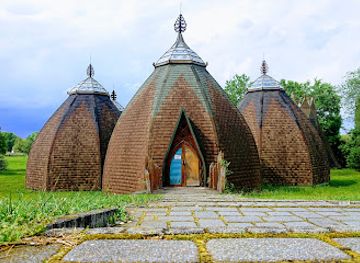
Ópusztaszer Heritage Park
Explore the rich history and cultural heritage of Hungary at Ópusztaszer Heritage Park, where tradition meets natural beauty.
-
Zoo
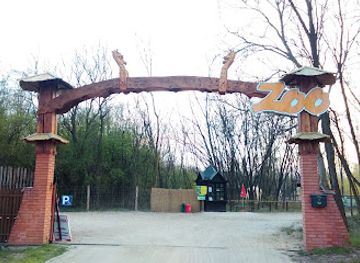
MagánZOO
Discover the wonders of wildlife at MagánZOO, a captivating zoo experience in Felsőlajos, Hungary, suitable for all ages.
-
Theme park
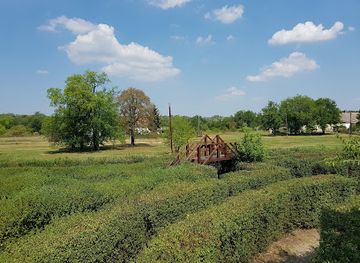
Csillagösvény Labyrinth Ópusztaszer
Experience the magic of adventure at Csillagösvény Labyrinth in Ópusztaszer, where fun and exploration await every visitor.
-
Arboretum
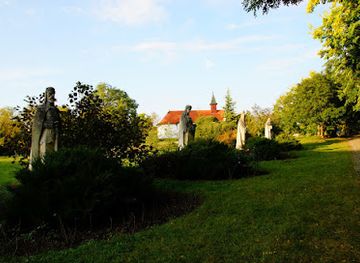
Kecskeméti Arborétum
Discover the enchanting Kecskeméti Arborétum, a lush arboretum showcasing diverse flora and a peaceful retreat for nature lovers in Kecskemét, Hungary.
Best landmarks in Kiskunság
The most recognisable landmarks of Kiskunság are often broad natural features and historic symbols rather than dense urban monuments. The sandy dune country around Fülöpháza demonstrates how wind and dry conditions shaped the plain, while the protected grasslands of Bugac represent the visual language of the puszta: open horizons, grazing land and traditional herding landscapes. Kolon Lake near Izsák is a significant wetland landmark, its reeds and shallow waters contrasting sharply with the surrounding dry sand country. The towns of Kiskunfélegyháza and Kiskunhalas carry the region’s Cuman identity in their names and civic heritage, while Kecskemét’s Art Nouveau city centre provides an important architectural counterpoint on the western fringe. Farm buildings, wells, livestock enclosures and isolated roadside churches add smaller-scale markers of rural history. None of these places should be read as remnants of an untouched wilderness; their significance comes from the long interaction between water management, grazing, cultivation, settlement and conservation on the Hungarian plain.
-
 Fortress
Fisherman's Bastion
Explore the stunning architecture and breathtaking views of Fisherman's Bastion, a must-visit historical gem in Budapest that enchants every traveler.
-
Plaza
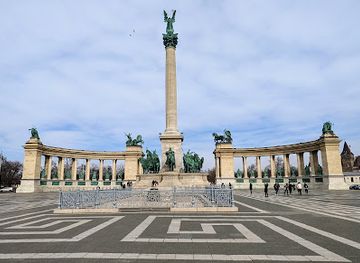
Heroes' Square
Explore Heroes' Square in Budapest – a breathtaking plaza celebrating Hungary's history through magnificent monuments and lush landscapes.
-
Basilica
St. Stephen's Basilica
Explore the breathtaking St. Stephen's Basilica in Budapest, a stunning blend of history, artistry, and spirituality in Hungary's capital.
-
Bridge
Széchenyi Chain Bridge
Explore the stunning Széchenyi Chain Bridge in Budapest, a neoclassical marvel offering breathtaking views and rich history along the Danube River.


Explore Kiskunság on the map
Plan your trip on one map. See where the top cities, national parks and sights are, and book hotels and experiences in a few clicks.
Best hotels in Kiskunság
Best restaurants in Kiskunság
Dining in Kiskunság reflects the food traditions of the Hungarian Great Plain, with paprika, onions, soups, stews, freshwater fish, pork, poultry and seasonal vegetables appearing frequently on menus. Town restaurants and traditional csárda-style establishments offer hearty regional cooking, while cafés and bakeries provide pastries, savoury baked goods and coffee for travellers moving between sights. The fertile areas around the market towns are associated with fruit, vegetables and orchard produce, and local shops may carry paprika, preserves, honey, sausages and wines from the wider central Hungarian plain. Kecskemét is particularly useful for a broader choice of restaurants and for tasting fruit-based products associated with the surrounding agricultural district. Rural dining is often tied to farmhouses, inns or small family-run establishments rather than formal restaurant districts, so meal times may require planning when visiting remote protected areas. Menus can vary seasonally, and fish dishes are more likely near waterside settlements or specialist restaurants than on every local menu.
-
Hungarian
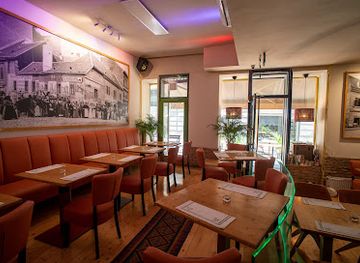
Parisi 6
Savor the authentic taste of Hungary at Parisi 6 – where tradition meets vegetarian innovation in a charming Budapest setting.
-
Italian
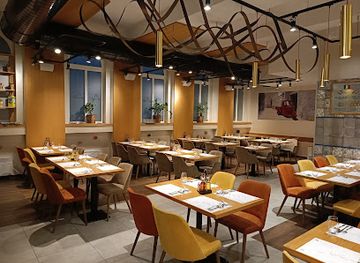
Ape Regina Italian Restaurant
Experience authentic Italian flavors at Ape Regina Italian Restaurant in Budapest's District VI – where every dish tells a story.
-
Restaurant
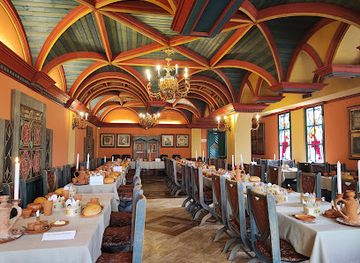
Renaissance Restaurant
Experience the best of Hungarian cuisine at Renaissance Restaurant in Visegrád - where tradition meets innovation in every dish.
-
Restaurant
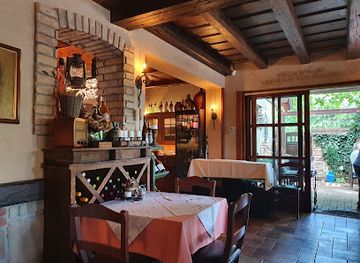
A Szűcs Fogadója
Discover authentic Hungarian cuisine at A Szűcs Fogadója in Szada – where tradition meets taste.
Best bars in Kiskunság
Evening life in Kiskunság is concentrated in its towns and tends to centre on cafés, beer bars, wine cellars, restaurants and traditional pubs rather than a large club scene. Kecskemét, outside the core protected landscapes but serving as a regional gateway, offers the broadest choice of late cafés, cultural venues and occasional live music. Kiskunfélegyháza, Kiskunhalas and other market towns have more modest local nightlife, with activity shaped by restaurants, town events and seasonal gatherings. In smaller villages, evenings are generally quiet, and rural inns or community venues are more relevant than dedicated nightclubs. The region’s agricultural character has encouraged interest in local wines, fruit products and craft beverages, but visitors should treat these as part of the dining culture rather than the sole focus of a visit. Check current arrangements locally, especially outside the larger towns, as opening patterns can change by season and day of the week.
-
Pub
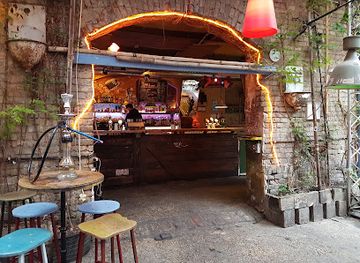
Szimpla Kert
Experience the vibrant nightlife and cultural essence of Budapest at Szimpla Kert, the iconic ruin pub that captivates all visitors.
-
Night club
Instant-Fogas Complex
Discover the vibrant nightlife of Budapest at Instant-Fogas Complex, a lively venue with diverse bars, clubs, and unforgettable experiences.
-
Restaurant
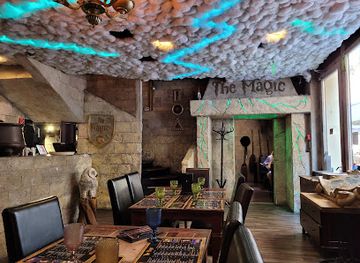
The MAGIC Budapest
Discover the enchanting dining experience at The MAGIC Budapest, where culinary delight meets Harry Potter-themed wonder.
-
Cocktail bar
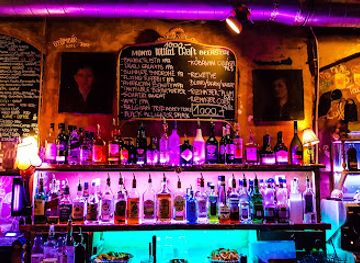
Rumpus Tiki Bar
Discover the vibrant Rumpus Tiki Bar in Budapest, where exotic cocktails and a lively atmosphere create unforgettable nights.
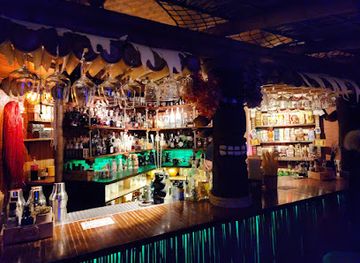
Best nightclubs in Kiskunság
Evening life in Kiskunság is concentrated in its towns and tends to centre on cafés, beer bars, wine cellars, restaurants and traditional pubs rather than a large club scene. Kecskemét, outside the core protected landscapes but serving as a regional gateway, offers the broadest choice of late cafés, cultural venues and occasional live music. Kiskunfélegyháza, Kiskunhalas and other market towns have more modest local nightlife, with activity shaped by restaurants, town events and seasonal gatherings. In smaller villages, evenings are generally quiet, and rural inns or community venues are more relevant than dedicated nightclubs. The region’s agricultural character has encouraged interest in local wines, fruit products and craft beverages, but visitors should treat these as part of the dining culture rather than the sole focus of a visit. Check current arrangements locally, especially outside the larger towns, as opening patterns can change by season and day of the week.
-
Night club
Instant-Fogas Complex
Discover the ultimate nightlife experience at Instant-Fogas Complex, where Budapest's vibrant party scene comes alive with music, dance, and delicious bites.
-
Night club
Club Heaven Budapest
Discover Budapest's vibrant nightlife at Club Heaven, where music, dance, and unforgettable moments await every night until dawn.
-
Night club
Peaches And Cream Club
Dive into the electrifying nightlife of Budapest at Peaches And Cream Club, where unforgettable experiences await in a vibrant setting.
-
Night club
Doboz
Immerse yourself in Budapest's nightlife at Doboz, a vibrant night club known for its unique ambiance and unforgettable music.

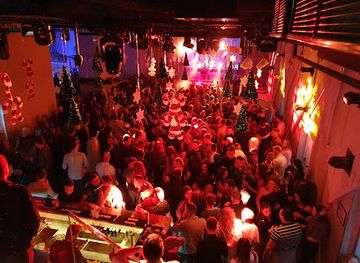

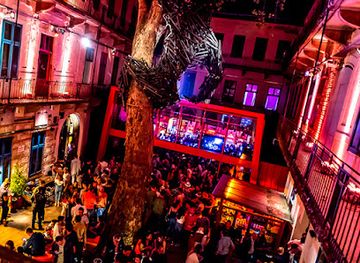
Best shops in Kiskunság
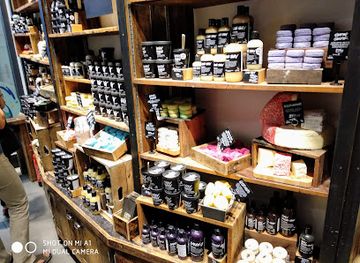
Shopping in Kiskunság is strongest in its market towns, where supermarkets and ordinary high streets sit alongside bakeries, produce stalls, specialist food shops and small cafés. Market days are useful for finding seasonal fruit and vegetables, paprika, honey, preserves, sausages and other products of the surrounding agricultural landscape, although the exact range varies between towns and seasons. Kecskemét, on the region’s western edge, offers the widest selection of shops, galleries and food retailers, while Kiskunfélegyháza and Kiskunhalas provide more local, practical shopping environments. Farm shops and rural producers may sell fruit preparations, wines or regional pantry goods, but visitors should check labelling and payment arrangements before travelling to a particular producer. Crafts associated with the Great Plain, including pottery, textiles and decorative objects inspired by pastoral culture, can be found through museums, fairs and specialist sellers rather than in one concentrated shopping quarter. Choose durable local food products and handmade goods over generic souvenirs, and remember that protected natural areas are not places to collect plants, stones or wildlife.
-
Shopping mall
Westend
Explore Westend, Budapest's largest shopping mall with over 400 shops, a variety of dining options, and entertainment for the whole family.
-
Shopping mall
Arena Mall
Discover a shopping paradise in Budapest at Arena Mall, featuring top brands, delicious dining, and exciting entertainment for all.
-
Shopping mall
ÁRKÁD Budapest
Discover the ultimate shopping experience at ÁRKÁD Budapest, where fashion meets flavor in a vibrant atmosphere.
-
Shopping mall
Allee Mall
Experience the best of shopping, dining, and entertainment at Allee Mall in Budapest, a must-visit destination for every traveler.

Get your free copy of our complete guide to Kiskunság, delivered straight to you.
Everything on this page, from attractions and restaurants to essentials and local phrases, in one PDF you can read offline, print or share.
Already have an account? Sign in
Your Kiskunság guide is ready.
We'll send it to · Not you? Sign out

Getting your guide ready…
We are putting together a fresh copy of the Kiskunság guide. This can take up to a minute.
This can take a few moments. If your browser asks, choose Allow so the download can start. You'll find the guide in your Downloads folder.
Nothing happened? Download it again
Sorry, the guide is taking longer than usual. Please try again in a minute, or get it by email instead.
Kiskunság essentials
Currency and Payment
Safety
Emergency Situations
Do's and Don'ts
Local Tips
From Eve
Local phrases worth knowing
You don't need to get them perfect. A few words go a long way, and locals appreciate the effort.
Basics
| English | Local | Say it |
|---|---|---|
| Hello | Szia | [see-yah] |
| Goodbye | Viszlát | [vees-laht] |
| Yes | Igen | [ee-gen] |
| No | Nem | [nem] |
| Please/You're welcome | Kérem | [kay-rem] |
| Thank you | Köszönöm | [kuh-suh-nuhm] |
| Excuse me/Sorry | Elnézést | [el-nay-zayst] |
| How are you? | Hogy vagy? | [hodj vahd] |
| Fine. And you? | Jól. És te? | [yohl. aysh teh] |
| Do you speak English? | Beszélsz angolul? | [beh-sayls ahn-goh-lool] |
| I don't understand | Nem értem | [nem air-tem] |
Eating & Drinking
| English | Local | Say it |
|---|---|---|
| I'd like to see the menu, please | Szeretném megnézni az étlapot, kérem | [se-reht-naym mehg-nayz-nee az ay-tlahp-ot, kay-rem] |
| I don't eat meat | Nem eszem húst | [nem eh-sem hoosht] |
| Cheers! | Egészségedre! | [eh-geesh-shay-ged-reh] |
| I would like to pay, please | Szeretnék fizetni, kérem | [se-reht-nayk fee-zet-nee, kay-rem] |
Emergencies
| English | Local | Say it |
|---|---|---|
| Help! | Segítség! | [seh-geet-shehg] |
| Go away! | Menj el! | [men-yel] |
| Call the Police! | Hívd a rendőrséget! | [heevd ah ren-door-sheh-get] |
| Call a doctor! | Hívd az orvost! | [heevd az or-vosh-t] |
| I'm lost | Elvesztem | [el-ves-tem] |
| I'm ill | Beteg vagyok | [beh-tehg vah-yok] |
Shopping
| English | Local | Say it |
|---|---|---|
| I'd like to buy... | Szeretnék venni... | [se-reht-nayk veh-nee] |
| I'm just looking | Csak nézelődöm | [chahk nay-zay-loh-dohm] |
| How much is it? | Mennyibe kerül? | [men-nee-beh keh-rul] |
| That's too expensive | Ez túl drága | [ez tool drah-gah] |
| Can you lower the price? | Le tudnád csökkenteni az árat? | [leh tood-nahd choh-kken-teh-nee az ah-raht] |
Time & Numbers
| English | Local | Say it |
|---|---|---|
| What time is it? | Hány óra van? | [hahn-ee oh-rah vahn] |
| It's one o'clock | Egy óra van | [edj oh-rah vahn] |
| Half past (10) | Fél (10) | [fehl (10)] |
| Morning | Reggel | [reh-gel] |
| Afternoon | Délután | [day-loo-tahn] |
| Evening | Este | [esh-teh] |
| Yesterday | Tegnap | [teh-nahp] |
| Today | Ma | [mah] |
| Tomorrow | Holnap | [hol-nahp] |
| 1 | 1 | [1] |
| 2 | 2 | [2] |
| 3 | 3 | [3] |
| 4 | 4 | [4] |
| 5 | 5 | [5] |
| 6 | 6 | [6] |
| 7 | 7 | [7] |
| 8 | 8 | [8] |
| 9 | 9 | [9] |
| 10 | 10 | [10] |
Transport & Directions
| English | Local | Say it |
|---|---|---|
| Where's a/the...? | Hol van egy...? | [hol vahn edj] |
| What's the address? | Mi a cím? | [mee ah teem] |
| Can you show me (on the map)? | Meg tudnád mutatni (a térképen)? | [meg tood-nahd moo-taht-nee (ah tayr-kay-pen)] |
| When's the next (bus)? | Mikor jön a következő (busz)? | [mee-kor yohn ah keh-vet-keh-zoe (booz)] |
| A ticket (to ....) | Egy jegy (....) | [edj yehd (....)] |
History of Kiskunság
Medieval Cuman Settlement
The Cumans, a nomadic Turkic-speaking people, settled in the Hungarian plain during the thirteenth century after the Mongol invasion of Europe. Communities established across the central plain retained a strong regional identity and received important privileges in return for military service to the Hungarian crown. Kiskunság, meaning Little Cumania, preserves this legacy in its name and in the names of several towns. Although later centuries brought assimilation into Hungarian society, the Cuman settlement pattern remains central to the region’s historical character.
The Ottoman Frontier and Depopulation
During the sixteenth and seventeenth centuries, much of the central Hungarian plain became a contested frontier between the Ottoman Empire and Habsburg-controlled Hungary. Warfare, taxation and insecurity disrupted settled agriculture, and many villages in the Kiskunság were abandoned or suffered severe population loss. The open landscape that later became associated with extensive grazing was partly shaped by this disruption, followed by the gradual recovery of settlement and cultivation after Ottoman power receded.
Reorganisation under Habsburg Rule
Following the Ottoman period, the Habsburg authorities sought to repopulate and administer the central plain more effectively. The Cuman districts experienced changes to landholding, taxation and local privileges, while new settlers and returning communities rebuilt villages and farms. Agricultural production expanded, and market connections strengthened. The period also encouraged the development of the large farms and dispersed rural settlement patterns that became characteristic of the sandy and grassy parts of Kiskunság.
Pastoralism and the Puszta Economy
For centuries, the region’s grasslands supported cattle, sheep and horses, with herders moving livestock across extensive grazing areas. The puszta was not an empty wilderness but a managed working landscape linked to market towns, seasonal labour and rural expertise. Cattle drives, horse keeping and the use of traditional herding structures became enduring symbols of the Hungarian plain. Even where modern agriculture has altered the landscape, protected areas preserve habitats and practices associated with this pastoral history.
Market Towns, Orchards and Transport
From the nineteenth century onwards, improving roads and railways connected Kiskunság’s market towns more closely with Budapest and other parts of Hungary. Towns including Kecskemét, Kiskunfélegyháza and Kiskunhalas developed as centres for trade, administration and agricultural processing. Orchards, vineyards and vegetable cultivation became increasingly important on suitable soils, while commerce brought greater prosperity and more permanent urban architecture. These changes linked traditional rural production to national markets without removing the region’s dispersed character.
Creation of Kiskunság National Park
Kiskunság National Park was established in 1975 to protect the region’s sandy grasslands, saline steppes, wetlands, lakes and characteristic wildlife. Unlike a compact mountain reserve, it consists of several separate protected areas spread across the plain. This reflects the region’s ecological variety and the need to conserve habitats within a landscape also used for farming and settlement. The park has since become the principal framework for nature interpretation, habitat management, birdwatching and responsible visitor access in Kiskunság.
Kiskunság in Contemporary Hungary
Modern Kiskunság combines agriculture, manufacturing, spa tourism, nature conservation and the continuing identity of its historic market towns. Irrigation, roads and changing farming methods have transformed parts of the plain, while protected grasslands and wetlands preserve important ecological corridors. The region’s contemporary appeal lies in this balance: visitors encounter a working countryside rather than a museum landscape, alongside carefully managed natural areas and towns that retain visible links to Cuman history and the wider culture of the Hungarian Great Plain.
Kiskunság in Photos
Browse through our photo collection highlighting the charm and character of the destination.
Neighbouring regions of Kiskunság
The closest regions to Kiskunság, if you have time for more than one.
-

-

-

-

-


Swipe for more regions
Explore more

Explore more of Hungary
Discover Hungary: A land of historic cities, scenic landscapes, thermal baths, and rich culinary traditions in the heart of Europe.
Explore Hungary