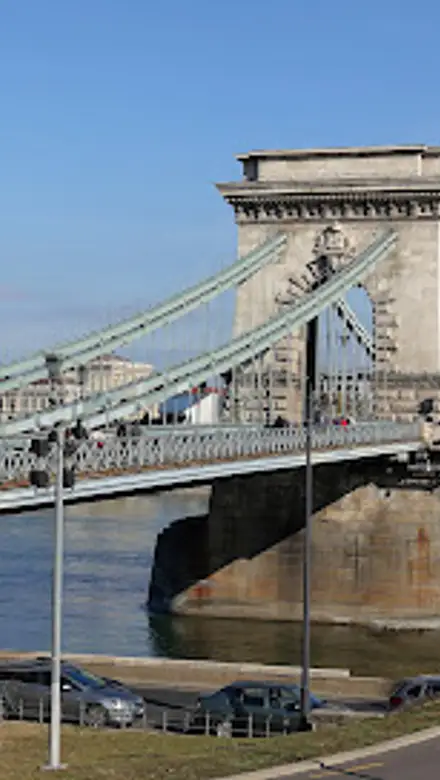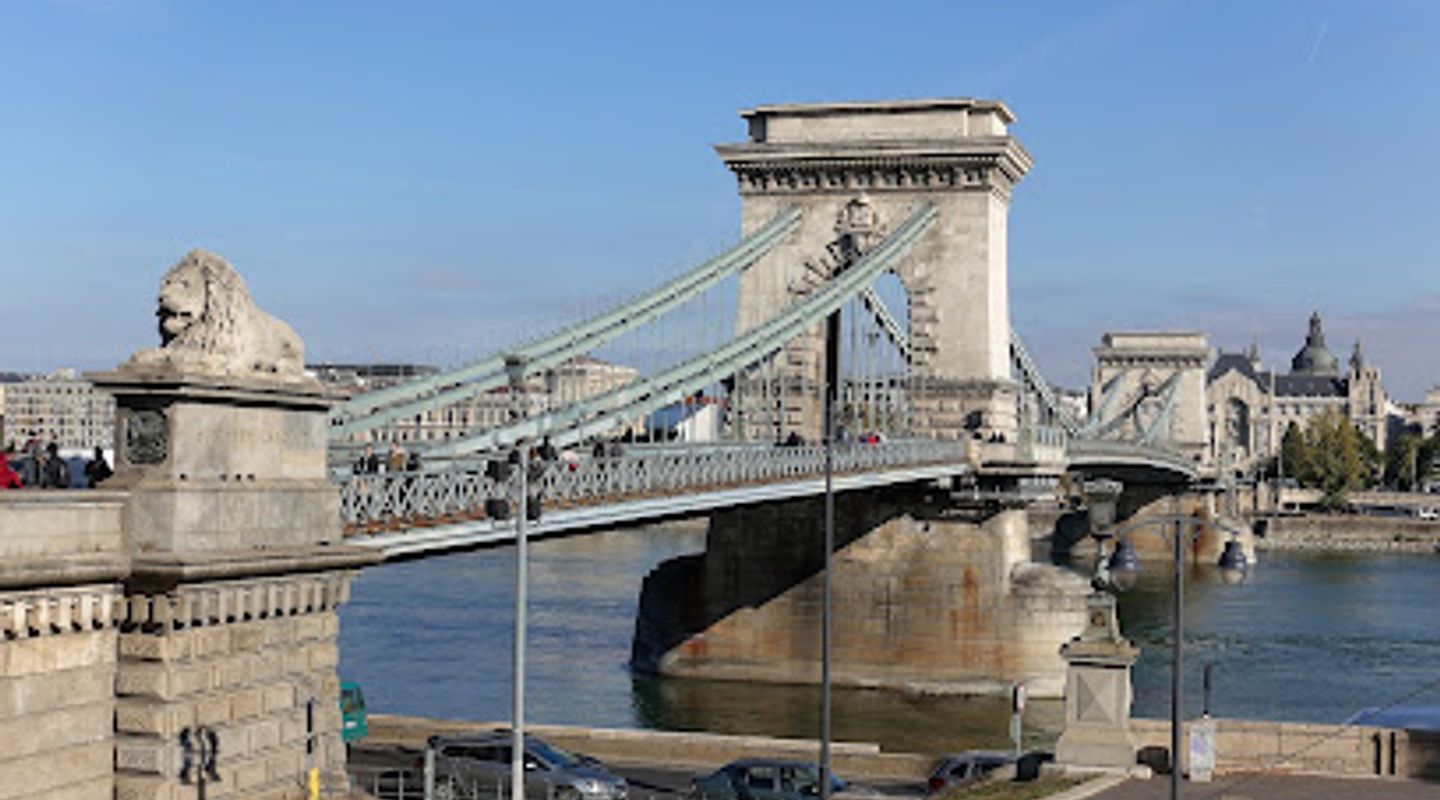
Széchenyi Chain Bridge, Western Transdanubia Travel Guide
Experience the grandeur of Széchenyi Chain Bridge, Budapest's historic symbol connecting Buda and Pest with breathtaking views and rich history.
The Széchenyi Chain Bridge, a stunning architectural marvel, connects Buda and Pest across the Danube River. Built in 1849, it offers captivating views and is a symbol of Budapest's rich history, making it an essential stop for any traveler exploring the city.
A brief summary to Széchenyi Chain Bridge
- Széchenyi Lánchíd, Budapest, District V., HU

Know before you go
Hi, I'm Eve. Here are a few practical things to know before exploring Széchenyi Chain Bridge.
- Visit during sunrise or sunset for the best lighting for photographs.
- Take a stroll across the bridge to fully appreciate its architecture and views.
- Combine your visit with nearby attractions like Buda Castle and the Parliament for a full day of sightseeing.
- Check for any local events or festivals in the area during your visit for a richer experience.
- Bring comfortable shoes for walking and exploring the surrounding areas.
Do you manage this location?
Take control to get all the benefits, like improved information, better appearance, and stronger visibility across AI-powered discovery. Learn more about listing your business on Evendo
Activate your presenceOther nearby places you may find interesting
The closest places of the same kind, if this one is not quite what you had in mind.
Explore Széchenyi Chain Bridge on the Map
A handpicked selection of must-see spots near Széchenyi Chain Bridge, mapped for you.
Unlock the Best of Széchenyi Chain Bridge
Buy tickets
-
No tickets available
Book tours with entry


Getting There
-
Car
If you are traveling by car, navigate to Budapest using the M1 or M7 motorways from Western Transdanubia. Once you arrive in Budapest, follow signs for the city center (Belváros). Use the Kossuth Lajos tér exit to access the downtown area. The Széchenyi Chain Bridge is located at Széchenyi Lánchíd, 1051 Budapest. Parking is available nearby, but be aware that there may be fees ranging from 300 HUF to 600 HUF per hour, depending on the zone.
-
Train
For those using public transportation, take a train from major towns in Western Transdanubia, such as Szombathely or Sopron, to Budapest. Check the Hungarian Railways (MÁV) website for schedules and ticket prices, which typically range from 2,500 HUF to 4,500 HUF one way. Upon arrival at Budapest-Keleti or Budapest-Nyugati train stations, transfer to the Metro Line 2 (Red Line) towards Déli Pályaudvar. Disembark at the Deák Ferenc tér station, then follow the signs for the exit towards the Erzsébet tér. From there, it’s a short walk (approximately 15 minutes) to Széchenyi Chain Bridge.
-
Bus
Alternatively, you can take a long-distance bus from various locations in Western Transdanubia to Budapest. Companies like FlixBus operate frequent routes. Tickets can be purchased online or at the bus station, typically costing between 1,500 HUF and 3,000 HUF. Arrive at the bus station in Budapest, such as Népliget. From there, take Metro Line 3 (Blue Line) to Deák Ferenc tér, and transfer to Line 2 (Red Line) towards Déli Pályaudvar. Follow the walking directions to Széchenyi Chain Bridge.
-
Taxi/Ride-sharing
For a more direct route, you can use a taxi or a ride-sharing service like Bolt or Uber. Simply enter 'Széchenyi Lánchíd, 1051 Budapest' as your destination. The fare will depend on your starting point but expect to pay approximately 10,000 HUF to 20,000 HUF for trips from Western Transdanubia to Budapest, depending on traffic and distance.
Discover more about Széchenyi Chain Bridge













Your all‑in‑one travel companion app
Explore expert travel guides, compare and book tours, experiences, hotels, and more—all from the palm of your hand. Download now for seamless trip planning wherever your wanderlust takes you.


Explore More of Western Transdanubia
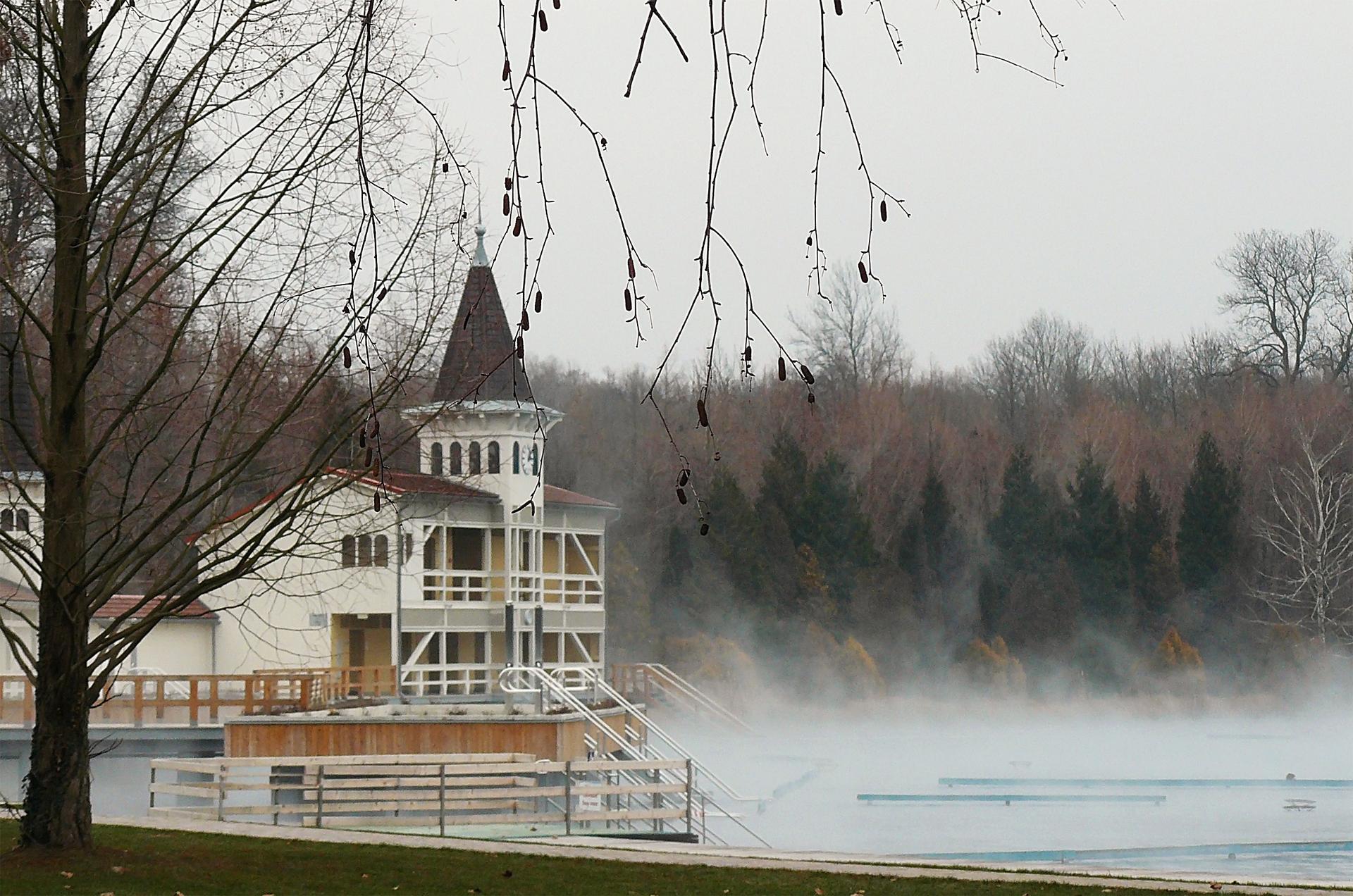
Looking beyond Széchenyi Chain Bridge? Discover Western Transdanubia for broader travel guides, local hot-spots, and regional highlights.
Explore Western Transdanubia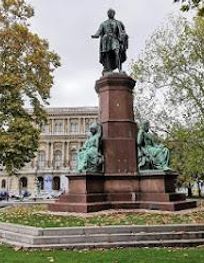
Explore the grandeur of the Count István Széchenyi Statue, a symbol of Hungary's rich history and cultural heritage in Budapest's lively Széchenyi István tér.
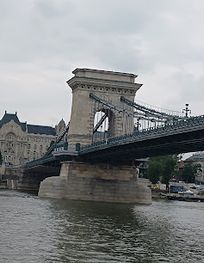
Explore the historic Most Łańcuchowy in Budapest, a stunning architectural gem bridging the Danube and embodying Hungary's rich culture.