

Free Western Transdanubia Travel Guide & Mobile App
Explore Western Transdanubia with free travel guides. Discover regional history, expert tips, proposed trips, and audio guides on web or mobile app.


Western Transdanubia combines historic Hungarian towns, Alpine-border landscapes, thermal spas, vineyards and the western shores of Lake Balaton.
Read more about Western Transdanubia
When is the best time to visit Western Transdanubia?
Best: June–August · 24–25°C| Month | High (°C) | Rainfall (mm) |
|---|---|---|
| January | 3 | 33 |
| February | 6 | 34 |
| March | 11 | 37 |
| April | 16 | 48 |
| May | 21 | 66 |
| June (best) | 24 | 83 |
| July (best) | 25 | 76 |
| August (best) | 25 | 74 |
| September | 21 | 58 |
| October | 15 | 46 |
| November | 8 | 45 |
| December | 5 | 39 |
Getting to and around Western Transdanubia
How to get there
Transportation
Top city travel guides in Western Transdanubia
The cities of Western Transdanubia, and the easiest places to base yourself.
-

-

-

-

-

-


Swipe for more cities
Destinations in Western Transdanubia
Resorts, valleys and scenic spots worth a trip of their own.
-

-

-

-
-


Swipe for more destinations
Best attractions in Western Transdanubia
Western Transdanubia offers a varied collection of attractions spread across cities, borderlands and countryside. In Győr, visitors can explore baroque streets, riverside districts and museums, while Sopron provides a compact historic centre shaped by medieval walls and centuries of German-Hungarian cultural exchange. Szombathely’s Roman heritage is presented through archaeological remains and museums, and Keszthely combines lakeside recreation with the Festetics Palace and its extensive collections. The region’s spa towns, including Hévíz, Bük, Sárvár and Zalakaros, are major attractions in their own right, offering thermal bathing and wellness facilities rather than conventional sightseeing alone. Nature-focused itineraries lead into the Őrség National Park, the Kőszeg Mountains and the wetlands and woodland landscapes of western Zala. Walking, cycling, birdwatching and gentle rural touring are especially rewarding there. Wine areas around Sopron and the western Balaton region add cellar visits and vineyard scenery, while historic villages and farmsteads provide a slower counterpoint to the larger towns. Because attractions are dispersed, a balanced itinerary normally combines one urban centre with a spa, protected landscape or lakeside district rather than attempting to cover every county from a single base.
-
Tourist attraction
Kastélypark
Explore the serene beauty and historical charm of Kastélypark, a top tourist attraction in Keszthely, Hungary, perfect for nature lovers and history enthusiasts alike.
-
Tourist attraction
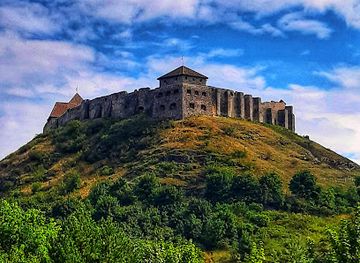
Sümeg Castle
Discover Sümeg Castle, a stunning medieval fortress in Hungary, rich in history and breathtaking views, perfect for travelers seeking adventure.
-
Park
Laxenburg Castle Park
Explore the enchanting Laxenburg Castle Park, where history and nature intertwine for a serene Austrian experience.
-
Tourist attraction
Esterházy-kastély
Explore the baroque elegance of Esterházy Castle, a historical treasure in Fertőd, Hungary, steeped in rich culture and musical heritage.



Best landmarks in Western Transdanubia
Western Transdanubia’s landmarks express its Roman, medieval, baroque and borderland histories. Szombathely’s Roman remains and the reconstructed Iseum recall the importance of ancient Savaria, while the historic centre of Sopron preserves medieval street patterns, fortified traces and distinctive civic architecture. Kőszeg Castle is associated with the town’s celebrated defence against the Ottoman army in 1532, and the town itself retains an unusually coherent historic character. Győr’s hilltop cathedral district, baroque squares and episcopal buildings form one of the region’s most recognisable urban ensembles. At Keszthely, Festetics Palace represents the wealth and cultural ambition of an influential aristocratic family and stands as a major architectural landmark beside the western Balaton landscape. Hévíz’s thermal lake is a natural and cultural symbol of the region’s spa tradition, while the wooded Írott-kő area and Őrség’s traditional landscape provide geographical landmarks of a quieter kind. These places are best understood as parts of distinct local settings rather than as isolated monuments.
-
Fortress
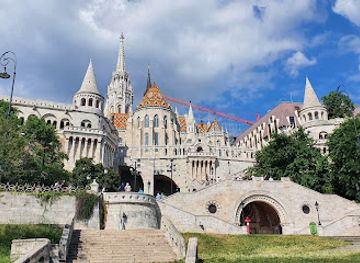
Fisherman's Bastion
Explore the breathtaking Fisherman's Bastion, a historical fortress in Budapest offering stunning views and rich architectural beauty.
-
Plaza
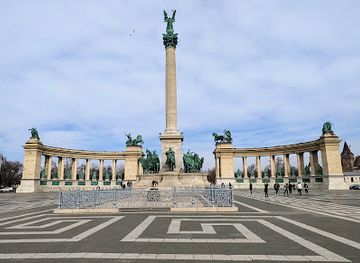
Heroes' Square
Explore the majestic Heroes' Square in Budapest, a vibrant plaza filled with history, culture, and stunning monuments that tell Hungary's story.
-
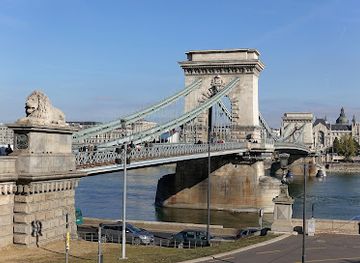
Bridge
Széchenyi Chain Bridge
Experience the grandeur of Széchenyi Chain Bridge, Budapest's historic symbol connecting Buda and Pest with breathtaking views and rich history.
-
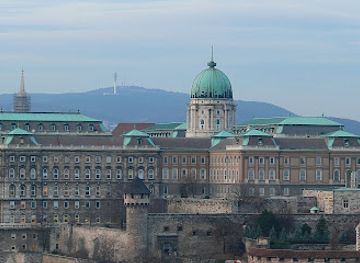
Castle
Buda Castle
Explore the majestic Buda Castle, a UNESCO World Heritage Site that captures the rich history and stunning architecture of Budapest.
Explore Western Transdanubia on the map
Plan your trip on one map. See where the top cities, national parks and sights are, and book hotels and experiences in a few clicks.
Best hotels in Western Transdanubia
Best restaurants in Western Transdanubia
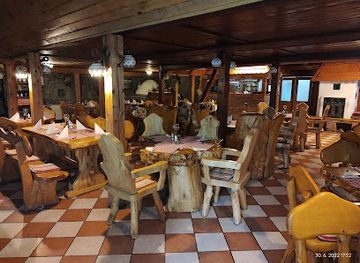
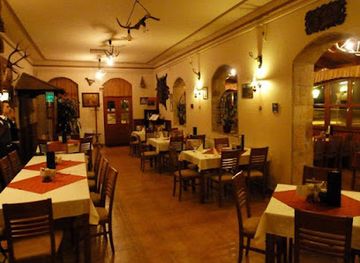
Dining in Western Transdanubia reflects its position between the Hungarian plain, the Alps and the wider Central European cultural zone. Menus commonly include goulash, stews, freshwater fish, sour-cherry preparations, seasonal vegetables and substantial soups, while border towns show Austrian and German influences in pastries, breads and café traditions. Sopron is closely associated with the Kékfrankos grape and has a well-established wine identity; vineyards around the western Balaton and Zala areas offer further opportunities to taste local wines and fruit-based products. Győr, Sopron, Szombathely and Keszthely have the broadest choice of restaurants, cafés and contemporary Hungarian cooking. In smaller towns, look for traditional inns, family-run restaurants and bakeries rather than a large formal dining scene. Thermal resorts cater extensively to visitors, with restaurants ranging from practical daytime options to more polished hotel dining. Farmers’ markets and village stalls can be the best places to find seasonal fruit, honey, cheeses, smoked meats and regional pastries, although exact market days vary by town.
-
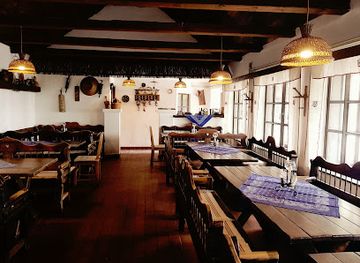
Restaurant
Határmenti Vigadó
Experience authentic Hungarian cuisine at Határmenti Vigadó in Szőlőhegy – where tradition meets flavor in a beautiful setting.
-
Hungarian
Várcsárda
Discover authentic Hungarian flavors and equestrian adventures at Várcsárda in Sümeg - a perfect blend for food lovers and horse enthusiasts.
-
Hungarian
Vadvirág Csárda
Experience the best of Hungarian cuisine at Vadvirág Csárda - where tradition meets taste in the heart of Bük.
-
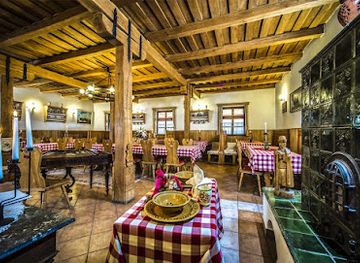
Restaurant
Vadászcsárda
Experience authentic Hungarian cuisine in a charming setting at Vadászcsárda in Zalacsány.
Best bars in Western Transdanubia
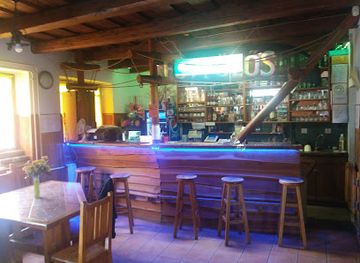
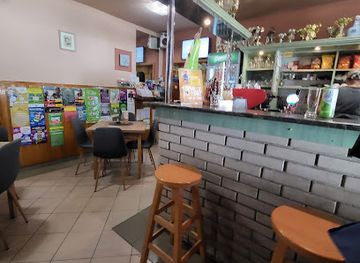
Evening life in Western Transdanubia is generally sociable and town-based rather than dominated by large clubs. Győr and Sopron have the widest selection of bars, cafés, wine venues and late-evening entertainment, with students and cross-border visitors contributing to a busier atmosphere at weekends. Szombathely and Zalaegerszeg offer a more local mixture of pubs, restaurants, cultural venues and occasional live music. In Keszthely and around the western shore of Lake Balaton, summer brings more activity around promenades and lakeside restaurants, while the off-season is considerably quieter. Spa towns such as Hévíz, Bük and Sárvár tend towards hotel bars, wine cellars, relaxed restaurants and evening concerts rather than a major nightclub culture. Rural areas usually centre on traditional pubs and seasonal village events, and wine regions offer cellar tastings that must be arranged responsibly. Opening times and entertainment programmes change, so local listings are more reliable than assuming a permanent nightlife schedule.
-
Bar
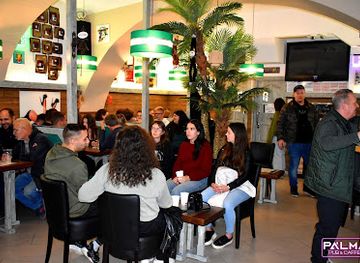
PÁLMA Sárvár Pub & Caffee
Experience the vibrant atmosphere and exquisite flavors at PÁLMA Sárvár Pub & Caffee, a must-visit for tourists in Sárvár.
-
Pub
Anita Cafe
Discover the charm of Anita Cafe in Szeleste, where cozy ambiance meets delightful drinks in a warm, inviting atmosphere.
-
Pub
Fregatt Játszóház
Discover the inviting atmosphere of Fregatt Játszóház in Sárvár, where local drinks meet a vibrant social scene.
-
Wine bar
Fülöp Borozó És Tekéző Lottózó
Discover the authentic flavors of Hungary at Fülöp Borozó És Tekéző Lottózó, a cozy wine bar in Sárvár offering a selection of local wines and delightful snacks.
Best nightclubs in Western Transdanubia
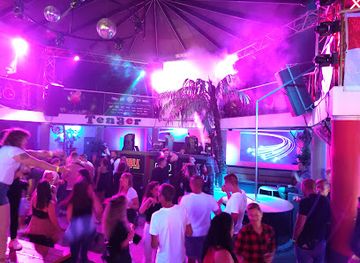
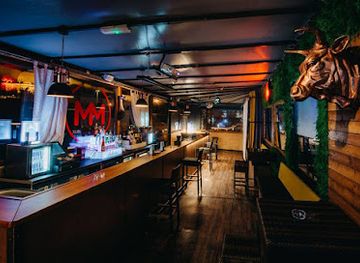
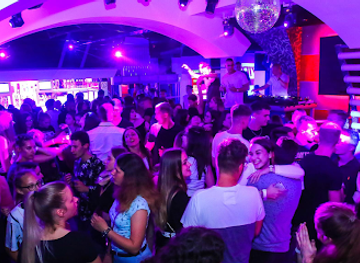
Evening life in Western Transdanubia is generally sociable and town-based rather than dominated by large clubs. Győr and Sopron have the widest selection of bars, cafés, wine venues and late-evening entertainment, with students and cross-border visitors contributing to a busier atmosphere at weekends. Szombathely and Zalaegerszeg offer a more local mixture of pubs, restaurants, cultural venues and occasional live music. In Keszthely and around the western shore of Lake Balaton, summer brings more activity around promenades and lakeside restaurants, while the off-season is considerably quieter. Spa towns such as Hévíz, Bük and Sárvár tend towards hotel bars, wine cellars, relaxed restaurants and evening concerts rather than a major nightclub culture. Rural areas usually centre on traditional pubs and seasonal village events, and wine regions offer cellar tastings that must be arranged responsibly. Opening times and entertainment programmes change, so local listings are more reliable than assuming a permanent nightlife schedule.
-
Disco club
Hungarian Sea Disco
Discover the vibrant nightlife at Hungarian Sea Disco, where unforgettable music and a lively atmosphere await by Lake Balaton.
-
Night club
Club Mamma Mia - Gyor
Discover the vibrant nightlife at Club Mamma Mia in Győr, where thrilling music and a stylish atmosphere create unforgettable nights.
-
Disco club
Maxxx club
Discover the vibrant nightlife of Szombathely at Maxxx Club, where music, dancing, and unforgettable memories await.
-
Disco club
Black Magic
Discover the electrifying nightlife at Black Magic Disco Club in Balatonmáriafürdő, where music, dance, and fun unite for an unforgettable night out.

Best shops in Western Transdanubia
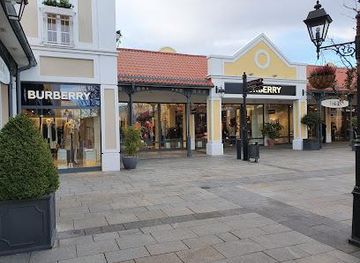
Shopping in Western Transdanubia is strongest in its historic towns, spa resorts and market centres. Győr and Sopron provide the broadest mix of everyday retail, independent shops, cafés and streetside browsing, while Szombathely and Zalaegerszeg serve as practical regional centres. Keszthely combines town shopping with seasonal lakeside trade, and spa resorts focus on wellness products, local food, clothing and visitor-oriented goods. Markets and farm stalls are useful for Hungarian paprika, honey, fruit preserves, cheeses, sausages and seasonal produce, with availability varying by place and day. Sopron and the western Balaton area are associated with wine, so bottles from reputable local producers make a more meaningful purchase than generic souvenirs; pack them carefully and check customs rules when crossing borders. In the Őrség and rural Zala, look for pottery, woodwork, woven goods and small-scale farm products, although supply is often limited and many workshops do not operate as daily shops. Historic streets also contain bookshops, galleries and craft retailers, but visitors should not expect the extensive luxury-shopping districts found in Budapest or Vienna.
-
Shopping mall
Westend
Explore Westend in Budapest, a vibrant shopping mall offering a mix of international brands, delicious dining options, and entertainment for all ages.
-
Outlet mall
Designer Outlet Parndorf
Discover incredible deals and gourmet dining at the Designer Outlet Parndorf, Austria's top destination for fashion lovers and foodies alike.
-
Outlet mall
Premier Outlet
Explore Premier Outlet in Biatorbágy, Hungary, for incredible deals on top fashion brands and a delightful shopping experience.
-
Sporting goods store
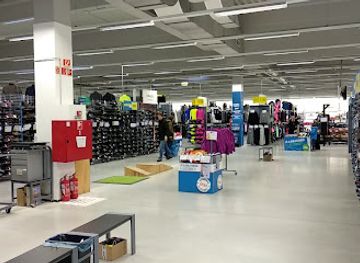
Decathlon Szombathely
Discover a world of sporting goods at Decathlon Szombathely, your ultimate destination for all things sports and outdoor activities.


Get your free copy of our complete guide to Western Transdanubia, delivered straight to you.
Everything on this page, from attractions and restaurants to essentials and local phrases, in one PDF you can read offline, print or share.
Already have an account? Sign in
Your Western Transdanubia guide is ready.
We'll send it to · Not you? Sign out

Getting your guide ready…
We are putting together a fresh copy of the Western Transdanubia guide. This can take up to a minute.
This can take a few moments. If your browser asks, choose Allow so the download can start. You'll find the guide in your Downloads folder.
Nothing happened? Download it again
Sorry, the guide is taking longer than usual. Please try again in a minute, or get it by email instead.
Western Transdanubia essentials
Currency and Payment
Safety
Emergency Situations
Do's and Don'ts
Local Tips
From Eve
Local phrases worth knowing
You don't need to get them perfect. A few words go a long way, and locals appreciate the effort.
Basics
| English | Local | Say it |
|---|---|---|
| Hello | Szia | [See-yah] |
| Goodbye | Viszlát | [Veese-lat] |
| Yes | Igen | [Ee-gen] |
| No | Nem | [Nem] |
| Please/You're welcome | Kérem | [Kay-rem] |
| Thank you | Köszönöm | [Kuh-suh-nuhm] |
| Excuse me/Sorry | Elnézést | [El-nay-zest] |
| How are you? | Hogy vagy? | [Hodge vied?] |
| Fine. And you? | Jól. És te? | [Yoal. Aysh tay?] |
| Do you speak English? | Beszélsz angolul? | [Beh-sayls ahn-golool?] |
| I don't understand | Nem értem | [Nem air-tem] |
Eating & Drinking
| English | Local | Say it |
|---|---|---|
| I'd like to see the menu, please | Szeretném megnézni az étlapot, kérem | [Seh-ret-name meg-nayz-nee az ate-lapot, kay-rem] |
| I don't eat meat | Nem eszem húst | [Nem eh-sem hoosh-t] |
| Cheers! | Egészségedre! | [Eh-gay-shay-ged-reh!] |
| I would like to pay, please | Szeretném kifizetni, kérem | [Seh-ret-name key-fee-zet-nee, kay-rem] |
Emergencies
| English | Local | Say it |
|---|---|---|
| Help! | Segíts! | [Sheh-geets!] |
| Go away! | Menj el! | [Men-yel!] |
| Call the Police! | Hívd a rendőrséget! | [Heevd a ren-doersh-ay-get!] |
| Call a doctor! | Hívd az orvost! | [Heevd az or-vost!] |
| I'm lost | Elvesztem | [El-ves-tem] |
| I'm ill | Beteg vagyok | [Beh-teg va-yok] |
Shopping
| English | Local | Say it |
|---|---|---|
| I'd like to buy... | Szeretnék venni... | [Seh-ret-nayk ven-nee...] |
| I'm just looking | Csak nézelődök | [Chak nay-zay-loo-dok] |
| How much is it? | Mennyibe kerül? | [Men-yee-beh keh-rul?] |
| That's too expensive | Az túl drága | [Oz tool drah-gah] |
| Can you lower the price? | Le tudnád csökkenteni az árat? | [Leh tood-nahd chohk-kent-nee az ah-rat?] |
Time & Numbers
| English | Local | Say it |
|---|---|---|
| What time is it? | Hány óra van? | [Hahn-ee oh-rah vahn?] |
| It's one o'clock | Egy óra van | [Edj oh-rah vahn] |
| Half past (10) | Fél (10) | [Fayl (10)] |
| Morning | Reggel | [Reg-gel] |
| Afternoon | Délután | [Dale-oo-tahn] |
| Evening | Este | [Es-teh] |
| Yesterday | Tegnap | [Teg-nap] |
| Today | Ma | [Mah] |
| Tomorrow | Holnap | [Hol-nap] |
| 1 | 1 | [Egy] |
| 2 | 2 | [Kettő] |
| 3 | 3 | [Három] |
| 4 | 4 | [Négy] |
| 5 | 5 | [Öt] |
| 6 | 6 | [Hat] |
| 7 | 7 | [Hét] |
| 8 | 8 | [Nyolc] |
| 9 | 9 | [Kilenc] |
| 10 | 10 | [Tíz] |
Transport & Directions
| English | Local | Say it |
|---|---|---|
| Where's a/the...? | Hol van a...? | [Hol vahn a...?] |
| What's the address? | Mi a cím? | [Mee a teem?] |
| Can you show me (on the map)? | Meg tudod mutatni (a térképen)? | [Meg tood-od moo-taht-nee (a tayr-kay-pen)?] |
| When's the next (bus)? | Mikor jön a következő (busz)? | [Mee-kor yun a keh-vet-keh-zo (booz)?] |
| A ticket (to ....) | Egy jegy (a ....) | [Edj yeh-dy (a ....)] |
History of Western Transdanubia
Roman Savaria and the Amber Road
The Roman town of Savaria was founded in the early imperial period on the site of present-day Szombathely, near an important route linking the Adriatic with Central Europe. It became a significant administrative and commercial centre in the province of Pannonia, and the settlement was associated with the imperial cult and the cult of Isis. Archaeological remains, museum collections and the layout of the modern city preserve this Roman inheritance. The wider western part of present-day Hungary also lay close to routes crossing the Danube basin, making the region a long-standing zone of movement and exchange.
Medieval Borderlands and Fortified Towns
During the medieval Kingdom of Hungary, the western counties developed around royal roads, ecclesiastical estates, market towns and frontier fortifications. Sopron, known historically as Ödenburg in German, became a prominent walled town and commercial centre, while Kőszeg gained importance through its strategic position near the Austrian lands. Castles and fortified settlements guarded routes across the hills and plains. The region’s later architectural character, from medieval street plans to baroque churches and civic buildings, reflects repeated rebuilding after warfare, fire and political change.
Ottoman Frontier and the Defence of Western Hungary
The Ottoman advance after the Battle of Mohács in 1526 transformed western Hungary into a militarised border zone, even though much of Western Transdanubia remained outside direct Ottoman administration. Fortresses such as Kőszeg became symbols of resistance; in 1532, the town’s defenders held out against the army of Sultan Süleyman I during its campaign towards Vienna. The conflict disrupted settlements, agriculture and trade, while Habsburg military organisation strengthened the region’s links with Austria. Many later castles and town fortifications carry this frontier history in their plans and surviving structures.
Habsburg Rule and Baroque Reconstruction
After the Ottoman wars, Western Transdanubia was increasingly integrated into the Habsburg-ruled Kingdom of Hungary. Catholic religious orders, aristocratic families and municipal authorities rebuilt towns and estates in baroque styles. Győr developed an elegant historic centre around churches and episcopal buildings, while the Festetics family established the substantial palace estate at Keszthely. Agricultural improvement, estate administration and cross-border trade connected the region to Vienna and other Central European markets. The period left a strong architectural legacy, particularly in Sopron, Győr, Keszthely and the smaller county towns.
Railways, Industry and Urban Growth
Nineteenth-century railway construction changed Western Transdanubia by linking its market towns with Budapest, Vienna, the Adriatic-oriented routes and other parts of the Hungarian Kingdom. Rail transport supported grain production, timber, wine, livestock trading and urban manufacturing. Győr became an important industrial centre, while Sopron, Szombathely and Nagykanizsa developed as regional transport and commercial hubs. New civic buildings, schools and railway infrastructure accompanied urban growth. The period also strengthened cultural and economic connections across the modern Austrian border.
The Treaty of Trianon and New Borders
The post-First World War Treaty of Trianon redrew Hungary’s borders and had a direct effect on the western counties. Several communities and transport links became separated from their traditional regional networks, while the new frontier with Austria altered trade, administration and everyday mobility. In the 1921 plebiscite, Sopron and several surrounding villages voted to remain in Hungary, giving the city its widely used title of Civitas Fidelissima, or Most Loyal City. Border restrictions later intensified during the state-socialist period before gradually easing after 1989.
Thermal Tourism and Cross-Border Renewal
Thermal water has long been used in Hungary, but Western Transdanubia’s modern spa economy expanded particularly strongly in the later twentieth century. Hévíz, Bük, Sárvár and Zalakaros developed major bathing and accommodation facilities, turning local geothermal resources into internationally recognised health and leisure destinations. Since the end of state socialism, the region has also benefited from Hungary’s European Union membership, cross-border commuting and investment around Győr and the Austrian frontier. Historic preservation, rural tourism and nature protection now complement the older industrial and spa economies.
Western Transdanubia in Photos
Browse through our photo collection highlighting the charm and character of the destination.
Neighbouring regions of Western Transdanubia
The closest regions to Western Transdanubia, if you have time for more than one.
-

-

-

-

-


Swipe for more regions
Explore more

Explore more of Hungary
Discover Hungary: A land of historic cities, scenic landscapes, thermal baths, and rich culinary traditions in the heart of Europe.
Explore Hungary