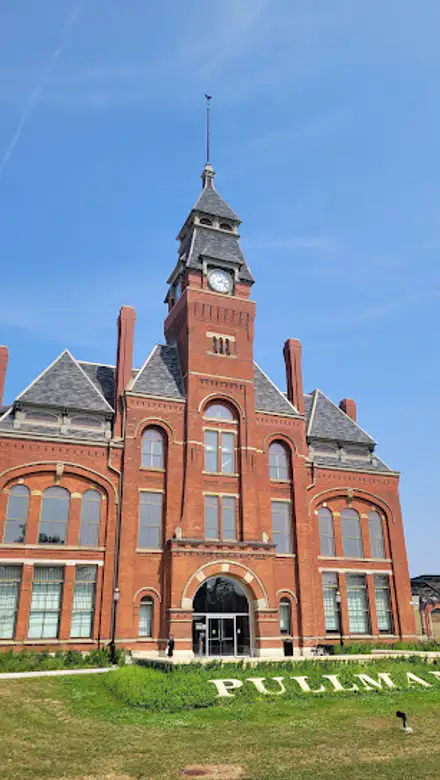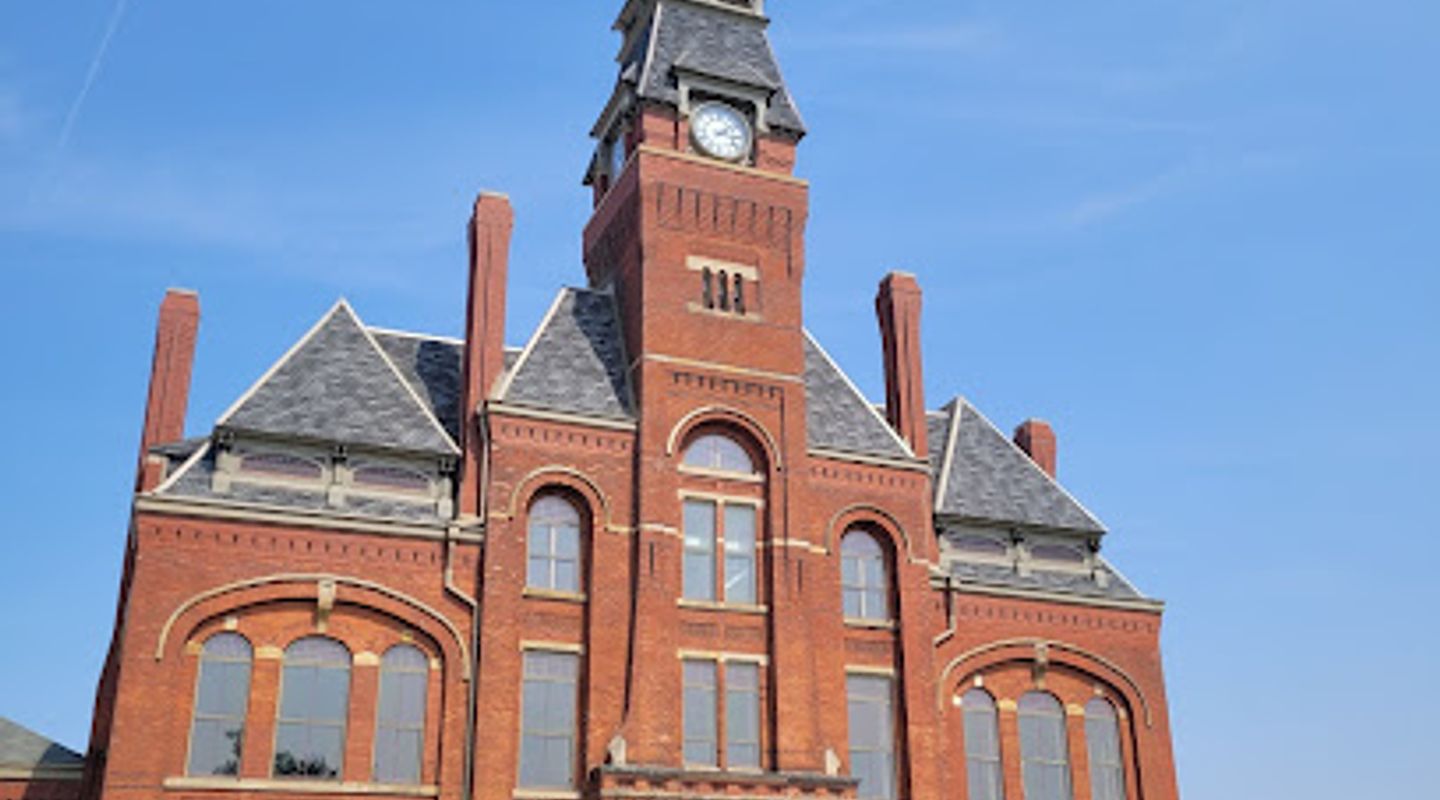
Pullman National Historical Park, Chicago Travel Guide
Discover the fascinating history of Pullman National Historical Park, where America's labor movement and industrial legacy come to life in Chicago.
Nestled in the heart of Chicago, Pullman National Historical Park offers a unique glimpse into America’s industrial past. Tourists can explore beautifully preserved architecture, learn about the workers' community, and enjoy scenic views along the historic streets of Pullman.
A brief summary to Pullman National Historical Park
- 610 E 111th St, Chicago, Pullman, Illinois, 60628, US
- Click to display
- Click to display
- Monday 9 am-4:30 pm
- Tuesday 9 am-4:30 pm
- Wednesday 9 am-4:30 pm
- Thursday 9 am-4:30 pm
- Friday 9 am-4:30 pm
- Saturday 9 am-4:30 pm
- Sunday 9 am-4:30 pm

Know before you go
Hi, I'm Eve. Here are a few practical things to know before exploring Pullman National Historical Park.
- Visit during the weekdays to avoid crowds and have a more personal experience.
- Check the park's schedule for special events and guided tours for an enriched experience.
- Wear comfortable shoes, as there is a lot of walking involved in exploring the historical sites.
- Plan your visit in the fall to enjoy the beautiful foliage that surrounds the park.
- Take time to explore the nearby neighborhood for local dining options and unique shops.
Do you manage this location?
Take control to get all the benefits, like improved information, better appearance, and stronger visibility across AI-powered discovery. Learn more about listing your business on Evendo
Activate your presenceOther nearby places you may find interesting
The closest places of the same kind, if this one is not quite what you had in mind.
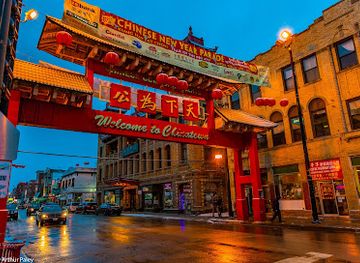
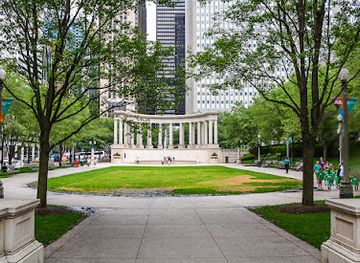
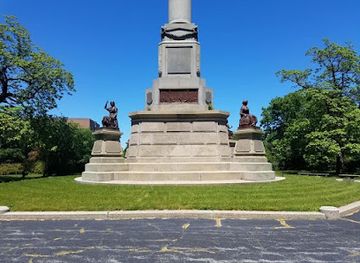
Explore Pullman National Historical Park on the Map
A handpicked selection of must-see spots near Pullman National Historical Park, mapped for you.
Unlock the Best of Pullman National Historical Park
Buy tickets
-
No tickets available
Book tours with entry

Book tours without entry
-
No tours available
Getting There
-
Train
Start at any downtown Chicago station (e.g., Chicago Union Station or State/Lake). Take the Metra Electric District Line towards University Park. Make sure to check the schedule for the latest departures. Disembark at the Pullman Station, which is about a 10-minute walk from Pullman National Historical Park. Exit the station and head east on 111th Street until you reach the park entrance at 610 E 111th St.
-
Bus
From downtown Chicago, take the CTA bus route 95 (95th/Dan Ryan). Board the bus at a nearby bus stop (you can catch it at State & Washington). Ride the bus until you reach 111th Street and Cottage Grove Avenue. From there, walk east on 111th Street for about 0.5 miles until you arrive at Pullman National Historical Park at 610 E 111th St.
-
Bicycle
If you prefer cycling, rent a bike from one of the many Divvy bike stations in downtown Chicago. Head south on the Lakefront Trail until you reach 95th Street. Then, follow 95th Street west until you reach Cottage Grove Avenue. Turn left and proceed south until you reach 111th Street. Turn right and continue walking your bike east on 111th Street until you reach Pullman National Historical Park at 610 E 111th St.
-
Walking
If you're already in the Pullman area, simply walk to Pullman National Historical Park at 610 E 111th St. You can start from the nearest landmark or your accommodation, heading east on 111th Street. The park is well-marked, and you will enjoy the historical architecture along the way.
Discover more about Pullman National Historical Park
More to explore near Pullman National Historical Park
-

Best experiences near Pullman National Historical Park
-

Best hotels near Pullman National Historical Park
-

Best attractions near Pullman National Historical Park
-

Best shops near Pullman National Historical Park
-

Best restaurants near Pullman National Historical Park
-

Best bars near Pullman National Historical Park







Your all‑in‑one travel companion app
Explore expert travel guides, compare and book tours, experiences, hotels, and more—all from the palm of your hand. Download now for seamless trip planning wherever your wanderlust takes you.


Explore More of Chicago
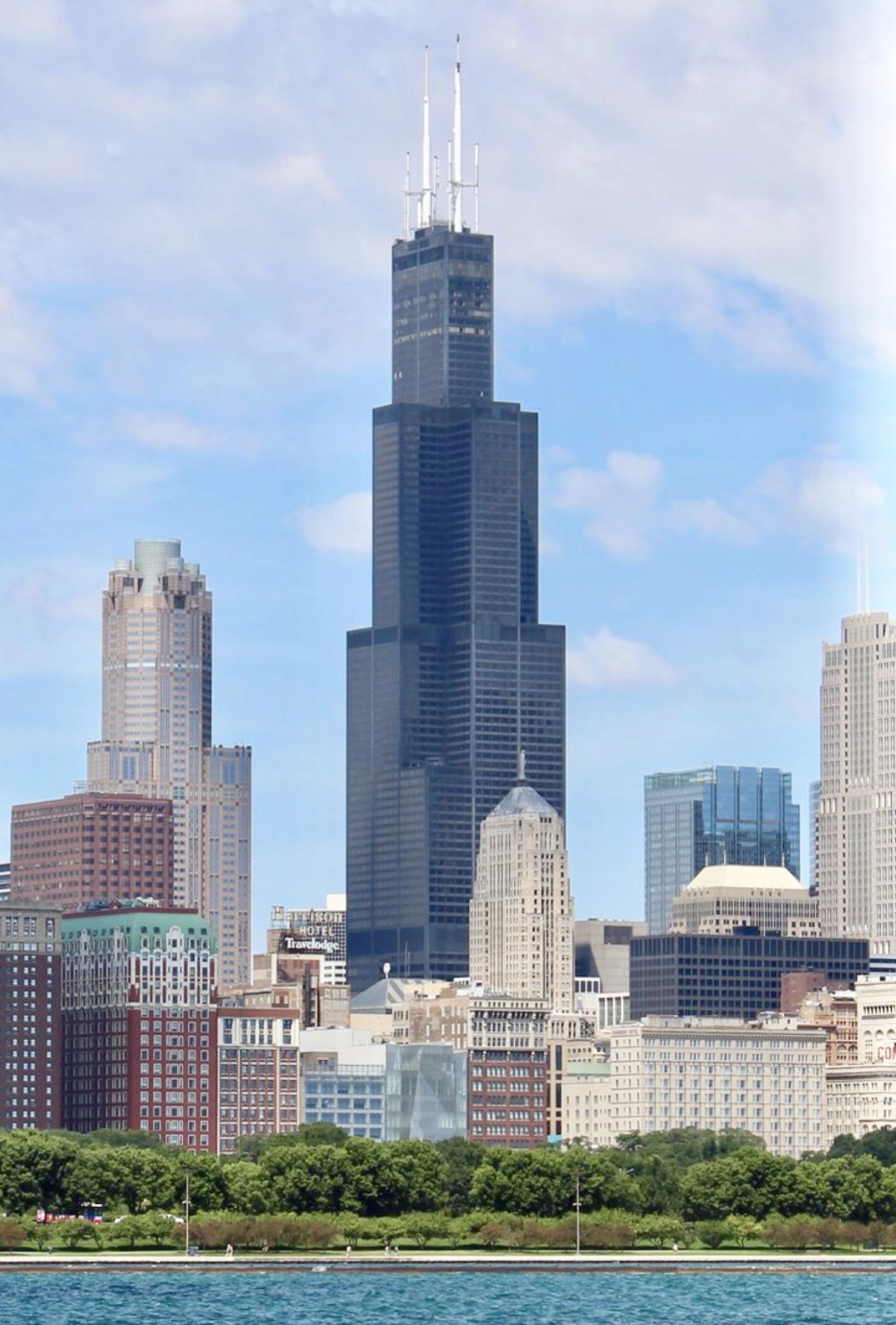
Looking beyond Pullman National Historical Park? Discover Chicago for broader travel guides, local hot-spots, and regional highlights.
Explore Chicago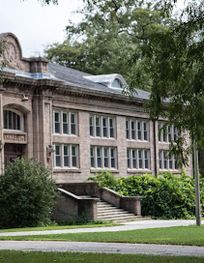
Discover the beauty and tranquility of Calumet Park, a historic urban oasis in Chicago with recreational activities and lush landscapes.
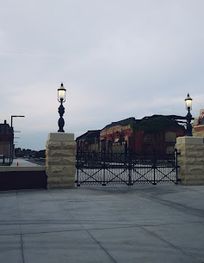
Explore the historic Pullman Main Gate and Gatehouse, a symbol of Chicago's rich industrial heritage and pivotal labor history.