

Free Chicago Travel Guide & Mobile App
Plan your Chicago trip with Evendo. Get free guides to top attractions, restaurants, hotels, and bars. Web access or download the mobile app.


Chicago combines Lake Michigan vistas, bold architecture, celebrated museums, neighbourhood food and blues, jazz and theatre across a layered American city.
A City Shaped by Water and Steel
Chicago stands on the south-western shore of Lake Michigan, where a broad, engineered waterfront meets the flat prairie of the American Midwest. Its setting is central to its character: beaches, parks and a long lakefront path form a spacious eastern edge, while the Chicago River threads through a dense core of offices, theatres, hotels and historic commercial streets. The city is celebrated for the ideas that transformed urban architecture, from the early skyscrapers of the Loop to the modern towers lining the river.Read more about Chicago
Neighbourhoods with Distinctive Voices
Culture on a Grand Scale
When is the best time to visit Chicago?
Best: May–June, September · 22–27°C| Month | High (°C) | Rainfall (mm) |
|---|---|---|
| January | 2 | 43 |
| February | 4 | 41 |
| March | 10 | 56 |
| April | 16 | 84 |
| May (best) | 22 | 94 |
| June (best) | 27 | 102 |
| July | 29 | 102 |
| August | 29 | 109 |
| September (best) | 24 | 82 |
| October | 17 | 71 |
| November | 9 | 71 |
| December | 3 | 53 |
Getting to and around Chicago
How to get there
Transportation
Best attractions in Chicago
Chicago's principal attractions range from the open lawns of Millennium Park, home to Cloud Gate and the Jay Pritzker Pavilion, to the Chicago Riverwalk, where bridges, boat traffic and skyscraper views reveal the city's architectural history. The Art Institute of Chicago occupies a prominent Michigan Avenue setting and holds major collections spanning centuries, while the Museum Campus brings together the Field Museum, Shedd Aquarium and Adler Planetarium beside the lake. Navy Pier provides public promenades, cultural venues and lake views rather than a single historic monument. In the neighbourhoods, the Garfield Park Conservatory offers lush indoor gardens, the DuSable Black History Museum and Education Center explores African American history, and the National Museum of Mexican Art anchors Pilsen's cultural landscape. The 606 adds a different perspective, turning a former elevated railway into a linear trail through the northwest side.
-
Park
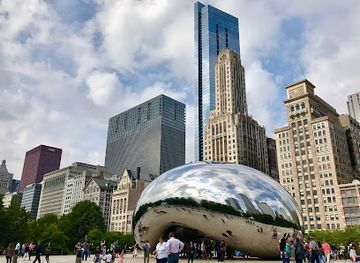
Millennium Park
Discover Millennium Park, Chicago’s premier park showcasing stunning art, lush gardens, and year-round cultural events in the heart of the city.
10 min walk · 0.8 km from city centre
-
Park
Millennium Park
Explore Millennium Park, Chicago's premier urban park featuring iconic art, stunning gardens, and vibrant cultural events in the heart of the city.
10 min walk · 0.8 km from city centre
-
Tourist attraction
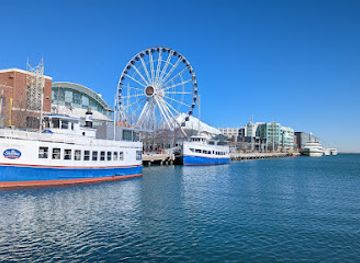
Navy Pier
Explore Navy Pier: Chicago's premier waterfront destination for entertainment, dining, and culture, offering breathtaking views and unforgettable experiences.
8 min drive · 2.6 km from city centre
-
 Tourist attraction
Navy Pier
Explore Navy Pier, Chicago's dynamic waterfront destination featuring attractions, dining, and breathtaking views on Lake Michigan.
8 min drive · 2.6 km from city centre


Best landmarks in Chicago
Chicago's landmarks express its architectural experimentation and civic ambition. The Chicago Board of Trade Building closes the southern end of LaSalle Street with an imposing Art Deco tower, while the Rookery Building and Monadnock Building record different stages in the development of the early commercial skyscraper. The Wrigley Building and Tribune Tower give Michigan Avenue a distinctive historic skyline, and Marina City introduces the cylindrical forms of post-war modernism beside the river. The Chicago Cultural Center, with its great Tiffany glass dome, serves as a civic and cultural landmark near Millennium Park. The elevated ‘L’ tracks and bridges are also part of the city's visual identity, linking the Loop's dense streetscape with the transport network that enabled its growth. Along the lake, the Museum Campus and Buckingham Memorial Fountain represent Chicago's tradition of monumental public design.
-
Park
Millennium Park
Discover Millennium Park: Chicago's iconic urban oasis featuring stunning art, architecture, and vibrant events in the heart of the city.
10 min walk · 0.8 km from city centre
-
Tourist attraction
Navy Pier
Discover the excitement of Navy Pier, Chicago's premier destination for entertainment, dining, and waterfront activities, nestled along the shores of Lake Michigan.
8 min drive · 2.6 km from city centre
-
Sculpture
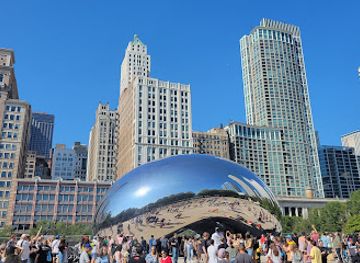
Cloud Gate
Discover Cloud Gate, Chicago's iconic sculpture, reflecting the city's vibrant skyline and captivating visitors with its stunning artistry in Millennium Park.
9 min walk · 0.7 km from city centre
-
Observation deck
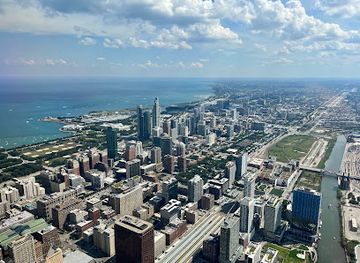
Skydeck Chicago
Experience the breathtaking views and thrilling adventure of Skydeck Chicago, the ultimate observation deck in the heart of the city.
6 min walk · 0.5 km from city centre
Explore Chicago on the map
Plan your Chicago trip on one map. See where the top attractions, landmarks, restaurants, bars and hotels are, find what's near where you're staying, and book hotels and experiences in a few clicks.
Neighbourhoods in Chicago
-

-

-

-

-


Swipe for more neighbourhoods
Best hotels in Chicago
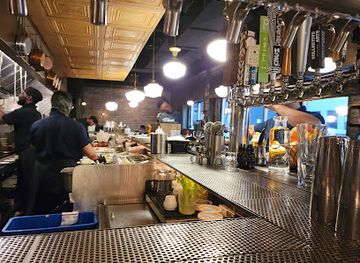
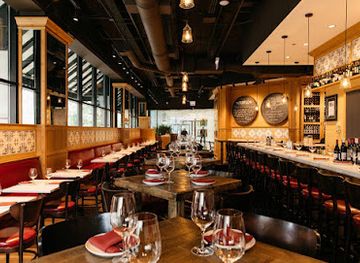
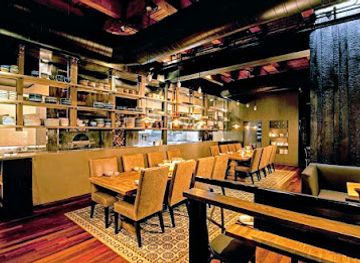
Best restaurants in Chicago
Chicago's food culture reflects successive migrations, industrial history and the city's role as a Midwestern crossroads. Deep-dish pizza is the best-known local speciality, but tavern-style thin-crust pizza is equally embedded in everyday neighbourhood dining; other familiar signatures include the Chicago-style hot dog, Italian beef sandwiches and the Maxwell Street Polish. Mexican cooking is especially prominent in Pilsen and across the South and West Sides, while Chinatown, Devon Avenue, Greektown, Little Italy and long-established Polish communities broaden the city's culinary map. Independent diners, bakeries, steakhouses, modern tasting menus and casual counter-service restaurants sit alongside old-fashioned taverns. Food halls and farmers' markets add contemporary options, while regional ingredients such as lake fish, corn and seasonal produce connect the dining scene to the wider Midwest without defining it exclusively.
-
American
Au Cheval
Discover Au Cheval in Chicago's West Loop: Home to gourmet burgers and classic American comfort food in a trendy atmosphere.
5 min drive · 1.6 km from city centre
-
Mediterranean
The Purple Pig Restaurant
Experience Mediterranean flavors at The Purple Pig Restaurant in Chicago – where every dish tells a story.
18 min walk · 1.5 km from city centre
-
New American
Girl & The Goat
Experience innovative New American cuisine at Girl & The Goat in Chicago's West Loop - where bold flavors meet sustainable practices.
5 min drive · 1.6 km from city centre
-
American
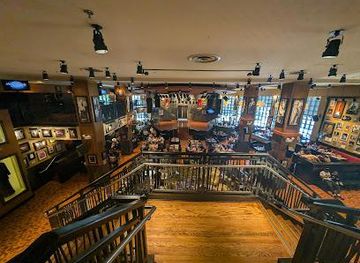
Hard Rock Cafe
Rock and roll history meets bold American cuisine in Chicago's most iconic music-themed dining destination.
5 min drive · 1.7 km from city centre
Best bars in Chicago
Chicago after dark is shaped as much by music and theatre as by drinking. The Green Mill in Uptown is a long-established jazz venue, while Kingston Mines remains associated with live blues; the South Side's historic Bronzeville and the wider city also carry deep connections to gospel, blues, jazz and house music. River North and the West Loop offer cocktail bars, lounges and late-night restaurants, Wicker Park and Logan Square are known for independent bars and live music, and Wrigleyville becomes especially active around sporting events. The Loop concentrates theatres, comedy venues and concert halls, including the Chicago Theatre and venues around the Theatre District. Nightlife can be energetic without being club-centred, with orchestra concerts, gallery events, comedy and neighbourhood performances providing alternatives to late-night bars.
-
Cocktail bar
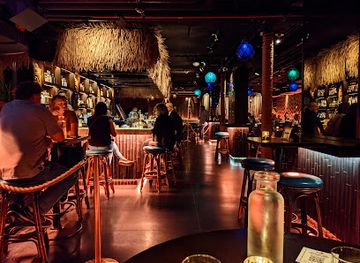
Three Dots and a Dash
Experience tropical cocktails and an enchanting ambiance at Three Dots and a Dash, Chicago's premier cocktail bar.
17 min walk · 1.4 km from city centre
-
Cocktail bar
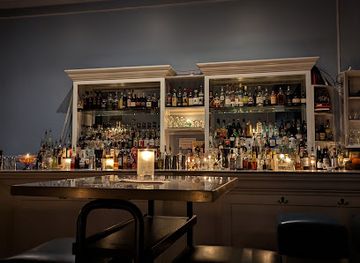
The Violet Hour
Experience the elegance of The Violet Hour, a premier cocktail bar in Wicker Park, Chicago, where exquisite drinks meet a cozy ambiance.
16 min drive · 5.2 km from city centre
-
Restaurant
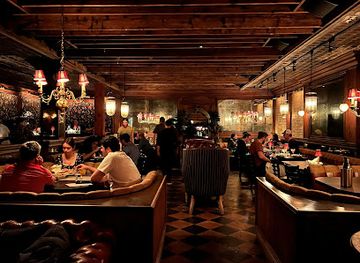
Gilt Bar
Discover Gilt Bar, where exquisite dining meets an upscale cocktail experience in the heart of Chicago's vibrant nightlife.
17 min walk · 1.3 km from city centre
-
Restaurant
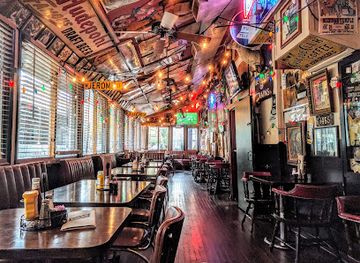
The Green Door Tavern
Discover Chicago's vibrant dining scene at The Green Door Tavern, where history meets a lively atmosphere and delicious American cuisine.
6 min drive · 1.9 km from city centre
Best nightclubs in Chicago
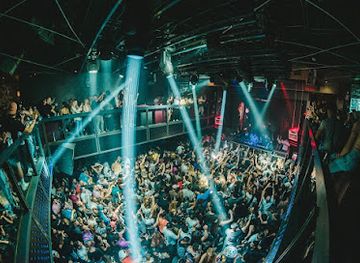
Chicago after dark is shaped as much by music and theatre as by drinking. The Green Mill in Uptown is a long-established jazz venue, while Kingston Mines remains associated with live blues; the South Side's historic Bronzeville and the wider city also carry deep connections to gospel, blues, jazz and house music. River North and the West Loop offer cocktail bars, lounges and late-night restaurants, Wicker Park and Logan Square are known for independent bars and live music, and Wrigleyville becomes especially active around sporting events. The Loop concentrates theatres, comedy venues and concert halls, including the Chicago Theatre and venues around the Theatre District. Nightlife can be energetic without being club-centred, with orchestra concerts, gallery events, comedy and neighbourhood performances providing alternatives to late-night bars.
-
Night club
Stereo Nightclub
Dive into the electrifying nightlife of Chicago at Stereo Nightclub, where live music and vibrant beats create an unforgettable experience.
33 min drive · 13 km from city centre
-
Night club
Sound Bar
Discover the exhilarating nightlife at Sound Bar, Chicago's premier night club offering top DJs, vibrant atmosphere, and memorable parties.
5 min drive · 1.8 km from city centre
-
Night club
PRYSM Chicago
Discover the ultimate nightlife experience at PRYSM Chicago, a vibrant night club offering live music, stylish lounges, and unforgettable parties.
12 min drive · 4.0 km from city centre
-
Night club
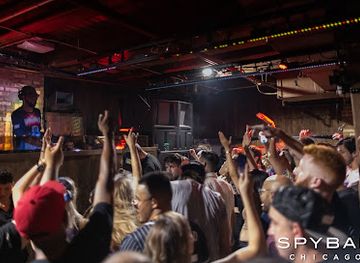
Spybar
Discover the electrifying nightlife and unforgettable DJ experiences at Spybar, Chicago's premier night club and live music venue.
5 min drive · 1.8 km from city centre


Best shops in Chicago
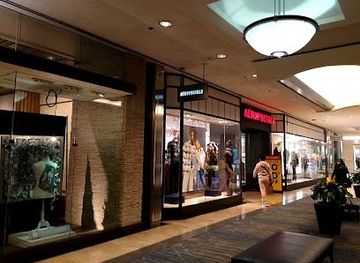
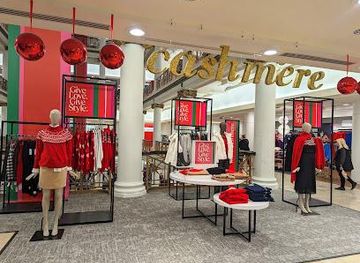
Chicago's shopping ranges from the department stores and international brands of the Magnificent Mile to independent boutiques scattered through Wicker Park, Bucktown, Logan Square, Andersonville and the West Loop. State Street remains an important central retail corridor, while Oak Street is associated with higher-end fashion and design. Neighbourhood shopping is often more revealing than the major commercial avenues: Pilsen has galleries, studios and shops connected with Mexican American culture, and Andersonville is known for independent retailers, design stores and specialist businesses. Maxwell Street Market, when operating in its scheduled form, reflects the city's long street-trading tradition, though its character and timetable can change. Useful purchases include Chicago-themed design, locally made art, regional food products, records, books and craft goods; visitors should distinguish genuinely local work from generic souvenirs.
-
Shopping mall
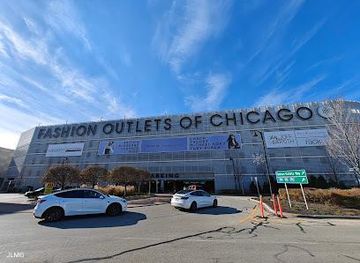
Fashion Outlets of Chicago
Explore the ultimate shopping destination at Fashion Outlets of Chicago, where designer brands meet exceptional dining and entertainment options.
42 min drive · 22 km from city centre
-
Shopping mall
Water Tower Place
Experience Chicago's premier shopping destination at Water Tower Place, where luxury meets local charm in a stunning architectural setting.
7 min drive · 2.3 km from city centre
-
Department store
Macy's
Discover the vibrant shopping experience at Macy's in Chicago's Loop, where history meets modern retail in an iconic department store.
8 min walk · 0.7 km from city centre
-
Shopping mall
Westfield Old Orchard
Explore Westfield Old Orchard: A premier shopping mall in Skokie, Illinois, offering a diverse range of stores, dining, and entertainment options for all visitors.
42 min drive · 22 km from city centre
Get your free copy of our complete guide to Chicago, delivered straight to you.
Everything on this page, from attractions and restaurants to essentials and local phrases, in one PDF you can read offline, print or share.
Already have an account? Sign in
Your Chicago guide is ready.
We'll send it to · Not you? Sign out

Getting your guide ready…
We are putting together a fresh copy of the Chicago guide. This can take up to a minute.
This can take a few moments. If your browser asks, choose Allow so the download can start. You'll find the guide in your Downloads folder.
Nothing happened? Download it again
Sorry, the guide is taking longer than usual. Please try again in a minute, or get it by email instead.
Chicago essentials
Currency and Payment
Safety
Emergency Situations
Do's and Don'ts
Local Tips
From Eve
Local phrases worth knowing
You don't need to get them perfect. A few words go a long way, and locals appreciate the effort.
Basics
| English | Local | Say it |
|---|---|---|
| Hello | Hey | [hey] |
| Goodbye | Later | [lay-ter] |
| Yes | Yeah | [yeh] |
| No | Nah | [nah] |
| Please/You're welcome | Please/No problem | [pleez/no prob-lem] |
| Thank you | Thanks | [th-anks] |
| Excuse me/Sorry | Excuse me/My bad | [ex-cuse me/my bad] |
| How are you? | How you doin'? | [how yuh doin'] |
| Fine. And you? | Good. You? | [good. yuh?] |
| Do you speak English? | You speak English? | [yuh speak english?] |
| I don't understand | I don't get it | [I don't get it] |
Eating & Drinking
| English | Local | Say it |
|---|---|---|
| I'd like to see the menu, please | Let me see the menu, please | [let me see the menu, please] |
| I don't eat meat | I don't eat meat | [I don't eat meat] |
| Cheers! | Cheers! | [Cheers!] |
| I would like to pay, please | I'll pay now, please | [I'll pay now, please] |
Emergencies
| English | Local | Say it |
|---|---|---|
| Help! | Help! | [Help!] |
| Go away! | Get lost! | [get lost!] |
| Call the Police! | Call the cops! | [call the cops!] |
| Call a doctor! | Call a doc! | [call a doc!] |
| I'm lost | I'm lost | [I'm lost] |
| I'm ill | I'm sick | [I'm sick] |
Shopping
| English | Local | Say it |
|---|---|---|
| I'd like to buy... | I wanna buy... | [I wanna buy...] |
| I'm just looking | Just browsing | [just brows-ing] |
| How much is it? | How much? | [how much?] |
| That's too expensive | That's pricey | [that's pricey] |
| Can you lower the price? | Can you haggle? | [can you hag-gle?] |
Time & Numbers
| English | Local | Say it |
|---|---|---|
| What time is it? | What's the time? | [what's the time?] |
| It's one o'clock | It's one | [it's one] |
| Half past (10) | Ten thirty | [ten thur-tee] |
| Morning | Morning | [Morning] |
| Afternoon | Afternoon | [Afternoon] |
| Evening | Evening | [Evening] |
| Yesterday | Yesterday | [Yesterday] |
| Today | Today | [Today] |
| Tomorrow | Tomorrow | [Tomorrow] |
| 1 | One | [One] |
| 2 | Two | [Two] |
| 3 | Three | [Three] |
| 4 | Four | [Four] |
| 5 | Five | [Five] |
| 6 | Six | [Six] |
| 7 | Seven | [Seven] |
| 8 | Eight | [Eight] |
| 9 | Nine | [Nine] |
| 10 | Ten | [Ten] |
Transport & Directions
| English | Local | Say it |
|---|---|---|
| Where's a/the...? | Where's the...? | [where's the...?] |
| What's the address? | What's the addy? | [what's the addy?] |
| Can you show me (on the map)? | Show me (on the map)? | [show me (on the map)?] |
| When's the next (bus)? | When's the next (bus)? | [when's the next (bus)?] |
| A ticket (to ....) | A ticket (to ....) | [a ticket (to ....)] |
History of Chicago
Indigenous Homeland and River Crossing
The Chicago area has long been home to Indigenous peoples, including Potawatomi, Miami and Illinois groups, and formed part of an important network of waterways and portage routes linking the Great Lakes with the Mississippi basin. The name Chicago is generally connected with an Indigenous term associated with wild garlic or onions, although the precise linguistic history is discussed by scholars. French explorers and traders entered the region during the seventeenth century, followed by expanding American military and commercial interests. The Chicago River and the short portage between it and the Des Plaines River gave the location strategic value well before the modern city appeared. This geography, rather than a deep natural harbour or a large pre-existing settlement, helped determine Chicago's later role as a transportation centre.
Fort Dearborn and City Incorporation
The United States established Fort Dearborn on the Chicago River in 1808, extending federal influence into a region still shaped by Indigenous diplomacy, trade and resistance. The fort was abandoned during the War of 1812 after the Battle of Fort Dearborn and rebuilt in 1816. Treaties and the forced removal of Indigenous communities opened land to increasing American settlement, despite the profound human cost of that policy. Chicago was incorporated as a town in 1833 and as a city in 1837, when its population was still small. The opening of the Illinois and Michigan Canal in 1848 connected the Great Lakes with the Illinois River system, strengthening the settlement's commercial prospects and preparing the way for railways, grain elevators, warehouses and large-scale migration.
Railways, Commerce and Rapid Growth
During the second half of the nineteenth century, Chicago became one of North America's major transport and trading centres. Railways converged on the city, while the river, canal and lake supported the movement of grain, lumber, livestock and manufactured goods. The Union Stock Yard, opened in 1865, symbolised the city's industrial scale and helped establish meatpacking as a defining business, although its working conditions were harsh. Immigrants from Ireland, Germany, Scandinavia, Poland, Italy and many other regions built communities, churches, labour organisations and businesses. The geographic grid expanded quickly across the prairie, producing a city of stark contrasts: commercial wealth and ambitious civic projects existed alongside overcrowded housing, industrial pollution and difficult labour conditions.
The Great Fire and Architectural Reinvention
The Great Chicago Fire of October 1871 destroyed much of the central city, but rebuilding accelerated rather than halted Chicago's growth. New construction benefited from improved fire regulations, advances in structural engineering and the expanding use of steel frames and elevators. Architects including William Le Baron Jenney, Louis Sullivan, Dankmar Adler and Daniel Burnham helped develop forms that made taller commercial buildings practical, contributing to Chicago's pivotal place in the history of the skyscraper. Burnham's 1909 Plan of Chicago proposed grand civic avenues, improved lakefront parks and a more coherent public realm. Not every recommendation was realised, but the plan influenced the city's continuing relationship with its shoreline, boulevards and public spaces.
The Columbian Exposition and Modern Chicago
The World's Columbian Exposition of 1893 introduced millions of visitors to a carefully planned fairground in the city's Hyde Park area. Its monumental neoclassical buildings, lagoons and electric illumination shaped international ideas about civic design, even though most structures were temporary. The fair also reflected the racial and imperial assumptions of its period, including the marginalisation of Indigenous and other communities in its official narrative. In the decades that followed, Chicago's cultural and economic influence continued to expand through department stores, publishing, universities, industry and the arts. The city's architectural identity developed through competing approaches, from the Prairie School and Chicago School to modernist towers and later postmodern interventions.
Migration, Music and Urban Transformation
The Great Migration brought large numbers of African Americans from the American South to Chicago during the twentieth century, particularly from the First World War onwards. Black Chicagoans built businesses, newspapers, churches, political organisations and artistic communities despite redlining, restrictive covenants and segregation. The South Side became a major centre for gospel, blues, jazz, literature and later soul and house music. Mexican, Puerto Rican, Asian and further European migrations also reshaped the city's neighbourhoods and foodways. Deindustrialisation, suburbanisation, renewed investment in the central area and long-running struggles over housing and inequality transformed Chicago after the Second World War. The city visible today reflects both ambitious civic development and the continuing importance of community-led cultural and political histories.
Chicago in Photos
Browse through our photo collection highlighting the charm and character of the destination.
Cities near Chicago
The closest cities to Chicago, if you have time for more than one stop.
-

-

-

-

-


Swipe for more cities
Explore more

Explore more of Illinois
Discover Illinois: From Chicago's iconic skyline to the tranquil beauty of its countryside, experience the diverse allure of the Prairie State.
Explore Illinois