Nuclear Energy Sculpture, Chicagoland Travel Guide
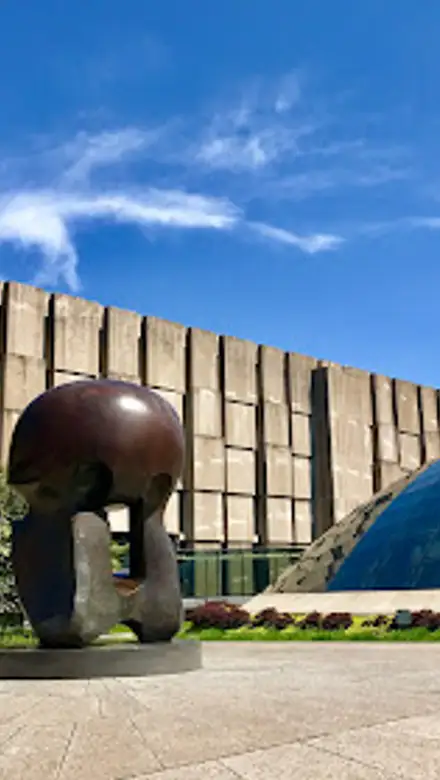
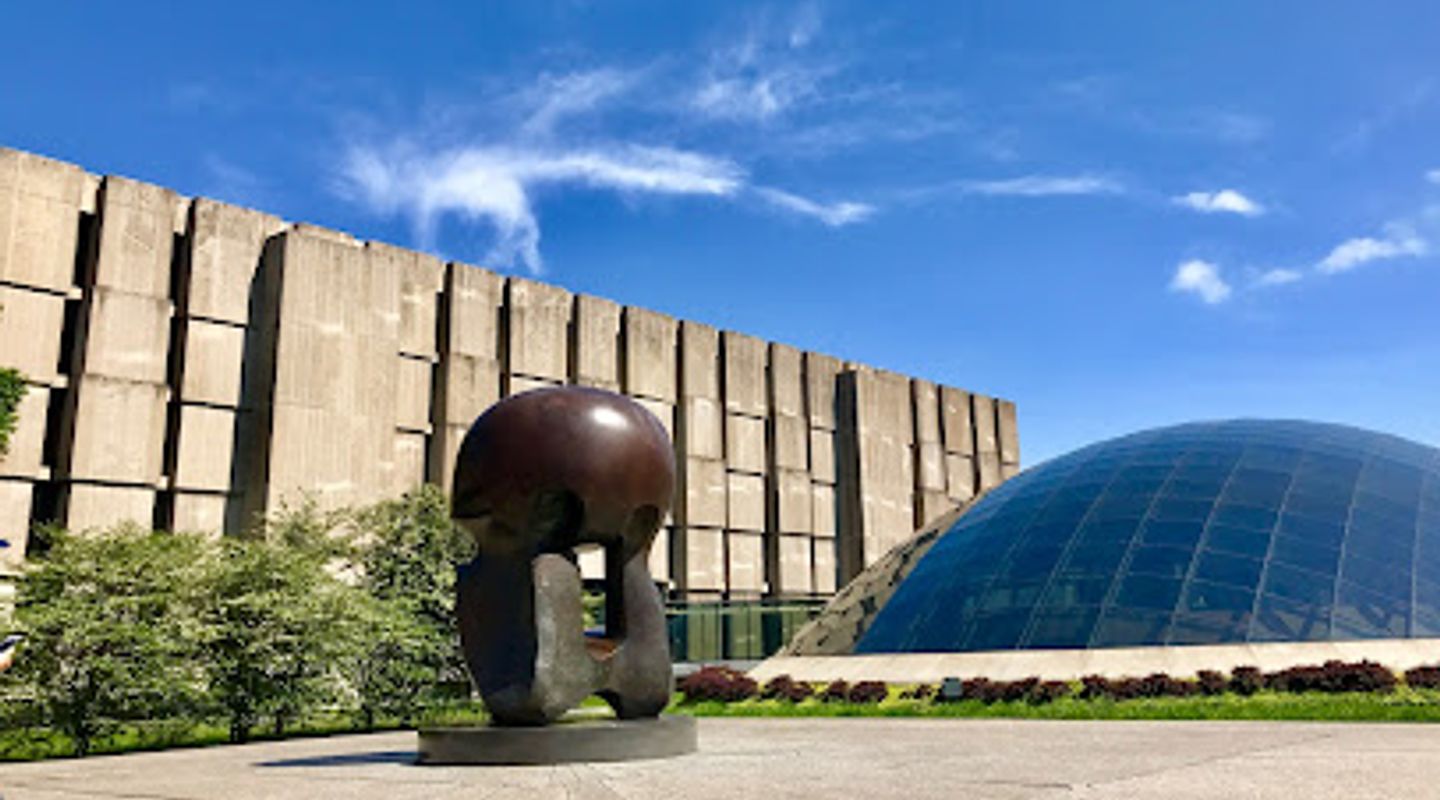
A thought-provoking sculpture at the University of Chicago, marking the site of the world's first controlled nuclear reaction.
Located on the University of Chicago campus, the 'Nuclear Energy' sculpture by Henry Moore marks the site of the world's first self-sustaining nuclear reaction in 1942. This thought-provoking bronze artwork serves as a memorial to this pivotal moment in scientific history, inviting contemplation on the implications of atomic energy.
A brief summary to Nuclear Energy Sculpture
- 5625 S Ellis Ave, Chicago, Hyde Park, Illinois, 60637, US
- Click to display
- Click to display

Know before you go
Hi, I'm Eve. Here are a few practical things to know before exploring Nuclear Energy Sculpture.
- Take time to walk around the sculpture and observe it from different angles to fully appreciate its abstract form and symbolism.
- Read the plaques near the sculpture to learn more about the history of the site and the significance of the first nuclear reaction.
- Consider visiting the nearby Smart Museum of Art or the Oriental Institute Museum to complement your visit with more art and history.
Do you manage this location?
Take control to get all the benefits, like improved information, better appearance, and stronger visibility across AI-powered discovery. Learn more about listing your business on Evendo
Activate your presenceOther nearby places you may find interesting
The closest places of the same kind, if this one is not quite what you had in mind.
Explore Nuclear Energy Sculpture on the Map
A handpicked selection of must-see spots near Nuclear Energy Sculpture, mapped for you.
Unlock the Best of Nuclear Energy Sculpture
Buy tickets
-
No tickets available
Book tours with entry

Book tours without entry

Getting There
-
Walking
From the University of Chicago's main campus, the Nuclear Energy sculpture is easily accessible on foot. It's located on Ellis Avenue, between the Max Palevsky West dormitory and the Mansueto Library. Simply walk south from the main quads towards 56th street, and you'll find the sculpture in a paved area. There are no costs associated with walking to the sculpture.
-
Public Transport
Several CTA bus routes serve the University of Chicago area. You can take the #6 Jackson Park Express bus and get off at 56th Street and Hyde Park Boulevard, which is a short walk to the sculpture. Alternatively, the #2 Hyde Park Express stops at 57th Street and Stony Island, one block west of the Museum. CTA bus fare is $2.25 per ride. You can pay with cash on the bus or use a Ventra card.
-
Driving
If driving, you can park in nearby street parking or parking garages. Keep in mind that parking near the University of Chicago can be limited, especially during peak hours. Check for street parking restrictions before leaving your vehicle. Parking garages in the area typically charge hourly rates, ranging from $2 to $4 per hour.
Discover more about Nuclear Energy Sculpture
More to explore near Nuclear Energy Sculpture













Your all‑in‑one travel companion app
Explore expert travel guides, compare and book tours, experiences, hotels, and more—all from the palm of your hand. Download now for seamless trip planning wherever your wanderlust takes you.


Explore More of Chicagoland
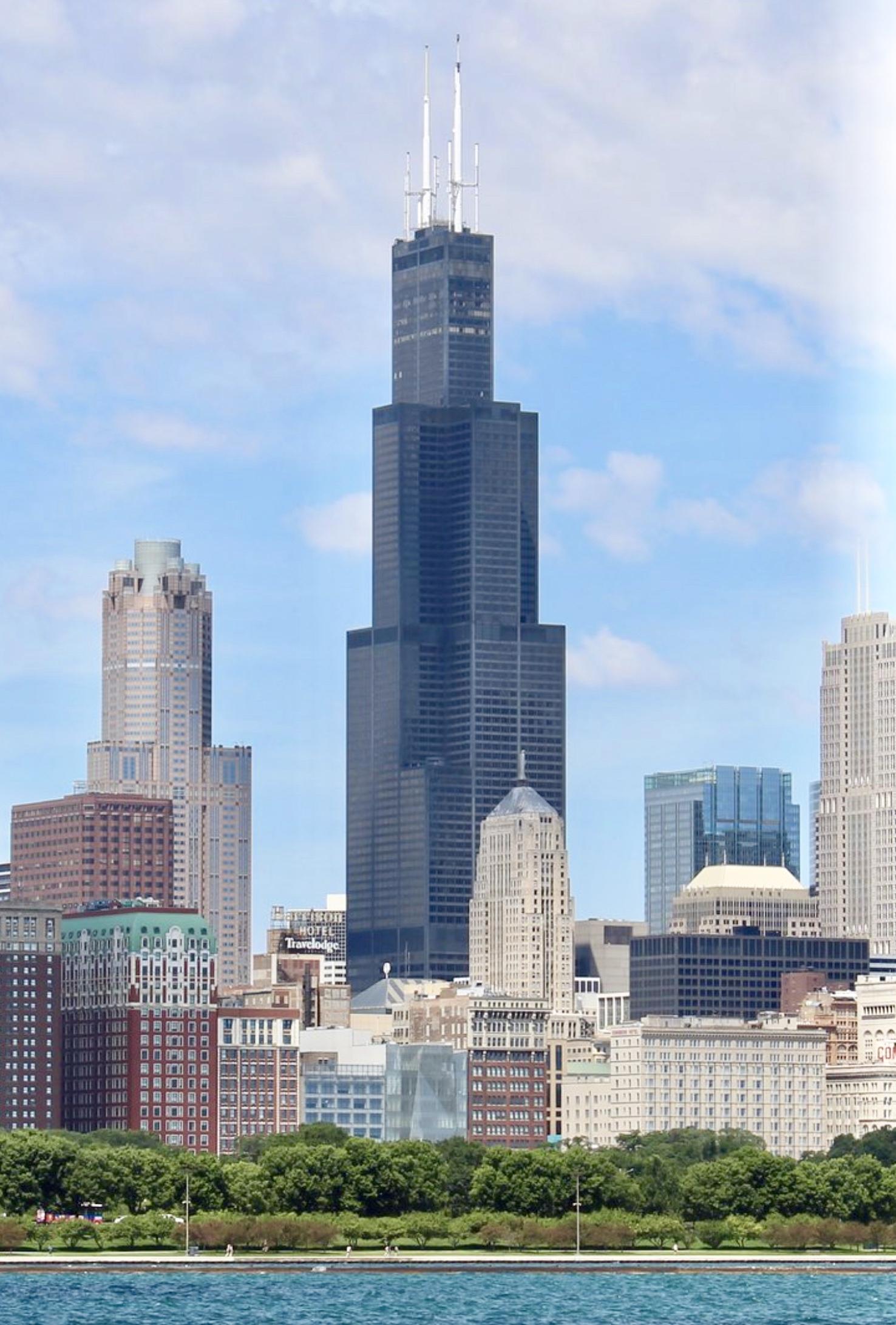
Looking beyond Nuclear Energy Sculpture? Discover Chicagoland for broader travel guides, local hot-spots, and regional highlights.
Explore Chicagoland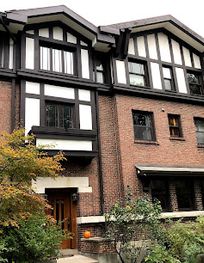
Visit the former home of Nobel Prize winner Robert A. Millikan in Chicago's Hyde Park, where groundbreaking physics experiments took place.

A stunning Gothic tower at the University of Chicago, Mitchell Tower embodies the institution's rich history and architectural beauty in Hyde Park.