

Evanston, Illinois Travel Guide
Discover Evanston, Illinois: A charming city with a vibrant downtown, rich culture, and beautiful lakefront, just a stone's throw from Chicago.
Evanston, Illinois, is a vibrant city located just north of Chicago. Known for its beautiful lakefront, historic architecture, and bustling downtown, Evanston offers a perfect blend of urban excitement and suburban charm. The city is home to Northwestern University, which brings a youthful energy and diverse culture to the area. Visitors can explore the university's sprawling campus, which features picturesque buildings, lush green spaces, and a stunning view of Lake Michigan. Evanston's downtown area is a hub of activity, with a wide range of shops, restaurants, and cultural attractions. From chic boutiques to cozy cafes, there is something for everyone. The city's culinary scene is particularly notable, with an array of dining options that range from gourmet restaurants to casual eateries. Foodies will enjoy the diverse selection of cuisines, including Italian, Mexican, and Asian fare. Art and history enthusiasts will find plenty to do in Evanston. The city boasts several museums, including the Mary and Leigh Block Museum of Art and the Evanston History Center. These cultural institutions offer fascinating exhibits and programs that showcase the rich history and artistic heritage of the region. Additionally, Evanston is known for its historic homes and buildings, many of which are listed on the National Register of Historic Places. Nature lovers will appreciate the city's numerous parks and recreational areas. The lakefront is a major draw, with beautiful beaches, walking and biking paths, and stunning views of the Chicago skyline. The nearby Ladd Arboretum and Perkins Woods provide serene green spaces for relaxation and outdoor activities. Whether you're looking to relax by the lake, explore cultural attractions, or enjoy a delicious meal, Evanston has something to offer every visitor.

Know before you go
Hi, I'm Eve. Here are a few practical things to know before exploring Evanston.
- Take a stroll along the lakefront in the early morning or late afternoon for the best views and serene atmosphere.
- Visit the local farmers' market, held on Saturdays, to experience fresh local produce and unique artisan goods.
- Explore the Northwestern University campus, especially the Lakefill area, for picturesque views of Lake Michigan.
- Try the local dining spots on Main Street and Central Street for a taste of Evanston's culinary diversity.
- Use the city's public transportation system or rent a bike to get around easily and explore different neighborhoods.
Explore Evanston: Things to Do, Places to Eat, Hotels & More
Handpicked recommendations for top attractions, local dining, accommodations, and more

Best attractions in Evanston
Top-rated picks
Best Attractions
Browse the full guide
All Attractions

Arrington Lagoon at Dawes Park
Explore the serene Arrington Lagoon at Dawes Park, a picturesque oasis in Evanston, perfect for relaxation and birdwatching.

Skokie Northshore Sculpture Park
Experience a captivating blend of art and nature at Skokie Northshore Sculpture Park, an outdoor gallery featuring stunning sculptures along scenic pathways.

Grosse Point Lighthouse
Explore the Grosse Point Lighthouse, a historic maritime landmark in Evanston, Illinois, offering stunning views and a glimpse into the region's nautical past.

Dawes Park
Experience the natural beauty and recreational delights of Dawes Park, a premier destination for relaxation and outdoor fun in Evanston, Illinois.

Best landmarks in Evanston
Top-rated picks
Best Landmarks
Browse the full guide
All Landmarks

Wasatch Range
Explore Utah's iconic Wasatch Range: A year-round destination for outdoor adventures, stunning scenery, and rich history in the heart of the Rocky Mountains.

Dawes Park
Discover Evanston's lakeside oasis: Dawes Park offers scenic beauty, recreation, and community spirit on the shores of Lake Michigan.

Evanston SPACE
Experience live music in an intimate setting at Evanston SPACE, a premier venue for local and national acts in the heart of Evanston, Illinois.

Grosse Point Lighthouse
Historic lighthouse on Lake Michigan in Evanston, offering tours, stunning views, and a glimpse into maritime history.

Best restaurants in Evanston
Top-rated picks
Best Restaurants
Browse the full guide
All Restaurants

Kabul House Restaurant
Experience the rich flavors of Afghanistan at Kabul House Restaurant in Evanston—your destination for authentic Afghani cuisine.

Cupitol Coffee & Eatery (Evanston)
Experience the charm of Cupitol Coffee & Eatery in Evanston – where delicious food meets vibrant community spirit.
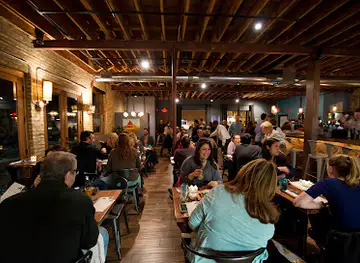
Peckish Pig
Discover Peckish Pig: A must-visit gastropub in Evanston offering creative American dishes and craft beverages in a lively atmosphere.

Le Peep Evanston
Discover the best breakfast in Evanston at Le Peep – where delicious meals meet a cozy atmosphere.

Best bars in Evanston
Top-rated picks
Best Bars
Browse the full guide
All Bars

Cupitol Coffee & Eatery (Evanston)
Discover the delightful flavors of Cupitol Coffee & Eatery in Evanston—where artisanal coffee meets a vibrant brunch experience.
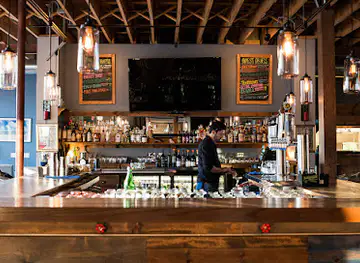
Peckish Pig
Experience the best of gastropub culture at Peckish Pig in Evanston, where craft beer meets innovative cuisine in a vibrant setting.

Tapas Barcelona
Experience authentic Spanish tapas in a vibrant gastropub atmosphere, perfect for sharing and savoring flavors at Tapas Barcelona in Evanston.

Bat 17
Experience the vibrant flavors of gourmet sandwiches and craft beers at Bat 17, the ultimate sports bar destination in Evanston.

Best nightclubs in Evanston
Top-rated picks
Best Nightclubs
Browse the full guide
All Nightclubs

Peckish Pig
Experience the best of gastropub dining at The Peckish Pig in Evanston, where local flavors meet a welcoming atmosphere.

Good To Go Jamaican Cuisine & Event Space
Experience authentic Jamaican cuisine and vibrant nightlife at Good To Go Jamaican Cuisine & Event Space in Evanston, a unique dining destination for all occasions.

Tapas Barcelona
Experience authentic Spanish cuisine at Tapas Barcelona, where every dish tells a story and every bite is a celebration of flavor.

Prairie Moon
Experience the flavors of American cuisine at Prairie Moon, a must-visit restaurant in Evanston, known for its delicious burgers, seafood, and inviting atmosphere.

Best shops in Evanston
Top-rated picks
Best Shops
Browse the full guide
All Shops

Main Street Marketplace
Explore the vibrant Main Street Marketplace in Evanston, offering fresh produce, gourmet foods, and a delightful shopping experience.

Dave's Down to Earth Rock Shop.
Explore a unique gem in Evanston, IL, where nature's beauty meets craftsmanship at Dave's Down to Earth Rock Shop.

World Market
Explore the eclectic charm of World Market, where global treasures meet home decor in Evanston, Illinois.

Alley Gallery
Explore Alley Gallery in Evanston, where art meets craftsmanship in a unique picture framing experience.

Explore Evanston on the Map
A handpicked selection of must-see spots in Evanston, mapped for you.
Evanston Essentials
-
Evanston is conveniently located just 12 miles north of downtown Chicago. The nearest major airport is O'Hare International Airport (ORD), approximately 16 miles away. From the airport, you can take a taxi, rideshare service, or use public transportation via the CTA Blue Line to downtown Chicago, then transfer to the Red Line, and finally the Purple Line to reach Evanston. Additionally, Midway International Airport (MDW) is about 25 miles away and accessible via public transportation or car.
-
Evanston is well-served by public transportation, including the CTA Purple Line, Metra commuter rail, and multiple bus routes. Biking is also popular, with many bike lanes and trails available. Taxis and rideshare services like Uber and Lyft are readily available. For those preferring to drive, parking can be found in various city lots and garages, although street parking can be limited.
-
The official currency in Evanston, like the rest of the United States, is the US Dollar (USD). Credit and debit cards are widely accepted in hotels, restaurants, and shops. ATMs are plentiful throughout the city for cash withdrawals. It's advisable to carry some cash for small purchases or establishments that are cash-only.
-
Evanston is generally a safe city, but like any urban area, it's wise to stay vigilant. Avoid walking alone at night in less populated areas, and always be aware of your surroundings. While most neighborhoods are safe, it's best to be cautious around the Howard Street area near the Chicago border, as it has a higher crime rate. Keep your belongings secure in crowded places, and avoid displaying valuables.
-
In case of emergency, dial 911 for police, fire, or medical assistance. Evanston has several medical facilities, including Evanston Hospital, part of the NorthShore University HealthSystem. Familiarize yourself with the locations of the nearest hospital and pharmacy. It's recommended to have travel insurance that covers medical emergencies.
-
Fashion: Do dress in layers, as the weather can change quickly. Casual attire is generally acceptable, but dress appropriately for upscale restaurants and events. Religion: Do respect religious sites and practices. Some churches may have specific dress codes. Public Transport: Do have exact change or a transit card for buses. Don’t eat or drink on public transport. Greetings: Do greet people with a smile and a handshake. A casual 'hi' or 'hello' is common. Eating & Drinking: Do try local cuisine and visit farmers' markets. Don't leave a small tip, as 15-20% is standard in restaurants.
-
To experience Evanston like a local, visit the downtown area for its eclectic mix of shops, restaurants, and cafes. Attend a Northwestern University sporting event or a cultural performance at the university's performing arts center. Stroll along the lakefront and visit the Grosse Point Lighthouse. For a unique dining experience, try one of the many farm-to-table restaurants.
When is the best time to visit Evanston?
Useful Local Phrases for Evanston
You don't need to speak the language perfectly. Even learning a few simple words can make conversations warmer—and locals usually appreciate the effort.
— Eve

Here are the phrases I use most often in Evanston. Try a few—you'll be surprised how far they go! 😊
❤️
-
- HelloHey there
[hey thair] - GoodbyeSee ya
[see yah] - YesYup
[yuhp] - NoNah
[nuh] - Please/You're welcomePlease/No problem
[pleez/noh proh-blem] - Thank youThanks
[thangs] - Excuse me/SorryExcuse me/My bad
[iks-kyoos mee/my bad] - How are you?What's up?
[wuts uh-p] - Fine. And you?Good. You?
[gud. yoo?] - Do you speak English?You speak English?
[yoo speek ing-glish?] - I don't understandI don't get it
[ai dohnt get it]
- HelloHey there
-
- I'd like to see the menu, pleaseCan I see the menu?
[kan ai see thee men-yoo?] - I don't eat meatI'm vegetarian
[aim veh-juh-tehr-ee-uhn] - Cheers!Cheers!
[cheerz] - I would like to pay, pleaseCan I pay now?
[kan ai pay now?]
- I'd like to see the menu, pleaseCan I see the menu?
-
- Help!Help!
[help!] - Go away!Get lost!
[get lost!] - Call the Police!Call the cops!
[kawl thee cops!] - Call a doctor!Get a doc!
[get uh dahk!] - I'm lostI'm lost
[aim lost] - I'm illI'm sick
[aim sik]
- Help!Help!
-
- I'd like to buy...I wanna buy...
[ai wan-nuh buy...] - I'm just lookingJust browsing
[just brau-zing] - How much is it?How much does it cost?
[how much duhz it cost?] - That's too expensiveThat's pricey
[thats prahy-see] - Can you lower the price?Can you bring the price down?
[kan yoo bring thee prahys down?]
- I'd like to buy...I wanna buy...
-
- What time is it?What's the time?
[wuts thee time?] - It's one o'clockIt's one
[its wuhn] - Half past (10)Ten thirty
[ten thur-tee] - MorningMorning
[mawr-ning] - AfternoonAfternoon
[af-ter-noon] - EveningEvening
[ee-vee-ning] - YesterdayYesterday
[yess-ter-day] - TodayToday
[toh-day] - TomorrowTomorrow
[toh-mah-row] - 1One
[wuhn] - 2Two
[too] - 3Three
[three] - 4Four
[for] - 5Five
[five] - 6Six
[siks] - 7Seven
[sev-uhn] - 8Eight
[ayt] - 9Nine
[nine] - 10Ten
[ten]
- What time is it?What's the time?
-
- Where's a/the...?Where's the...?
[wheres thee...?] - What's the address?What's the address?
[whats thee ad-dress?] - Can you show me (on the map)?Can you show me (on the map)?
[kan yoo show mee (on thee map)?] - When's the next (bus)?When's the next (bus)?
[whens thee nekst (bus)?] - A ticket (to ....)A ticket (to ....)
[uh tik-it (to ....)]
- Where's a/the...?Where's the...?
History of Evanston
-
Evanston, Illinois, was founded in 1857 and named after John Evans, one of the founders of Northwestern University. The city was initially planned as a temperance town, meaning that it was intended to be free of alcohol, a principle that shaped its early development and culture.
-
Established in 1851, Northwestern University is one of the key landmarks in Evanston. The university has played a crucial role in the city's development, attracting students, academics, and cultural events. Its Gothic architecture and sprawling campus along Lake Michigan are iconic features of Evanston.
-
Evanston is historically significant as the headquarters of the Women's Christian Temperance Union, founded in 1874. The WCTU was a major force in the temperance movement and women's suffrage movement in the United States. Frances Willard, a prominent leader of the WCTU, lived in Evanston, and her home is now a museum and National Historic Landmark.
-
Following the Great Chicago Fire of 1871, many Chicagoans moved to Evanston, seeking refuge and a new start. This migration significantly boosted Evanston's population and development, turning it into a bustling suburban city closely linked to Chicago.
-
In the 1960s, Evanston became a focal point for the civil rights movement, particularly in the realm of education. The Evanston Township High School was one of the first schools in the area to implement racial integration policies, which were instrumental in shaping the city's commitment to diversity and inclusion.
-
Evanston boasts a rich architectural heritage, with numerous buildings designed by famous architects such as Daniel Burnham and Louis Sullivan. The city's preservation efforts have ensured that these historical structures, ranging from Victorian mansions to modernist buildings, remain integral parts of its cultural landscape.
-
Evanston is known for its vibrant cultural scene, which includes theaters, music venues, and art galleries. The city hosts the annual Evanston Art & Big Fork Festival, celebrating local artists and culinary talents. Its cultural institutions, like the Evanston History Center and the Mitchell Museum of the American Indian, offer rich experiences for history and culture enthusiasts.
-
Evanston's location along Lake Michigan provides residents and visitors with beautiful lakefront parks and beaches. The city has several parks, such as Dawes Park and Lighthouse Beach, which offer recreational activities and scenic views, contributing to Evanston's reputation as a picturesque, family-friendly community.
Cities near Evanston
The closest cities to Evanston, if you have time for more than one stop.


Your all‑in‑one travel companion app
Explore expert travel guides, compare and book tours, experiences, hotels, and more—all from the palm of your hand. Download now for seamless trip planning wherever your wanderlust takes you.


Evanston in Photos
Browse through our photo collection highlighting the charm and character of the destination.


Evanston: The Gem of the North Shore
Evanston, Illinois, is a vibrant city located just north of Chicago. Known for its beautiful lakefront, historic architecture, and bustling downtown, Evanston offers a perfect blend of urban excitement and suburban charm. The city is home to Northwestern University, which brings a youthful energy and diverse culture to the area. Visitors can explore the university's sprawling campus, which features picturesque buildings, lush green spaces, and a stunning view of Lake Michigan. Evanston's downtown area is a hub of activity, with a wide range of shops, restaurants, and cultural attractions. From chic boutiques to cozy cafes, there is something for everyone. The city's culinary scene is particularly notable, with an array of dining options that range from gourmet restaurants to casual eateries. Foodies will enjoy the diverse selection of cuisines, including Italian, Mexican, and Asian fare. Art and history enthusiasts will find plenty to do in Evanston. The city boasts several museums, including the Mary and Leigh Block Museum of Art and the Evanston History Center. These cultural institutions offer fascinating exhibits and programs that showcase the rich history and artistic heritage of the region. Additionally, Evanston is known for its historic homes and buildings, many of which are listed on the National Register of Historic Places. Nature lovers will appreciate the city's numerous parks and recreational areas. The lakefront is a major draw, with beautiful beaches, walking and biking paths, and stunning views of the Chicago skyline. The nearby Ladd Arboretum and Perkins Woods provide serene green spaces for relaxation and outdoor activities. Whether you're looking to relax by the lake, explore cultural attractions, or enjoy a delicious meal, Evanston has something to offer every visitor.
Explore More of Illinois

Looking beyond Evanston? Discover Illinois for broader travel guides, local hot-spots, and regional highlights.
Explore Illinois