
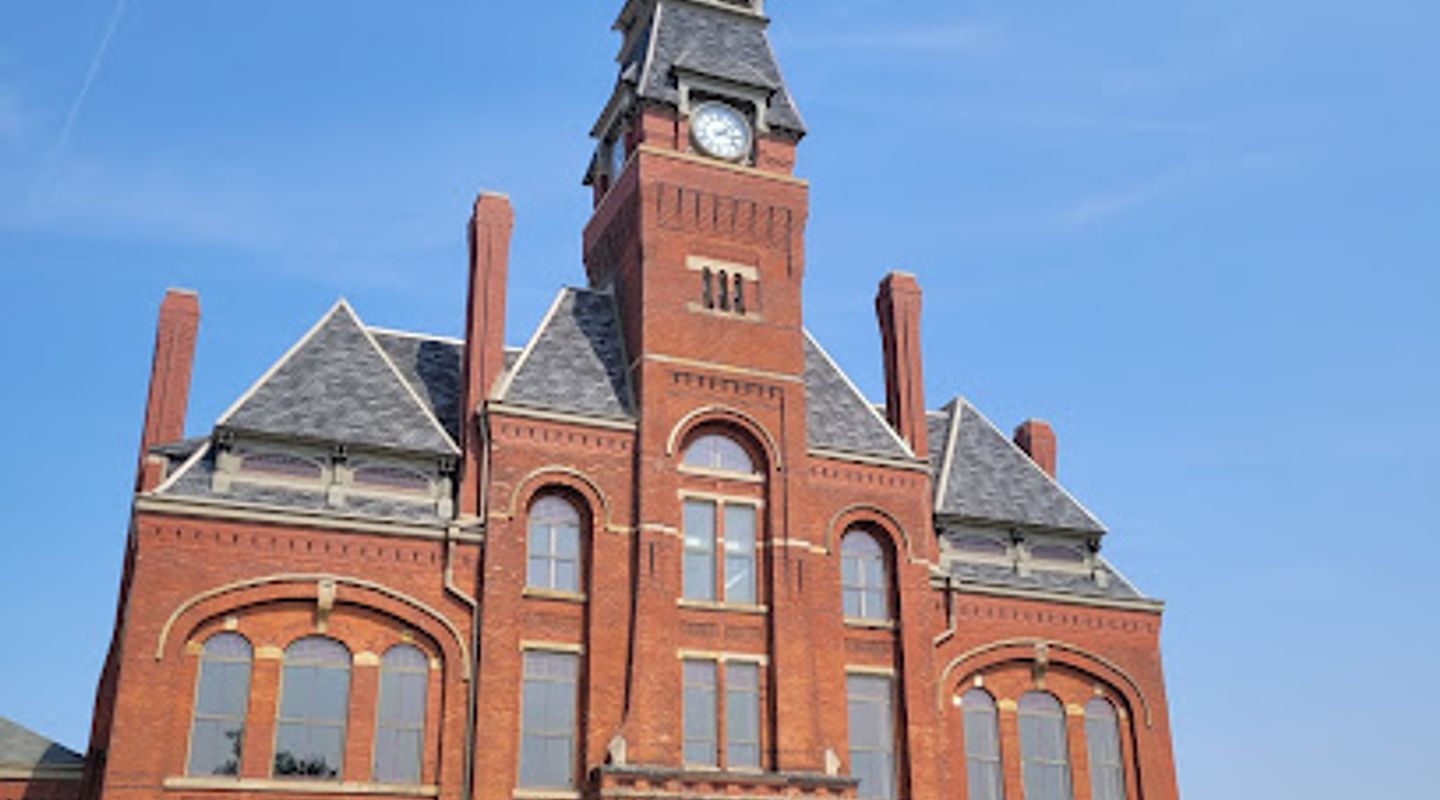
Pullman National Historical Park, Rock River Valley Travel Guide
Step back in time at Pullman National Historical Park, where industry, labor, and urban design converge in Chicago's historic Pullman neighborhood.
Explore Pullman National Historical Park, a preserved 19th-century planned industrial community in Chicago. Discover the stories of George Pullman's vision, the labor struggles that shaped American history, and the architectural marvels that defined this unique town.
A brief summary to Pullman National Historical Park
- 610 E 111th St, Chicago, Pullman, Illinois, 60628, US
- Click to display
- Click to display
- Monday 9 am-5 pm
- Tuesday 9 am-5 pm
- Wednesday 9 am-5 pm
- Thursday 9 am-5 pm
- Friday 9 am-5 pm
- Saturday 9 am-5 pm
- Sunday 9 am-5 pm

Know before you go
Hi, I'm Eve. Here are a few practical things to know before exploring Pullman National Historical Park.
- Start your visit at the Administration Clock Tower Building Visitor Center for an overview of the park's history and significance.
- Join a ranger-led tour to learn about the town's architecture, the Pullman Strike, and the lives of its residents.
- Explore the neighborhood and see the historic Pullman worker's homes.
Do you manage this location?
Take control to get all the benefits, like improved information, better appearance, and stronger visibility across AI-powered discovery. Learn more about listing your business on Evendo
Activate your presenceOther nearby places you may find interesting
The closest places of the same kind, if this one is not quite what you had in mind.
Explore Pullman National Historical Park on the Map
A handpicked selection of must-see spots near Pullman National Historical Park, mapped for you.
Unlock the Best of Pullman National Historical Park
Buy tickets
-
No tickets available
Book tours with entry

Book tours without entry
-
No tours available
Getting There
-
Public Transport
From downtown Chicago, take the Metra Electric Line to the 111th Street Pullman station. Upon exiting the station, walk east on 111th Street towards Cottage Grove Avenue. The Pullman National Historical Park Visitor Center is located on the corner of 111th Street and Cottage Grove Avenue. A Metra Electric Line ticket from downtown Chicago costs $2 - $6.
-
Bus
Take the CTA (Chicago Transit Authority) Red Line to connect to the #115 bus line. Route #115 runs along Cottage Grove Avenue and stops at 11000 S. Cottage Grove, right across from the Administration-Clock Tower Visitor Center. Additionally, Route #4 stops at the corner of 111th and Cottage Grove, the same corner as the Pullman National Historical Park Visitor Center. A single fare on CTA is $2.50.
-
Car
From downtown Chicago, take I-94 East (south). After 95th street, the expressway will split. Stay to the left and take the Bishop Ford toward Indiana. Continue on the Bishop Ford to the 111th Street exit (#66A). Exit at the 111th street exit (#66A). Go west on 111th Street and then turn right into the Visitor Center parking lot (after the 3rd light, after the Rocktenn sign). Parking is available next to the visitor center. Parking is free.
Discover more about Pullman National Historical Park
More to explore near Pullman National Historical Park
-

Best experiences near Pullman National Historical Park
-

Best hotels near Pullman National Historical Park
-

Best attractions near Pullman National Historical Park
-

Best shops near Pullman National Historical Park
-

Best restaurants near Pullman National Historical Park
-

Best bars near Pullman National Historical Park







Your all‑in‑one travel companion app
Explore expert travel guides, compare and book tours, experiences, hotels, and more—all from the palm of your hand. Download now for seamless trip planning wherever your wanderlust takes you.


Explore More of Rock River Valley
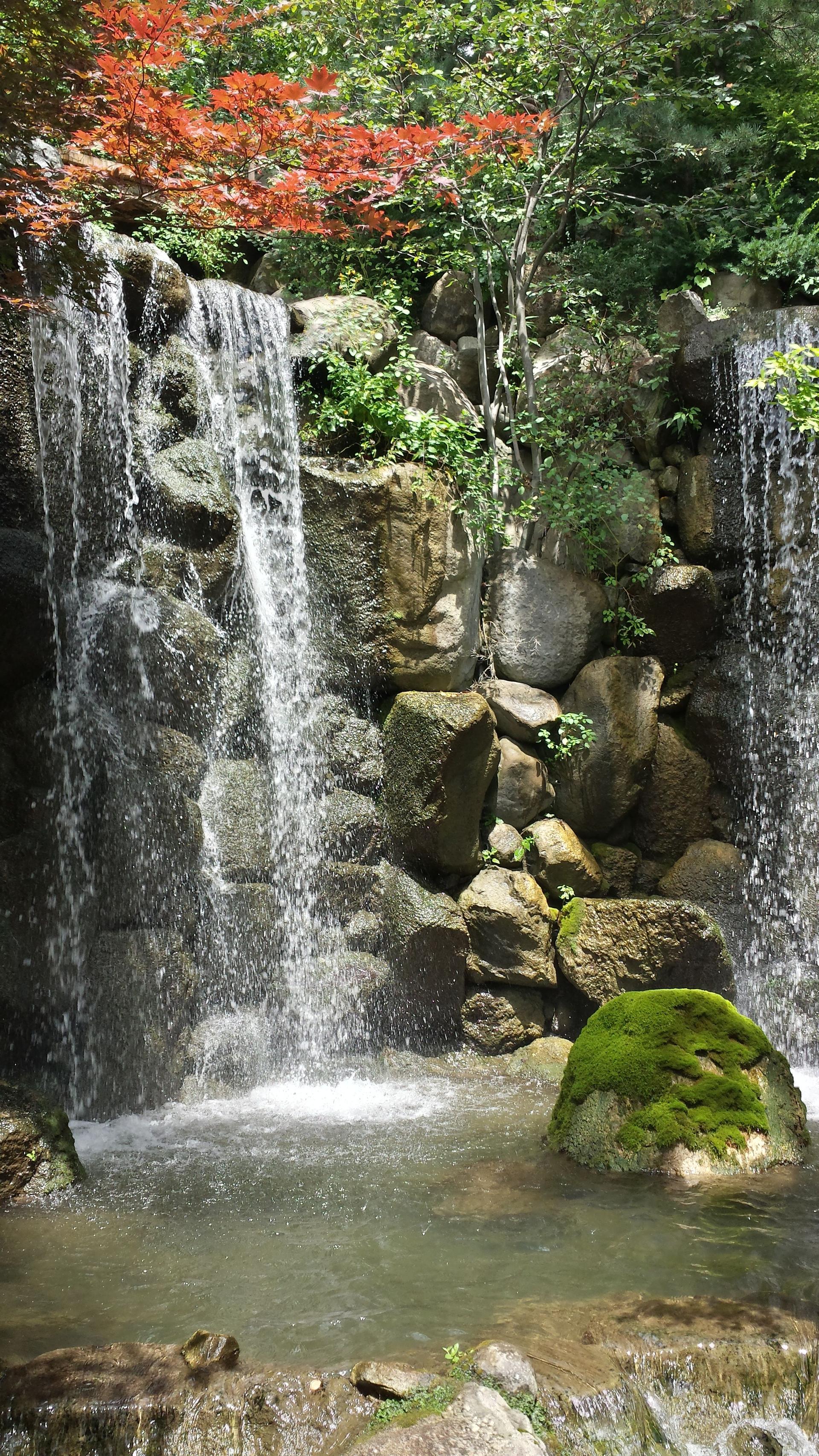
Looking beyond Pullman National Historical Park? Discover Rock River Valley for broader travel guides, local hot-spots, and regional highlights.
Explore Rock River Valley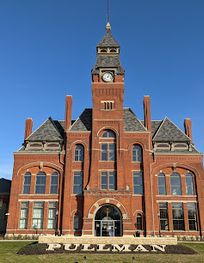
Uncover the rich history of labor and community at Pullman National Historical Park Visitor Center, a landmark of American heritage in Chicago.
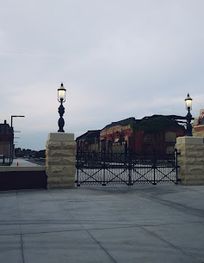
Explore the historic Pullman Main Gate and Gatehouse, a symbol of Chicago's rich industrial heritage and pivotal labor history.
