

Free Rock River Valley Travel Guide & Mobile App
Explore Rock River Valley with free travel guides. Discover regional history, expert tips, proposed trips, and audio guides on web or mobile app.


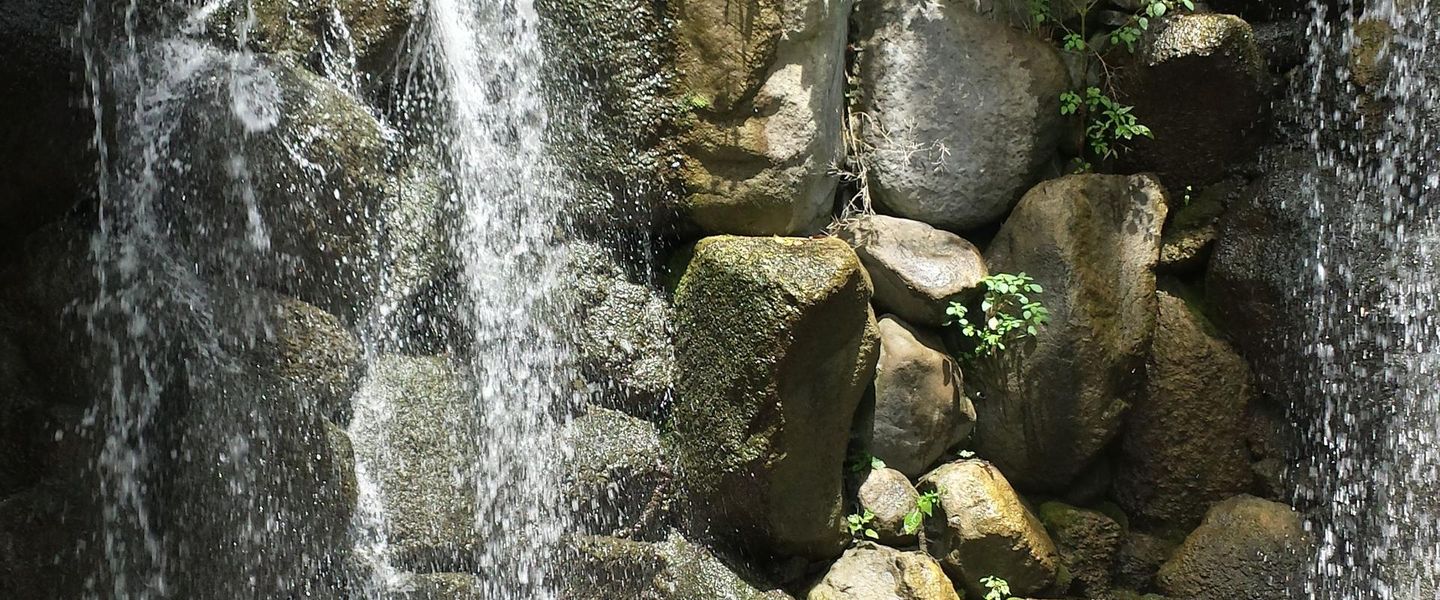


Explore Illinois’s Rock River Valley for river towns, prairie parks, Japanese gardens, industrial heritage, trails and Midwestern food culture.
Read more about Rock River Valley
Getting to and around Rock River Valley
How to get there
Transportation
Top city travel guides in Rock River Valley
The cities of Rock River Valley, and the easiest places to base yourself.
-

-

-


Swipe for more cities
Destinations in Rock River Valley
Resorts, valleys and scenic spots worth a trip of their own.
-

-

-

-


Swipe for more destinations
Best attractions in Rock River Valley
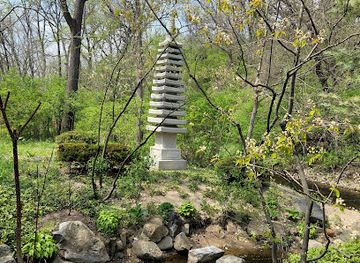
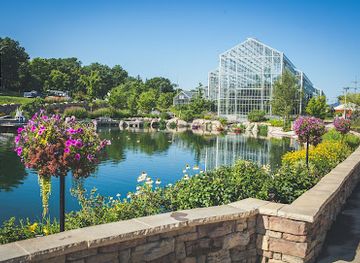
The Rock River Valley’s attractions combine urban culture with accessible Midwestern landscapes. In Rockford, Anderson Japanese Gardens, the Rockford Art Museum, Midway Village Museum and Nicholas Conservatory and Gardens offer distinct experiences, from horticultural design and regional art to social history and tropical plant displays. The city’s parks and the Rock River Recreation Path add walking and cycling opportunities. West of Rockford, Lowden State Park near Oregon is known for wooded river bluffs and the Black Hawk statue, while Castle Rock State Park provides trails through forest, sandstone formations and ravines. Rock Cut State Park, in the Rockford area, has woodland, prairie, a lake and opportunities for boating, fishing and hiking. Historic attractions include the John Deere Historic Site at Grand Detour and the Ronald Reagan Boyhood Home in Dixon. Sterling, Rock Falls, Rockton and Byron contribute historic districts, river parks and community museums, while surrounding conservation areas reveal the valley’s prairie and wetland ecology.
-
State park
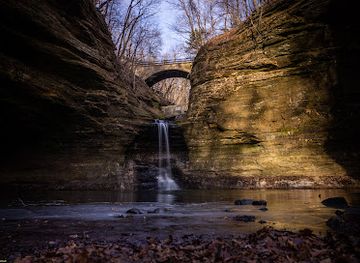
Matthiessen State Park
Explore Illinois' hidden gem, Matthiessen State Park, where stunning rock formations and serene waterfalls await every nature enthusiast.
-
Hiking area
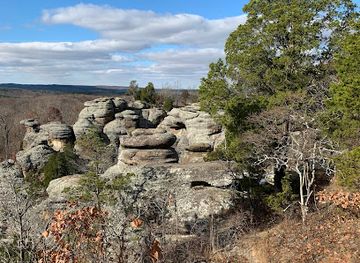
Garden of the Gods
Discover the stunning natural beauty and unique rock formations of Garden of the Gods in Southern Illinois, a hiker's paradise and a photographer's dream.
-
Garden
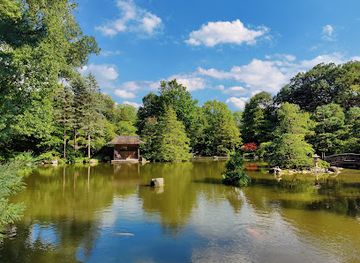
Anderson Japanese Gardens
Explore the beauty of Anderson Japanese Gardens, a tranquil oasis in Rockford, Illinois, showcasing stunning landscapes and rich cultural experiences.
-
Botanical garden
Lake Katherine Nature Center and Botanic Gardens
Explore the serene beauty of Lake Katherine Nature Center and Botanic Gardens, a tranquil escape with stunning landscapes and diverse plant life in Illinois.

Best landmarks in Rock River Valley
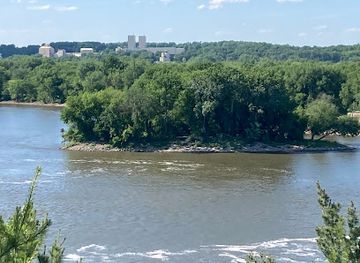
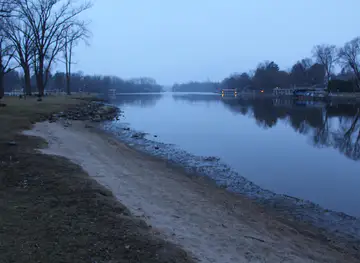
The Rock River itself is the valley’s principal geographical landmark, shaping settlement patterns, parkland and the visual identity of its communities. In Rockford, the riverfront, historic industrial landscape and civic parks express the city’s transformation from manufacturing centre to a more diversified cultural destination. Anderson Japanese Gardens is a landmark of designed landscape rather than historic architecture, with ponds, bridges and carefully arranged plantings creating a distinctive setting. Near Oregon, the Black Hawk statue at Lowden State Park stands above the river and commemorates a contested early Illinois history; its symbolism should be understood alongside the region’s Indigenous past. The John Deere Historic Site at Grand Detour marks the location associated with the beginnings of John Deere’s plough enterprise. Dixon’s Ronald Reagan Boyhood Home is a preserved residential landmark linked to the former US president. The bluffs and rock formations at Castle Rock State Park, together with the historic river crossings and civic buildings of Sterling and Rock Falls, complete a landmark landscape shaped by geology, industry and transport.
-
State park
Starved Rock State Park
Explore stunning canyons, waterfalls, and hiking trails at Illinois' Starved Rock State Park, a natural landmark steeped in Native American legend.
-
Garden
Anderson Japanese Gardens
Discover tranquility and cultural harmony at Anderson Japanese Gardens, a top-rated oasis of beauty in Rockford, Illinois.
-
Botanical garden
Nicholas Conservatory & Gardens
Discover the lush landscapes and vibrant floral displays at Nicholas Conservatory & Gardens, a serene oasis in Rockford, Illinois.
-
Historical landmark
Lincoln's New Salem State Historic Site
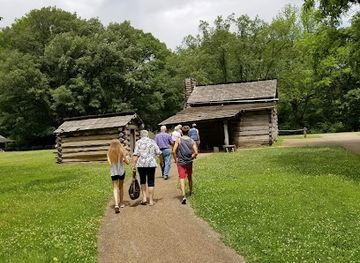
Walk where Lincoln walked: Explore the meticulously recreated 1830s village where a young Abraham Lincoln shaped his future.
Explore Rock River Valley on the map
Plan your trip on one map. See where the top cities, national parks and sights are, and book hotels and experiences in a few clicks.
Best hotels in Rock River Valley
Best restaurants in Rock River Valley
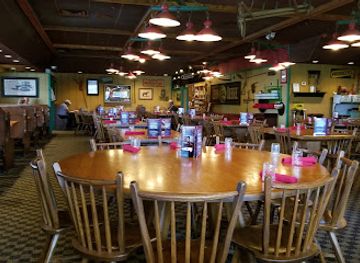
Dining in the Rock River Valley reflects northern Illinois’s agricultural setting and its mixture of urban, small-town and rural communities. Rockford has the broadest choice, ranging from independent cafés and bakeries to casual international restaurants, breweries and more formal dining rooms. In Dixon, Oregon, Sterling, Rock Falls and Rockton, traditional diners, pubs, family restaurants and locally focused cafés serve as important social centres. Menus commonly draw on Midwestern staples such as burgers, sandwiches, steaks, seasonal vegetables and baked goods, while the region’s wider immigrant history contributes a more varied restaurant scene in Rockford. Farmers’ markets and farm stands are useful for finding Illinois produce in summer and early autumn. Local beer and other craft beverages are often available, but the valley’s food identity is less about one signature dish than about fresh agricultural products, dependable comfort food and independent community businesses.
-
American
Machine Shed Restaurant
Discover the heart of American cuisine at Machine Shed Restaurant in Rockford, where comfort food meets rustic charm.
-
Brewpub
Prairie Street Brewing Co.
Discover craft beer and delicious cuisine at Prairie Street Brewing Co., a scenic brewpub on the banks of Rock River in Rockford.
-
American
GreenFire
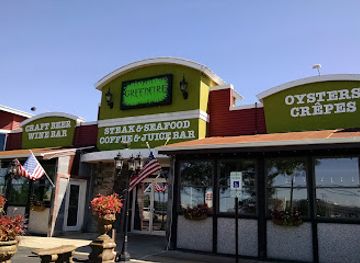
Experience the best of American cuisine at GreenFire in Rockford – where organic meets flavor in a charming setting.
-
American
Tavern On Clark
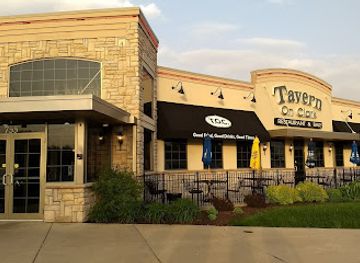
Discover Tavern On Clark in Rockford: where American cuisine meets vibrant atmosphere for an unforgettable dining experience.

Best bars in Rock River Valley
Evening life is concentrated in Rockford and the larger river towns rather than spread evenly across the valley. Rockford offers the widest choice of traditional pubs, breweries, cocktail bars, restaurants with late service and venues connected with live music or the performing arts. Sterling and Rock Falls have a modest bar and restaurant circuit, while Dixon, Oregon and Rockton are better suited to relaxed evenings in pubs, cafés and locally run restaurants than to large-club nightlife. Seasonal festivals, concerts and community events can bring additional activity, but dates and venues vary. Outside the towns, evenings are generally quiet, with rural inns and restaurants providing a slower alternative. Visitors should check current arrangements, arrange transport in advance and avoid assuming that rideshare or taxi availability will be strong in the countryside.
-
American
Tavern On Clark
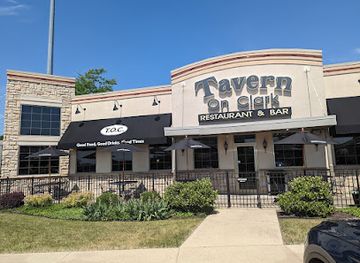
Discover the rich flavors of American cuisine at Tavern On Clark, a top-notch restaurant in Rockford, IL, renowned for its steaks and vibrant atmosphere.
-
American
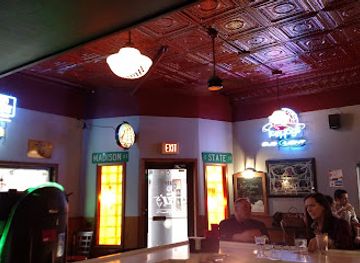
The Olympic Tavern
Discover the vibrant atmosphere and delicious American cuisine at The Olympic Tavern, the perfect dining destination in Rockford, Illinois.
-
Grill
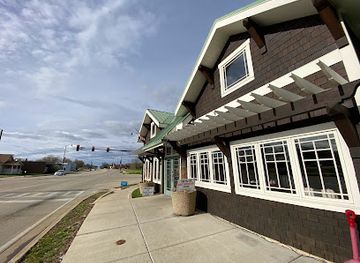
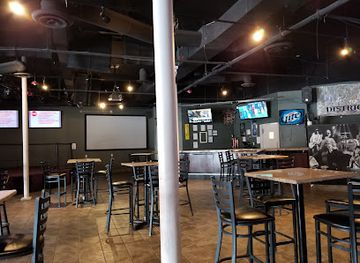
District Bar and Grill
Discover the perfect blend of dining, live music, and nightlife at District Bar and Grill in Rockford, Illinois.
-
Grill
Whiskey's Roadhouse
Savor the best in grilled dishes and drinks at Whiskey's Roadhouse, a top destination in Rockford, IL for food lovers and social gatherings.

Best nightclubs in Rock River Valley
Evening life is concentrated in Rockford and the larger river towns rather than spread evenly across the valley. Rockford offers the widest choice of traditional pubs, breweries, cocktail bars, restaurants with late service and venues connected with live music or the performing arts. Sterling and Rock Falls have a modest bar and restaurant circuit, while Dixon, Oregon and Rockton are better suited to relaxed evenings in pubs, cafés and locally run restaurants than to large-club nightlife. Seasonal festivals, concerts and community events can bring additional activity, but dates and venues vary. Outside the towns, evenings are generally quiet, with rural inns and restaurants providing a slower alternative. Visitors should check current arrangements, arrange transport in advance and avoid assuming that rideshare or taxi availability will be strong in the countryside.
-
Sports bar
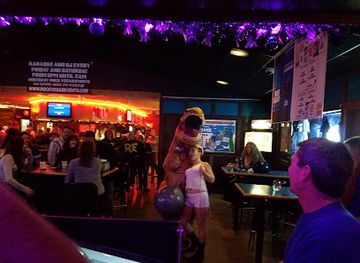
The Filling Station
Enjoy sports and karaoke at The Filling Station, Rockford's premier sports bar and entertainment venue for tourists seeking fun.
-
Lounge
CJs Public House
Discover the vibrant atmosphere of CJs Public House, Rockford's favorite lounge and cocktail bar, perfect for a night out with friends.
-
Night club
Seven Nightclub Chicago
Discover the electrifying nightlife at Seven Nightclub Chicago, where vibrant music and exquisite drinks create unforgettable moments.
-
Bar
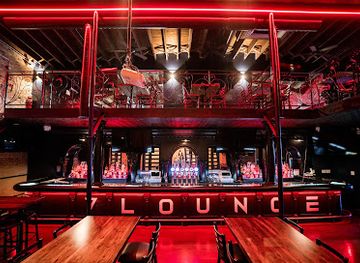
Souse's Lounge
Experience a vibrant nightlife at Souse's Lounge in Rockford, where delicious food meets fun entertainment in a welcoming atmosphere.

Best shops in Rock River Valley
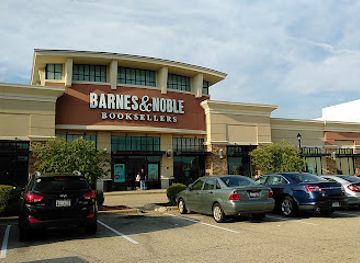
Shopping in the Rock River Valley is centred on Rockford’s established retail districts and the independent high streets of towns such as Rockton, Byron, Oregon, Dixon, Sterling and Rock Falls. Rockford provides the broadest selection of national retailers, antiques, galleries, books, homewares and locally made goods, while smaller communities are more rewarding for independent shops, vintage items and practical regional browsing. Farmers’ markets and seasonal farm stands are important sources of Illinois-grown produce, baked goods, preserves and other food products. Museum shops can provide more considered souvenirs connected with local history, gardens, art or agricultural heritage. Visitors may also find pottery, textiles, jewellery and work by regional artists at galleries and craft events, although stock and opening arrangements vary. The valley is not primarily a luxury-shopping destination; its retail character lies in market-town commerce, local food, antiques, crafts and the chance to support small businesses.
-
Shopping mall
CherryVale Mall
Discover CherryVale Mall - Rockford's premier shopping destination with diverse stores, dining, and entertainment for an unforgettable experience.
-
Department store
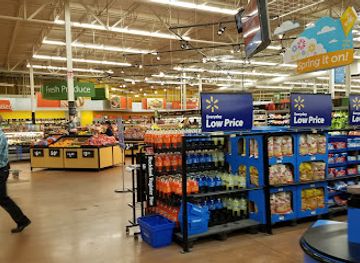
Walmart Supercenter
Explore the Walmart Supercenter in Rockford, IL for a diverse shopping experience featuring groceries, electronics, clothing, and more at affordable prices.
-
Department store
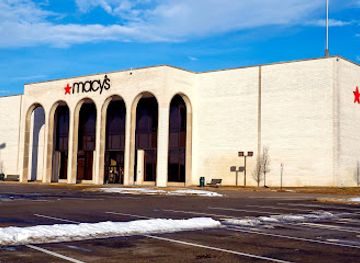
Macy's
Discover fashion, beauty, and home essentials at Macy's in Rockford – a must-visit shopping destination for every tourist.
-
Department store
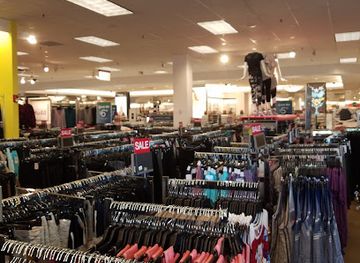
Kohl's
Explore Kohl's in Rockford for a diverse selection of affordable fashion, home goods, and unbeatable discounts, perfect for all your shopping needs.
Get your free copy of our complete guide to Rock River Valley, delivered straight to you.
Everything on this page, from attractions and restaurants to essentials and local phrases, in one PDF you can read offline, print or share.
Already have an account? Sign in
Your Rock River Valley guide is ready.
We'll send it to · Not you? Sign out

Getting your guide ready…
We are putting together a fresh copy of the Rock River Valley guide. This can take up to a minute.
This can take a few moments. If your browser asks, choose Allow so the download can start. You'll find the guide in your Downloads folder.
Nothing happened? Download it again
Sorry, the guide is taking longer than usual. Please try again in a minute, or get it by email instead.
Rock River Valley essentials
Currency and Payment
Safety
Emergency Situations
Do's and Don'ts
Local Tips
From Eve
Local phrases worth knowing
You don't need to get them perfect. A few words go a long way, and locals appreciate the effort.
Basics
| English | Local | Say it |
|---|---|---|
| Hello | Howdy | [Hau-dee] |
| Goodbye | See ya | [See yah] |
| Yes | Yep | [Yep] |
| No | Nah | [Nah] |
| Please/You're welcome | No problem | [No prob-lem] |
| Thank you | Thanks | [Thanks] |
| Excuse me/Sorry | Sorry | [Sorry] |
| How are you? | How ya doin'? | [How ya doin'?] |
| Fine. And you? | I’m good. You? | [I’m good. You?] |
| Do you speak English? | Do ya speak English? | [Doo ya speak English?] |
| I don't understand | I don't get it | [I don't get it] |
Eating & Drinking
| English | Local | Say it |
|---|---|---|
| I'd like to see the menu, please | Can I see the menu? | [Can I see the menu?] |
| I don't eat meat | I'm a vegetarian | [I'm a ve-ge-ta-rian] |
| Cheers! | Cheers! | [Cheers!] |
| I would like to pay, please | Can I get the check? | [Can I get the check?] |
Emergencies
| English | Local | Say it |
|---|---|---|
| Help! | Help! | [Help!] |
| Go away! | Leave me alone! | [Leave me a-lone!] |
| Call the Police! | Call the cops! | [Call the cops!] |
| Call a doctor! | Get a doctor! | [Get a doc-tor!] |
| I'm lost | I'm lost | [I'm lost] |
| I'm ill | I’m sick | [I’m sick] |
Shopping
| English | Local | Say it |
|---|---|---|
| I'd like to buy... | I wanna buy... | [I wanna buy...] |
| I'm just looking | Just browsing | [Just brows-ing] |
| How much is it? | What’s the price? | [What’s the price?] |
| That's too expensive | That’s a bit steep | [That’s a bit steep] |
| Can you lower the price? | Can you do any better? | [Can you do any better?] |
Time & Numbers
| English | Local | Say it |
|---|---|---|
| What time is it? | What time ya got? | [What time ya got?] |
| It's one o'clock | It’s one | [It’s one] |
| Half past (10) | Half past ten | [Half past ten] |
| Morning | Morning | [Morning] |
| Afternoon | Afternoon | [Afternoon] |
| Evening | Evening | [Evening] |
| Yesterday | Yesterday | [Yesterday] |
| Today | Today | [Today] |
| Tomorrow | Tomorrow | [Tomorrow] |
| 1 | One | [One] |
| 2 | Two | [Two] |
| 3 | Three | [Three] |
| 4 | Four | [Four] |
| 5 | Five | [Five] |
| 6 | Six | [Six] |
| 7 | Seven | [Seven] |
| 8 | Eight | [Eight] |
| 9 | Nine | [Nine] |
| 10 | Ten | [Ten] |
Transport & Directions
| English | Local | Say it |
|---|---|---|
| Where's a/the...? | Where's the...? | [Where's the...?] |
| What's the address? | What's the address? | [What's the address?] |
| Can you show me (on the map)? | Can ya show me on the map? | [Can ya show me on the map?] |
| When's the next (bus)? | When's the next bus? | [When's the next bus?] |
| A ticket (to ....) | A ticket to... | [A ticket to...] |
History of Rock River Valley
Indigenous Peoples and the Rock River
Long before European-American settlement, the Rock River Valley was used and inhabited by Indigenous peoples, including Ho-Chunk, Potawatomi, Sauk and Meskwaki communities at different periods. The river provided a route through northern Illinois, while its wetlands, prairie and woodlands supported hunting, fishing and gathering. Place names and the continuing presence of Native nations form only part of this history; much of the earlier landscape was later altered by agriculture, towns and transport infrastructure. Visitors should understand the valley as an Indigenous homeland rather than an empty frontier awaiting settlement.
Treaties, Settlement and the Black Hawk Era
During the early nineteenth century, United States treaties and expanding settlement transformed northern Illinois. The Black Hawk War of 1832 accelerated the removal of Native communities from the region, although the conflict’s principal sites were concentrated elsewhere in Illinois and Wisconsin. Afterward, land surveys, government sales and migration opened the Rock River corridor to farms, mills and towns. The period established the political and economic framework within which Rockford, Dixon, Oregon and other valley communities developed, while also marking a profound loss of Indigenous land and autonomy.
River Towns and Early Transport
Nineteenth-century settlements grew around river crossings, mills, commercial farms and the movement of goods. Communities such as Rockton, Byron, Oregon, Dixon and Sterling benefited from the Rock River as a transport and water-power resource, although navigation was never as dominant here as on the major navigable rivers of the Midwest. Roads, bridges and later railways connected the valley to Chicago, the Mississippi system and wider agricultural markets. Historic town centres and surviving civic, commercial and residential buildings reflect this period of rapid regional consolidation.
Rockford’s Industrial Transformation
Rockford became one of northern Illinois’s most important manufacturing centres during the late nineteenth and early twentieth centuries. Furniture production gave the city an international reputation, while agricultural machinery, tools, textiles and other industries diversified its economy. Factories, rail connections and a growing immigrant workforce reshaped the city’s social and physical landscape. Although much traditional manufacturing declined during the later twentieth century, the industrial era remains visible through museums, former factory areas, historic neighbourhoods and the city’s continuing emphasis on design, engineering and advanced manufacturing.
Agriculture and the Modern River Economy
Outside the larger towns, the valley has remained closely connected to corn and soybean farming, livestock, food processing and agricultural services. River towns such as Sterling and Rock Falls developed as commercial centres for surrounding farms, while smaller communities retained a mixture of local business, industry and rural settlement. Improvements in roads and railways reduced the river’s role as a transport artery but strengthened the region’s links with Chicago and other Midwestern markets. The resulting landscape is a layered one of working farmland, suburban growth, industrial sites and protected natural areas.
Conservation, Parks and Cultural Renewal
During the twentieth and early twenty-first centuries, public agencies, local organisations and conservation groups expanded efforts to protect river corridors, oak woods, prairie remnants and important geological features. State parks and forest preserves now provide public access to landscapes once threatened by erosion, intensive farming or development. Rockford has also invested in gardens, museums, trails and cultural institutions as it has adapted beyond its historic manufacturing base. This combination of heritage preservation and environmental restoration is central to the valley’s contemporary identity.
Rock River Valley in Photos
Browse through our photo collection highlighting the charm and character of the destination.
Neighbouring regions of Rock River Valley
The closest regions to Rock River Valley, if you have time for more than one.
-

-

-

-

-


Swipe for more regions
Explore more

Explore more of Illinois
Discover Illinois: From Chicago's iconic skyline to the tranquil beauty of its countryside, experience the diverse allure of the Prairie State.
Explore Illinois