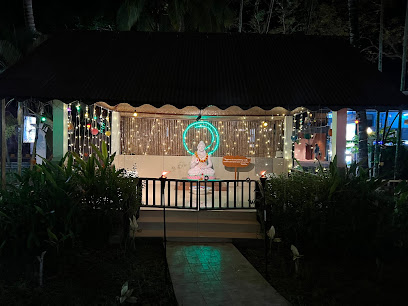
Netaji Subhash Chandra Bose Island: Echoes of the Raj
Step back in time on Netaji Subhash Chandra Bose Island, where colonial ruins meet natural beauty in the Andaman Islands. A must-see historical site.
Explore the ruins of Netaji Subhash Chandra Bose Island, formerly Ross Island, once the British administrative headquarters of the Andamans. Wander through overgrown remnants of colonial buildings, encounter friendly deer, and witness a poignant chapter of Indian history.
A brief summary to Netaji Subhash Chandra Bose Island
- Andaman and Nicobar Islands, IN
Local tips
- Wear comfortable shoes as you'll be doing a lot of walking on uneven ground while exploring the ruins.
- Carry your own snacks and water, as there are no food stalls available on the island.
- Visit during the months of October to March for the best weather and uninterrupted ferry services.
- Stay back for the light and sound show in the evening to witness the island's history come to life.

Getting There
-
Boat
The most common way to reach Netaji Subhash Chandra Bose Island is by taking a ferry from Aberdeen Jetty in Port Blair. The jetty is about 3 km from the city center and easily accessible by taxi or auto-rickshaw. Ferries operate regularly from 8:00 AM to 3:00 PM. The boat ride takes approximately 15-20 minutes. A round-trip ticket costs around ₹370 per person. The island is closed on Wednesdays.
Discover more about Netaji Subhash Chandra Bose Island
Iconic landmarks you can’t miss

Japanese Bunker
0.2 km
Explore historic Japanese bunkers on Netaji Subhash Chandra Bose Island, offering a unique glimpse into WWII history and stunning island views.
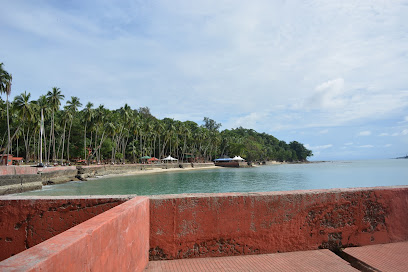
Tsunami Memorial
1.6 km
Visit the Tsunami Memorial in Port Blair, a serene tribute to resilience and remembrance amidst the beauty of the Andaman Islands.
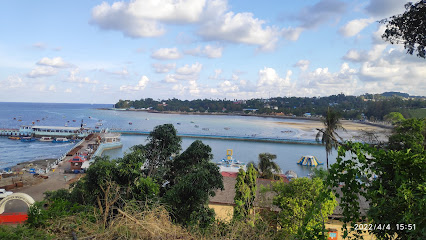
Gautama Buddha Statue
1.6 km
Find serenity at Port Blair's Gautama Buddha Statue: a peaceful retreat offering reflection and stunning views of the Andaman Islands.
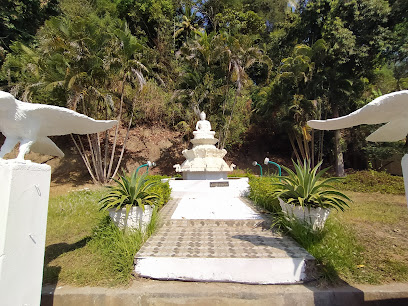
Best Andaman Deal.com
2.1 km
Discover the breathtaking beauty of the Andaman Islands with Best Andaman Deal – your expert travel partner for unforgettable tours and adventures.
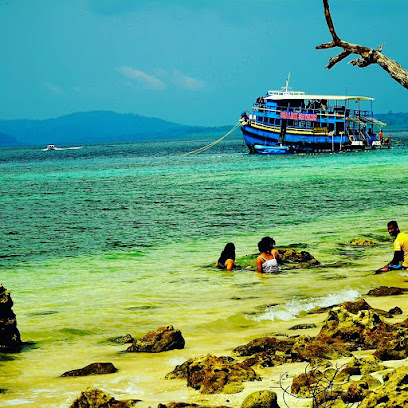
Aberdeen Clock Tower
2.2 km
Discover the historical charm of the Aberdeen Clock Tower in Port Blair, a symbol of the Andaman Islands' colonial past and vibrant local culture.
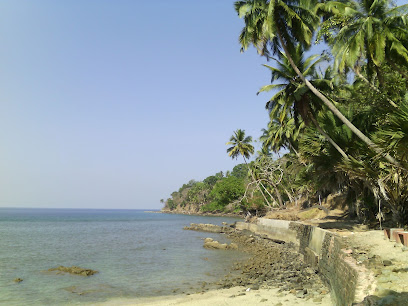
Murugan Temple
2.2 km
Discover the enchanting Murugan Temple in Port Blair, a splendid example of Dravidian architecture and a spiritual haven in the Andaman Islands.
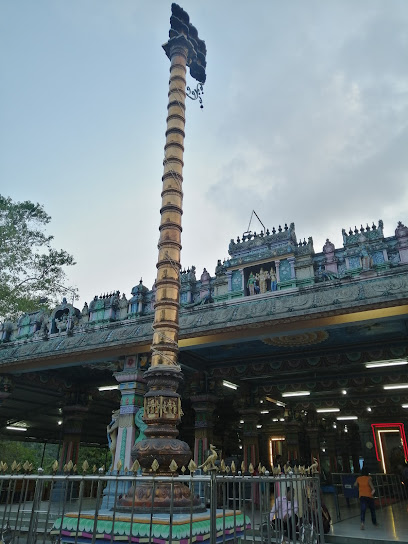
Head Post Office Port Blair
2.5 km
Discover the historic Head Post Office in Port Blair, a charming landmark at the heart of the Andaman Islands, blending history with local culture.
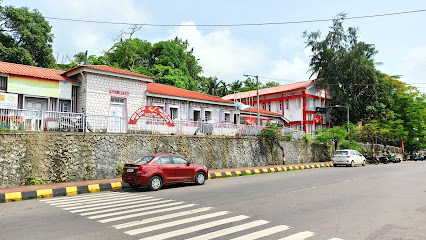
Gandhi Statue Circle
2.6 km
Experience the serenity and historical significance of Gandhi Statue Circle, a tribute to Mahatma Gandhi in the heart of Port Blair, Andaman and Nicobar Islands.
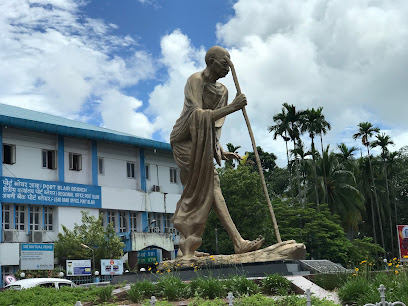
Phoenix Bay Jetty
3.1 km
Explore the vibrant Phoenix Bay Jetty, a gateway to the Andaman Islands, where stunning views and local culture await every traveler.
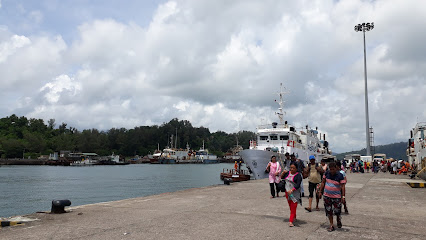
Eternal Andamans
3.3 km
Discover the adventure of a lifetime with Eternal Andamans, your premier tour operator for SCUBA diving, parasailing, and unforgettable island experiences.
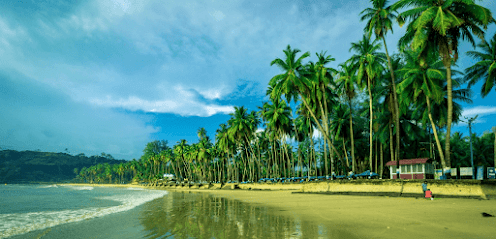
Stella Maris Cathedral
3.5 km
Discover the serene beauty and architectural elegance of Stella Maris Cathedral in Port Blair, a spiritual landmark in the Andaman Islands.
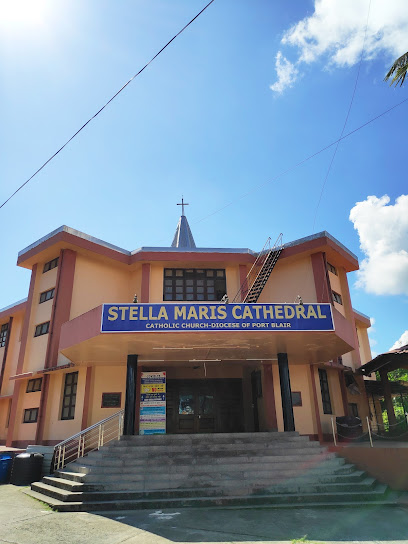
Historical Andaman
4.2 km
Explore the rich history of the Andaman Islands with Historical Andaman, offering immersive tours that reveal the region's captivating past.
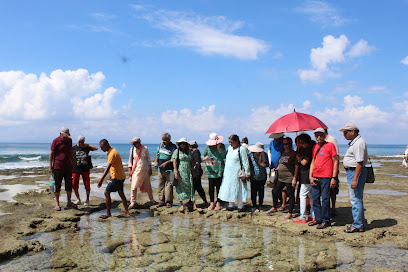
Bombpit of World War II
4.5 km
Explore the Bombpit of World War II on Chatham Island, a poignant historical landmark offering insight into military history amidst stunning natural beauty.
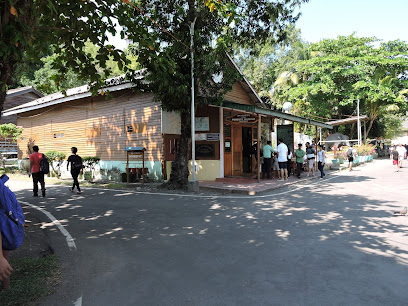
Andaman Bliss Tours and Travels
4.5 km
Discover the beauty of Andaman and Nicobar Islands with personalized tours, thrilling adventures, and seamless travel experiences at Andaman Bliss Tours and Travels.
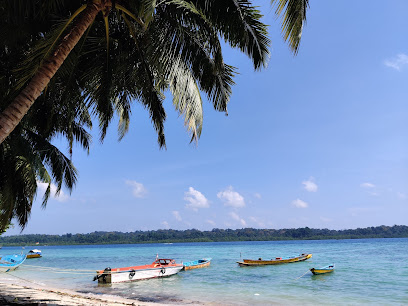
Info India Tour and Holidays [Andaman Tour]
6.6 km
Explore the mesmerizing Andaman and Nicobar Islands with expert tours by Info India Tour and Holidays, your trusted travel partner for unforgettable experiences.
![Info India Tour and Holidays [Andaman Tour]](https://evendo-location-media.s3.amazonaws.com/LandmarkImages/dfa8390f-8198-404f-a142-86601616f4e7)
Unmissable attractions to see

Netaji Subhash Chandra Bose Island, Port Blair (Ross Island)
0.1 km
Explore colonial ruins and natural beauty on Netaji Subhash Chandra Bose Island, a historical gem near Port Blair.
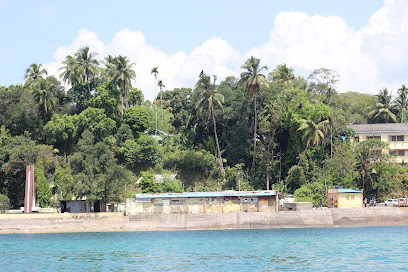
Deer Park
0.1 km
Discover Deer Park on Netaji Subhash Chandra Bose Island: A peaceful escape into nature's beauty and vibrant wildlife.
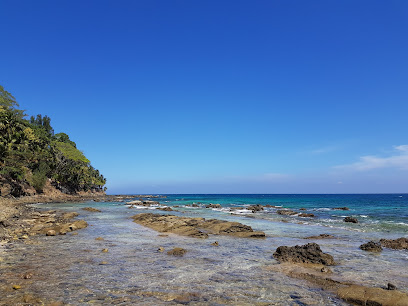
Ross Island / NSCB Light and Sound Show
0.2 km
Step back in time on Ross Island, explore colonial ruins, and witness the captivating light and sound show near Port Blair.
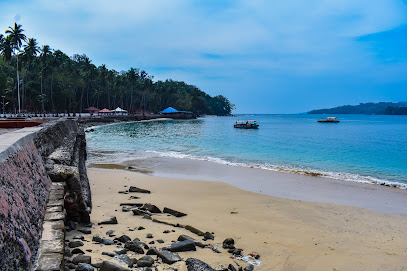
NSCB DWEEP
0.2 km
Explore colonial ruins and natural beauty on Netaji Subhash Chandra Bose Island, a short ferry ride from Port Blair. A historical gem of the Andamans.
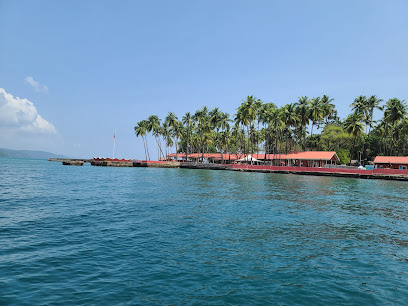
Water Distilling Plant
0.2 km
Explore innovative water purification methods at the historic Water Distilling Plant on Ross Island, Andaman and Nicobar Islands.
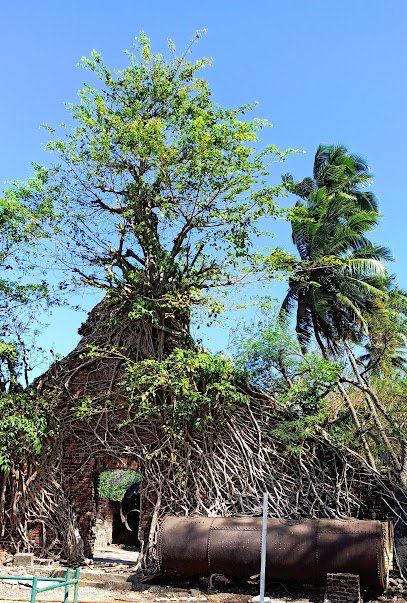
Black Rock Spot
0.6 km
Discover the serene beauty and vibrant marine life at Black Rock Spot, a must-visit destination in the Andaman Islands.
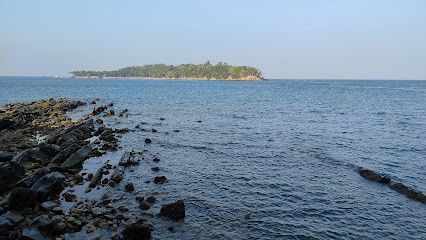
Tiranga Memorial
1.3 km
Visit the historic Tiranga Memorial in Port Blair, where India's flag was first hoisted, symbolizing freedom and national pride.
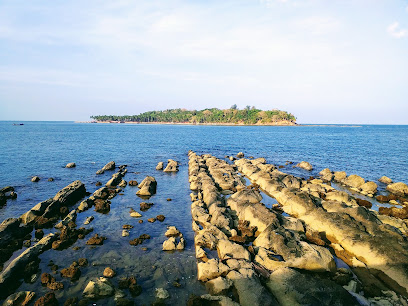
Flag Point (Tiranga)
1.3 km
Visit Flag Point (Tiranga) in Port Blair, a historic site where India's freedom journey began, offering scenic views and a sense of national pride.
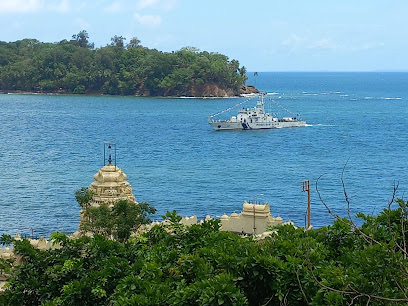
Aberdeen Jetty
1.4 km
Start your Andaman adventure at Aberdeen Jetty: your gateway to history, water sports, and island hopping in Port Blair!
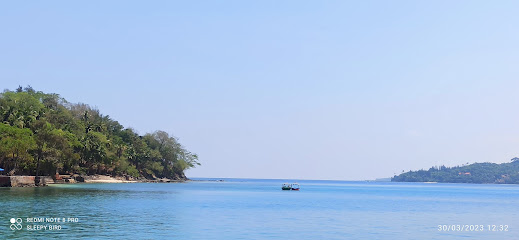
Andaman FlyAir Parasailing
1.4 km
Experience the ultimate aerial adventure in Port Blair with Andaman FlyAir Parasailing: Safe, thrilling, and unforgettable views of the Andaman Islands.
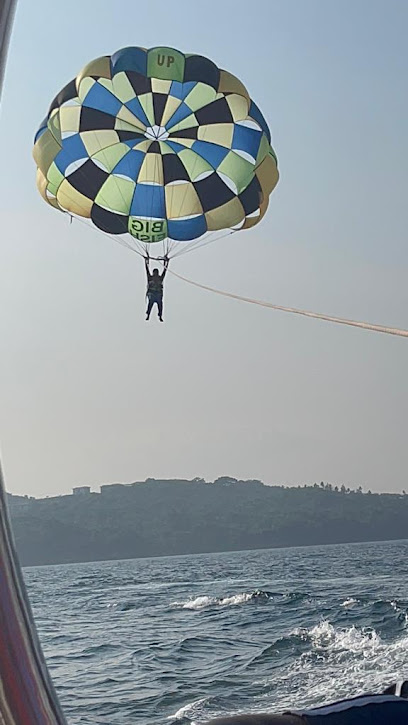
Rajeev Gandhi Statue
1.5 km
Reflect on Indian history and leadership at the Rajeev Gandhi Statue, a peaceful landmark in the heart of Port Blair.
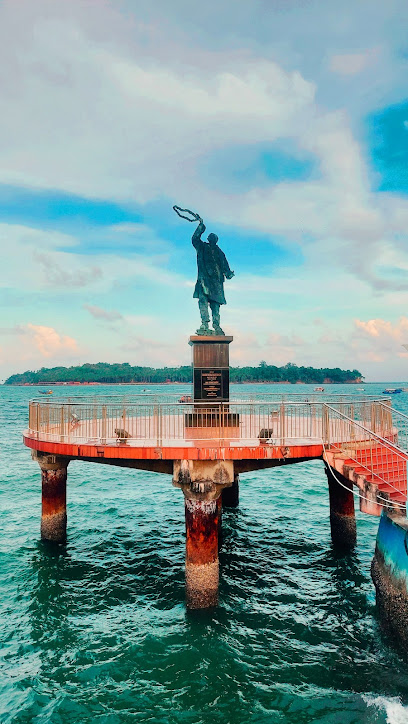
Cellular Jail
1.6 km
Explore Cellular Jail in Port Blair, a poignant national memorial and a symbol of India's freedom struggle, showcasing the sacrifices of freedom fighters.
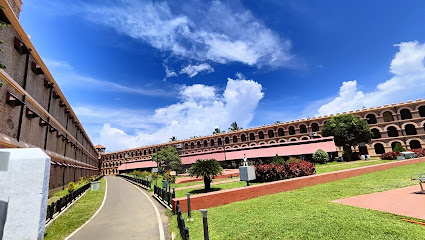
Swatantrya Jyot
1.6 km
Pay homage to India's freedom fighters at the Swatantrya Jyot, an eternal flame symbolizing sacrifice and resilience in Port Blair's Cellular Jail.
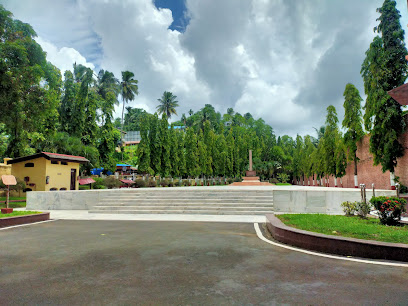
Veer Savarkar Park
1.6 km
A peaceful memorial in Port Blair honoring India's freedom fighters, offering reflection and historical insight.
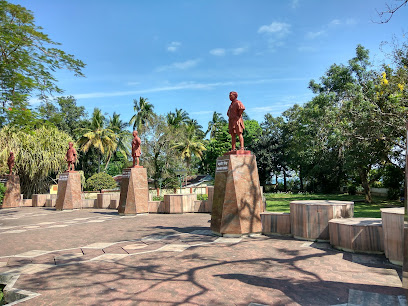
Marina Park
1.8 km
Discover tranquility at Marina Park, Port Blair: A scenic waterfront retreat blending nature, history, and recreation for an unforgettable island experience.
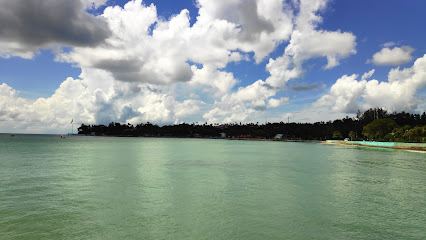
Essential places to dine

Dugout - The Food Truck
1.8 km
Discover Dugout - The Food Truck in Port Blair for a delightful mix of fast food, barbecue delights, and fresh seafood amidst stunning coastal views.
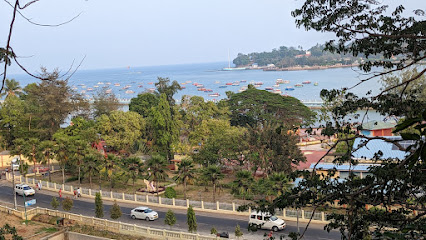
New Lighthouse Restaurant
1.8 km
Discover culinary delights at New Lighthouse Restaurant in Port Blair - where fresh seafood meets breathtaking views.
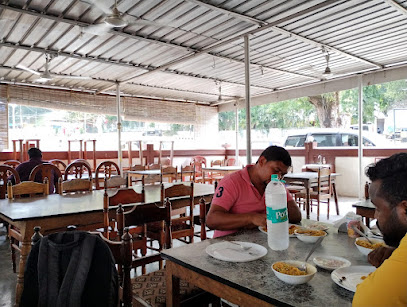
Excel Restaurant
2.2 km
Discover culinary delights at Excel Restaurant in Port Blair - where local flavors meet international cuisine.
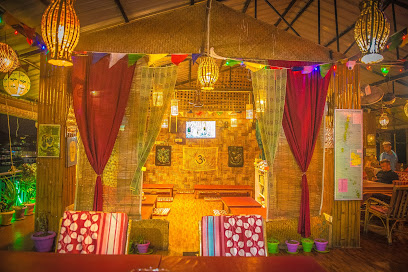
Hotel Kattabomman
2.3 km
Experience authentic South Indian vegetarian cuisine at Hotel Kattabomman in Port Blair - a must-visit dining spot for all food lovers.
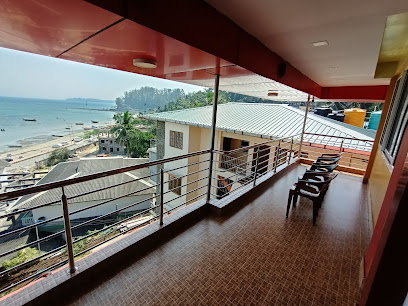
Ananda Multi-cuisine Restaurant
2.4 km
Discover diverse flavors at Ananda Multi-cuisine Restaurant in Port Blair, offering an eclectic mix of Indian and South Indian dishes.
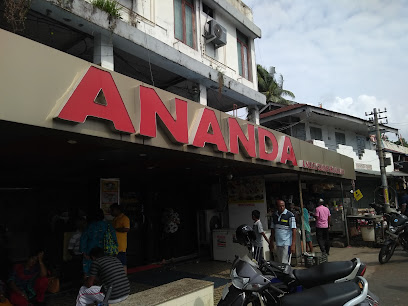
Annapurna Cafeteria Pure Veg
2.4 km
Experience authentic vegetarian dining at Annapurna Cafeteria in Port Blair - indulge in delicious South and North Indian dishes.
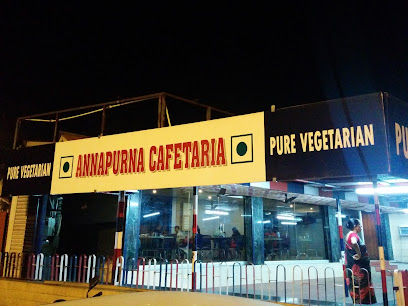
Salt & Pepper
2.5 km
Experience culinary bliss at Salt & Pepper, where every dish tells a story of local flavors and vibrant culture in Port Blair.
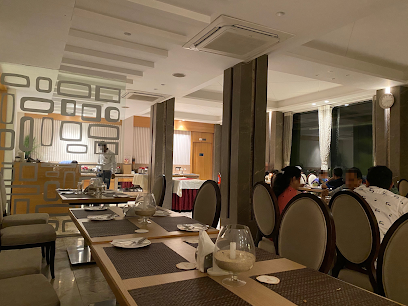
AMAYA
2.5 km
Discover AMAYA in Port Blair: A Seafood Restaurant Offering Live Music & Vibrant Ambiance for Unforgettable Dining Experiences.
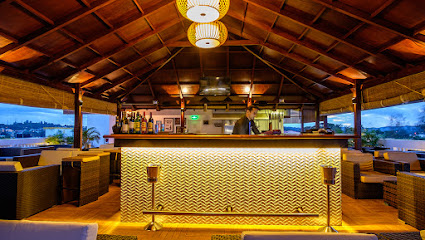
Seafood Delights Andaman
3.2 km
Experience culinary excellence at Seafood Delights Andaman - where fresh catches meet exquisite flavors in an idyllic setting.
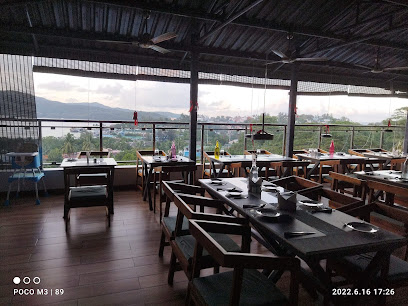
Happy Belly's Mehfil Restaurant ---A pure Vegetarian Restaurant
3.4 km
Experience the essence of vegetarian cuisine at Happy Belly's Mehfil Restaurant in Port Blair - where flavor meets tradition.
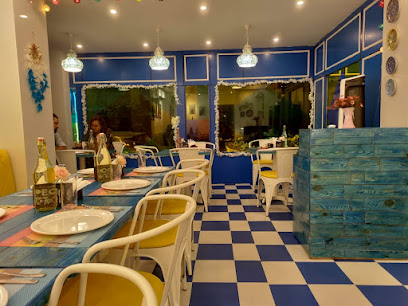
Down Town Bistro
3.4 km
Experience authentic Indian cuisine at Down Town Bistro in Port Blair - where every dish tells a story.
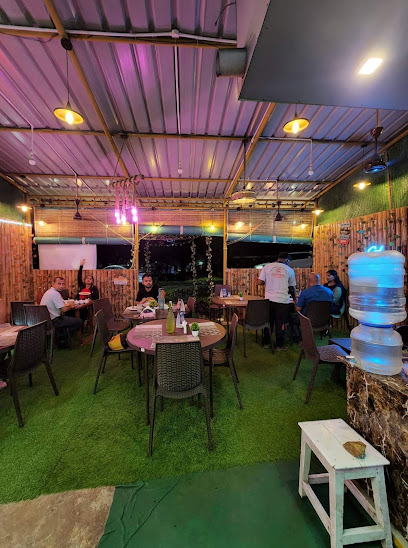
Zaika Restaurant & Party Lounge
3.4 km
Experience authentic North Indian flavors at Zaika Restaurant & Party Lounge in Port Blair – where every meal is a celebration!
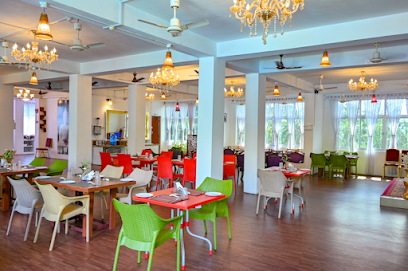
Ruchi Restaurant
3.5 km
Discover culinary excellence at Ruchi Restaurant in Port Blair – where diverse flavors meet stunning island views.
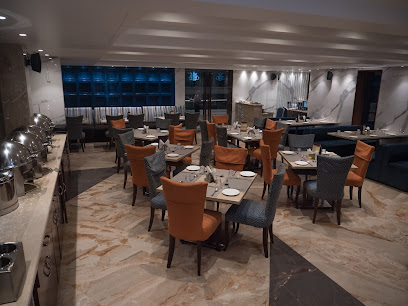
Shree Bikaner, Pure Veg Restaurant
3.5 km
Discover the rich flavors of vegetarian cuisine at Shree Bikaner in Port Blair—where North Indian delights meet Rajasthani specialties.
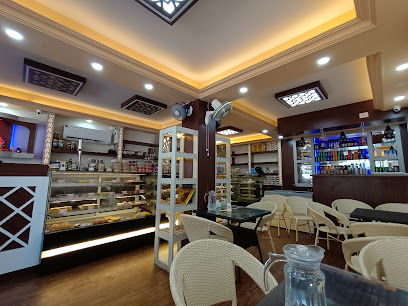
Dawat e banaras
3.7 km
Experience the essence of Indian vegetarian cuisine at Dawat e Banaras in Port Blair – where every meal is a celebration of flavors.
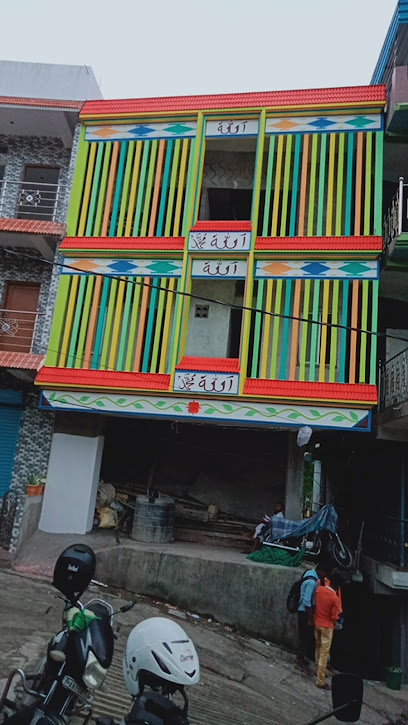
Markets, malls and hidden boutiques

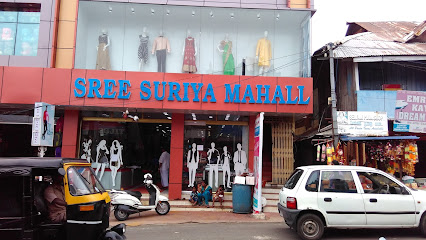
Sree Suriya Mahall
2.3 km
Experience the essence of Andaman fashion at Sree Suriya Mahall, where tradition meets modern style in Port Blair.
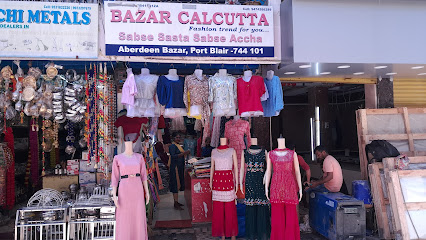
UNIQUE FASHION by BAZAR CALCUTTA
2.3 km
Explore the vibrant styles of UNIQUE FASHION by BAZAR CALCUTTA, where elegance meets the spirit of the Andaman Islands in women's clothing.
GiftShop - Sri Creations
2.3 km
Explore the enchanting Sri Creations Gift Shop in Port Blair, where unique handcrafted treasures and local artistry await every traveler.
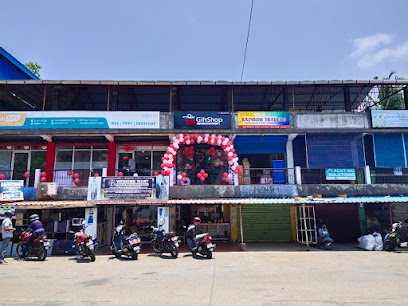
Island Shopping Mall
2.4 km
Explore Island Shopping Mall for unique handicrafts that showcase the rich culture of the Andaman and Nicobar Islands.
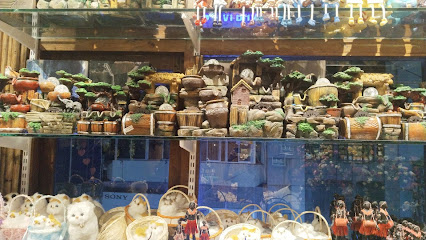
islands souvenirs
2.4 km
Discover unique handicrafts and gifts that capture the spirit of the Andaman and Nicobar Islands at Islands Souvenirs in Port Blair.
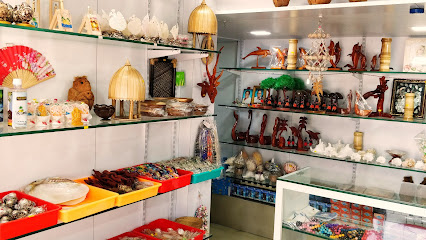
Lulu Shopping Mall
2.4 km
Explore Lulu Shopping Mall in Port Blair for an unforgettable shopping experience featuring local crafts, fashion, and delightful dining options.
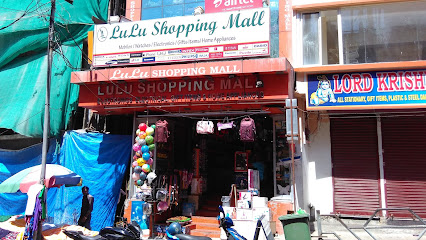
Devi Store (Old Chennai Store)
2.6 km
Explore the vibrant Devi Store in Port Blair for unique clothing accessories that blend traditional craftsmanship with contemporary flair.
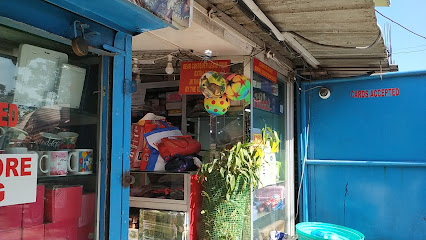
RAMOLON
2.8 km
Explore RAMOLON in Port Blair for unique souvenirs that capture the beauty and culture of the Andaman and Nicobar Islands.
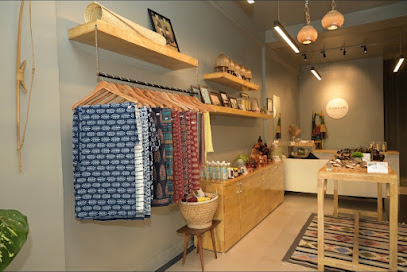
Le Isles - Andaman Gifts
2.9 km
Explore the vibrant world of Andaman gifts at Le Isles, where unique souvenirs and local handicrafts await every traveler.
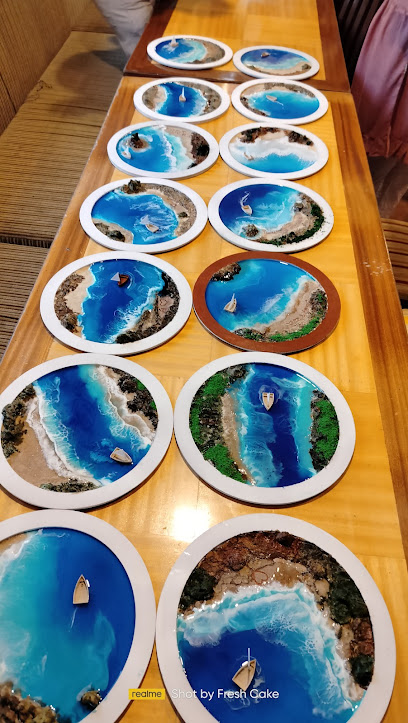
Raga's Boutique
2.9 km
Discover unique fashion at Raga's Boutique, a local clothing store in Port Blair that showcases the vibrant culture of the Andaman Islands.
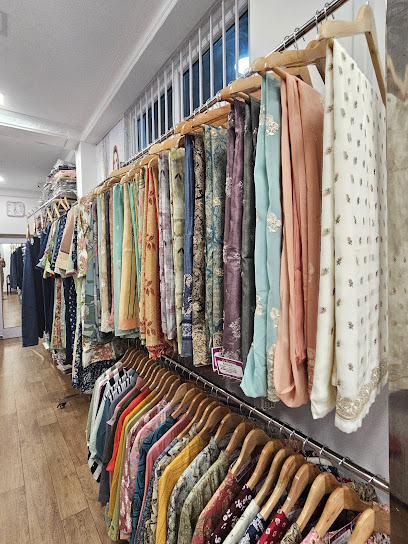
Vastraanjali
3.0 km
Explore Vastraanjali in Port Blair for exquisite women's clothing that embodies the spirit of the Andaman Islands.
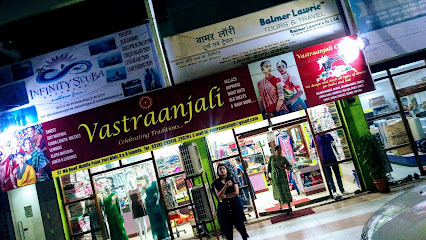
Sagarika Emporium, Government Emporium
3.1 km
Explore the vibrant Sagarika Emporium in Port Blair, where local handicrafts and unique souvenirs come together to celebrate the beauty of the Andaman Islands.
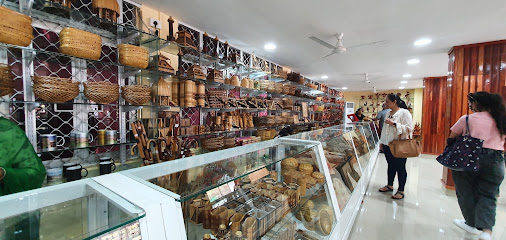
Aachal Sea Shell Emporium
3.3 km
Discover unique seashell gifts and local crafts at Aachal Sea Shell Emporium in Port Blair, a must-visit for every tourist in the Andaman and Nicobar Islands.
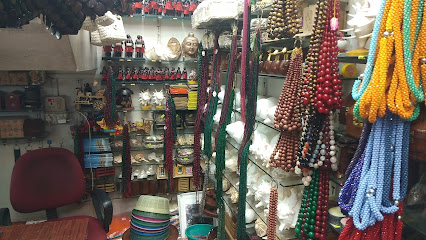
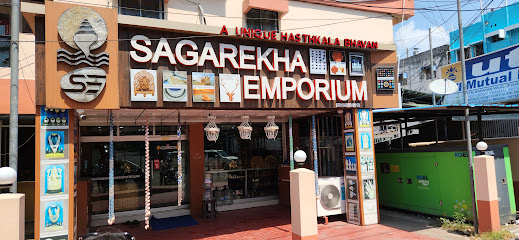
Sagarikha Emporium
3.4 km
Discover the vibrant handicrafts and unique jewelry of the Andaman Islands at Sagarikha Emporium, Port Blair's premier craft store.
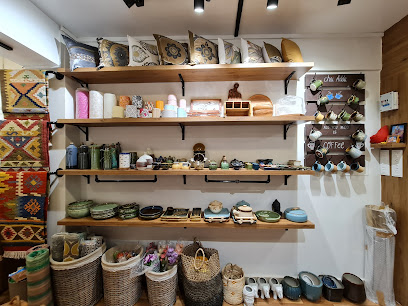
AURAA - A Lifestyle Brand
3.6 km
Discover unique gifts and corporate supplies at AURAA - A Lifestyle Brand in Port Blair, the perfect shopping destination for tourists and locals alike.
Essential bars & hidden hideouts

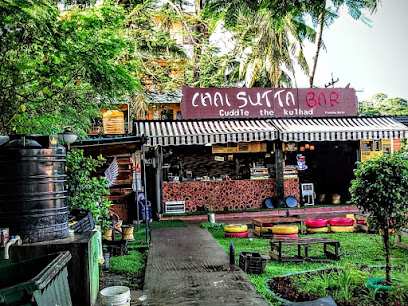
Chai Sutta Bar, Port Blair
1.7 km
Experience the authentic taste of India at Chai Sutta Bar, Port Blair's favorite café for chai and snacks in a vibrant atmosphere.
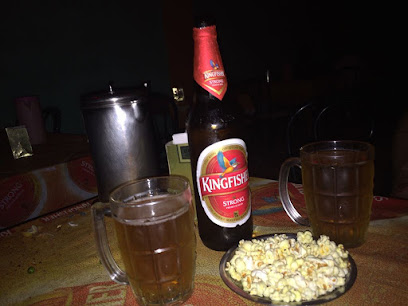
Royal Bar
2.5 km
Experience the vibrant nightlife of Port Blair at Royal Bar, where refreshing drinks and a friendly atmosphere await every traveler.
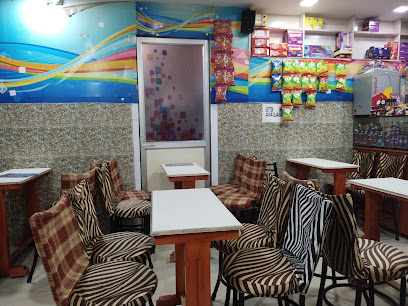
Majestic Cool Bar
2.5 km
Discover a world of flavor at Majestic Cool Bar, where delicious ice cream awaits in the heart of Port Blair's vibrant Aberdeen Bazar.
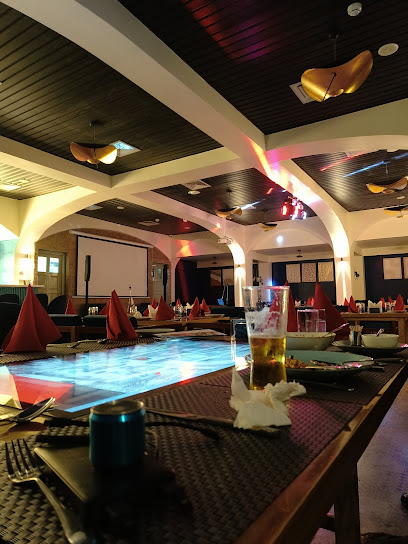
HONEY HUB RESTRO
2.7 km
Experience the flavors of the Andaman Islands at Honey Hub Restro, where every dish tells a story and every meal is a celebration.
The love garden (open air lounge and nightclub)
2.8 km
Experience the vibrant nightlife at The Love Garden, a unique open-air lounge and nightclub in the heart of Port Blair, Andaman Islands.
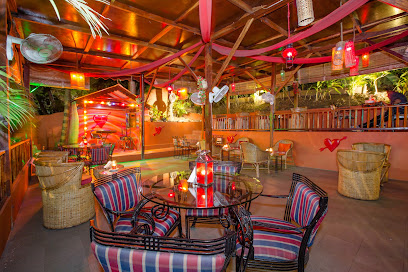
Luxx - Pub & Lounge
3.4 km
Discover the vibrant flavors of Luxx - Pub & Lounge in Port Blair, where great food meets a lively atmosphere.
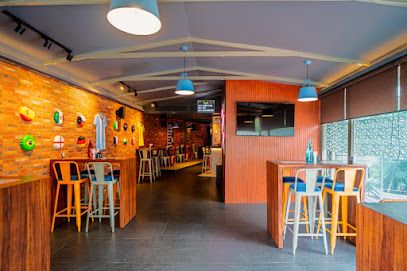
PALIKA PALACE BAR & RESTAURENT
3.8 km
Discover the lively ambiance and delicious cuisine at Palika Palace Bar & Restaurant in Port Blair, Andaman Islands.
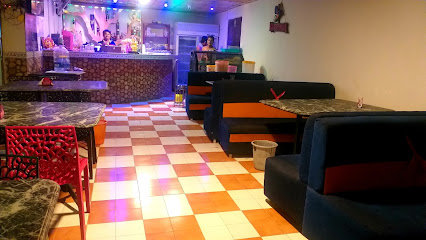
Drifters Lounge Bar
4.1 km
Experience the vibrant nightlife at Drifters Lounge Bar in Port Blair, where delicious cocktails meet stunning tropical views.
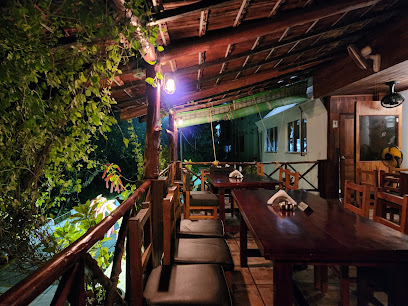
GJN Bar
4.7 km
Discover the relaxed vibe of GJN Bar in Port Blair, where refreshing drinks and friendly ambiance await you in the stunning Andaman Islands.

Million Restraurant
5.2 km
Discover the vibrant flavors and lively atmosphere at Million Restaurant in Port Blair, a perfect spot for food lovers and socializers.
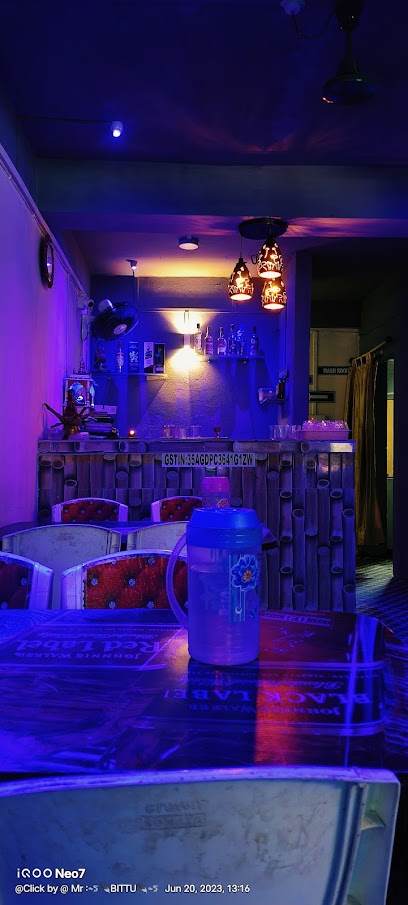
Purple Fusion,IDSC
5.9 km
Immerse yourself in the vibrant atmosphere of Purple Fusion, IDSC, where authentic Indian cuisine meets refreshing cocktails in Port Blair's enchanting setting.
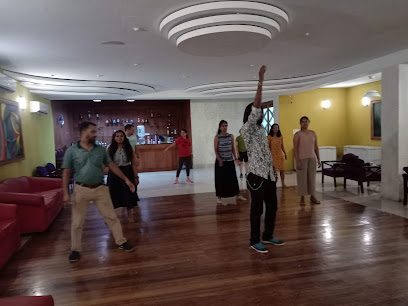
Sunrise Bar
6.1 km
Unwind at Sunrise Bar, where vibrant cocktails meet serene views in the heart of Port Blair, Andaman and Nicobar Islands.
Bamboo Bar & Restaurant
6.2 km
Experience the flavors of the Andaman Islands at Bamboo Bar & Restaurant, where delicious cuisine meets stunning ocean views.
Desi lounge
6.5 km
Experience the vibrant flavors of India at Desi Lounge, the perfect spot for authentic Indian cuisine in Port Blair, Andaman and Nicobar Islands.
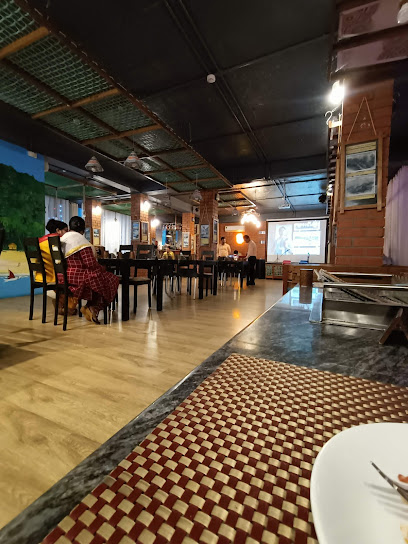
Lall Bar
7.0 km
Experience the vibrant nightlife at Lall Bar, a lively spot in Port Blair serving refreshing drinks and a friendly atmosphere for all visitors.
Nightclubs & after hour spots

M
2.5 km
Dive into the vibrant nightlife of Port Blair at M Club, where music, dance, and unforgettable experiences await every night.
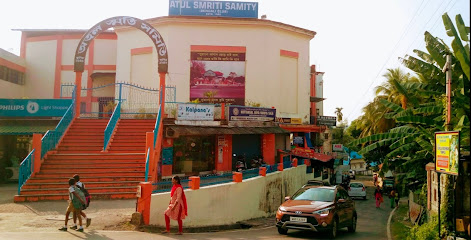
Bengali Club (Atul Smriti Samity)
2.7 km
Experience vibrant nightlife and authentic Bengali cuisine at Bengali Club, your go-to destination in Port Blair's lively social scene.
RTC GROUP'S
8.3 km
Discover the electrifying nightlife of Port Blair at RTC GROUP'S, where music, dance, and unforgettable moments await.
Venom The Party Shack
47.0 km
Discover the lively nightlife of Havelock Island at Venom The Party Shack - where music, dancing, and great company await you.