Nalanda Archaeological Museum, Bihar Travel Guide
Explore ancient Indian history and Buddhist heritage at Nalanda Archaeological Museum, home to artifacts from the renowned Nalanda University.
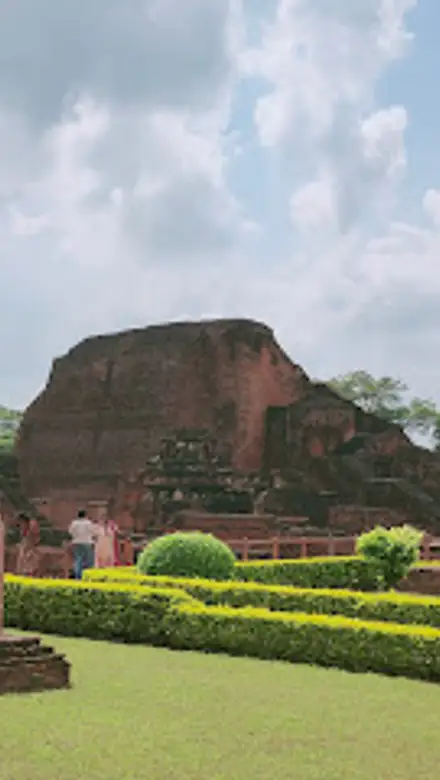
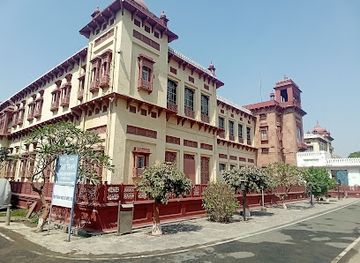
The Nalanda Archaeological Museum, established in 1917, stands as a repository of artifacts unearthed from the ruins of Nalanda University, one of the world's oldest residential universities. Located near the university ruins, the museum showcases the rich history and cultural significance of this ancient center of learning, offering visitors a glimpse into India's profound educational legacy.
A brief summary to Nalanda Archaeological Museum
- 4CPX+49J, Nalanda, Bihar, 803111, IN
- Click to display
- Monday 9 am-5 pm
- Tuesday 9 am-5 pm
- Wednesday 9 am-5 pm
- Thursday 9 am-5 pm
- Saturday 9 am-5 pm
- Sunday 9 am-5 pm

Know before you go
Hi, I'm Eve. Here are a few practical things to know before exploring Nalanda Archaeological Museum.
- Photography may be restricted in certain areas; always check before taking pictures.
- The best time to visit is between September and April, when the weather is more pleasant.
- Allow at least 1-2 hours to fully explore the museum's extensive collection.
- Combine your visit with a trip to the nearby Nalanda University ruins for a comprehensive historical experience.
Do you manage this location?
Take control to get all the benefits, like improved information, better appearance, and stronger visibility across AI-powered discovery. Learn more about listing your business on Evendo
Activate your presenceOther nearby places you may find interesting
The closest places of the same kind, if this one is not quite what you had in mind.

Explore Nalanda Archaeological Museum on the Map
A handpicked selection of must-see spots near Nalanda Archaeological Museum, mapped for you.
Unlock the Best of Nalanda Archaeological Museum
Buy tickets
-
No tickets available
Book tours with entry


Book tours without entry

Getting There
-
Walking
The Nalanda Archaeological Museum is located opposite the Nalanda University Ruins, approximately 250 meters away. From the ruins, exit the complex and walk directly across the road to the museum entrance. The walk is short and straightforward.
-
Public Transport
From Nalanda Railway Station, hire an auto-rickshaw or taxi to reach the Nalanda Archaeological Museum, which is about 3 km away. The auto-rickshaw fare will be approximately INR 150-200.
-
Car
If arriving by car from Patna, take NH 20 towards Nalanda. As you approach Nalanda, follow the signs directing you to the museum, located at 4CPX+49J, Nalanda, Bihar 803111. Parking is available near the museum.
Discover more about Nalanda Archaeological Museum
More to explore near Nalanda Archaeological Museum













Your all‑in‑one travel companion app
Explore expert travel guides, compare and book tours, experiences, hotels, and more—all from the palm of your hand. Download now for seamless trip planning wherever your wanderlust takes you.


Explore More of Bihar
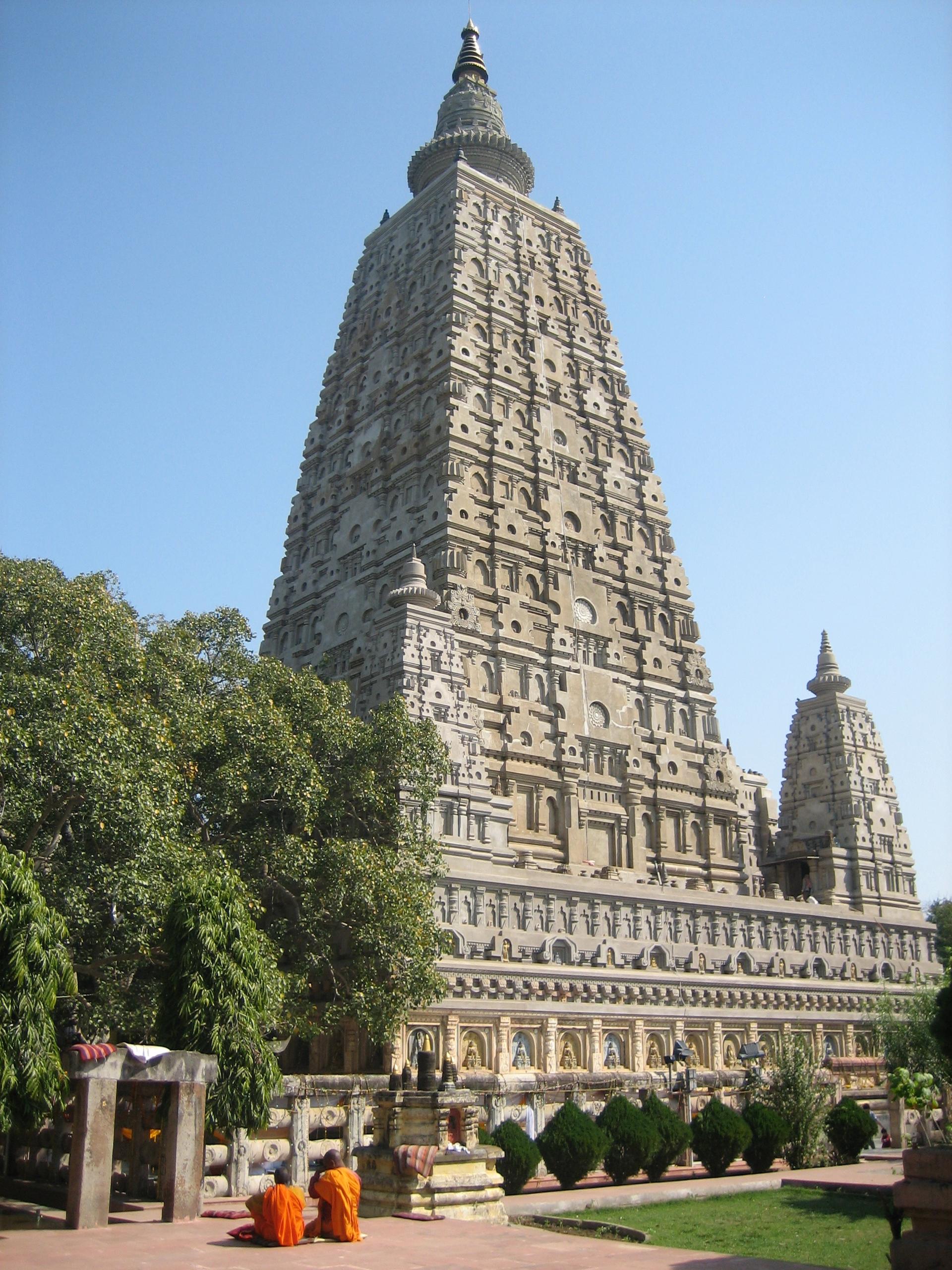
Looking beyond Nalanda Archaeological Museum? Discover Bihar for broader travel guides, local hot-spots, and regional highlights.
Explore Bihar