

Free Bihar Travel Guide & Mobile App
Explore Bihar with free travel guides. Discover regional history, expert tips, proposed trips, and audio guides on web or mobile app.


Explore Bihar’s Buddhist and Jain heritage, historic Patna, river landscapes, distinctive cuisine and Valmiki’s forested wildlife country.
Read more about Bihar
When is the best time to visit Bihar?
Best: February, November–December · 21–26°C| Month | High (°C) | Rainfall (mm) |
|---|---|---|
| January | 21 | 12 |
| February (best) | 24 | 15 |
| March | 30 | 20 |
| April | 35 | 25 |
| May | 37 | 40 |
| June | 35 | 100 |
| July | 33 | 200 |
| August | 33 | 200 |
| September | 32 | 100 |
| October | 30 | 40 |
| November (best) | 26 | 20 |
| December (best) | 21 | 10 |
Getting to and around Bihar
How to get there
Transportation
Top city travel guides in Bihar
The cities of Bihar, and the easiest places to base yourself.
-

-

-
-

-

-


Swipe for more cities
Destinations in Bihar
Resorts, valleys and scenic spots worth a trip of their own.

Swipe for more destinations
Best attractions in Bihar
Bihar’s attractions are concentrated in several distinct landscapes rather than one compact circuit. Patna offers museums and archaeological collections that introduce the history of Pataliputra, while the Ganges and the city’s historic neighbourhoods provide a sense of the state capital’s continuing importance. Bodh Gaya is the principal Buddhist destination, centred on the Mahabodhi Temple and surrounded by monasteries, meditation centres and international religious institutions. South of Patna, the Nalanda–Rajgir–Pawapuri area combines monastic ruins, ancient political history, hill scenery, hot springs and Jain pilgrimage. Vaishali and Vikramshila extend the Buddhist and archaeological story into the north and east. For a very different experience, Valmiki Tiger Reserve offers forest, grassland and riverine habitats along the Nepal border, with wildlife excursions subject to local arrangements and seasonal conditions. Rural markets, handcraft traditions and festivals add cultural interest, but visitors should expect modest infrastructure beyond the principal towns.
-
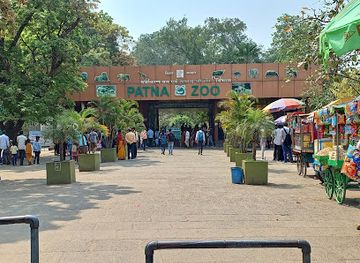
Zoo
Sanjay Gandhi Biological Park, Patna
Explore diverse wildlife and serene botanical gardens at Patna's Sanjay Gandhi Biological Park, a perfect escape for nature lovers and families.
-
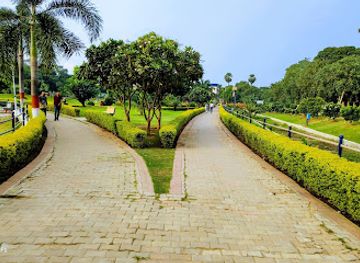
Park
Rajdhani Vatika
Escape to Patna's Eco Park: A green oasis with gardens, art, and recreation for a refreshing break from the city bustle.
-
Memorial park
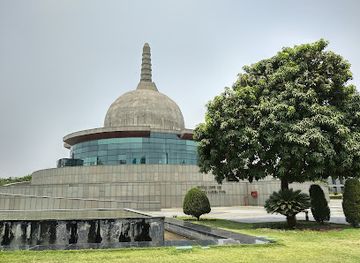
Buddha Smriti Park
Find serenity in the heart of Patna at Buddha Smriti Park, a spiritual haven with towering stupas, meditation spaces, and historical Buddhist relics.
-
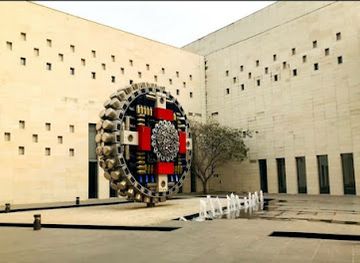
Archaeological museum
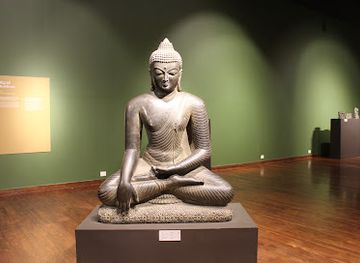
Bihar Museum
Discover Bihar's ancient past and rich cultural heritage at the Bihar Museum, home to fascinating artifacts and interactive exhibits.

Best landmarks in Bihar
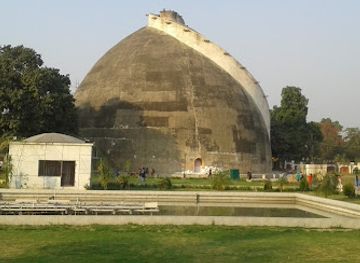
The Mahabodhi Temple at Bodh Gaya is Bihar’s defining religious landmark, with its tall brick superstructure and sacred associations making it a focus for Buddhist pilgrims from around the world. The archaeological complex at Nalanda is distinguished by extensive red-brick monasteries, shrines and courtyards that convey the scale of the ancient university. At Patna, the Ganges frontage and the remains associated with ancient Pataliputra provide a geographic and historical anchor, while the Golghar, an eighteenth-century grain store, is one of the city’s most recognisable structures. Rajgir’s surrounding hills mark a landscape associated with both Buddhist and Jain traditions, and Pawapuri’s Jal Mandir stands in a water body as an important Jain pilgrimage site. In the east, the excavated remains of Vikramshila represent the intellectual and religious importance of the Pala period. Valmiki’s forests and riverine terrain form a natural landmark of a different kind, marking Bihar’s Himalayan foothill edge.
-
Historical landmark
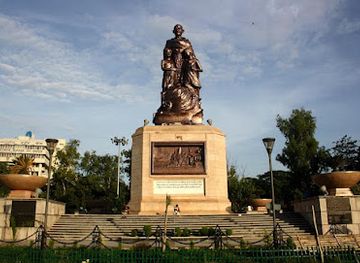
Gandhi Maidan
Explore Gandhi Maidan, Patna's historical landmark and city park, where rich history meets vibrant local culture in a serene setting.
-
Memorial park
Buddha Smriti Park
Explore the serene beauty of Buddha Smriti Park, a tranquil memorial park in Patna dedicated to the teachings of Buddha, ideal for reflection and relaxation.
-
Archaeological museum
Bihar Museum
Explore the treasures of Bihar's history at Bihar Museum, a cultural gem in Patna showcasing artifacts, art, and heritage.
-
Historical landmark
Golghar
Explore the iconic Golghar in Patna, an architectural marvel that offers stunning views and a glimpse into Bihar's rich history.
Explore Bihar on the map
Plan your trip on one map. See where the top cities, national parks and sights are, and book hotels and experiences in a few clicks.
Best hotels in Bihar
Best restaurants in Bihar
Bihari food is built around rice, wheat, pulses, vegetables, mustard oil, dairy and roasted gram flour, with regional cooking that is filling rather than highly elaborate. Litti chokha, roasted wheat-and-sattu dumplings served with mashed vegetables, is the best-known speciality, while sattu also appears in drinks, parathas and savoury fillings. Khaja from Silao, near Nalanda, is a layered sweet commonly associated with the area, and thekua is prepared especially around religious observances. In Patna and Bodh Gaya, restaurants range from local thali houses and busy vegetarian eateries to establishments serving north Indian, Tibetan, Thai and other international cuisines for pilgrims and travellers. Gaya and Bodh Gaya have particularly visible vegetarian and Buddhist-influenced dining scenes, while city markets offer sweets, snacks and seasonal produce. Hygiene, turnover and water practices matter, so choose busy establishments and use sealed drinking water when necessary.
-
South Indian
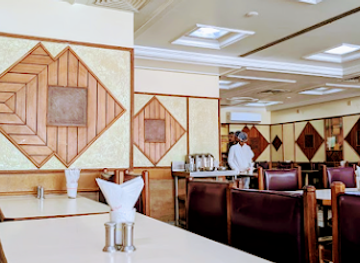
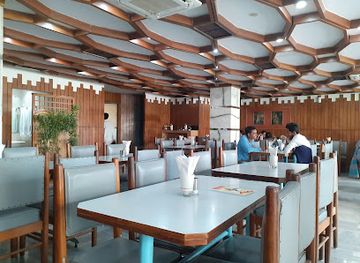
Bansi Vihar Restaurant
Experience authentic South Indian vegetarian cuisine at Bansi Vihar Restaurant in Patna – where every dish tells a story.
-
Restaurant
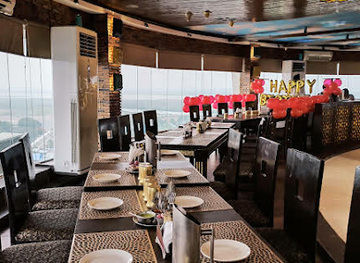
Pind The Revolving Restaurant
Experience culinary excellence with panoramic views at Pind The Revolving Restaurant in Patna.
-
Family-friendly
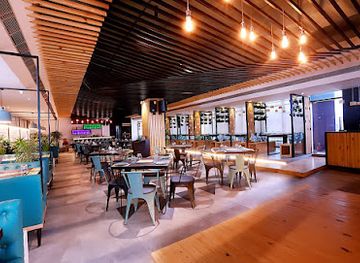
Aasman Restaurant
Experience exquisite modern Indian and Thai cuisine at Aasman Restaurant in Patna with breathtaking city views.
-
South Indian
Basant Vihar
Experience authentic South Indian vegetarian cuisine at Basant Vihar in Patna - where tradition meets taste.
Best bars in Bihar
Bihar is not generally a destination for club-focused nightlife, and alcohol is subject to state regulation and prohibition policies that can change in interpretation and enforcement; visitors should check current official rules and never assume that alcohol is available. Evening life is more often centred on family restaurants, tea stalls, sweet shops, hotel dining rooms, religious activity and the busy streets of larger towns. Patna has the broadest selection of contemporary restaurants, cultural programmes and occasional live entertainment, while Bodh Gaya’s evenings are shaped by temple ceremonies, meditation schedules and international monastic communities rather than late-night bars. In smaller towns, markets and food streets may remain active after dark, but venues close earlier and options are limited. Respect local laws, avoid public drinking and arrange transport back to accommodation in advance when staying outside central areas.
-
Bar
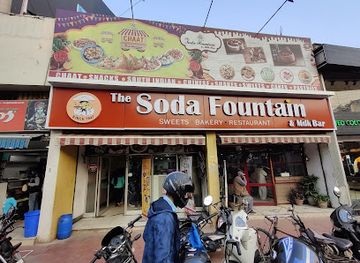
The Soda Fountain & Milk Bar
Experience the rich flavors of Patna at The Soda Fountain & Milk Bar, your go-to spot for delectable food and delightful treats.
-
Lounge
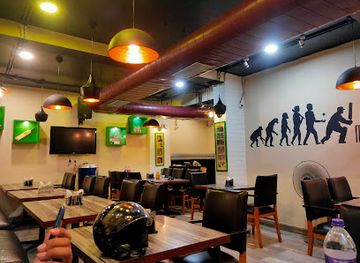
Lounge Before Wicket
Experience the fusion of relaxation and fine dining at Lounge Before Wicket in Patna, where every meal is a celebration of flavors.
-
Lounge
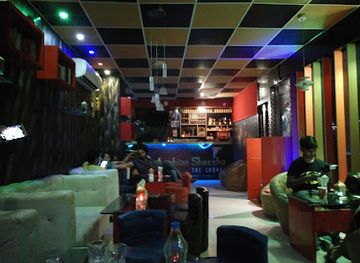
Arabian Sheesha The Lounge
Discover Arabian Sheesha The Lounge in Patna: Where Relaxation Meets Local Culture with Exquisite Hookahs and Flavorful Cuisine.
-
Restaurant
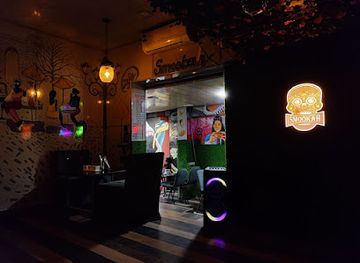
Smookah Cafe N Lounge - Best Hookah Cafe
Discover Smookah Cafe N Lounge in Patna: a vibrant hookah cafe offering a delightful menu in a cozy atmosphere perfect for relaxation and socializing.
Best nightclubs in Bihar
Bihar is not generally a destination for club-focused nightlife, and alcohol is subject to state regulation and prohibition policies that can change in interpretation and enforcement; visitors should check current official rules and never assume that alcohol is available. Evening life is more often centred on family restaurants, tea stalls, sweet shops, hotel dining rooms, religious activity and the busy streets of larger towns. Patna has the broadest selection of contemporary restaurants, cultural programmes and occasional live entertainment, while Bodh Gaya’s evenings are shaped by temple ceremonies, meditation schedules and international monastic communities rather than late-night bars. In smaller towns, markets and food streets may remain active after dark, but venues close earlier and options are limited. Respect local laws, avoid public drinking and arrange transport back to accommodation in advance when staying outside central areas.
-
Night club
Gaya Club
Experience the vibrant nightlife at Gaya Club, where music, dance, and delicious drinks come together for an unforgettable evening in Bihar.
-
Night club
Ara Club
Discover the ultimate nightlife experience at Ara Club, Arrah's premier destination for music, dancing, and unforgettable memories.
-
Night club
Taj Star Club
Discover the electrifying nightlife at Taj Star Club in Roh, Bihar – where music, dancing, and unforgettable memories await!
-
Night club
SAH DARBAR
Dive into Khajauli's lively nightlife at Sah Darbar, a night club where music, dance, and local culture come together for an unforgettable evening.
Best shops in Bihar
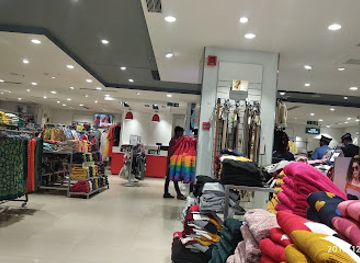
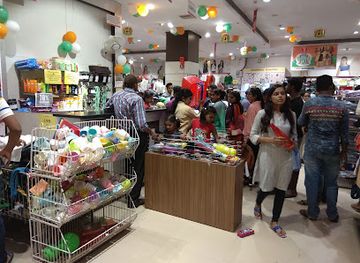
Shopping in Bihar is strongest in its market towns and city bazaars rather than in large destination malls. Patna has the broadest range of modern retail, bookshops, handicrafts and regional food products, alongside traditional markets selling textiles, utensils, sweets and household goods. Bodh Gaya offers Buddhist devotional objects, prayer items, books, textiles and handicrafts connected with the international pilgrimage community, although quality and prices vary. Around Nalanda and Rajgir, visitors can look for local sweets such as khaja and simple religious souvenirs. Madhubani and Mithila painting traditions are associated particularly with north Bihar, and reputable galleries or craft outlets are preferable to rushed roadside purchases when seeking authentic work. Sikki grass craft, handloom textiles and locally produced foods may also appear in regional markets. Bargaining is common in informal bazaars, but it should be conducted courteously; packaged sweets and food products are easier to transport when bought from established shops.
-
 Clothing store
Chitralekha Shopping Mall
Explore a vibrant shopping experience at Chitralekha Shopping Mall in Bettiah, where fashion meets tradition for all ages.
-
Shopping mall
Patna One Plaza
Discover the ultimate shopping and entertainment experience at Patna One Plaza, the city's premier mall for all your retail and dining needs.
-
Clothing store
V2 Mall
Discover V2 Mall in Patna, a lively shopping haven offering diverse fashion, delectable dining, and exciting entertainment options for every visitor.
-
Clothing store
V-Mart - Boring Road-Patna
Explore V-Mart in Patna for a diverse shopping experience with affordable clothing, convenience items, and unique finds in one vibrant location.

Get your free copy of our complete guide to Bihar, delivered straight to you.
Everything on this page, from attractions and restaurants to essentials and local phrases, in one PDF you can read offline, print or share.
Already have an account? Sign in
Your Bihar guide is ready.
We'll send it to · Not you? Sign out

Getting your guide ready…
We are putting together a fresh copy of the Bihar guide. This can take up to a minute.
This can take a few moments. If your browser asks, choose Allow so the download can start. You'll find the guide in your Downloads folder.
Nothing happened? Download it again
Sorry, the guide is taking longer than usual. Please try again in a minute, or get it by email instead.
Bihar essentials
Currency and Payment
Safety
Emergency Situations
Do's and Don'ts
Local Tips
From Eve
Local phrases worth knowing
You don't need to get them perfect. A few words go a long way, and locals appreciate the effort.
Basics
| English | Local | Say it |
|---|---|---|
| Hello | नमस्ते | [Namaste] |
| Goodbye | अलविदा | [Alvida] |
| Yes | हां | [Haan] |
| No | नहीं | [Nahin] |
| Please/You're welcome | कृपया/स्वागत है | [Kripya/Swagat hai] |
| Thank you | धन्यवाद | [Dhanyavaad] |
| Excuse me/Sorry | माफ कीजिए/क्षम करें | [Maaf kijiye/Ksham karen] |
| How are you? | आप कैसे हैं? | [Aap kaise hain?] |
| Fine. And you? | ठीक हूँ। और आप? | [Theek hoon. Aur aap?] |
| Do you speak English? | क्या आप अंग्रेजी बोलते हैं? | [Kya aap Angrezi bolte hain?] |
| I don't understand | मुझे समझ नहीं आया | [Mujhe samajh nahin aaya] |
Eating & Drinking
| English | Local | Say it |
|---|---|---|
| I'd like to see the menu, please | कृपया मेन्यू दिखाइए | [Kripya menu dikhaiye] |
| I don't eat meat | मैं मांस नहीं खाता/खाती | [Main maans nahin khata/khati] |
| Cheers! | सुखद भोजन! | [Sukhada bhojan!] |
| I would like to pay, please | कृपया, मैं भुगतान करना चाहूंगा/चाहूंगी | [Kripya, main bhugtaan karna chahunga/chahungi] |
Emergencies
| English | Local | Say it |
|---|---|---|
| Help! | मदद! | [Madad!] |
| Go away! | दूर जाओ! | [Door jao!] |
| Call the Police! | पुलिस को बुलाओ! | [Police ko bulao!] |
| Call a doctor! | डॉक्टर को बुलाओ! | [Doctor ko bulao!] |
| I'm lost | मैं खो गया/गई हूँ | [Main kho gaya/gayi hoon] |
| I'm ill | मैं बीमार हूँ | [Main bimaar hoon] |
Shopping
| English | Local | Say it |
|---|---|---|
| I'd like to buy... | मैं खरीदना चाहूंगा... | [Main kharidna chahunga...] |
| I'm just looking | मैं बस देख रहा/रही हूँ | [Main bas dekh raha/rahi hoon] |
| How much is it? | यह कितने का है? | [Yah kitne ka hai?] |
| That's too expensive | यह बहुत महंगा है | [Yah bahut mehnga hai] |
| Can you lower the price? | क्या आप कीमत कम कर सकते हैं? | [Kya aap keemat kam kar sakte hain?] |
Time & Numbers
| English | Local | Say it |
|---|---|---|
| What time is it? | कितने बजे हैं? | [Kitne baje hain?] |
| It's one o'clock | यह एक बजे हैं | [Yah ek baje hain] |
| Half past (10) | साढ़े (10) | [Saade (10)] |
| Morning | सुबह | [Subah] |
| Afternoon | दोपहर | [Dopahar] |
| Evening | शाम | [Shaam] |
| Yesterday | कल | [Kal] |
| Today | आज | [Aaj] |
| Tomorrow | कल | [Kal] |
| 1 | 1 | [1] |
| 2 | 2 | [2] |
| 3 | 3 | [3] |
| 4 | 4 | [4] |
| 5 | 5 | [5] |
| 6 | 6 | [6] |
| 7 | 7 | [7] |
| 8 | 8 | [8] |
| 9 | 9 | [9] |
| 10 | 10 | [10] |
Transport & Directions
| English | Local | Say it |
|---|---|---|
| Where's a/the...? | कहाँ है ...? | [Kahan hai ...?] |
| What's the address? | पता क्या है? | [Pata kya hai?] |
| Can you show me (on the map)? | क्या आप मुझे (नक्शे पर) दिखा सकते हैं? | [Kya aap mujhe (nakshe par) dikha sakte hain?] |
| When's the next (bus)? | अगली (बस) कब है? | [Agli (bus) kab hai?] |
| A ticket (to ....) | एक टिकट (.... के लिए) | [Ek ticket (.... ke liye)] |
History of Bihar
Early Settlements and the Rise of Magadha
The middle Ganges basin was inhabited and cultivated long before written history, with archaeological evidence of early villages, farming and expanding settlements. From the first millennium BCE, Magadha emerged in what is now southern Bihar, helped by fertile land, access to river routes, forest resources and nearby mineral zones. Its rulers gradually absorbed neighbouring territories, and settlements such as Rajgir and later Pataliputra became centres of political power. The growth of states in this region was closely connected with the wider urbanisation of northern India and the development of new religious and philosophical movements.
Buddha, Mahavira and the Sixth-Century BCE Religious Landscape
Bihar was central to the lives and teachings of both Siddhartha Gautama, the Buddha, and Vardhamana Mahavira, the twenty-fourth Jain Tirthankara. Bodh Gaya is traditionally identified as the place where the Buddha attained enlightenment, while Rajgir, Vaishali and surrounding areas were important settings for Buddhist activity. Mahavira was born in the wider ancient region associated with Vaishali and attained liberation at Pawapuri. Their movements challenged older religious assumptions and established Bihar as one of the principal landscapes of Buddhist and Jain pilgrimage.
Pataliputra and the Mauryan Empire
Pataliputra, near present-day Patna, became the capital of the Mauryan Empire and one of the largest political centres of the ancient world. Under Chandragupta Maurya and his successors, imperial administration extended across much of the Indian subcontinent. Ashoka’s reign is especially significant for Bihar because his patronage helped spread Buddhism and left a lasting tradition of pillars, stupas and monastic institutions. Archaeological remains around Patna, together with the Ashokan and Buddhist associations of sites such as Vaishali, preserve fragments of this formative imperial period.
Nalanda and the Age of Buddhist Scholarship
Nalanda developed into one of the most influential monastic and intellectual institutions of early medieval Asia. Beginning in the Gupta period and flourishing for centuries, it attracted students and teachers from different parts of India and from countries farther east. Philosophy, logic, grammar, medicine and Buddhist studies were among the subjects associated with its scholarly life. The extensive brick ruins at Nalanda show the scale of its monasteries, shrines and teaching spaces. Its decline followed political upheavals and the destruction of monastic centres in the late twelfth and early thirteenth centuries, but its intellectual legacy remains internationally significant.
Medieval Buddhist, Hindu and Jain Centres
After the Gupta era, Bihar remained a contested and culturally active region under several dynasties, including the Palas, whose patronage supported Buddhism and institutions such as Vikramshila. Founded near the Ganges in the present-day Bhagalpur area, Vikramshila became a major centre of tantric Buddhist learning and scholarship. Hindu and Jain traditions also continued to shape towns, pilgrimage routes and sacred landscapes. The surviving remains at Vikramshila, Pawapuri, Rajgir and other sites reflect the coexistence and changing fortunes of several religious communities across medieval Bihar.
Colonial Rule, Agriculture and the Indigo Rebellion
Bihar came under expanding British influence and administration during the eighteenth and nineteenth centuries, when land revenue systems and commercial agriculture transformed rural life. Indigo cultivation in the Champaran district placed severe pressure on cultivators, who were compelled to grow the crop under exploitative arrangements. In 1917, Mahatma Gandhi’s Champaran Satyagraha investigated their grievances and became an important episode in India’s freedom movement. The campaign linked local agrarian distress with wider anti-colonial politics, and Champaran remains one of Bihar’s most important modern historical landscapes.
Independence, State Formation and Contemporary Bihar
Bihar became part of independent India in 1947 and has since experienced major political, demographic and economic changes. The creation of Jharkhand in 2000 altered the state’s boundaries, removing many mineral-rich southern districts and leaving Bihar more strongly defined by the Gangetic plain and agriculture. Patna expanded as the administrative and commercial centre, while new roads, bridges, educational institutions and tourism infrastructure improved access to several heritage destinations. Contemporary Bihar continues to balance rapid urbanisation and migration with enduring pilgrimage traditions, rural economies and a strong sense of historical identity.
Bihar in Photos
Browse through our photo collection highlighting the charm and character of the destination.
Neighbouring regions of Bihar
The closest regions to Bihar, if you have time for more than one.
-

-

-

-

-


Swipe for more regions
Explore more

Explore more of India
Discover the magic of India, where diverse landscapes, rich heritage, and vibrant culture come together to create an unforgettable travel experience.
Explore India