

Roopmati Pavilion Travel Guide
Free Guide: Roopmati Pavilion: Witness the timeless tale of love and sacrifice amidst the stunning Afghan architecture of Mandu.


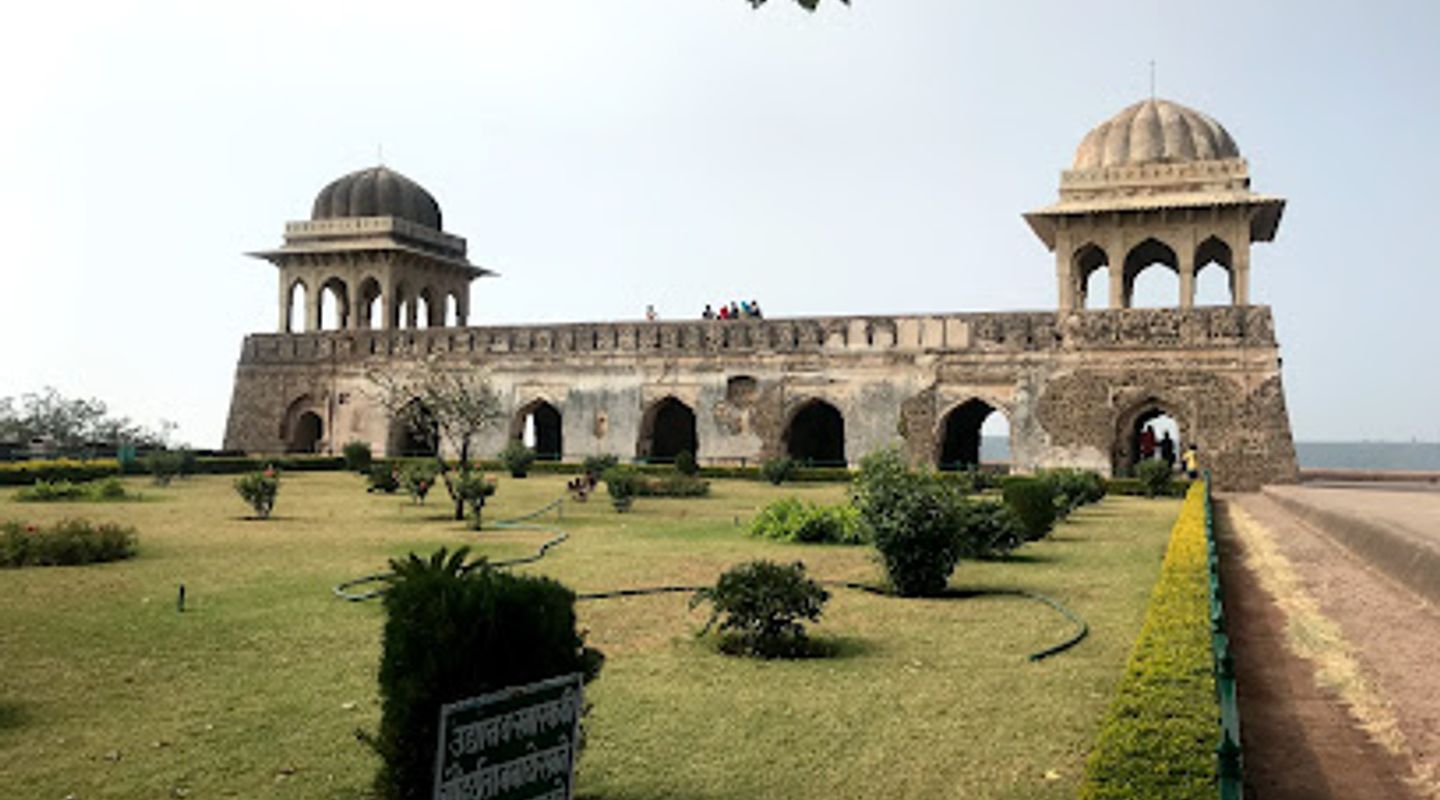
A brief summary of Roopmati Pavilion
Roopmati Pavilion: Witness the timeless tale of love and sacrifice amidst the stunning Afghan architecture of Mandu.
Perched on a cliff in Mandu, Madhya Pradesh, Roopmati Pavilion is a sandstone structure offering panoramic views of the Narmada River valley. Originally an army observation post, it was transformed into a retreat for Rani Roopmati, the beloved consort of Sultan Baz Bahadur, immortalizing their tragic love story.
Opening hours
- Every day7 am–7 pm
Opening hours as listed on the venue’s Google Business Profile. Hours can change for services and special events, so check with the venue before you go.
- Address
- 8C66+529, Mandav, Madhya Pradesh 454010
- Phone
- Website
Getting there
Walking
Public Transport
Taxi/Ride-share
Discover more about Roopmati Pavilion
Overview
Roopmati Pavilion stands as a poignant reminder of a legendary romance amidst the historical ruins of Mandu. Constructed in the 16th century, the pavilion was initially built as an army observation post, offering strategic views of the surrounding Nimar Valley. Later, it was converted into a retreat for Rani Roopmati, a Hindu singer and poetess, so she could view the Narmada River, which she revered.The love story of Rani Roopmati and Sultan Baz Bahadur is central to the pavilion's allure. Baz Bahadur, the last independent ruler of Mandu, was captivated by Roopmati's enchanting voice and beauty. She agreed to accompany him to Mandu on the condition that she could reside in a palace with a view of the Narmada. The pavilion was thus constructed, allowing her to continue her devotion to the river.The architecture of Roopmati Pavilion reflects a blend of Afghan and Mughal styles, showcasing the aesthetic amalgamation of the era. The sandstone structure comprises a large hall and two rooms on each side, with arched openings and a heavy sloping base. A reservoir collected rainwater during the monsoon season. The pavilion's strategic location offers breathtaking views of the Narmada River flowing 305 meters below.The tragic end to their love story adds to the pavilion's mystique. Mughal Emperor Akbar, upon hearing of Roopmati's beauty, sent Adham Khan to conquer Mandu. Baz Bahadur was defeated, and Roopmati, to avoid capture and dishonor, poisoned herself. Today, the pavilion stands as a symbol of their undying love and sacrifice.Managed by the Archaeological Survey of India, the Roopmati Pavilion is a must-visit destination in Mandu. Visitors can explore the pavilion's architecture, learn about its history, and immerse themselves in the tragic love story of Rani Roopmati and Baz Bahadur. The panoramic views of the Narmada Valley, especially during sunset, are a sight to behold.
Evendo Review Centre
 Google
Guest reviews
Explore Roopmati Pavilion on the map
A handpicked selection of must-see spots near Roopmati Pavilion, mapped for you.
Get your free copy of our complete guide to Roopmati Pavilion, delivered straight to you.
Everything on this page, from opening hours and how to get there to Eve’s tips and the best time to go, in one PDF you can read offline, print or share.
Already have an account? Sign in
Your Roopmati Pavilion guide is ready.
We'll send it to · Not you? Sign out

Getting your guide ready…
We are putting together a fresh copy of the Roopmati Pavilion guide. This can take up to a minute.
This can take a few moments. If your browser asks, choose Allow so the download can start. You'll find the guide in your Downloads folder.
Nothing happened? Download it again
Sorry, the guide is taking longer than usual. Please try again in a minute, or get it by email instead.
Unlock the best of Roopmati Pavilion
Skip-the-line tickets, guided tours with entry, and walking tours of the area, booked in a few clicks.
 Tour with entry
Mystical Mandu: A Historic Journey from Indore
from $118.75 Tour with entry
Indore to Mandu and Maheshwar: A Heritage Day Tour
from $149.15 Tour with entry
Mandu Private Day Tour from Indore with Entrances
from $167.81 Tour with entry
Explore Mandu's Architectural Marvels And Romantic Legends
from $185.25

Other nearby places you may find interesting
The closest places of the same kind, if this one is not quite what you had in mind.
-
-
-
-
-


Swipe for more places
More to explore near Roopmati Pavilion

 Best experiences near Roopmati Pavilion
 Best hotels near Roopmati Pavilion
 Best landmarks near Roopmati Pavilion
 Best attractions near Roopmati Pavilion
 Best shops near Roopmati Pavilion
 Best restaurants near Roopmati Pavilion
 Best bars near Roopmati Pavilion
Do you manage this location?
Take control to get all the benefits, like improved information, better appearance, and stronger visibility across AI-powered discovery.
Explore more

Explore more of Central India
Explore Central India: A region rich in history, wildlife, and culture, offering a blend of ancient temples, lush forests, and vibrant local traditions.
Explore Central India
Explore more of India
Discover the magic of India, where diverse landscapes, rich heritage, and vibrant culture come together to create an unforgettable travel experience.
Explore India
