

Free Central India Travel Guide & Mobile App
Explore Central India with free travel guides. Discover regional history, expert tips, proposed trips, and audio guides on web or mobile app.


Explore Central India for tiger reserves, Buddhist monuments, medieval towns, forest landscapes and distinctive Madhya Pradesh and Chhattisgarh cuisine.
Read more about Central India
When is the best time to visit Central India?
Best: December–February · 22–26°C| Month | High (°C) | Rainfall (mm) |
|---|---|---|
| January (best) | 22 | 1 |
| February (best) | 26 | 2 |
| March | 32 | 3 |
| April | 38 | 3 |
| May | 41 | 6 |
| June | 37 | 30 |
| July | 34 | 46 |
| August | 33 | 37 |
| September | 33 | 25 |
| October | 31 | 6 |
| November | 28 | 2 |
| December (best) | 23 | 1 |
Getting to and around Central India
How to get there
Transportation
Top city travel guides in Central India
The cities of Central India, and the easiest places to base yourself.
-

-

-

-

-

-


Swipe for more cities
Destinations in Central India
Resorts, valleys and scenic spots worth a trip of their own.
-

-

-


Swipe for more destinations
Best attractions in Central India
Central India's attractions range from internationally recognised heritage sites to broad forest landscapes. Sanchi's Buddhist monuments and the prehistoric shelters at Bhimbetka provide exceptionally important archaeological experiences, while Khajuraho, Orchha, Mandu, Ujjain and Maheshwar reveal different phases of religious, courtly and urban history. Wildlife is another major draw: Kanha, Bandhavgarh, Pench, Panna and Satpura offer guided excursions through varied dry-deciduous habitats, with opportunities to see tigers and other native species without treating sightings as guaranteed. Pachmarhi adds hill scenery, ravines and viewpoints in the Satpuras. Chhattisgarh brings a more forested and less concentrated visitor landscape, including Kanger Valley National Park, limestone caves, tribal-region cultural settings and the Chitrakote waterfall. Museums, craft traditions, riverfronts and food markets in Bhopal, Indore, Raipur and Jabalpur provide urban counterpoints to the region's monuments and reserves.
-
Hindu temple
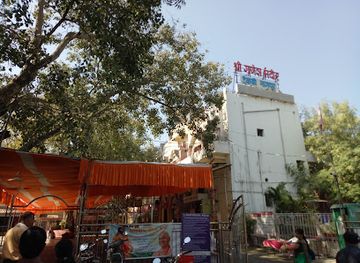
Shri Ganesh Mandir Tekdi
Visit the revered Shri Ganesh Mandir Tekdi in Nagpur, a 250-year-old temple on a hill, dedicated to Lord Ganesha, the remover of obstacles.
-
National park
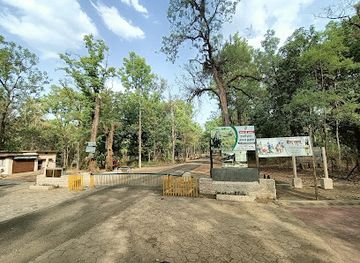
Satpura National Park
Explore Satpura National Park: A diverse landscape offering unique walking safaris and rich biodiversity in Madhya Pradesh.
-
National park
Kanha Tiger Reserve
Explore Kanha Tiger Reserve, Madhya Pradesh: a diverse landscape of wildlife, lush forests, and conservation success, inspiring Kipling's 'The Jungle Book'.
-
Zoo
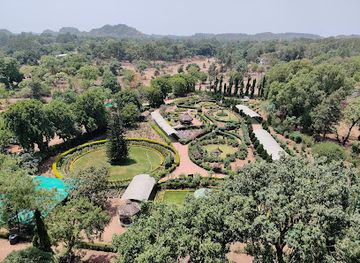
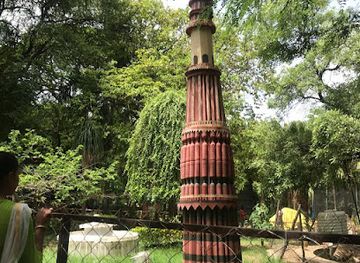
Maharaj Bagh Zoo
Discover Nagpur's natural heritage at Maharaj Bagh Zoo, a historic garden and zoological park in the heart of the city.
Best landmarks in Central India
Central India's most recognisable landmarks reflect both ancient belief and the region's dramatic terrain. The great Buddhist stupas and carved gateways at Sanchi form a visually coherent hilltop complex, while Bhimbetka's sandstone shelters preserve a much earlier record of human expression. The temple groups at Khajuraho are distinguished by their detailed medieval sculpture, and Orchha's riverside cenotaphs create a memorable silhouette along the Betwa. Mandu's Jahaz Mahal and other palace ruins occupy a windswept plateau associated with the Malwa sultanate; the setting is as important as the architecture. Ujjain's Mahakaleshwar temple is a major living pilgrimage landmark, though visitors should follow current access rules. Natural landmarks include the Narmada valley, Pachmarhi's Satpura escarpments, Chitrakote waterfall in Chhattisgarh and the forested limestone landscapes of Kanger Valley.
-
Historical landmark
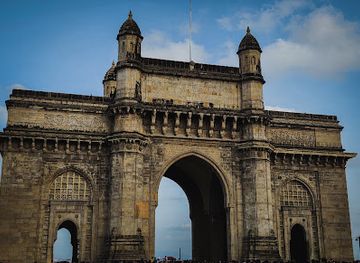
Gateway Of India Mumbai
Explore the majestic Gateway of India, a historical landmark that embodies Mumbai's rich heritage and offers stunning views of the Arabian Sea.
-
 Monument
India Gate
Visit India Gate in New Delhi: A magnificent war memorial surrounded by lush gardens, reflecting the bravery of soldiers and India's rich history.
-
Monument
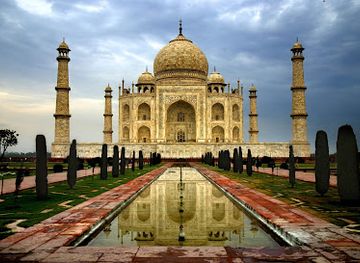
Taj Mahal
Experience the awe-inspiring Taj Mahal, a UNESCO World Heritage Site and a symbol of eternal love, nestled in the heart of Agra, India.
-
Castle
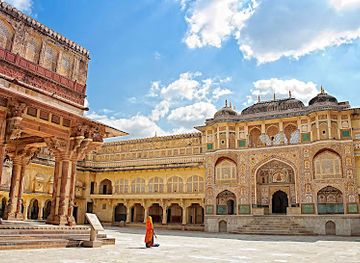
Amber Palace
Discover the timeless beauty of Amber Palace, a majestic fortress showcasing Rajasthan's rich heritage and architectural brilliance.
Explore Central India on the map
Plan your trip on one map. See where the top cities, national parks and sights are, and book hotels and experiences in a few clicks.
Best hotels in Central India
Best restaurants in Central India
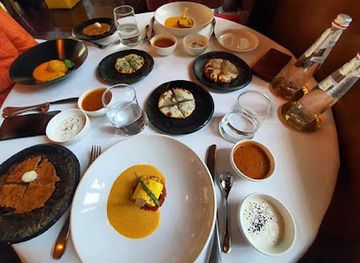
Central Indian food is hearty, grain-based and strongly regional, although recipes vary between Madhya Pradesh, Chhattisgarh, urban centres and rural communities. Madhya Pradesh is known for breakfasts and snacks such as poha with jalebi, Indore's savoury street-food culture, corn-based bhutte ka kees and dal bafla, a baked or boiled wheat preparation served with lentils and ghee. Bhopal has a notable tradition of meat dishes alongside vegetarian cooking. Chhattisgarh's cuisine includes rice-based chila and fara, vegetables, lentil preparations and the sour, hearty stew known as aamat. Look for thalis, vegetarian restaurants, small street-food stalls, tea shops, traditional sweets, market produce and regional millet or rice dishes. In wildlife destinations, dining is often centred on lodges and simple local eateries, while Indore, Bhopal and Raipur offer the broadest choice of contemporary Indian and international food.
-
Indian
Indian Accent
Experience the fusion of traditional and contemporary flavors at Indian Accent in New Delhi's fine dining scene.
-
South Indian
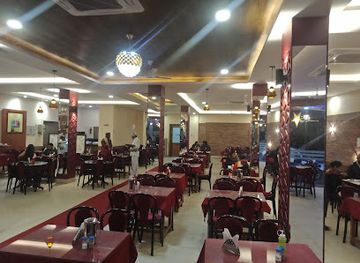
Indian Coffee House
Experience the rich flavors of South India at Jabalpur's iconic Indian Coffee House - where tradition meets taste.
-
Indian
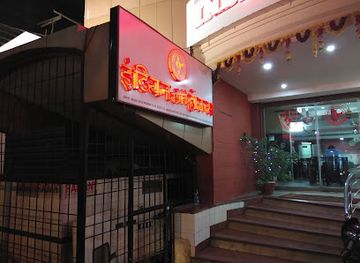
Indian Coffee House Jabalpur
Experience the rich flavors and vibrant atmosphere at Indian Coffee House Jabalpur - where tradition meets taste in every cup.
-
Restaurant
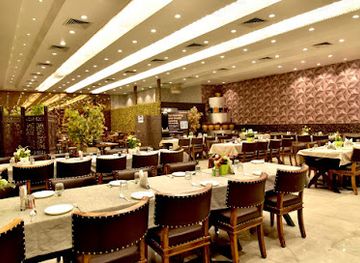
Darbar veg restaurant
Discover authentic vegetarian flavors at Darbar Veg Restaurant in Jabalpur—where taste meets tradition.
Best bars in Central India
Evening life in Central India is generally more subdued than in India's largest metropolitan destinations. In Bhopal, Indore, Raipur and Jabalpur, visitors will find hotel bars, contemporary restaurants, breweries or lounges, with the greatest concentration of late-evening options in Indore and Raipur. Traditional tea stalls, sweet shops and family restaurants remain more characteristic in smaller towns, while historic or pilgrimage destinations often quieten after temple and market hours. Wildlife lodges usually offer relaxed communal dining rather than a club scene, and rural areas may have few licensed venues. Alcohol regulations and serving arrangements differ by state and establishment, so visitors should check locally rather than assume that a venue or service is available. Live music and cultural performances may be found in larger urban centres, but event schedules are changeable.
-
Pub
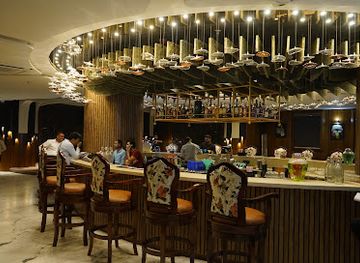
On The Rocks - Restobar & Lounge - Mahal
Discover the vibrant culinary scene at On The Rocks, Mahal, where delicious cuisine meets stunning views and lively entertainment.
-
Lounge
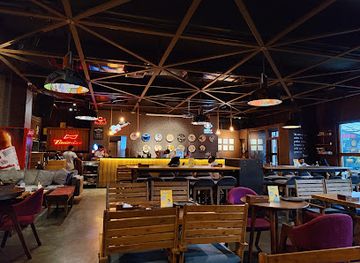
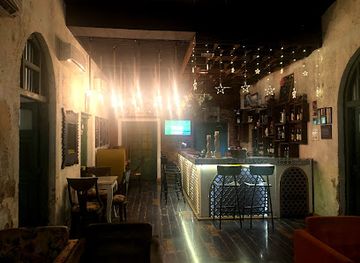
Pablo - The Art Cafe' & Lounge
Discover the vibrant fusion of art and cuisine at Pablo - The Art Cafe' & Lounge in Nagpur, where every dish is a masterpiece.
-
Bar
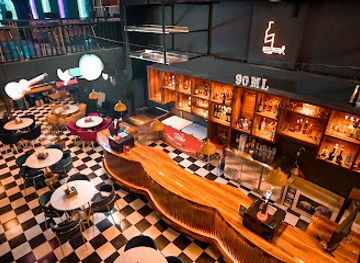
90 ML
Discover the vibrant nightlife at 90 ML, Nagpur's premier bar and restaurant, perfect for unwinding with drinks and delicious food.
-
Grill
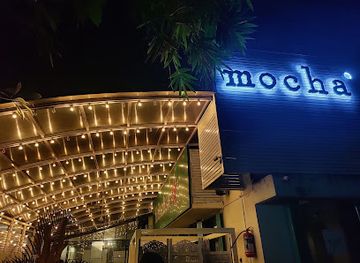
Mocha Cafe & Bar
Discover the vibrant flavors of Mocha Cafe & Bar in Nagpur, where grilled specialties and artisanal coffee meet a lively ambiance.
Best nightclubs in Central India
Evening life in Central India is generally more subdued than in India's largest metropolitan destinations. In Bhopal, Indore, Raipur and Jabalpur, visitors will find hotel bars, contemporary restaurants, breweries or lounges, with the greatest concentration of late-evening options in Indore and Raipur. Traditional tea stalls, sweet shops and family restaurants remain more characteristic in smaller towns, while historic or pilgrimage destinations often quieten after temple and market hours. Wildlife lodges usually offer relaxed communal dining rather than a club scene, and rural areas may have few licensed venues. Alcohol regulations and serving arrangements differ by state and establishment, so visitors should check locally rather than assume that a venue or service is available. Live music and cultural performances may be found in larger urban centres, but event schedules are changeable.
-
Lounge
The East India Company - The Restro Lounge
Experience the fusion of tradition and modernity at The East India Company - a top-notch lounge and restaurant in Nagpur offering exquisite cuisine.
-
Pub
KYRO Cafe & Club
Discover the vibrant nightlife of Indore at KYRO Cafe & Club, where great food, drinks, and music come together for an unforgettable experience.
-
Disco club
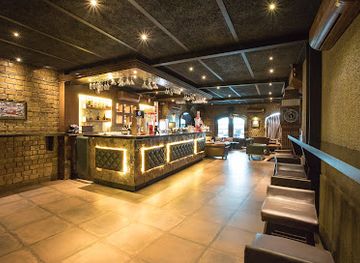
V Club & Lounge
Experience the vibrant nightlife at V Club & Lounge in Bhopal, where excellent drinks and electrifying music create unforgettable memories.
-
Night club
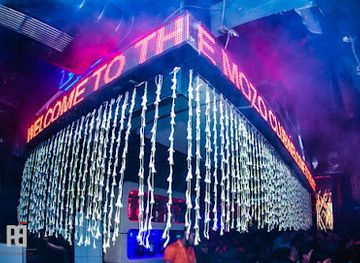
The Mozo Night Club
Discover the vibrant nightlife of Gurugram at The Mozo Night Club, a hub for music, dance, and unforgettable experiences in the heart of the city.

Best shops in Central India
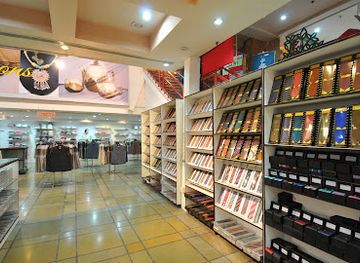
Shopping in Central India is strongest in market towns and city bazaars rather than in a single continuous retail district. Indore is known for food markets and busy commercial streets, Bhopal combines modern retail with old-city bazaars, and Raipur serves as an important commercial centre for Chhattisgarh. Visitors can look for handloom textiles, block-printed or woven fabrics, bell-metal work, terracotta, bamboo products, tribal-inspired art and locally produced food items, though designs and production traditions differ between communities. Markets around heritage and pilgrimage destinations sell religious objects, textiles, sweets and everyday goods, while craft outlets and museums can provide more reliable context and provenance. Maheshwar is particularly associated with handwoven saris and textiles. Buy responsibly: avoid antiquities, animal products and objects presented as archaeological finds, and ask whether a craft has been made locally before paying a premium.
-
Shopping mall
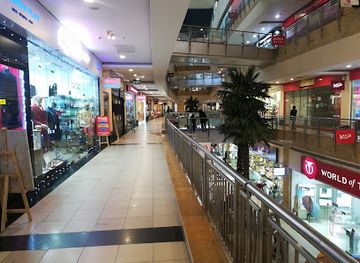
The Great India Place
Explore a vast shopping paradise at The Great India Place – where retail, dining, and entertainment come together in Noida.
-
Craft store
Central Cottage Industries Emporium
Discover the essence of Indian craftsmanship at Central Cottage Industries Emporium, your ultimate destination for unique souvenirs and artisanal treasures.
-
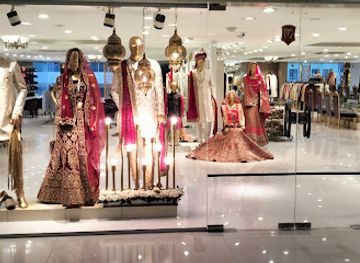
Clothing store
Manyavar & Mohey
Explore Manyavar & Mohey in Jabalpur, where tradition meets modern style in exquisite clothing for every occasion.
-
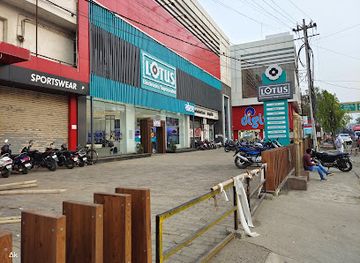
Electronics store
Lotus Electronics
Explore the latest technology and home appliances at Lotus Electronics in Jabalpur, your go-to destination for quality electronics.
Get your free copy of our complete guide to Central India, delivered straight to you.
Everything on this page, from attractions and restaurants to essentials and local phrases, in one PDF you can read offline, print or share.
Already have an account? Sign in
Your Central India guide is ready.
We'll send it to · Not you? Sign out

Getting your guide ready…
We are putting together a fresh copy of the Central India guide. This can take up to a minute.
This can take a few moments. If your browser asks, choose Allow so the download can start. You'll find the guide in your Downloads folder.
Nothing happened? Download it again
Sorry, the guide is taking longer than usual. Please try again in a minute, or get it by email instead.
Central India essentials
Currency and Payment
Safety
Emergency Situations
Do's and Don'ts
Local Tips
From Eve
Local phrases worth knowing
You don't need to get them perfect. A few words go a long way, and locals appreciate the effort.
Basics
| English | Local | Say it |
|---|---|---|
| Hello | नमस्ते | [Namaste] |
| Goodbye | अलविदा | [Alvida] |
| Yes | हाँ | [Haan] |
| No | नहीं | [Nahin] |
| Please/You’re welcome | कृपया/आपका स्वागत है | [Kripya/Aapka swagat hai] |
| Thank you | धन्यवाद | [Dhanyavaad] |
| Excuse me/Sorry | माफ कीजिए | [Maaf kijiye] |
| How are you? | आप कैसे हैं? | [Aap kaise hain?] |
| Fine. And you? | अच्छा। और आप? | [Achha. Aur aap?] |
| Do you speak English? | क्या आप अंग्रेज़ी बोलते हैं? | [Kya aap Angrezi bolte hain?] |
| I don't understand | मुझे समझ में नहीं आता | [Mujhe samajh mein nahin aata] |
Eating & Drinking
| English | Local | Say it |
|---|---|---|
| I’d like to see the menu, please | कृपया मेन्यू दिखाइए | [Kripya menu dikhaiye] |
| I don’t eat meat | मैं मांस नहीं खाता/खाती | [Main maans nahin khata/khati] |
| Cheers! | चियर्स! | [Cheers!] |
| I would like to pay, please | कृपया, मैं भुगतान करना चाहूंगा/चाहूंगी | [Kripya, main bhugtan karna chahunga/chahungi] |
Emergencies
| English | Local | Say it |
|---|---|---|
| Help! | मदद! | [Madad!] |
| Go away! | चले जाओ! | [Chale jao!] |
| Call the Police! | पुलिस को बुलाओ! | [Police ko bulao!] |
| Call a doctor! | डॉक्टर को बुलाओ! | [Doctor ko bulao!] |
| I’m lost | मैं खो गया हूँ/खो गई हूँ | [Main kho gaya hoon/kho gayi hoon] |
| I’m ill | मैं बीमार हूँ | [Main bimaar hoon] |
Shopping
| English | Local | Say it |
|---|---|---|
| I’d like to buy... | मैं ... खरीदना चाहूंगा/चाहूंगी | [Main ... kharidna chahunga/chahungi] |
| I’m just looking | मैं बस देख रहा हूँ/रही हूँ | [Main bas dekh raha hoon/rahi hoon] |
| How much is it? | यह कितने का है? | [Yah kitne ka hai?] |
| That’s too expensive | यह बहुत महंगा है | [Yah bahut mehenga hai] |
| Can you lower the price? | क्या आप कीमत कम कर सकते हैं? | [Kya aap keemat kam kar sakte hain?] |
Time & Numbers
| English | Local | Say it |
|---|---|---|
| What time is it? | क्या समय हुआ है? | [Kya samay hua hai?] |
| It’s one o'clock | यह एक बजे है | [Yah ek baje hai] |
| Half past (10) | साढ़े (10) | [Saade (10)] |
| Morning | सुबह | [Subah] |
| Afternoon | दोपहर | [Dopahar] |
| Evening | शाम | [Shaam] |
| Yesterday | कल | [Kal] |
| Today | आज | [Aaj] |
| Tomorrow | कल | [Kal] |
| 1 | 1 | [1] |
| 2 | 2 | [2] |
| 3 | 3 | [3] |
| 4 | 4 | [4] |
| 5 | 5 | [5] |
| 6 | 6 | [6] |
| 7 | 7 | [7] |
| 8 | 8 | [8] |
| 9 | 9 | [9] |
| 10 | 10 | [10] |
Transport & Directions
| English | Local | Say it |
|---|---|---|
| Where's a/the...? | कहाँ है ...? | [Kahaan hai ...?] |
| What's the address? | पता क्या है? | [Pata kya hai?] |
| Can you show me (on the map)? | क्या आप मुझे (नक्शे पर) दिखा सकते हैं? | [Kya aap mujhe (nakshae par) dikha sakte hain?] |
| When's the next (bus)? | अगली (बस) कब है? | [Agli (bus) kab hai?] |
| A ticket (to ....) | एक टिकट (.... के लिए) | [Ek ticket (.... ke liye)] |
History of Central India
Prehistoric Rock Art at Bhimbetka
The rock shelters of Bhimbetka, south of Bhopal, preserve paintings and archaeological evidence associated with human occupation over a very long period, including the Palaeolithic and later Stone Age. Scenes of animals, hunting, ritual activity and daily life appear on sandstone walls and ceilings. The shelters demonstrate that central India's forests and plateaux have supported human communities since deep prehistory. Their significance extends beyond the paintings themselves: the site helps visitors understand how early inhabitants used caves, water sources and surrounding woodland before the emergence of settled states.
Avanti, Buddhism and Early Historic Trade
The ancient kingdom of Avanti, with Ujjain as a major centre, connected northern, western and Deccan routes. The city became an important religious and commercial settlement, while the wider region was shaped by Mauryan and later dynastic rule. At Sanchi, Buddhist stupas, gateways and monasteries record the growth of Buddhism from the third century BCE onwards and the continuing importance of pilgrimage and patronage. Nearby Vidisha also flourished as a centre of trade and political influence. These sites reveal Central India's role as an interior crossroads rather than an isolated hinterland.
Medieval Kingdoms and Temple Architecture
From the early medieval period, the region was governed by several dynasties, including the Kalachuris, Paramaras and Chandellas. Their legacy survives in temple complexes, fortified settlements and sculptural traditions. The Chandella temples at Khajuraho, built mainly between the tenth and twelfth centuries, combine sophisticated architectural planning with elaborate religious and secular imagery. The Paramara capital at Mandu later became a major medieval centre, while Maheshwar and other Narmada settlements developed around pilgrimage, riverside trade and regional power.
Gond States and Forest Societies
Gond kingdoms exercised authority across substantial parts of central India during the medieval and early modern periods. Garha-Mandla and Deogarh were among the important Gond states, and their histories remain visible in forts, oral traditions and regional political memory. Forests were not empty spaces: they supported agriculture, hunting, gathering, trade and complex relationships between ruling houses and local communities. Later administrative systems often recast these societies through new land, forest and revenue policies, a legacy that continues to influence debates about conservation and rights.
Mughal, Afghan and Maratha Influence
Central India lay between major political zones and repeatedly changed hands. Mughal authority affected cities and routes, while Mandu's architecture reflects the period of the Malwa Sultanate, whose rulers developed palaces, mosques, reservoirs and pleasure buildings on the plateau. From the eighteenth century, Maratha powers became influential in Malwa and adjoining areas; Holkar rule left a particularly strong imprint on Indore and Maheshwar. These layers help explain the region's mixture of Islamic, Hindu, courtly and commercial architecture.
Colonial Rule, Railways and Princely States
During British rule, Central India was divided among directly administered territories, agencies and princely states, including Bhopal, Gwalior, Indore and Rewa. Railways, roads and forest administration altered patterns of trade and resource use, while cantonments and administrative towns introduced new architectural forms. Coal, minerals, timber and agricultural products became increasingly connected to wider markets. The region also participated in anti-colonial politics, although its experiences varied between princely territories and British-administered districts.
State Formation and Contemporary Central India
After independence, the region's political geography was reorganised several times. Madhya Pradesh took its present broad form in the 1950s, while Chhattisgarh became a separate state in 2000 after sustained demands for greater recognition of its cultural and regional identity. Contemporary Central India combines expanding cities, agricultural districts, protected forests, mining areas and large tribal populations. Wildlife conservation has brought international attention to its tiger reserves, while development, forest access and indigenous rights remain important parts of the region's modern story.
Central India in Photos
Browse through our photo collection highlighting the charm and character of the destination.
Neighbouring regions of Central India
The closest regions to Central India, if you have time for more than one.
-

-

-

-

-


Swipe for more regions
Explore more

Explore more of India
Discover the magic of India, where diverse landscapes, rich heritage, and vibrant culture come together to create an unforgettable travel experience.
Explore India