

Hauz Khas Village (Delhi) Travel Guide - Free
Explore Hauz Khas Village in Delhi with Evendo's free guide. Find the best shops, historic streets, restaurants, and gems on web or mobile.


Hauz Khas Village in Delhi pairs medieval tombs and a historic reservoir with galleries, boutiques, cafés, restaurants and lively South Delhi nightlife.
History beside the Water
Hauz Khas Village occupies a compact, atmospheric pocket of South Delhi where the remains of a medieval reservoir meet a contemporary arts and dining quarter. Its name refers to the royal water tank, or hauz, associated with Alauddin Khalji's city of Siri; the surrounding monuments were developed and expanded during the reign of Firoz Shah Tughlaq in the fourteenth century. Today, stone ruins, domed tombs and arcaded pavilions overlook the water while narrow lanes climb away into a dense cluster of cafés, restaurants, galleries, boutiques and nightlife venues.Read more about Hauz Khas Village
A Creative Enclave
Best attractions in Hauz Khas Village
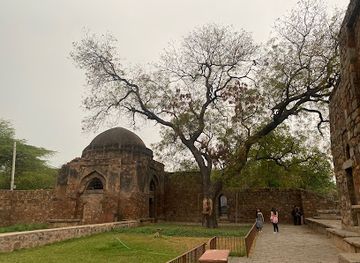
The principal attraction is the Hauz Khas monument complex, where the broad reservoir is framed by the remains of Firoz Shah Tughlaq's madrasa, a domed tomb and arcaded pavilions. The stone terraces and open views across the water create a striking archaeological landscape within dense South Delhi. Visitors can then follow the lanes into Hauz Khas Village, browsing its small galleries, design shops and cultural spaces or pausing at cafés with views towards the ruins where available. Nearby Deer Park offers a contrasting experience of lawns, mature trees and informal walking paths, although it is a separate green space rather than part of the medieval complex. The appeal lies in moving between these distinct settings: a Sultanate-era water landscape, a contemporary creative enclave and a leafy urban park, all within a relatively small area.
-
Tourist attraction
Hauz Khas District Park
Discover Delhi's serene escape: Hauz Khas District Park, where history meets nature in a sprawling urban oasis.
14 min walk · 1.2 km from neighbourhood centre
-
Park
Deer Park
Discover Delhi's tranquil Deer Park: a blend of nature, history, and serene landscapes in the heart of Hauz Khas.
11 min walk · 0.9 km from neighbourhood centre
-
Tourist attraction
Deer Park Lake
Discover Delhi's green heart: Deer Park offers nature, history, and tranquility in the bustling Hauz Khas area.
14 min walk · 1.1 km from neighbourhood centre
-
Tourist attraction
Hauz Khas Complex
Explore Hauz Khas Complex: A historical gem in Delhi blending 13th-century ruins with modern cafes, art, and culture in a vibrant urban village.
9 min walk · 0.7 km from neighbourhood centre


Best landmarks in Hauz Khas Village
Hauz Khas's central landmarks are the medieval water tank and the group of buildings on its eastern side attributed to the Firoz Shah Tughlaq period. The madrasa's arcaded ranges step along the edge of the reservoir, while the ruler's tomb and associated pavilions create a layered composition of domes, stone columns and open terraces. These structures are significant not simply as isolated ruins but as evidence of the Delhi Sultanate's relationship with water, education, royal authority and urban expansion. The contrast between weathered masonry and the modern commercial buildings of Hauz Khas Village is itself a defining visual feature. Deer Park, immediately nearby, is a later urban landscape rather than a medieval monument, but it helps preserve a sense of open space around a site otherwise surrounded by South Delhi's dense development.
-
Park
Hauz Khas District Park
Discover the serene beauty and historical charm of Hauz Khas District Park, a perfect urban escape in New Delhi.
14 min walk · 1.2 km from neighbourhood centre
-
Historical landmark
Hauz Khas Fort
Discover the rich history and serene beauty of Hauz Khas Fort in New Delhi, a perfect blend of heritage and nature for every traveler.
9 min walk · 0.7 km from neighbourhood centre
-
Park
Deer Park Lake
Experience the tranquil beauty of Deer Park Lake in New Delhi, a perfect blend of nature and history for a rejuvenating escape.
14 min walk · 1.1 km from neighbourhood centre
-
Historical landmark
Hauz Khas Complex
Discover the enchanting Hauz Khas Complex, a historical landmark blending ancient ruins, picturesque parks, and vibrant culture in New Delhi.
9 min walk · 0.7 km from neighbourhood centre



Explore Hauz Khas Village on the map
A handpicked selection of must-see spots in Hauz Khas Village, mapped for you.
Best hotels in Hauz Khas Village
Best restaurants in Hauz Khas Village
Hauz Khas Village has a concentrated dining scene shaped by its galleries, boutiques and evening economy rather than by a single traditional cuisine. The narrow lanes contain cafés, restaurants and lounges serving a mixture of Indian and international food, with contemporary interiors and terraces often making the setting part of the experience. South Indian, North Indian, pan-Asian, European-influenced and casual café menus can all be encountered, while the wider Hauz Khas and Green Park area adds further everyday eateries beyond the village. The most distinctive aspect is the range within a compact enclave: a visitor can move from a quick coffee or light meal to a more elaborate dinner without leaving the lanes. Conditions, menus and individual businesses change regularly, so current details should be checked directly and the archaeological site should not be confused with the commercial dining area.
-
Restaurant
Hauz Khas Social
Experience the vibrant atmosphere at Hauz Khas Social in New Delhi – where culinary delights meet creative socializing.
9 min walk · 0.7 km from neighbourhood centre
-
South Indian
Naivedyam
Discover the essence of South Indian cuisine at Naivedyam in Hauz Khas Village, New Delhi - where every meal tells a story.
9 min walk · 0.7 km from neighbourhood centre
-
Restaurant
Imperfecto Hauz Khas
Experience vibrant dining at Imperfecto Hauz Khas—where eclectic cuisine meets lively atmosphere in New Delhi's trendy Hauz Khas Village.
9 min walk · 0.7 km from neighbourhood centre
-
Restaurant
MIABELLA
Discover culinary delights at Mia Bella in Hauz Khas Village – where exquisite Italian cuisine meets vibrant ambiance in New Delhi.
8 min walk · 0.7 km from neighbourhood centre


Best bars in Hauz Khas Village
After dark, Hauz Khas Village is known for its dense concentration of bars, lounges and late-evening restaurants, giving the commercial lanes a more social and entertainment-focused atmosphere than the surrounding residential areas. Venues range from casual drinking places and rooftop-style settings to music-led bars and club-oriented spaces, with the exact mix changing as businesses open, close or alter their programmes. The village is particularly associated with evening gatherings among Delhi's younger creative and professional crowds, but it is not uniformly noisy: the archaeological complex and nearby residential edges feel markedly quieter. Narrow access roads can become congested, and visitors should arrange a reliable return journey rather than assuming that every venue or transport option remains available late. Check current entry policies, event details and closing arrangements directly with individual establishments.
-
Bar
Hauz Khas Social
Discover the vibrant ambiance of Hauz Khas Social, a perfect blend of bar, restaurant, and coworking space in Delhi's historic Hauz Khas Village.
9 min walk · 0.7 km from neighbourhood centre
-
Pub
Imperfecto Hauz Khas
Discover the vibrant atmosphere and eclectic flavors at Imperfecto Hauz Khas, the ultimate destination for food and fun in New Delhi.
9 min walk · 0.7 km from neighbourhood centre
-
Restaurant
Moonshine Cafe and Bar, Hauz Khas Village
Experience vibrant dining at Moonshine Cafe and Bar in Hauz Khas Village, where flavors and nightlife come alive in the heart of Delhi.
8 min walk · 0.7 km from neighbourhood centre
-
Grill
RECORDROOMDELHI
Discover culinary excellence at RECORDROOMDELHI in Hauz Khas Village, where contemporary grill dining meets vibrant ambiance.
9 min walk · 0.7 km from neighbourhood centre


Best nightclubs in Hauz Khas Village
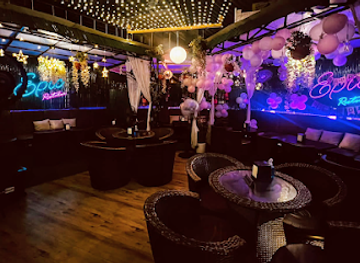
After dark, Hauz Khas Village is known for its dense concentration of bars, lounges and late-evening restaurants, giving the commercial lanes a more social and entertainment-focused atmosphere than the surrounding residential areas. Venues range from casual drinking places and rooftop-style settings to music-led bars and club-oriented spaces, with the exact mix changing as businesses open, close or alter their programmes. The village is particularly associated with evening gatherings among Delhi's younger creative and professional crowds, but it is not uniformly noisy: the archaeological complex and nearby residential edges feel markedly quieter. Narrow access roads can become congested, and visitors should arrange a reliable return journey rather than assuming that every venue or transport option remains available late. Check current entry policies, event details and closing arrangements directly with individual establishments.
-
Night club
Epic Restro Bar
Experience the vibrant nightlife of New Delhi at Epic Restro Bar, a premier destination for food, drinks, and dancing in Hauz Khas Village.
9 min walk · 0.7 km from neighbourhood centre
-
Lounge
Amplifier Club
Discover Amplifier Club in Hauz Khas Village, where lively nightlife meets exquisite dining from Chinese to North Indian cuisine.
8 min walk · 0.6 km from neighbourhood centre
-
Night club
Rehab - Best Nightclub | Bar | Lounge | Dance Club In Hauz Khas Village Delhi
Discover the electrifying nightlife of Hauz Khas at Rehab Nightclub, where upscale lounge vibes meet an energetic dance scene.
8 min walk · 0.7 km from neighbourhood centre
-
Disco club
The Club Hkv
Experience the vibrant nightlife at The Club Hkv, New Delhi's premier disco club, featuring unique cocktails and electrifying music.
9 min walk · 0.7 km from neighbourhood centre


Best shops in Hauz Khas Village
Shopping in Hauz Khas Village is centred on small contemporary businesses rather than a large traditional market. The lanes are associated with independent fashion, jewellery, homeware, design objects, art, books and lifestyle goods, alongside galleries and studios whose stock and identities can change. This retail character grew with the area's creative businesses and complements its cafés and restaurants, making browsing feel more like moving between compact storefronts than navigating a formal shopping boulevard. The wider Hauz Khas and Green Park districts provide more utilitarian shops and services, but the village itself is best suited to design-led browsing and occasional purchases rather than a comprehensive market trip. Visitors should respect displays, ask before photographing interiors and avoid assuming that every shop remains in the same location, as the commercial mix is fluid.
-
Clothing store
SHEIN STYLE STORE
Discover the latest fashion trends at SHEIN STYLE STORE, your ultimate shopping destination in Hauz Khas, New Delhi, blending style and culture.
9 min walk · 0.7 km from neighbourhood centre
-
Clothing store
Hell & Heaven Style
Explore the eclectic fashion collection at Hell & Heaven Style in Hauz Khas Village, where trendy meets unique in a vibrant shopping experience.
9 min walk · 0.7 km from neighbourhood centre
-
Designer Clothing Store
Ogaan - Hauz Khas Village, New Delhi
Discover the essence of contemporary Indian fashion at Ogaan in Hauz Khas Village, New Delhi, where style meets craftsmanship.
9 min walk · 0.7 km from neighbourhood centre
-
Furniture store
Country Collection (India)
Explore Country Collection in New Delhi for exquisite antique furniture and unique handicrafts, reflecting the rich artistry of Indian culture.
9 min walk · 0.7 km from neighbourhood centre


Hauz Khas Village essentials
Getting There
Getting Around
Safety
Emergency Situations
Do's and Don'ts
Local Tips

From Eve
Local phrases worth knowing
You don't need to get them perfect. A few words go a long way, and locals appreciate the effort.
Basics
| English | Local | Say it |
|---|---|---|
| Hello | नमस्ते | [namaste] |
| Goodbye | अलविदा | [alvida] |
| Yes | हां | [haan] |
| No | नहीं | [nahi] |
| Please/You're welcome | कृपया | [krupaya] |
| Thank you | धन्यवाद | [dhanyavaad] |
| Excuse me/Sorry | माफ़ कीजिए | [maaf keejiye] |
| How are you? | आप कैसे हैं? | [aap kaise hain?] |
| Fine. And you? | ठीक हूँ। और आप? | [theek hoon. aur aap?] |
| Do you speak English? | क्या आप अंग्रेज़ी बोलते हैं? | [kya aap angrezi bolte hain?] |
| I don't understand | मुझे समझ में नहीं आया | [mujhe samajh mein nahi aaya] |
Eating & Drinking
| English | Local | Say it |
|---|---|---|
| I'd like to see the menu, please | कृपया मेनू देखना पसंद करूं | [krupaya menu dekhna pasand karoon] |
| I don't eat meat | मैं मांस नहीं खाता/खाती | [main maans nahi khaata/khaati] |
| Cheers! | चियर्स! | [cheers!] |
| I would like to pay, please | कृपया मैं भुगतान करना चाहूँ | [krupaya main bhugtan karna chaahoon] |
Emergencies
| English | Local | Say it |
|---|---|---|
| Help! | बचाओ! | [bachao!] |
| Go away! | चले जाओ! | [chale jao!] |
| Call the Police! | पुलिस को बुलाओ! | [police ko bulaao!] |
| Call a doctor! | डॉक्टर को बुलाओ! | [doctor ko bulaao!] |
| I'm lost | मैं खो गया/गई हूँ | [main kho gaya/gayi hoon] |
| I'm ill | मुझे बीमारी है | [mujhe beemari hai] |
Shopping
| English | Local | Say it |
|---|---|---|
| I'd like to buy... | मैं ... खरीदना चाहूँ | [main ... khareedna chaahoon] |
| I'm just looking | मैं सिर्फ देख रहा/रही हूँ | [main sirf dekh raha/rahi hoon] |
| How much is it? | यह कितने का है? | [yah kitne ka hai?] |
| That's too expensive | यह बहुत महंगा है | [yah bahut mehnga hai] |
| Can you lower the price? | क्या आप कीमत कम कर सकते हैं? | [kya aap keemat kam kar sakte hain?] |
Time & Numbers
| English | Local | Say it |
|---|---|---|
| What time is it? | अब कितने बजे हैं? | [ab kitne baje hain?] |
| It's one o'clock | एक बजे हैं | [ek baje hain] |
| Half past (10) | (10) बजे के बाद सवा/सवे | [(10) baje ke baad sava/sawe] |
| Morning | सुबह | [subah] |
| Afternoon | दोपहर | [dopahar] |
| Evening | शाम | [shaam] |
| Yesterday | कल | [kal] |
| Today | आज | [aaj] |
| Tomorrow | कल | [kal] |
| 1 | एक | [ek] |
| 2 | दो | [do] |
| 3 | तीन | [teen] |
| 4 | चार | [chaar] |
| 5 | पाँच | [paanch] |
| 6 | छे | [che] |
| 7 | सात | [saat] |
| 8 | आठ | [aath] |
| 9 | नौ | [nau] |
| 10 | दस | [das] |
Transport & Directions
| English | Local | Say it |
|---|---|---|
| Where's a/the...? | ... कहाँ है? | [... kahan hai?] |
| What's the address? | पता क्या है? | [pata kya hai?] |
| Can you show me (on the map)? | क्या आप मुझे दिखा सकते हैं (नक्शे पर)? | [kya aap mujhe dikha sakte hain (naksha par)?] |
| When's the next (bus)? | अगली (बस) कब है? | [agli (bus) kab hai?] |
| A ticket (to ....) | एक टिकट (... के लिए) | [ek ticket (... ke liye)] |
History of Hauz Khas Village
The Khalji Reservoir
The area's defining feature is the reservoir known as Hauz-i-Alai, constructed during the reign of Alauddin Khalji, who ruled the Delhi Sultanate from 1296 to 1316. It was created to support the expanding settlement of Siri, one of the medieval cities of Delhi, and its survival explains the neighbourhood's name: hauz means reservoir and khas means royal or special. The tank was part of a wider system of water management rather than an isolated ornamental lake, linking the later neighbourhood to the political and urban ambitions of the Khalji period.
Firoz Shah's Monumental Complex
By the fourteenth century, the reservoir had become associated with Firoz Shah Tughlaq, whose reign from 1351 to 1388 brought substantial building activity to Delhi. A madrasa, mosque, tomb and pavilions were established beside the water, creating the architectural group that remains visible today. The complex combined religious education, royal commemoration and public water infrastructure. Its arcades and stone terraces also demonstrate how medieval builders adapted monumental architecture to the edge of an existing tank, giving Hauz Khas a setting unlike the more tightly enclosed tomb complexes elsewhere in Delhi.
From Village Edge to South Delhi Enclave
For centuries the monuments and reservoir stood within a largely rural landscape beyond Delhi's principal urban concentrations. Modern South Delhi transformed that setting through planned development, expanding roads and new residential colonies in the twentieth century. The historic site became known as Hauz Khas Village, although the present commercial lanes are a modern urban formation rather than an unchanged medieval settlement. As the surrounding city grew, the monuments became an island of archaeological landscape amid housing, institutions and busy transport corridors.
Creative Commerce and Conservation
From the late twentieth century onwards, the village's modest premises attracted designers, galleries, cafés, restaurants and nightlife businesses, turning the enclave into one of South Delhi's recognised creative and entertainment quarters. This commercial growth brought visitors and new investment but also intensified pressure on narrow lanes, residents and the archaeological surroundings. The neighbourhood's present identity therefore rests on a productive but sometimes uneasy overlap: medieval remains are protected as heritage while the adjoining built fabric continues to change through retail, dining and cultural use.
Hauz Khas Village in Photos
Browse through our photo collection highlighting the charm and character of the destination.
Neighbourhoods near Hauz Khas Village
The closest neighbourhoods to Hauz Khas Village, if you have time for more than one stop.
-

-

-
-

-


Swipe for more neighbourhoods
Explore more

Explore more of Delhi
Delhi combines Mughal monuments, grand New Delhi avenues, lively bazaars and diverse Indian cuisine, with layered history and culture at every turn.
Explore Delhi