

Free Kanpur Travel Guide & Mobile App
Plan your Kanpur trip with Evendo. Get free guides to top attractions, restaurants, hotels, and bars. Web access or download the mobile app.


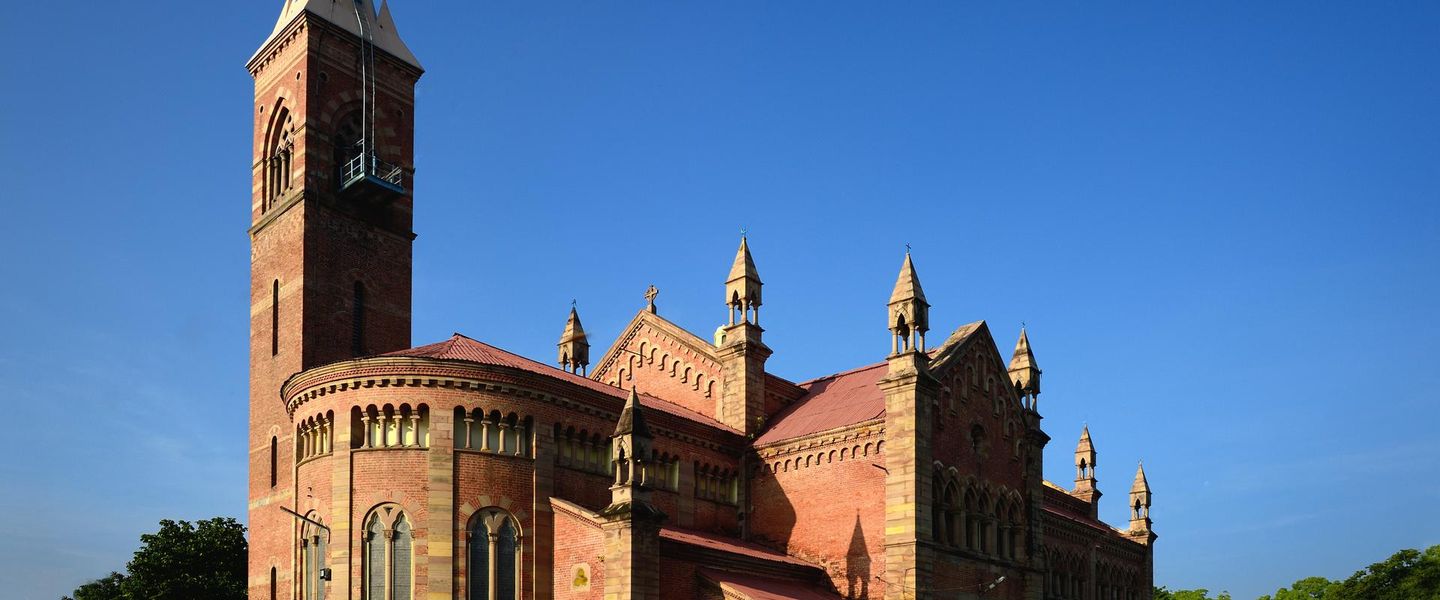


Kanpur, India: explore 1857 heritage, Gangeside Bithoor, leather craftsmanship, lively markets, temples, museums and North Indian street food. City culture
A City Shaped by the Ganges
Kanpur stands on the southern bank of the Ganges in Uttar Pradesh, where a major industrial past meets the everyday energy of a large North Indian city. Its identity was forged through cotton mills, engineering works and leather production, while the river, nearby religious centres and the events of 1857 give the city a deeper historical dimension. Kanpur is not a polished monument city; its appeal lies in the contrast between working districts, broad colonial-era avenues, crowded markets and quieter cultural spaces.Read more about Kanpur
Industry, Memory and Architecture
Beyond the Urban Streets
When is the best time to visit Kanpur?
Best: January–February, November · 23–26°C| Month | High (°C) | Rainfall (mm) |
|---|---|---|
| January (best) | 23 | 10 |
| February (best) | 26 | 9 |
| March | 31 | 6 |
| April | 36 | 3 |
| May | 39 | 2 |
| June | 38 | 5 |
| July | 35 | 7 |
| August | 34 | 8 |
| September | 32 | 6 |
| October | 30 | 5 |
| November (best) | 25 | 7 |
| December | 23 | 9 |
Getting to and around Kanpur
How to get there
Transportation
Best attractions in Kanpur
Kanpur’s attractions range from historical sites to green spaces and religious architecture. The Kanpur Memorial Church, built in memory of those who died during the events of 1857, provides a sombre introduction to the city’s colonial history, while Nana Rao Park offers a landscaped setting linked with the same period. At Phool Bagh, the Kanpur Museum presents regional history and civic heritage in a central location. Allen Forest Zoo occupies a substantial wooded area and is one of the city’s better-known family attractions, while Moti Jheel provides open space around a lake and gardens. The richly decorated JK Temple is notable for its modern interpretation of traditional Hindu architectural forms. Jajmau, on the eastern edge, adds an archaeological dimension, although it is also an industrial district. For a broader cultural excursion, Bithoor lies north of Kanpur on the Ganges and combines pilgrimage traditions with associations from the 1857 uprising.
-
Tourist attraction
Blue World Theme Park
Experience the ultimate thrill at Blue World Theme Park in Kanpur, featuring exhilarating rides, water attractions, and family-friendly entertainment for a perfect day out.
36 min drive · 16 km from city centre
-
Tourist attraction
Kanpur Zoological Park
Discover the diverse wildlife and serene landscapes at Kanpur Zoological Park, a top tourist attraction in Uttar Pradesh, India.
19 min drive · 6.2 km from city centre
-
Tourist attraction
Baraha devi Mandir
Discover the spiritual charm of Baraha Devi Mandir in Kanpur, a serene Hindu temple known for its intricate architecture and vibrant cultural heritage.
12 min drive · 4.0 km from city centre
-
Tourist attraction
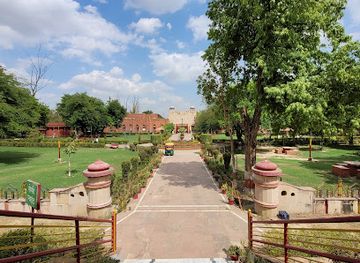
Nana Rao Park
Discover the tranquility and beauty of Nana Rao Park, a lush urban oasis in Kanpur perfect for relaxation and family outings.
17 min walk · 1.3 km from city centre
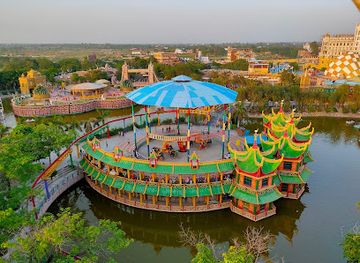
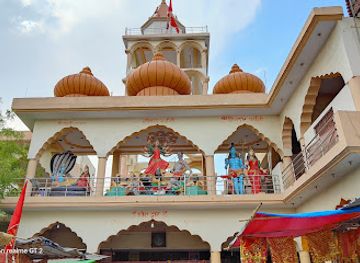
Best landmarks in Kanpur
Kanpur’s landmarks express its industrial, colonial, religious and political histories. The Kanpur Memorial Church, with its Gothic Revival character and memorial purpose, stands as one of the clearest architectural reminders of the 1857 conflict and British rule. Nana Rao Park occupies a site associated with the city’s uprising-era memory, although interpretations of the events connected with it have changed over time. JK Temple is a prominent modern Hindu temple distinguished by its tall shikharas, ornate surfaces and sculptural decoration. The Ganges remains a defining geographical landmark, connecting Kanpur with river commerce, pilgrimage and environmental debates. Jajmau’s archaeological mound and nearby sites point to much older settlement than the modern industrial city. Kanpur Central railway station, meanwhile, represents the transport infrastructure that helped turn the city into a powerful commercial and manufacturing centre during the colonial period.
-
Shopping mall
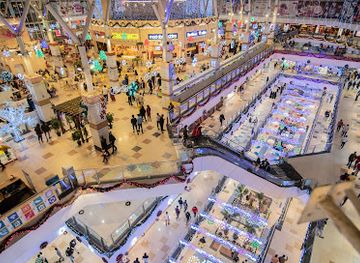
Z Square Mall
Explore the vibrant shopping and dining experience at Z Square Mall, the premier shopping destination in Kanpur, Uttar Pradesh.
12 min walk · 0.9 km from city centre
-
Theme park
Blue World Theme Park
Explore thrilling rides and refreshing water attractions at Blue World Theme Park in Kanpur, Uttar Pradesh - the ultimate family fun experience.
36 min drive · 16 km from city centre
-
Zoo
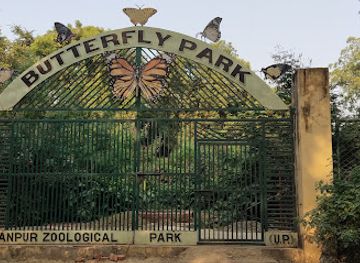
Kanpur Zoological Park
Explore the lush landscapes and diverse wildlife at Kanpur Zoological Park, a top tourist attraction in Kanpur, Uttar Pradesh.
19 min drive · 6.2 km from city centre
-
Hindu temple
J. K. Temple
Discover the enchanting J. K. Temple in Kanpur, where architectural beauty meets spiritual tranquility, offering a unique glimpse into India's rich cultural tapestry.
14 min drive · 4.5 km from city centre


Explore Kanpur on the map
Plan your Kanpur trip on one map. See where the top attractions, landmarks, restaurants, bars and hotels are, find what's near where you're staying, and book hotels and experiences in a few clicks.
Neighbourhoods in Kanpur
-

-

-

-

-


Swipe for more neighbourhoods
Best hotels in Kanpur
Best restaurants in Kanpur
Kanpur’s food culture is rooted in North Indian home cooking, market snacks and the eating habits of a large industrial city. Chaat is central to the local street-food experience, with vendors serving spicy, tangy combinations of potatoes, chickpeas, yoghurt, chutneys and crisp bases; samosas, kachoris, jalebi and kulfi are also widely found. The city is particularly associated with sweet-making, including the much-discussed Thaggu ke Laddu, while local shops sell a range of milk-based confections. Vegetarian North Indian meals, breads, kebabs and biryani appear across established restaurants and neighbourhood eateries, reflecting the region’s mixed culinary traditions. Civil Lines, Swaroop Nagar, Arya Nagar and the areas around major markets contain many dining choices, from casual cafés to family restaurants. Busy food stalls with visible turnover are generally the most practical choice for visitors trying street food.
-
Fine Dining
Good Food Restaurant
Experience exquisite fine dining at Good Food Restaurant in Kanpur with diverse menus celebrating local and international flavors.
18 min drive · 6.0 km from city centre
-
Vegetarian
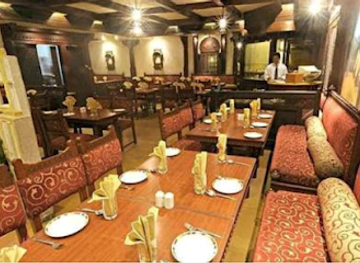
Pandit's Restaurant
Explore authentic vegetarian delights at Pandit's Restaurant in Kanpur—where every meal is a celebration of flavor.
5 min drive · 1.8 km from city centre
-
Punjabi
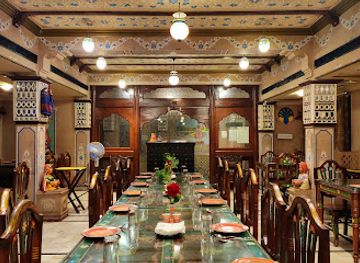
Haveli Restaurant
Experience authentic Punjabi cuisine at Haveli Restaurant in Kanpur - where tradition meets flavor in a vibrant family setting.
13 min drive · 4.4 km from city centre
-
Barbecue
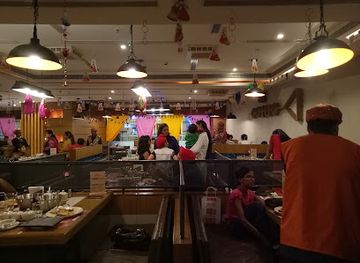
Barbeque Nation
Experience the vibrant flavors of Barbeque Nation in Kanpur, where mouthwatering grilled dishes meet an inviting buffet and delightful desserts.
11 min walk · 0.9 km from city centre
Best bars in Kanpur
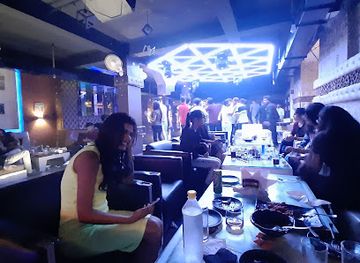
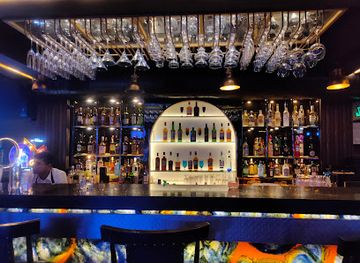
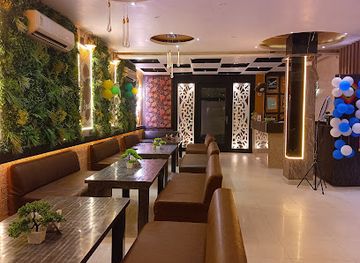
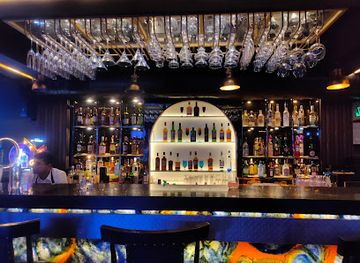
Kanpur’s nightlife is comparatively restrained and is concentrated in hotel lounges, contemporary restaurants, cafés and a limited number of bars rather than a large club scene. Civil Lines, Swaroop Nagar and newer commercial areas offer the broadest choice of evening venues, while shopping complexes may contain restaurants and cafés open after dark. Many residents spend evenings with family over tea, snacks or dinner, and cultural programmes, cinema and occasional live performances can be more representative of local leisure than nightclubs. Alcohol service is regulated in India and venue policies can vary, so visitors should check current arrangements rather than assume that a restaurant serves alcohol. Traffic, distance and quieter streets after late evening make pre-arranged transport sensible, particularly for those unfamiliar with the city.
-
Bar
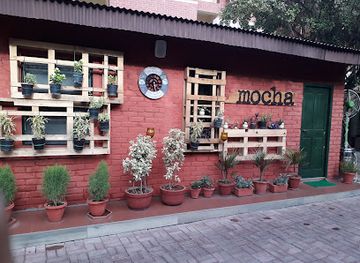
Mocha
Discover Mocha in Kanpur: A coffee lover's paradise with a cozy atmosphere and a diverse menu of delicious treats.
18 min walk · 1.4 km from city centre
-
Lounge
50ml Bar & Lounge
Discover the ultimate nightlife experience at 50ml Bar & Lounge in Kanpur, where vibrant ambiance meets exquisite drinks and delectable cuisine.
17 min drive · 5.6 km from city centre
-
Lounge
Shor Lounge
Discover Shor Lounge in Kanpur, where exquisite dining and vibrant nightlife converge for an unforgettable experience.
11 min drive · 3.8 km from city centre
-
Lounge
The Hidden Lounge
Discover the perfect blend of relaxation and entertainment at The Hidden Lounge in Kanpur, where every moment is a celebration of taste and ambiance.
12 min drive · 4.0 km from city centre
Best nightclubs in Kanpur
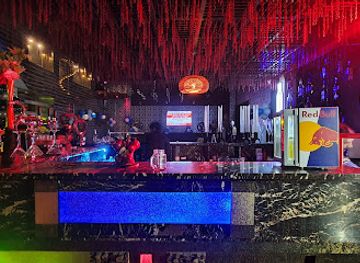
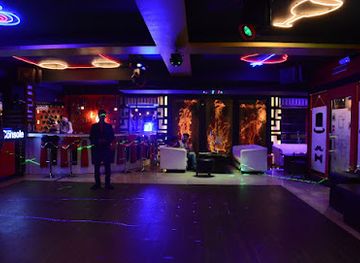
Kanpur’s nightlife is comparatively restrained and is concentrated in hotel lounges, contemporary restaurants, cafés and a limited number of bars rather than a large club scene. Civil Lines, Swaroop Nagar and newer commercial areas offer the broadest choice of evening venues, while shopping complexes may contain restaurants and cafés open after dark. Many residents spend evenings with family over tea, snacks or dinner, and cultural programmes, cinema and occasional live performances can be more representative of local leisure than nightclubs. Alcohol service is regulated in India and venue policies can vary, so visitors should check current arrangements rather than assume that a restaurant serves alcohol. Traffic, distance and quieter streets after late evening make pre-arranged transport sensible, particularly for those unfamiliar with the city.
-
Lounge
50ml Bar & Lounge
Experience the elegance of 50ml Bar & Lounge in Kanpur, where exquisite cocktails meet a vibrant atmosphere for an unforgettable night out.
17 min drive · 5.6 km from city centre
-
Lounge
Shor Lounge
Experience luxury dining and nightlife at Shor Lounge in Kanpur, offering a vibrant atmosphere, exquisite buffets, and a wide selection of drinks.
11 min drive · 3.8 km from city centre
-
Restaurant
Barracks (Restaurant / Lounge /Disc / Night Life / Bar)
Discover the vibrant flavors and energetic nightlife at Barracks, Kanpur's premier restaurant and lounge for unforgettable dining experiences.
11 min drive · 3.8 km from city centre
-
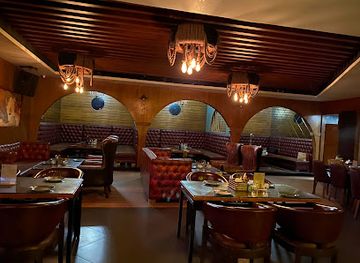
Grill
The Yacht Club
Experience culinary excellence at The Yacht Club in Kanpur, where exquisite grill dishes and a vibrant atmosphere await every visitor.
11 min drive · 3.6 km from city centre
Best shops in Kanpur
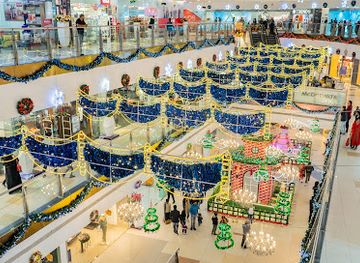
Shopping in Kanpur combines practical urban markets with the city’s long association with leather and manufacturing. Naveen Market and Sisamau Market are busy commercial areas where visitors encounter clothing, household goods, snacks and everyday retail rather than a carefully curated tourist quarter. Z Square Mall provides a modern alternative with branded shops, food outlets and indoor surroundings. Leather goods are a leading local product, including shoes, belts, bags and wallets, but quality and provenance vary; established retailers are preferable, and buyers should ask about materials and care. Food gifts such as sweets, savoury snacks and packaged regional specialities are easier to carry than many handmade goods. Markets around Birhana Road and nearby central districts offer additional general shopping, while Jajmau is associated with leather production rather than being a straightforward sightseeing shopping area.
-
Shopping mall
Z Square Mall
Explore Z Square Mall in Kanpur: A vibrant shopping destination with retail, dining, and entertainment options for an unforgettable experience.
12 min walk · 0.9 km from city centre
-
Clothing store
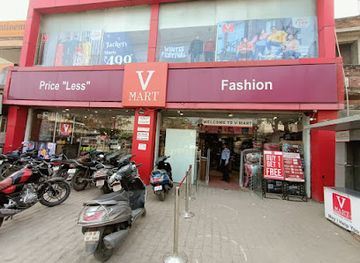
V-Mart - Saket Nagar
Discover V-Mart in Saket Nagar, Kanpur - A vibrant retail hub offering trendy clothing, everyday essentials, and a delightful shopping experience.
14 min drive · 4.8 km from city centre
-
Gift shop
Lifestyle Stores
Explore the vibrant Lifestyle Stores in Kanpur's Zsquare Mall, your go-to destination for fashion, beauty, and unique gifts.
12 min walk · 1.0 km from city centre
-
Department store
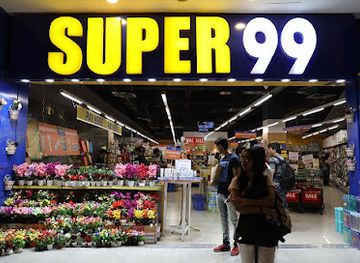
SUPER 99
Explore SUPER 99 in Kanpur for unbeatable deals on groceries, kitchen supplies, and unique local products in a vibrant shopping environment.
12 min walk · 1.0 km from city centre

Get your free copy of our complete guide to Kanpur, delivered straight to you.
Everything on this page, from attractions and restaurants to essentials and local phrases, in one PDF you can read offline, print or share.
Already have an account? Sign in
Your Kanpur guide is ready.
We'll send it to · Not you? Sign out

Getting your guide ready…
We are putting together a fresh copy of the Kanpur guide. This can take up to a minute.
This can take a few moments. If your browser asks, choose Allow so the download can start. You'll find the guide in your Downloads folder.
Nothing happened? Download it again
Sorry, the guide is taking longer than usual. Please try again in a minute, or get it by email instead.
Kanpur essentials
Currency and Payment
Safety
Emergency Situations
Do's and Don'ts
Local Tips
From Eve
Local phrases worth knowing
You don't need to get them perfect. A few words go a long way, and locals appreciate the effort.
Basics
| English | Local | Say it |
|---|---|---|
| Hello | नमस्ते | [namaste] |
| Goodbye | अलविदा | [alvida] |
| Yes | हाँ | [haan] |
| No | नहीं | [nahin] |
| Please/You're welcome | कृपया | [krupaya] |
| Thank you | धन्यवाद | [dhanyavaad] |
| Excuse me/Sorry | माफ़ कीजिये | [maaf kijiye] |
| How are you? | आप कैसे हैं? | [aap kaise hain?] |
| Fine. And you? | ठीक हूँ। आप? | [thik hoon. aap?] |
| Do you speak English? | क्या आप अंग्रेज़ी बोलते हैं? | [kya aap angrezi bolte hain?] |
| I don't understand | मुझे समझ में नहीं आया | [mujhe samajh mein nahi aaya] |
Eating & Drinking
| English | Local | Say it |
|---|---|---|
| I'd like to see the menu, please | कृपया मेनू दिखाइए | [krupaya menu dikhaiye] |
| I don't eat meat | मैं मांस नहीं खाता | [main maans nahin khata] |
| Cheers! | चियर्स! | [cheers!] |
| I would like to pay, please | कृपया मैं भुगतान करना चाहूँ | [krupaya main bhugtan karna chaahoon] |
Emergencies
| English | Local | Say it |
|---|---|---|
| Help! | बचाओ! | [bachao!] |
| Go away! | चले जाओ! | [chale jao!] |
| Call the Police! | पुलिस को बुलाओ! | [police ko bulao!] |
| Call a doctor! | डॉक्टर को बुलाओ! | [doctor ko bulao!] |
| I'm lost | मैं खो गया हूँ | [main kho gaya hoon] |
| I'm ill | मुझे बीमारी है | [mujhe bimari hai] |
Shopping
| English | Local | Say it |
|---|---|---|
| I'd like to buy... | मैं खरीदना चाहता हूँ... | [main khareedna chahta hoon...] |
| I'm just looking | मैं बस देख रहा हूँ | [main bas dekh raha hoon] |
| How much is it? | यह कितने का है? | [yah kitne ka hai?] |
| That's too expensive | यह बहुत महंगा है | [yah bahut mahanga hai] |
| Can you lower the price? | क्या आप कीमत कम कर सकते हैं? | [kya aap keemat kam kar sakte hain?] |
Time & Numbers
| English | Local | Say it |
|---|---|---|
| What time is it? | अब कितने बजे हैं? | [ab kitne baje hain?] |
| It's one o'clock | एक बजे हैं | [ek baje hain] |
| Half past (10) | दस बजकर पंद्रह मिनट हैं | [das bajkar pandrah minute hain] |
| Morning | सुबह | [subah] |
| Afternoon | दोपहर | [dopahar] |
| Evening | शाम | [shaam] |
| Yesterday | कल | [kal] |
| Today | आज | [aaj] |
| Tomorrow | कल | [kal] |
| 1 | एक | [ek] |
| 2 | दो | [do] |
| 3 | तीन | [teen] |
| 4 | चार | [chaar] |
| 5 | पाँच | [paanch] |
| 6 | छह | [chhah] |
| 7 | सात | [saat] |
| 8 | आठ | [aath] |
| 9 | नौ | [nau] |
| 10 | दस | [das] |
Transport & Directions
| English | Local | Say it |
|---|---|---|
| Where's a/the...? | कहाँ है...? | [kahan hai...?] |
| What's the address? | पता क्या है? | [pata kya hai?] |
| Can you show me (on the map)? | क्या आप मुझे दिखा सकते हैं (नक्शे पर)? | [kya aap mujhe dikha sakte hain (naksha par)?] |
| When's the next (bus)? | अगली (बस) कब है? | [agli (bus) kab hai?] |
| A ticket (to ....) | एक टिकट (के लिए ....) | [ek ticket (ke liye ....)] |
History of Kanpur
Early Settlements and Jajmau
The area around present-day Kanpur has a long history of settlement, particularly at Jajmau on the Ganges. Archaeological evidence from the mound and surrounding region points to occupation extending back to ancient periods, while later traditions associate the site with Hindu and Jain religious narratives. Jajmau was known historically as Siddhapuri and remained an important location on the river corridor. Kanpur itself developed from smaller settlements rather than emerging fully formed as an ancient imperial capital. Its position beside the Ganges, and later its connections with roads, river traffic and military routes, helped establish the conditions for its expansion.
From Village to British Outpost
The modern city grew in importance during the late eighteenth and early nineteenth centuries, when the East India Company consolidated control over the region. The name Kanpur is generally understood to have developed from local forms including Kanhpur, although its precise linguistic history is not entirely settled. After the Company acquired influence in the area, Kanpur became a military station and cantonment. Its location on the Ganges and near important routes made it strategically valuable. British administration introduced new roads, military facilities and commercial structures, laying the foundations for the city’s later role as a major manufacturing centre.
Kanpur during the Uprising of 1857
Kanpur became one of the most significant and traumatic theatres of the uprising against British rule in 1857. Indian forces associated with Nana Sahib, the adopted son of the former Peshwa Baji Rao II, took control of the city for a period before British forces recaptured it. Fighting and killings occurred at several locations, including the Satichaura Ghat and the Bibighar, and accounts written during and after the conflict were shaped by intense political propaganda and racial hostility. The events left a lasting mark on British imperial memory and Indian historical interpretation. Sites such as the Kanpur Memorial Church and Nana Rao Park preserve, in different ways, the city’s connection with this contested past.
Railways and the Industrial City
After 1857, Kanpur expanded rapidly as a centre of trade and manufacturing. Railway connections strengthened its links with northern India, while cotton mills, woollen production, engineering works and other factories attracted workers and commercial investment. The city became widely known as the Manchester of the East, a label reflecting its textile importance but also the unequal labour conditions of industrialisation. The leather industry developed into one of Kanpur’s defining economic sectors, particularly around Jajmau and related manufacturing districts. Industrial growth transformed the urban landscape, bringing new housing, markets, educational institutions and a diverse population drawn from across the region.
Nationalism and the Road to Independence
Kanpur’s industrial workforce and commercial importance made it an active setting for political mobilisation during the late nineteenth and early twentieth centuries. Labour organisation, nationalist activity and debates over representation developed alongside the city’s mills and trading communities. The presence of figures such as Ganesh Shankar Vidyarthi, a prominent journalist and nationalist associated with Kanpur, reflects the city’s contribution to public life and anti-colonial politics. Communal tensions also affected the city, particularly during the upheavals surrounding the end of British rule. Independence in 1947 brought new administrative responsibilities and accelerated the development of Kanpur as a major urban and industrial centre of Uttar Pradesh.
Post-Independence Transformation
Since independence, Kanpur has remained an important manufacturing, education and transport centre, although the decline of many traditional textile mills altered its economic character. Leather, chemicals, engineering and small-scale industry continued to shape employment, while institutions such as the Indian Institute of Technology Kanpur added a strong academic and technological dimension. Urban growth spread beyond the historic core, producing new residential and commercial districts alongside older markets and industrial neighbourhoods. Environmental pressures, including pollution in the Ganges and the demands of large-scale manufacturing, have become central to the city’s contemporary story. Present-day Kanpur therefore reflects both the legacy of industrial expansion and the challenges of urban renewal.
Kanpur in Photos
Browse through our photo collection highlighting the charm and character of the destination.
Cities near Kanpur
The closest cities to Kanpur, if you have time for more than one stop.
-

-

-

-

-


Swipe for more cities
Explore more

Explore more of India
Discover the magic of India, where diverse landscapes, rich heritage, and vibrant culture come together to create an unforgettable travel experience.
Explore India