

Civil Lines (Kanpur) Travel Guide - Free
Explore Civil Lines in Kanpur with Evendo's free guide. Find the best shops, historic streets, restaurants, and gems on web or mobile.


Civil Lines, Kanpur blends colonial churches, Phool Bagh, Green Park cricket, museums, Mall Road shopping and central access to the city’s history.
Colonial Streets and Civic Spaces
Civil Lines occupies a central position in Kanpur, west of the commercial bustle around Kanpur Central and close to the city’s historic Mall Road. Its broad streets, institutional compounds and mature trees reflect its origins as the European civil station developed under British rule, although the area today is thoroughly part of modern Kanpur. Government offices, schools, courts, hotels and commercial buildings share the district with older churches, public parks and surviving colonial-era architecture.Read more about Civil Lines
History in the Urban Landscape
Mall Road, Parks and Everyday Kanpur
Explore Civil Lines on the map
A handpicked selection of must-see spots in Civil Lines, mapped for you.
Best hotels in Civil Lines
Civil Lines essentials
Getting There
Getting Around
Safety
Emergency Situations
Do's and Don'ts
Local Tips

From Eve
Local phrases worth knowing
You don't need to get them perfect. A few words go a long way, and locals appreciate the effort.
Basics
| English | Local | Say it |
|---|---|---|
| Hello | नमस्ते | [Namaste] |
| Goodbye | अलविदा | [Alvida] |
| Yes | हाँ | [Haan] |
| No | नहीं | [Nahi] |
| Please/You're welcome | कृपया/स्वागत है | [Kripya/Swagat hai] |
| Thank you | धन्यवाद | [Dhanyavad] |
| Excuse me/Sorry | क्षमा करें/माफ़ कीजिये | [Kshama karein/Maaf kijiye] |
| How are you? | आप कैसे हैं? | [Aap kaise hain?] |
| Fine. And you? | ठीक हूँ। आप सुनाइये। | [Theek hoon. Aap sunaiye.] |
| Do you speak English? | क्या आप अंग्रेज़ी बोलते हैं? | [Kya aap angrezi bolte hain?] |
| I don't understand | मुझे समझ में नहीं आया | [Mujhe samajh mein nahi aaya] |
Eating & Drinking
| English | Local | Say it |
|---|---|---|
| I'd like to see the menu, please | कृपया मेनू देखना चाहूँ | [Kripya menu dekhna chahoon] |
| I don't eat meat | मैं मांस नहीं खाता/खाती | [Main maans nahi khaata/khaati] |
| Cheers! | चियर्स! | [Cheers!] |
| I would like to pay, please | कृपया मैं भुगतान करना चाहूँ | [Kripya main bhugtan karna chahoon] |
Emergencies
| English | Local | Say it |
|---|---|---|
| Help! | मदद! | [Madad!] |
| Go away! | चले जाओ! | [Chale jao!] |
| Call the Police! | पुलिस को बुलाओ! | [Police ko bulaao!] |
| Call a doctor! | डॉक्टर को बुलाओ! | [Doctor ko bulaao!] |
| I'm lost | मैं खो गया/गई हूँ | [Main kho gaya/gayi hoon] |
| I'm ill | मुझे बीमारी है | [Mujhe bimari hai] |
Shopping
| English | Local | Say it |
|---|---|---|
| I'd like to buy... | मैं खरीदना चाहूँ... | [Main khareedna chahoon...] |
| I'm just looking | मैं सिर्फ देख रहा/रही हूँ | [Main sirf dekh raha/rahi hoon] |
| How much is it? | यह कितने का है? | [Yeh kitne ka hai?] |
| That's too expensive | यह बहुत महंगा है | [Yeh bahut mehnga hai] |
| Can you lower the price? | क्या आप कीमत कम कर सकते हैं? | [Kya aap keemat kam kar sakte hain?] |
Time & Numbers
| English | Local | Say it |
|---|---|---|
| What time is it? | अभी कितने बजे हैं? | [Abhi kitne baje hain?] |
| It's one o'clock | एक बज गया है | [Ek baj gaya hai] |
| Half past (10) | दस बजकर पाँच मिनट | [Das bajkar paanch minute] |
| Morning | सुबह | [Subah] |
| Afternoon | दोपहर | [Dopahar] |
| Evening | शाम | [Shaam] |
| Yesterday | कल | [Kal] |
| Today | आज | [Aaj] |
| Tomorrow | कल | [Kal] |
| 1 | एक | [Ek] |
| 2 | दो | [Do] |
| 3 | तीन | [Teen] |
| 4 | चार | [Char] |
| 5 | पाँच | [Paanch] |
| 6 | छह | [Chhah] |
| 7 | सात | [Saath] |
| 8 | आठ | [Aath] |
| 9 | नौ | [Nau] |
| 10 | दस | [Das] |
Transport & Directions
| English | Local | Say it |
|---|---|---|
| Where's a/the...? | कहाँ है... | [Kahaan hai...] |
| What's the address? | पता क्या है? | [Pata kya hai?] |
| Can you show me (on the map)? | क्या आप मुझे दिखा सकते हैं (नक्शे पर)? | [Kya aap mujhe dikha sakte hain (naksha par)?] |
| When's the next (bus)? | अगली (बस) कब है? | [Agli (bus) kab hai?] |
| A ticket (to ....) | एक टिकट (.... के लिए) | [Ek ticket (.... ke liye)] |
History of Civil Lines
Formation of the Civil Station
Civil Lines developed as Kanpur’s British civil station, distinct from the military cantonment and the older Indian commercial settlements. Its spacious roads, detached compounds and administrative institutions reflected the planning conventions of the colonial period, when Kanpur was becoming an important military and industrial centre on the Ganges plain. The name itself refers to the civil administrative quarter rather than to an ancient settlement. Although much of the original built environment has disappeared or been altered, the district’s broad street pattern and concentration of public institutions still reveal this phase of urban development.
Kanpur and the Uprising of 1857
Civil Lines acquired lasting historical significance through Kanpur’s role in the uprising of 1857. British civilians and military personnel were caught up in the fighting and upheaval that affected the cantonment, river crossings and administrative parts of the city. The events were interpreted through competing colonial and Indian memories, and later memorial landscapes in and around Civil Lines reflected changing political perspectives. The neighbourhood should therefore be read not simply as a collection of colonial buildings, but as a place where the city’s most contested nineteenth-century history became embedded in public space.
Memorial Church and Colonial Remembrance
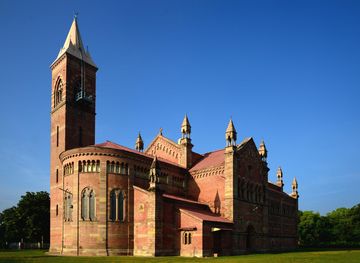
Kanpur Memorial Church, commonly called Christ Church, was completed in 1875 on the Mall Road area as a memorial to those connected with the British losses at Kanpur in 1857. Designed by Walter Granville, the church is noted for its Gothic Revival character and its association with Victorian commemoration. Its presence helped give Civil Lines a recognisable architectural and symbolic focus, while its later life as a functioning place of worship forms part of the neighbourhood’s continuing religious and civic history rather than leaving it solely as a colonial monument.
From Colonial Quarter to Central City District
After independence, Civil Lines was absorbed into the expanding civic and commercial life of Kanpur. Colonial administrative buildings and institutional compounds acquired new uses, while public spaces such as Phool Bagh became part of the city’s shared urban landscape. Mall Road and nearby markets developed as important central shopping and office corridors, and Green Park established an enduring association with cricket and public sporting culture. The neighbourhood now combines inherited street layouts and historic buildings with hotels, offices, retail premises and traffic-heavy urban infrastructure, making its identity distinctly layered rather than preserved as a museum quarter.
Civil Lines in Photos
Browse through our photo collection highlighting the charm and character of the destination.
Neighbourhoods near Civil Lines
The closest neighbourhoods to Civil Lines, if you have time for more than one stop.
-

-

-

-


Swipe for more neighbourhoods
Explore more
Explore more of Kanpur
Kanpur, India: explore 1857 heritage, Gangeside Bithoor, leather craftsmanship, lively markets, temples, museums and North Indian street food. City culture
Explore Kanpur