

Campal (Panaji) Travel Guide - Free
Explore Campal in Panaji with Evendo's free guide. Find the best shops, historic streets, restaurants, and gems on web or mobile.


Campal in Panaji blends Mandovi river views, Kala Academy, green promenades, the Goa Science Centre and easy access to Miramar and Fontainhas.
Riverfront Setting and Everyday Character
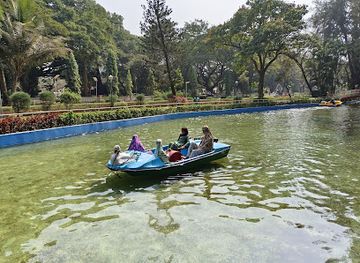
\n\nCampal occupies a leafy stretch of Panaji beside the Mandovi River, west of the older commercial core and close to the open water of the estuary. Its broad public grounds, tree-lined roads and institutional buildings give it a more spacious character than the compact lanes of central Panaji. In the morning, residents use the waterfront and Campal grounds for walking, running and informal recreation; later, the area becomes a setting for cultural programmes, school activities and community gatherings. The neighbourhood is especially pleasant for visitors who want to experience Panaji at a gentler pace, with river views and shaded public spaces rather than a dense sequence of shops.\n\nCulture, Architecture and Public Space
\n\nCampal’s strongest cultural landmark is Kala Academy, Goa’s principal centre for music, dance, theatre and the performing arts. The building, designed by architect Charles Correa, sits near the river and is one of the most recognisable examples of modern architecture in Panaji. Nearby, the Goa Science Centre and Planetarium offers an educational attraction suited to families, while the Campal grounds provide a large outdoor counterpoint to the city’s historic quarters. The area also lies within easy reach of Miramar and the older Latin Quarter of Fontainhas, although both are separate places with their own identities.\n\nA Pause Between City and Coast
\n\nCampal works best as part of a walking circuit linking the Mandovi waterfront, Kala Academy, the science centre and the roads towards Miramar. Dining and shopping are more limited and dispersed than in central Panaji, but its calm, open setting makes it a useful base for exploring the capital. During cultural festivals and performances, the neighbourhood takes on a more animated role; outside those occasions, its appeal lies in its greenery, river light, architecture and glimpse of everyday Goan public life.Best attractions in Campal
Campal’s attractions are concentrated around culture, public space and the Mandovi waterfront. Kala Academy is the neighbourhood’s principal draw, presenting Goa’s performing arts in a striking riverside building designed by Charles Correa; even when no performance is taking place, its setting and architecture are central to understanding modern Panaji. The surrounding Campal grounds offer room for walking, informal recreation and public events, while the Goa Science Centre and Planetarium provides interactive learning and astronomy-focused activities, particularly appealing to families. The roads towards Miramar bring the coast within reach, although Miramar itself is a separate area rather than part of Campal. Visitors can also use the neighbourhood as a quieter link between the riverfront and Panaji’s older quarters, with views, shade and open civic spaces replacing the dense lanes and shopfronts found closer to the central market.
-
Tourist attraction
Azad Maidan
Discover the beauty and history of Azad Maidan, a vibrant park in Panaji, Goa, perfect for relaxation and cultural exploration.
12 min walk · 1.0 km from neighbourhood centre
-
Museum
Mangrove Boardwalk
Experience the serene beauty of the Mangrove Boardwalk in Panaji, Goa, where nature and tranquility meet in a breathtaking promenade.
17 min walk · 1.4 km from neighbourhood centre
-
Tourist attraction
Sunaparanta
Explore the vibrant art scene at Sunaparanta, Goa's premier cultural hub, showcasing contemporary art and fostering creativity.
11 min walk · 0.9 km from neighbourhood centre
-
Promenade
Panjim Promenade
Discover the vibrant beauty and cultural essence of Panjim Promenade, a scenic waterfront escape in the heart of Goa.
9 min walk · 0.7 km from neighbourhood centre


Best landmarks in Campal
Kala Academy is Campal’s defining landmark: Charles Correa’s modernist building uses terraces, open circulation and a riverside setting to create a major civic home for Goa’s performing arts. Its importance is cultural as well as architectural, since the institution supports forms such as music, theatre and dance within a public setting. The Campal grounds are another significant local feature, representing the neighbourhood’s long civic and recreational role and providing a broad counterpoint to Panaji’s historic built-up quarters. The Goa Science Centre and Planetarium adds a later educational landmark to the area, while the Mandovi edge gives Campal a geographical identity through open views across the estuary. These places are better understood as a connected civic landscape than as isolated monuments.
-
Garden
Campal Gardens
Explore the tranquil beauty of Campal Gardens in Panaji, a perfect destination for nature lovers and families seeking a peaceful retreat in Goa.
6 min walk · 0.4 km from neighbourhood centre
-
Historical landmark
Azad Maidan
Explore the lush landscapes and historical significance of Azad Maidan, a captivating park and monument in the heart of Panaji, Goa.
12 min walk · 1.0 km from neighbourhood centre
-
Garden
Malson Shoes
Discover the tranquil beauty of Malson Shoes Garden, a serene oasis in Panaji, Goa, perfect for relaxation and connecting with nature.
14 min walk · 1.1 km from neighbourhood centre
-
Art center
Sunaparanta
Discover the essence of contemporary art in Goa at Sunaparanta, a vibrant cultural hub offering exhibitions, workshops, and serene surroundings.
11 min walk · 0.9 km from neighbourhood centre


Explore Campal on the map
A handpicked selection of must-see spots in Campal, mapped for you.
Best hotels in Campal
Best restaurants in Campal
Campal has a more dispersed dining scene than central Panaji, with restaurants, cafés and hotel dining rooms located along the main roads rather than concentrated in one market street. Eating here is convenient when visiting Kala Academy, the science centre or the waterfront, while a wider choice of Goan, Indian and international food lies a short ride away in central Panaji and around Miramar. Visitors can look for dishes associated with Goa, including seafood, rice-based meals and preparations influenced by Indo-Portuguese cooking, but the neighbourhood itself is not defined by one specialist food tradition. Café stops and casual meals suit the area’s daytime cultural and recreational rhythm; evening options are generally quieter and more scattered than in Panaji’s central restaurant zones. Check current opening information, especially outside the main tourist season or around public holidays.
-
Seafood
The Fisherman's Wharf Panjim
Experience the best of Goan seafood at The Fisherman's Wharf Panjim - where tradition meets modern flair in every bite.
1 min walk · 0.1 km from neighbourhood centre
-
Restaurant
Soul Curry, Panjim
Discover authentic Goan flavors at Soul Curry in Panjim - where every dish tells a story.
1 min walk · 0.1 km from neighbourhood centre
-
Seafood
Ritz Classic-Panjim Gymkhana
Experience the best of Goan seafood at Ritz Classic in Panaji, where every dish tells a story of coastal culinary tradition.
7 min walk · 0.5 km from neighbourhood centre
-
Seafood
BOMBIL RESTAURANT
Discover Bombil Restaurant: A Seafood Haven in Panaji Offering Authentic Goan Cuisine Perfect for Families and Seafood Lovers Alike.
1 min walk · 0.1 km from neighbourhood centre


Best bars in Campal
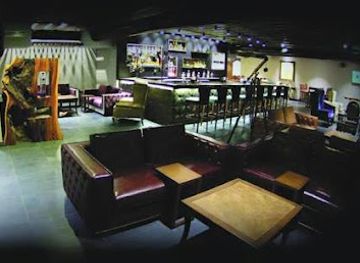
Campal is not one of Panaji’s principal late-night entertainment districts, and its evenings are shaped more by performances, public events and hotel dining than by a dense concentration of bars or nightclubs. Kala Academy can bring theatre, music and dance audiences into the neighbourhood, creating a more animated atmosphere around scheduled programmes. After performances, visitors usually travel towards central Panaji or other established dining areas for a broader choice of bars and evening venues. Around the Campal grounds and riverfront, the mood is typically quieter, so visitors should respect residents, avoid loud gatherings and take care on less busy roads after dark. Nightlife listings and cultural programmes change, making current local information more useful than relying on a fixed assumption about what is operating.
-
Tapas Bar
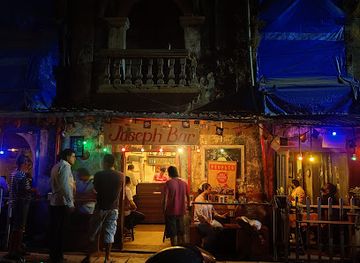
Joseph Bar
Discover the vibrant tapas scene at Joseph Bar in Panaji, Goa, where flavorful dishes and a lively atmosphere await!
17 min walk · 1.4 km from neighbourhood centre
-
Pub
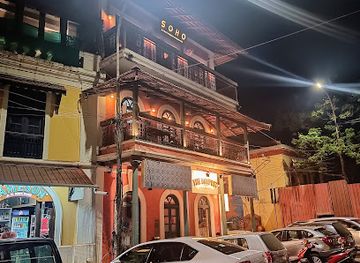
Soho
Experience the vibrant nightlife of Goa at Soho, Panaji's premier pub offering live music and an extensive drink selection.
5 min drive · 1.6 km from neighbourhood centre
-
Bar
BAR 51
Discover the vibrant nightlife of Goa at BAR 51, where creative cocktails and delicious cuisine come together in a stylish setting.
15 min walk · 1.2 km from neighbourhood centre
-
Pub
Pinch Bistro & Bar
Discover the perfect blend of Goan flavors and vibrant nightlife at Pinch Bistro & Bar, a must-visit pub in Panaji, Goa.
1 min walk · 0.1 km from neighbourhood centre


Best nightclubs in Campal
Campal is not one of Panaji’s principal late-night entertainment districts, and its evenings are shaped more by performances, public events and hotel dining than by a dense concentration of bars or nightclubs. Kala Academy can bring theatre, music and dance audiences into the neighbourhood, creating a more animated atmosphere around scheduled programmes. After performances, visitors usually travel towards central Panaji or other established dining areas for a broader choice of bars and evening venues. Around the Campal grounds and riverfront, the mood is typically quieter, so visitors should respect residents, avoid loud gatherings and take care on less busy roads after dark. Nightlife listings and cultural programmes change, making current local information more useful than relying on a fixed assumption about what is operating.
-
Tapas Bar
Joseph Bar
Discover the vibrant flavors and lively atmosphere at Joseph Bar, a premier tapas destination in the heart of Goa's capital.
17 min walk · 1.4 km from neighbourhood centre
-
Pub
Soho
Discover the vibrant nightlife at Soho, Panaji - a must-visit pub for drinks, music, and a lively atmosphere in the heart of Goa.
5 min drive · 1.6 km from neighbourhood centre
-
Goan
Lounge Terminal
Discover Lounge Terminal in Goa's vibrant Caculo Mall, where exquisite Goan cuisine meets a lively lounge experience with stunning views.
11 min walk · 0.9 km from neighbourhood centre
-
Bar
K BAR
Discover the vibrant atmosphere and eclectic flavors of K BAR, a must-visit bar and restaurant in the heart of Panaji, Goa.
13 min walk · 1.1 km from neighbourhood centre

Best shops in Campal
Shopping is limited and practical in Campal compared with Panaji’s central market and commercial streets. Visitors may find everyday services, cafés, small retailers and hotel-linked outlets along the main roads, but the neighbourhood is not a specialist destination for antiques, fashion or handicrafts. For Goan food products, household goods and a more traditional market atmosphere, central Panaji is nearby and offers a broader range of shops and stalls. Shoppers seeking galleries, books, souvenirs or independent boutiques should also explore the older city quarters rather than expect a concentrated retail strip around the Campal grounds. The area’s commercial character is primarily civic, cultural and service-oriented, with its strongest appeal coming from public institutions and open spaces rather than browsing-focused retail.
-
Craft store
Itsy Bitsy
Discover the vibrant world of crafts at Itsy Bitsy in Goa, where creativity comes alive with a wide range of art supplies and DIY projects.
9 min walk · 0.8 km from neighbourhood centre
-
Pen store
Casa JD Fernandes
Discover Casa JD Fernandes in Panaji, Goa – your ultimate destination for premium pens, art supplies, and unique holiday decorations.
15 min walk · 1.2 km from neighbourhood centre
-
Western apparel store
AND Caculo Mall
Shop stylish Western apparel and designer clothing at AND Caculo Mall, a premier shopping destination in Goa's vibrant Panaji district.
11 min walk · 0.9 km from neighbourhood centre
-
Clothing store
Fabindia, Campal, Panjim
Explore Fabindia in Campal, Panjim for unique Indian clothing and handcrafted home goods that celebrate the artistry of Indian culture.
13 min walk · 1.0 km from neighbourhood centre


Campal essentials
Getting There
Getting Around
Safety
Emergency Situations
Do's and Don'ts
Local Tips

From Eve
Local phrases worth knowing
You don't need to get them perfect. A few words go a long way, and locals appreciate the effort.
Basics
| English | Local | Say it |
|---|---|---|
| Hello | नमस्ते | [namaste] |
| Goodbye | अलविदा | [alvida] |
| Yes | हां | [haan] |
| No | नहीं | [nahin] |
| Please/You're welcome | कृपया | [krupaya] |
| Thank you | धन्यवाद | [dhanyavad] |
| Excuse me/Sorry | क्षमा करें | [kshama karen] |
| How are you? | आप कैसे हैं? | [aap kaise hain?] |
| Fine. And you? | ठीक हूँ। आप? | [thik hoon. aap?] |
| Do you speak English? | क्या आप अंग्रेज़ी बोलते हैं? | [kya aap angrezi bolte hain?] |
| I don't understand | मुझे समझ में नहीं आया | [mujhe samajh mein nahi aaya] |
Eating & Drinking
| English | Local | Say it |
|---|---|---|
| I'd like to see the menu, please | कृपया मेन्यू देखना चाहूं | [krupaya menu dekhna chahoon] |
| I don't eat meat | मैं मांस नहीं खाता | [main maans nahi khaata] |
| Cheers! | चियर्स! | [cheers!] |
| I would like to pay, please | कृपया मैं भुगतान करना चाहूं | [krupaya main bhugtan karna chahoon] |
Emergencies
| English | Local | Say it |
|---|---|---|
| Help! | मदद! | [madad!] |
| Go away! | चले जाओ! | [chale jao!] |
| Call the Police! | पुलिस को बुलाओ! | [police ko bulaao!] |
| Call a doctor! | डॉक्टर को बुलाओ! | [doctor ko bulaao!] |
| I'm lost | मैं खो गया हूँ | [main kho gaya hoon] |
| I'm ill | मुझे बीमारी है | [mujhe bimari hai] |
Shopping
| English | Local | Say it |
|---|---|---|
| I'd like to buy... | मैं खरीदना चाहूंगा... | [main khareedna chahunga...] |
| I'm just looking | मैं बस देख रहा हूँ | [main bas dekh raha hoon] |
| How much is it? | यह कितने का है? | [yah kitne ka hai?] |
| That's too expensive | यह बहुत महंगा है | [yah bahut mahanga hai] |
| Can you lower the price? | क्या आप दाम कम कर सकते हैं? | [kya aap daam kam kar sakte hain?] |
Time & Numbers
| English | Local | Say it |
|---|---|---|
| What time is it? | अभी कितने बजे हैं? | [abhi kitne baje hain?] |
| It's one o'clock | एक बजे हैं | [ek baje hain] |
| Half past (10) | दस बजे तकरीबन | [das baje takreeban] |
| Morning | सुबह | [subah] |
| Afternoon | दोपहर | [dopahar] |
| Evening | शाम | [shaam] |
| Yesterday | कल | [kal] |
| Today | आज | [aaj] |
| Tomorrow | कल | [kal] |
| 1 | एक | [ek] |
| 2 | दो | [do] |
| 3 | तीन | [teen] |
| 4 | चार | [chaar] |
| 5 | पांच | [paanch] |
| 6 | छह | [chhah] |
| 7 | सात | [saat] |
| 8 | आठ | [aath] |
| 9 | नौ | [nau] |
| 10 | दस | [das] |
Transport & Directions
| English | Local | Say it |
|---|---|---|
| Where's a/the...? | ...कहाँ है? | [...kahan hai?] |
| What's the address? | पता क्या है? | [pata kya hai?] |
| Can you show me (on the map)? | क्या आप मुझे दिखा सकते हैं (नक्शे पर)? | [kya aap mujhe dikha sakte hain (naksha par)?] |
| When's the next (bus)? | अगली (बस) कब है? | [agli (bas) kab hai?] |
| A ticket (to ....) | एक टिकट (....के लिए) | [ek ticket (....ke liye)] |
History of Campal
From Estuarine Edge to Open Ground
Campal developed on the western side of Panaji as part of the city’s expansion towards the Mandovi waterfront and the road to Miramar. Its name is associated with an open field or ground, a fitting description of an area long characterised by broad public space rather than tightly packed urban blocks. The neighbourhood’s position between the historic city and the coast gave it a civic and recreational role as Panaji grew, while its river edge remained shaped by the tides, monsoon conditions and changing patterns of public use.
A Recreational District Takes Shape
During the twentieth century, Campal became identified with public recreation, sports and civic activity. The Campal grounds provided space for gatherings and outdoor events as Panaji developed into Goa’s administrative capital, particularly after Goa became a state of India in 1987. Roads, institutional buildings and landscaped areas gradually gave the district a more formal urban structure, while its relatively open character distinguished it from the older quarters around the central market and the Latin neighbourhood of Fontainhas.
Kala Academy and Modern Goa
The establishment of Kala Academy in the 1970s and the construction of its present building, designed by Charles Correa and opened in the early 1980s, gave Campal a major cultural function. The academy was created to support Goa’s music, dance, theatre and artistic traditions, bringing performances and cultural education into a modern public institution. Its riverside architecture and programme helped establish Campal as a place where contemporary civic design and Goa’s performing arts could meet.
Science, Leisure and a Changing Waterfront
The later addition of the Goa Science Centre and Planetarium strengthened Campal’s educational and family-oriented role, complementing its performance spaces and open grounds. In recent decades the neighbourhood has continued to serve as a setting for public events, exercise and cultural gatherings while remaining close to Panaji’s expanding business and tourism areas. Its identity is therefore less that of a traditional residential quarter than of a civic waterfront landscape, where recreation, learning, performance and access to the Mandovi remain closely connected.
Campal in Photos
Browse through our photo collection highlighting the charm and character of the destination.
Neighbourhoods near Campal
The closest neighbourhoods to Campal, if you have time for more than one stop.
-

-


Swipe for more neighbourhoods
Explore more

Explore more of Panaji
Panaji, Goa’s riverside capital blends Portuguese-era streets, Mandovi sunsets, Konkani cuisine, galleries and easy access to historic Old Goa.
Explore Panaji