

Fontainhas (Panaji) Travel Guide - Free
Explore Fontainhas in Panaji with Evendo's free guide. Find the best shops, historic streets, restaurants, and gems on web or mobile.


Fontainhas in Panaji, Goa, reveals colourful Portuguese-era homes, chapel lanes, art spaces, Goan cuisine and heritage walks beside the Ourem Creek.
A Historic Riverside Quarter
Fontainhas occupies a compact pocket of central Panaji between the Mandovi River and the Ourem Creek, where narrow lanes, painted façades and tiled roofs preserve the atmosphere of an old Goan residential quarter. Its name is commonly linked to the natural springs once found on the hillside of Altinho, while the area developed as Panaji expanded during the late Portuguese period. Today, streets such as Rua 31 de Janeiro, Rua de São Tomé and Rua de Ourem form the neighbourhood’s best-known routes, though Fontainhas is also a lived-in community rather than an open-air museum.Read more about Fontainhas
Colour, Architecture and Daily Life
Art, Food and Festive Traditions
Best attractions in Fontainhas
Fontainhas is primarily an atmospheric architectural attraction, best experienced through a slow walk rather than a checklist of ticketed sights. The lanes of Rua 31 de Janeiro and Rua de São Tomé lead past brightly painted houses with tiled roofs, ornamental balconies, shell-framed windows and shaded verandas, while the Chapel of Saint Sebastian provides a recognisable stopping point. Small galleries and creative spaces appear among residential properties, and the nearby São Tomé quarter adds old commercial streets, cafés and Goan-Portuguese urban details. The Ourem Creek gives the neighbourhood a watery edge, although much of its character is found in doorways, shrines, flowering plants and changing façades. During the Fontainhas Festival of Art and Culture, exhibitions, music and performances bring an additional cultural layer to the streets, subject to the programme of each edition.
-
Tourist attraction
Fountainhas bridge art
Discover the captivating beauty of Fountainhas Bridge Art in Panaji, Goa, where history meets artistry in a picturesque setting.
2 min walk · 0.1 km from neighbourhood centre
-
Tourist attraction
St. Sebastian's Chapel, Goa
Explore St. Sebastian's Chapel in Goa - a serene blend of history, culture, and spirituality in the heart of Fontainhas.
1 min walk · 0.1 km from neighbourhood centre
-
Tourist attraction
Fountainhas Colorful Houses
Explore the vibrant streets of Fountainhas Colorful Houses in Panaji, Goa, where every corner bursts with artistic charm and colonial history.
2 min walk · 0.2 km from neighbourhood centre
-
Tourist attraction
Gitanjali Gallery
Explore the Gitanjali Gallery in Panaji, Goa, a cultural gem showcasing contemporary art and the vibrant spirit of local creativity.
2 min walk · 0.1 km from neighbourhood centre

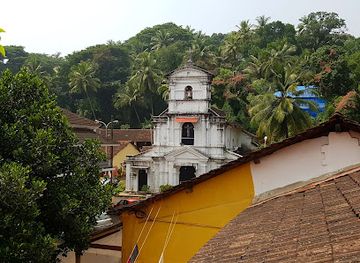


Best landmarks in Fontainhas
The Chapel of Saint Sebastian is Fontainhas’s most recognisable religious landmark, standing within the residential streets and contributing a strong visual focus to the quarter. Its white exterior and prominent crucifix contrast with the surrounding coloured houses, while the chapel remains a place of worship rather than simply a photographic setting. The historic homes along Rua 31 de Janeiro, Rua de São Tomé and nearby lanes form a broader architectural landmark in their own right, displaying tiled roofs, stucco ornament, balconies, verandas and climate-conscious layouts. Small shrines, old walls and surviving domestic details connect the streetscape to Panaji’s late Portuguese-period growth. The Ourem Creek marks the neighbourhood’s edge and helps explain its traditional relationship with water, access and settlement, while the adjoining São Tomé streets extend the historic urban fabric without being identical to Fontainhas.
-
Historical landmark
Azad Maidan
Discover the historical charm of Azad Maidan in Panaji, a serene park and monument celebrating Goa's vibrant culture and rich heritage.
8 min walk · 0.7 km from neighbourhood centre
-
Historical landmark
Fontainhas
Discover the enchanting charm of Fontainhas, Goa's vibrant Latin Quarter, known for its colorful houses, history, and artistic ambiance.
6 min walk · 0.5 km from neighbourhood centre
-
Tourist attraction
Fountainhas bridge art
Discover Goa's artistic marvel at Fountainhas Bridge, a picturesque pedestrian bridge blending stunning views with rich cultural heritage.
2 min walk · 0.1 km from neighbourhood centre
-
Chapel
St. Sebastian's Chapel, Goa
Discover the serene beauty and rich history of St. Sebastian's Chapel in Panaji, Goa, a captivating blend of faith and architecture.
1 min walk · 0.1 km from neighbourhood centre


Explore Fontainhas on the map
A handpicked selection of must-see spots in Fontainhas, mapped for you.
Best hotels in Fontainhas
Best restaurants in Fontainhas
Fontainhas and adjoining São Tomé offer a compact dining scene shaped by Panaji’s Goan and Portuguese-influenced food culture. Visitors may encounter small cafés, bakeries, taverns and intimate restaurants serving dishes associated with coastal Goa alongside contemporary interpretations and everyday snacks. The neighbourhood is particularly suited to an unhurried meal or coffee between architectural walks, with older houses sometimes adapted as hospitality spaces while retaining verandas and courtyard layouts. Dining options are more concentrated around the edges and nearby commercial lanes than deep inside the quietest residential streets. Local Goan cooking commonly reflects rice, seafood, coconut, vinegar, spices and Catholic culinary traditions, while nearby Panaji provides a broader choice of regional Indian and international food. Specific menus and opening arrangements vary, so checking locally is sensible, especially outside peak visitor periods.
-
Family-friendly
Viva Panjim
Discover the vibrant flavors of Goa at Viva Panjim - a family-friendly haven for culinary delights from Chinese to traditional Goan cuisine.
1 min walk · 0.1 km from neighbourhood centre
-
Family-friendly
Sitara Restaurant
Discover the delightful flavors of Goa at Sitara Restaurant in Panaji—perfect for families seeking breakfast and fast food delights.
2 min walk · 0.2 km from neighbourhood centre
-
Italian
Casanoni Trattoria
Experience authentic Italian flavors at Casanoni Trattoria in Panaji's charming Fontainhas quarter - a must-visit for food lovers!
1 min walk · 0.1 km from neighbourhood centre
-
Restaurant
Greenr Cafe
Discover Greenr Cafe in Panaji: A vegan paradise offering fresh, organic meals in a charming Goan setting.
1 min walk · 0.1 km from neighbourhood centre


Best bars in Fontainhas
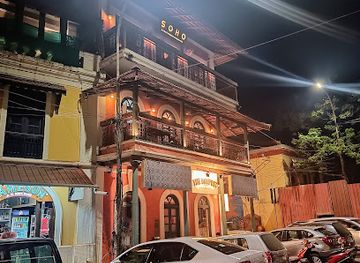
Fontainhas is not a nightclub district; evenings here are generally more intimate and residential, with conversation, dining and small-scale cultural activity taking precedence over loud entertainment. Traditional Goan taverns, cafés and restaurants are found in and around the quarter and neighbouring São Tomé, where visitors can encounter local drinks, seafood snacks and the sociable atmosphere associated with old Panaji. Some heritage properties and creative venues host music, exhibitions or cultural events, particularly during festival periods, but programmes and access vary. The most rewarding evening route usually combines a meal with a quiet walk past illuminated façades rather than a circuit of large clubs. Keep voices and music low on residential lanes, and use a taxi or auto-rickshaw if returning late from a venue elsewhere in Panaji.
-
Tapas Bar
Joseph Bar
Experience the vibrant nightlife of Goa at Joseph Bar, a popular tapas bar offering delicious bites and affordable drinks in a lively atmosphere.
2 min walk · 0.2 km from neighbourhood centre
-
Pub
Soho
Discover Soho, Panaji's vibrant pub offering an electrifying nightlife experience with great music, cozy ambiance, and delicious drinks.
5 min walk · 0.4 km from neighbourhood centre
-
Tapas Bar
Antonio@31
Discover the vibrant flavors of Goa at Antonio@31, a tapas bar where local ingredients meet creative culinary artistry in a cozy atmosphere.
3 min walk · 0.2 km from neighbourhood centre
-
Bar
For The Record - Vinyl Bar
Discover the eclectic blend of music and cuisine at For The Record, Panaji's premier vinyl bar and restaurant.
9 min walk · 0.7 km from neighbourhood centre


Best nightclubs in Fontainhas
Fontainhas is not a nightclub district; evenings here are generally more intimate and residential, with conversation, dining and small-scale cultural activity taking precedence over loud entertainment. Traditional Goan taverns, cafés and restaurants are found in and around the quarter and neighbouring São Tomé, where visitors can encounter local drinks, seafood snacks and the sociable atmosphere associated with old Panaji. Some heritage properties and creative venues host music, exhibitions or cultural events, particularly during festival periods, but programmes and access vary. The most rewarding evening route usually combines a meal with a quiet walk past illuminated façades rather than a circuit of large clubs. Keep voices and music low on residential lanes, and use a taxi or auto-rickshaw if returning late from a venue elsewhere in Panaji.
-
Tapas Bar
Joseph Bar
Discover the charming Joseph Bar in Panaji, Goa, where lively tapas dining meets vibrant local culture in a warm atmosphere.
2 min walk · 0.2 km from neighbourhood centre
-
Pub
Soho
Experience the vibrant nightlife of Panaji at Soho, where music, drinks, and good company come together for unforgettable evenings.
5 min walk · 0.4 km from neighbourhood centre
-
Bar
For The Record - Vinyl Bar
Discover the unique vibe of For The Record, a vinyl bar in Panaji, Goa, where music, nostalgia, and good drinks come together for an unforgettable experience.
9 min walk · 0.7 km from neighbourhood centre
-
Bar
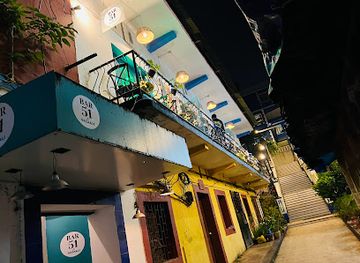
BAR 51
Experience the vibrant nightlife at BAR 51 in Panaji, Goa, where exceptional cocktails and a lively atmosphere await.
5 min walk · 0.4 km from neighbourhood centre


Best shops in Fontainhas
Fontainhas is not a dedicated shopping district, and its appeal lies more in architecture, food and local culture than in a concentration of retail outlets. Small cafés, bakeries, galleries, design-oriented spaces and independent businesses can be found in or near the heritage lanes, with a wider selection of everyday shops in central Panaji and São Tomé. Visitors interested in Goan products may encounter regional sweets, baked goods, handicrafts, art and locally inspired design, but stock and trading arrangements vary between businesses. The neighbourhood is better approached as a place to browse carefully than as a retail destination: look for adaptive reuse of old houses, talk with shopkeepers where appropriate and avoid blocking narrow entrances. Larger commercial choices are available elsewhere in Panaji, while Fontainhas supplies the more atmospheric setting for small-scale, culturally connected purchases.
-
Designer Clothing Store
The Good Life Goa
Explore a stylish blend of contemporary fashion and Goan culture at The Good Life Goa, the ultimate designer clothing destination in Panaji.
1 min walk · 0.1 km from neighbourhood centre
-
Grocery store
Global To Local (A Goan Supermarket)
Discover the best local and international flavors at Global To Local Supermarket in Panaji, Goa – a culinary treasure for every traveler.
1 min walk · 0.1 km from neighbourhood centre
-
 Designer Clothing Store
SYNE
Explore SYNE in Panaji, Goa for a unique shopping experience featuring trendy designer clothing and local fashion creativity.
1 min walk · 0.1 km from neighbourhood centre
-
Boutique
Indian Story
Discover Indian Story, a boutique in Panaji offering exquisite couture, jewelry, and stylish clothing for a unique Goan shopping experience.
9 min walk · 0.7 km from neighbourhood centre


Fontainhas essentials
Getting There
Getting Around
Safety
Emergency Situations
Do's and Don'ts
Local Tips

From Eve
Local phrases worth knowing
You don't need to get them perfect. A few words go a long way, and locals appreciate the effort.
Basics
| English | Local | Say it |
|---|---|---|
| Hello | नमस्कार | [namaskar] |
| Goodbye | अलविदा | [alvida] |
| Yes | हाँ | [haan] |
| No | नहीं | [nahin] |
| Please/You're welcome | कृपया | [krupaya] |
| Thank you | धन्यवाद | [dhanyavad] |
| Excuse me/Sorry | क्षमा करें | [kshama karein] |
| How are you? | आप कैसे हैं? | [aap kaise hain?] |
| Fine. And you? | ठीक हूँ। आप? | [thik hoon. aap?] |
| Do you speak English? | क्या आप अंग्रेज़ी बोलते हैं? | [kya aap angrezi bolte hain?] |
| I don't understand | मुझे समझ में नहीं आया | [mujhe samajh mein nahi aaya] |
Eating & Drinking
| English | Local | Say it |
|---|---|---|
| I'd like to see the menu, please | कृपया मेन्यू दिखाइए | [krupaya menu dikhaiye] |
| I don't eat meat | मैं मांस नहीं खाता | [main maans nahi khaata] |
| Cheers! | चियर्स! | [cheers!] |
| I would like to pay, please | कृपया मैं भुगतान करना चाहूँ | [krupaya main bhugtan karna chaahoon] |
Emergencies
| English | Local | Say it |
|---|---|---|
| Help! | बचाओ! | [bachao!] |
| Go away! | चले जाओ! | [chale jao!] |
| Call the Police! | पुलिस को बुलाओ! | [police ko bulaao!] |
| Call a doctor! | डॉक्टर को बुलाओ! | [doctor ko bulaao!] |
| I'm lost | मैं खो गया/गई हूँ | [main kho gaya/gayi hoon] |
| I'm ill | मुझे बीमारी है | [mujhe bimaari hai] |
Shopping
| English | Local | Say it |
|---|---|---|
| I'd like to buy... | मैं ... खरीदना चाहूँगा/चाहूँगी | [main ... khareedna chaahunga/chaahoongi] |
| I'm just looking | मैं सिर्फ देख रहा/रही हूँ | [main sirf dekh raha/rahi hoon] |
| How much is it? | यह कितने का है? | [yah kitne ka hai?] |
| That's too expensive | यह बहुत महंगा है | [yah bahut mahnga hai] |
| Can you lower the price? | क्या आप कीमत कम कर सकते हैं? | [kya aap keemat kam kar sakte hain?] |
Time & Numbers
| English | Local | Say it |
|---|---|---|
| What time is it? | अब कितने बजे हैं? | [ab kitne baje hain?] |
| It's one o'clock | एक बजे हैं | [ek baje hain] |
| Half past (10) | (दस बजे) ढाई बजे | [(das baje) dhaai baje] |
| Morning | सुबह | [subah] |
| Afternoon | दोपहर | [dopahar] |
| Evening | शाम | [shaam] |
| Yesterday | कल | [kal] |
| Today | आज | [aaj] |
| Tomorrow | कल | [kal] |
| 1 | एक | [ek] |
| 2 | दो | [do] |
| 3 | तीन | [teen] |
| 4 | चार | [chaar] |
| 5 | पांच | [paanch] |
| 6 | छह | [chhe] |
| 7 | सात | [saat] |
| 8 | आठ | [aath] |
| 9 | नौ | [nau] |
| 10 | दस | [das] |
Transport & Directions
| English | Local | Say it |
|---|---|---|
| Where's a/the...? | ... कहाँ है? | [... kahan hai?] |
| What's the address? | पता क्या है? | [pata kya hai?] |
| Can you show me (on the map)? | क्या आप मुझे (नक्शे पर) दिखा सकते हैं? | [kya aap mujhe (naksha par) dikha sakte hain?] |
| When's the next (bus)? | अगली (बस) कब है? | [agli (bas) kab hai?] |
| A ticket (to ....) | एक टिकट (.... के लिए) | [ek ticket (... ke liye)] |
History of Fontainhas
From Springs to Panaji’s Expansion
Fontainhas is traditionally associated with the springs on the lower slopes of Altinho, and its name is often explained through that watery landscape. For centuries the area formed part of the hinterland around the older settlement of Panaji, known historically as Pangim or Nova Goa in Portuguese usage. Its importance grew as Panaji developed into the capital of Portuguese India during the nineteenth century. The quarter’s lanes and houses reflect this period of urban expansion, when residential districts were established close to administrative, commercial and river connections without adopting the monumental scale of the capital’s major civic buildings.
A Goan-Portuguese Residential Quarter
During the late nineteenth and early twentieth centuries, Fontainhas became a settled neighbourhood of Goan families, clerks, professionals and tradespeople. Houses were adapted to the tropical climate with deep eaves, balconies, internal courtyards, high ceilings and shaded verandas, while Portuguese planning and Catholic domestic customs shaped the streetscape. The quarter’s architecture was not a single formal style imposed at one time; it developed through local building practices, inherited designs and successive alterations. This combination explains the variety of façades visible today, from modest homes to more ornamented residences near the main lanes.
Panaji after Liberation
When Goa became part of India in 1961, Panaji entered a new political and administrative era, but Fontainhas retained much of its residential fabric. As the city modernised, some traditional houses were altered, subdivided or left in need of repair, while newer construction appeared around the historic quarter. The neighbourhood’s location near the river, central Panaji and the older São Tomé area kept it connected to daily commerce even as the city’s institutions and transport patterns changed. Its continued occupation by residents is an important part of its heritage, distinguishing it from a district preserved only for visitors.
Heritage Recognition and Cultural Renewal
From the late twentieth century onwards, Fontainhas attracted growing attention from architects, artists, photographers and heritage organisations because of its coherent streetscape and surviving Indo-Portuguese houses. Cultural programming, including the Fontainhas Festival of Art and Culture, helped bring exhibitions and performances into the lanes, while selected homes and historic properties were restored or adapted for hospitality and creative use. This renewed visibility has made the quarter one of Panaji’s most recognisable cultural areas, but it has also sharpened the need to balance tourism, conservation, private ownership and the everyday life of local residents.
Fontainhas in Photos
Browse through our photo collection highlighting the charm and character of the destination.
Neighbourhoods near Fontainhas
The closest neighbourhoods to Fontainhas, if you have time for more than one stop.
-

-


Swipe for more neighbourhoods
Explore more

Explore more of Panaji
Panaji, Goa’s riverside capital blends Portuguese-era streets, Mandovi sunsets, Konkani cuisine, galleries and easy access to historic Old Goa.
Explore Panaji