

Auroville (Pondicherry) Travel Guide - Free
Explore Auroville in Pondicherry with Evendo's free guide. Find the best shops, historic streets, restaurants, and gems on web or mobile.


Auroville near Pondicherry blends experimental community life, the Matrimandir, forest paths, organic farms, cafés and thoughtful cultural encounters.
A Planned Community in the Countryside
Auroville lies about 10 kilometres north of Pondicherry, spreading across a semi-rural landscape of red earth, casuarina groves, restored woodland, farms and small settlements. It is not a conventional neighbourhood with a compact centre: its communities and work units are distributed across a broad area, connected by sandy tracks, tree-lined roads and cycle routes. Founded as an international township, Auroville was intended as a place where residents could explore collective living, sustainable development and spiritual practice beyond conventional national and religious divisions.Read more about Auroville
The Matrimandir and the Auroville Landscape
Everyday Life and Visitor Encounters
Best attractions in Auroville
The Matrimandir is Auroville's defining attraction: its golden geodesic sphere rises from landscaped gardens at the centre of the township, while the Visitors Centre explains the project's history and provides the principal public orientation point. Access to the inner meditation chamber follows a controlled procedure, so visitors should distinguish between viewing the structure and entering it. Around the central area, woodland paths, carefully managed gardens and quiet spaces offer a sense of Auroville's environmental ambitions. Further afield, the Auroville Botanical Gardens, Savitri Bhavan, Bharat Nivas and a range of community farms, studios and educational initiatives show how the township operates beyond its central symbol. The attraction is not a dense collection of monuments but a scattered landscape of architecture, ecology, social experimentation and working community projects, reached along roads and tracks through the surrounding countryside.
-
Tourist attraction
Matrimandir View Point
Discover the tranquil beauty of Matrimandir View Point in Auroville, a spiritual sanctuary and stunning tourist attraction for seekers of peace and harmony.
3 min walk · 0.2 km from neighbourhood centre
-
Tourist attraction
Auroville Matrimandir
Discover peace and spirituality at Auroville Matrimandir, a unique architectural gem in Tamil Nadu that promotes unity and meditation.
1 min walk · 0.1 km from neighbourhood centre
-
Tourist attraction
Auroville Golden Globe Viewpoint
Explore the Auroville Golden Globe Viewpoint for breathtaking views and a serene escape into nature's beauty in Tamil Nadu.
2 min walk · 0.2 km from neighbourhood centre
-
Tourist attraction
Savitri Bhavan
Explore Savitri Bhavan in Auroville, a serene museum dedicated to the teachings of Sri Aurobindo and the Mother, embracing spirituality and unity.
9 min walk · 0.7 km from neighbourhood centre


Best landmarks in Auroville
The Matrimandir is Auroville's principal architectural and symbolic landmark, a large golden sphere designed as a meditation space and positioned within the township's planned centre. Its surrounding gardens and radial landscape express the settlement's attempt to organise a new urban form around contemplation rather than conventional commercial streets. The Visitors Centre is another important point of reference, linking the public experience with explanations of Auroville's origins and ideals. Elsewhere, landmarks are often less monumental but still significant: Bharat Nivas represents the township's international cultural purpose, Savitri Bhavan is associated with study and the writings of Sri Aurobindo and the Mother, and reforested roads, farms and experimental buildings embody Auroville's ecological ambitions. The relationship between these structures and the surrounding Tamil villages is equally important to understanding the area's physical and social character.
-
Tourist attraction
Matrimandir View Point
Discover the tranquil beauty of the Matrimandir View Point in Auroville, a serene retreat for reflection and meditation amidst lush landscapes.
3 min walk · 0.2 km from neighbourhood centre
-
Park
Auroville Matrimandir
Experience peace and harmony at Auroville Matrimandir, a spiritual oasis blending stunning architecture with lush gardens for meditation and reflection.
1 min walk · 0.1 km from neighbourhood centre
-
Tourist attraction
Auroville Golden Globe Viewpoint
Experience the serene beauty and unity of Auroville at the Golden Globe Viewpoint, where panoramic views meet tranquility.
2 min walk · 0.2 km from neighbourhood centre
-
Museum
Savitri Bhavan
Discover peace and inspiration at Savitri Bhavan, a unique museum in Auroville dedicated to Sri Aurobindo's epic poem, 'Savitri'.
9 min walk · 0.7 km from neighbourhood centre


Explore Auroville on the map
A handpicked selection of must-see spots in Auroville, mapped for you.
Best hotels in Auroville
Best restaurants in Auroville
Auroville's dining culture reflects its history of communal living, ecological experimentation and international settlement, with vegetarian cooking, organic ingredients and simple café settings more characteristic than formal restaurant districts. Around the Visitors Centre and the communities near Kuilapalayam, visitors may find bakeries, cafés and restaurants associated with Auroville enterprises, including places such as Bread & Chocolate and Tanto, though individual operations and access can change. Menus often combine Indian flavours with international vegetarian and plant-focused cooking, while farms and food projects connect eating with local cultivation. The scene is dispersed rather than concentrated on one shopping street, and some community kitchens or food initiatives serve residents rather than casual visitors. In nearby Tamil villages and along the approaches to Auroville, local eateries add a different dining perspective, with South Indian breakfasts, rice dishes, snacks and filter coffee alongside the township's more global café culture.
-
Vegetarian
Hope cafe @Auroville Main Road
Experience the essence of vegetarian cuisine at Hope Cafe in Auroville - where health meets flavor in a serene setting.
7 min drive · 2.4 km from neighbourhood centre
-
 South Indian
The Secret Garden Restaurant
Savor authentic South Indian dishes amidst lush greenery at The Secret Garden Restaurant in Auroville - perfect for breakfast or lunch.
19 min walk · 1.5 km from neighbourhood centre
-
Pizza
RED CHILLY CAFE
Discover the best pizza and authentic Italian cuisine at Red Chilly Cafe in Auroville – a must-visit destination for food lovers.
5 min drive · 1.8 km from neighbourhood centre
-
North Indian
Bro's plan B restaurant
Experience the best of North Indian cuisine at Bro's Plan B Restaurant in Auroville - where flavor meets tradition.
17 min walk · 1.3 km from neighbourhood centre


Best bars in Auroville
Auroville is not a nightlife district, and its evenings are generally quieter and more community-oriented than those of central Pondicherry. Social life tends to gather around cafés, shared meals, cultural programmes, music, talks and occasional performances rather than dedicated nightclubs. Some restaurants and cafés may serve alcohol where permitted, but visitors should not assume a late-night bar scene or fixed entertainment schedule. The dispersed layout and limited lighting also make spontaneous movement between communities inconvenient after dark, particularly for cyclists and walkers. Travellers seeking Pondicherry's broader selection of bars, live-music venues and evening waterfront activity will need to return to the city, while those staying in Auroville are more likely to encounter informal gatherings, workshops or performances connected with local projects. Check current community listings or ask locally about events, as programmes and access can vary.
-
Hungarian
Kurtosshhh Auroville
Discover the best of Hungarian cuisine in Auroville at Kurtosshhh, where delicious food meets a cozy café ambiance.
5 min drive · 1.8 km from neighbourhood centre
-
Restaurant
La Terrace Cafe
Discover the flavors of sustainability at La Terrace Cafe in Auroville, offering organic delights in a serene setting.
8 min walk · 0.6 km from neighbourhood centre
-
North Indian
Bro's plan B restaurant
Experience the rich flavors of North Indian cuisine at Bro's Plan B Restaurant in Auroville, a must-visit culinary gem in Puducherry.
17 min walk · 1.3 km from neighbourhood centre
-
Restaurant
Conscious Cafe
Experience sustainable dining at Conscious Cafe in Auroville, where organic ingredients meet a vibrant atmosphere for a unique culinary journey.
5 min drive · 1.8 km from neighbourhood centre


Best nightclubs in Auroville
Auroville is not a nightlife district, and its evenings are generally quieter and more community-oriented than those of central Pondicherry. Social life tends to gather around cafés, shared meals, cultural programmes, music, talks and occasional performances rather than dedicated nightclubs. Some restaurants and cafés may serve alcohol where permitted, but visitors should not assume a late-night bar scene or fixed entertainment schedule. The dispersed layout and limited lighting also make spontaneous movement between communities inconvenient after dark, particularly for cyclists and walkers. Travellers seeking Pondicherry's broader selection of bars, live-music venues and evening waterfront activity will need to return to the city, while those staying in Auroville are more likely to encounter informal gatherings, workshops or performances connected with local projects. Check current community listings or ask locally about events, as programmes and access can vary.
-
Bar
BAR Puducherry
Discover the tranquil charm of BAR Puducherry, a perfect retreat for relaxation and socializing in the heart of Auroville.
7 min drive · 2.3 km from neighbourhood centre
-
Night club
Aura Cafe
Discover the vibrant nightlife of Aura Cafe in Auroville, a cultural hotspot perfect for socializing and enjoying local entertainment.
7 min drive · 2.5 km from neighbourhood centre
-
Bar
Leox_villa 2
Discover the tranquility of Auroville at Leox Villa 2, where refreshing drinks meet a serene atmosphere for a perfect evening retreat.
7 min drive · 2.4 km from neighbourhood centre


Best shops in Auroville
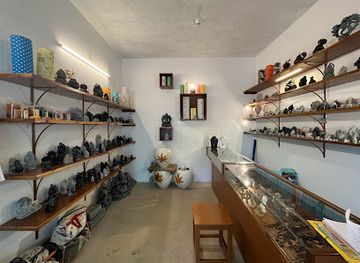
Shopping in Auroville centres on community enterprises and small-scale production rather than conventional retail streets. Visitors may encounter handmade clothing, organic body-care products, incense, ceramics, paper goods, furniture, natural materials and other crafts sold through Auroville-linked outlets and workshops. The Auroville Visitors Centre has retail spaces where a broad selection of local products can be encountered, while other enterprises are scattered among farms, studios and residential communities and may require directions or prior arrangements. The commercial culture is closely connected with the township's long-running interests in craft, ethical production, design and self-support, although products and opening arrangements vary. Nearby Tamil villages provide a contrasting everyday shopping environment, with provisions, snacks and practical goods rather than curated international crafts. Visitors should ask before photographing workshops and avoid treating working production spaces as display areas.
-
Gift shop
Auro Crafts
Explore Auro Crafts, where handmade treasures and local artistry come together in Auroville's vibrant gift shop.
6 min drive · 1.9 km from neighbourhood centre
-
Designer Clothing Store
Miniature Auroville
Explore Miniature Auroville, a designer clothing store offering unique, sustainable fashion inspired by the vibrant Auroville community.
15 min walk · 1.2 km from neighbourhood centre
-
Shopping mall
La Boutique d' Auroville
Discover the vibrant essence of Auroville at La Boutique d' Auroville, where sustainable shopping meets local artistry in a delightful atmosphere.
14 min walk · 1.2 km from neighbourhood centre
-
General store
Sakthi Store
Explore local flavors and unique finds at Sakthi Store, Auroville's delightful general store that offers a taste of Puducherry's vibrant culture.
6 min drive · 2.0 km from neighbourhood centre


Auroville essentials
Getting There
Getting Around
Safety
Emergency Situations
Do's and Don'ts
Local Tips

From Eve
Local phrases worth knowing
You don't need to get them perfect. A few words go a long way, and locals appreciate the effort.
Basics
| English | Local | Say it |
|---|---|---|
| Hello | வணக்கம் | [vaṇakkam] |
| Goodbye | வருக | [varuga] |
| Yes | ஆம் | [ām] |
| No | இல்லை | [illai] |
| Please/You're welcome | தயவு செய்து | [tayavu ceytu] |
| Thank you | நன்றி | [naṉṟi] |
| Excuse me/Sorry | மன்னிக்கவும் | [maṉṉikkavum] |
| How are you? | எப்படி இருக்கிறீர்கள்? | [eppaṭi irukkiṟīrkaḷ?] |
| Fine. And you? | நன்று. உங்களுக்கு? | [naṉṟu. uṅkaḷukku?] |
| Do you speak English? | உங்கள் ஆங்கிலம் பேசுகிறீர்களா? | [uṅkaḷ āṅkilam pēsukiṟīrkaḷā?] |
| I don't understand | நான் புரியவில்லை | [nāṉ puriyavillai] |
Eating & Drinking
| English | Local | Say it |
|---|---|---|
| I'd like to see the menu, please | மெனுவை பார்க்க விரும்புகிறேன் | [menuvai pārkka virumpukiṟēṉ] |
| I don't eat meat | நான் மாம்சம் சாப்பிடுவதில்லை | [nāṉ māmsam cāppiṭuvadillai] |
| Cheers! | அன்புடன்! | [aṉpuṭaṉ!] |
| I would like to pay, please | சம்பளம் செலுத்த விரும்புகிறேன் | [sampalaṉ celutta virumpukiṟēṉ] |
Emergencies
| English | Local | Say it |
|---|---|---|
| Help! | உதவி! | [utavi!] |
| Go away! | போய்! | [pōy!] |
| Call the Police! | காவல் அலுவலரை அழையுங்கள்! | [kāval aluvalarai aḻaiyuṅkaḷ!] |
| Call a doctor! | ஒரு மருத்துவரை அழையுங்கள்! | [oru maruttuvarai aḻaiyuṅkaḷ!] |
| I'm lost | நான் பாதியில்லை | [nāṉ pātiyillai] |
| I'm ill | எனக்கு நோய் உள்ளது | [eṉakku nōy uḷḷadu] |
Shopping
| English | Local | Say it |
|---|---|---|
| I'd like to buy... | வாங்க விரும்புகிறேன்... | [vāṅka virumpukiṟēṉ...] |
| I'm just looking | நான் பார்க்கிறேன் | [nāṉ pārkiṟēṉ] |
| How much is it? | அதன் விலை என்ன? | [ataṉ vilai eṉṉa?] |
| That's too expensive | அது மிகவும் விலையாகுகிறது | [atu mikavum vilaiyākuṟatu] |
| Can you lower the price? | விலையை குறைக்க முடியுமா? | [vilaiyai kuṟaikka muṭiyumā?] |
Time & Numbers
| English | Local | Say it |
|---|---|---|
| What time is it? | எந்த நேரம்? | [entha nēram?] |
| It's one o'clock | ஒரு மணி | [oru maṇi] |
| Half past (10) | பத்து மணி பிற்கு | [pattu maṇi piṟku] |
| Morning | காலை | [kālai] |
| Afternoon | மதியம் | [madiyam] |
| Evening | மலை | [malai] |
| Yesterday | நேற்று | [nēṟṟu] |
| Today | இன்று | [iṉṟu] |
| Tomorrow | நாளை | [nāḷai] |
| 1 | ஒன்று | [oṉṟu] |
| 2 | இரண்டு | [iraṇṭu] |
| 3 | மூன்று | [mūṉṟu] |
| 4 | நான்கு | [nāṉku] |
| 5 | ஐந்து | [aindu] |
| 6 | ஆறு | [āṟu] |
| 7 | ஏழு | [ēḻu] |
| 8 | எட்டு | [eṭṭu] |
| 9 | ஒன்பது | [onpatu] |
| 10 | பத்து | [pattu] |
Transport & Directions
| English | Local | Say it |
|---|---|---|
| Where's a/the...? | ...எங்கே? | [...eṅkē?] |
| What's the address? | முகவரி என்ன? | [mukavari eṉṉa?] |
| Can you show me (on the map)? | எனக்கு கார்ட்டுவில் காண்க? | [eṉakku kāṟṟuviḷ kāṇka?] |
| When's the next (bus)? | அடுத்த பேருந்து எப்போது? | [atuṯṯa pēruntu eppōtu?] |
| A ticket (to ....) | ஒரு டிக்கெட் (...க்கு) | [oru ṭikkeṭ (...kku)] |
History of Auroville
The Vision of Auroville
Auroville emerged from the ideas of Sri Aurobindo and Mirra Alfassa, known to followers as the Mother, whose ashram in Pondicherry had developed a philosophy of spiritual and social transformation. In the 1960s, the Mother proposed an international township where people could live beyond conventional national divisions while working towards a collective ideal. The area selected north of Pondicherry was then a dry, environmentally degraded landscape interspersed with Tamil villages and scattered cultivation. This setting shaped Auroville's early emphasis on reforestation, water conservation, sustainable agriculture and experimental architecture.
Inauguration in 1968
Auroville was inaugurated on 28 February 1968 in a ceremony attended by representatives of many countries and Indian states. Soil from participating nations was placed in an urn, symbolising the township's international ambition, while the Charter of Auroville articulated its principles of belonging to humanity as a whole, continuous learning, service to a higher ideal and material support for the collective. The early settlement developed through small communities, workshops, farms and ecological projects rather than through a conventional urban grid. Its planned centre, now associated with the Matrimandir, remained surrounded by a much broader rural landscape.
From International Project to Indian Institution
Auroville's development involved both international support and complex relationships with the surrounding villages and Indian authorities. UNESCO adopted resolutions supporting the project on several occasions, helping establish its international profile, while questions about administration and stewardship led to the Auroville Foundation Act of 1988. The Act placed key assets and governance arrangements within an Indian statutory framework while retaining the township's distinctive aims. During this period, reforestation, educational work, handicrafts, renewable-energy experiments and community enterprises became increasingly important parts of local life.
Ecology, Enterprise and Continuing Debate
From the late twentieth century onwards, Auroville became known for converting parts of a heavily eroded landscape into woodland, farmland and managed water systems. Its communities developed initiatives in organic cultivation, alternative building, renewable energy, education and small-scale manufacturing, alongside cafés and visitor facilities. The township has also remained a place of debate over governance, land, development, economic inequality and its relationship with neighbouring Tamil communities. Those tensions are part of its contemporary history: Auroville is neither a finished utopian city nor simply a tourist site, but an evolving settlement whose ideals continue to be tested by everyday administration and growth.
Auroville in Photos
Browse through our photo collection highlighting the charm and character of the destination.
Neighbourhoods near Auroville
The closest neighbourhoods to Auroville, if you have time for more than one stop.
-

-
-


Swipe for more neighbourhoods
Explore more

Explore more of Pondicherry
Pondicherry blends French colonial streets, Tamil heritage, seaside promenades, ashram culture and distinctive South Indian food in Puducherry, India.
Explore Pondicherry