

Free Pondicherry Travel Guide & Mobile App
Plan your Pondicherry trip with Evendo. Get free guides to top attractions, restaurants, hotels, and bars. Web access or download the mobile app.


Pondicherry blends French colonial streets, Tamil heritage, seaside promenades, ashram culture and distinctive South Indian food in Puducherry, India.
Colonial Streets by the Bay
Pondicherry, officially Puducherry, occupies a distinctive corner of India’s Coromandel Coast, where Tamil culture, French colonial planning and the Bay of Bengal meet. The former French settlement is concentrated around the White Town quarter, where mustard-yellow villas, shuttered windows, arcaded verandas and tree-lined streets form a calm urban grid beside the seafront. The long promenade along Goubert Avenue is the city’s most recognisable public space, with the deep-water horizon, the French War Memorial and the statue of Mahatma Gandhi providing a memorable coastal outlook.Read more about Pondicherry
Heritage and Spiritual Life
Coastal Landscapes and Nearby History
When is the best time to visit Pondicherry?
Best: January–March · 30–31°C| Month | High (°C) | Rainfall (mm) |
|---|---|---|
| January (best) | 30 | 50 |
| February (best) | 30 | 40 |
| March (best) | 31 | 30 |
| April | 33 | 20 |
| May | 34 | 20 |
| June | 35 | 20 |
| July | 34 | 20 |
| August | 34 | 20 |
| September | 33 | 30 |
| October | 32 | 40 |
| November | 31 | 50 |
| December | 30 | 50 |
Getting to and around Pondicherry
How to get there
Transportation
Best attractions in Pondicherry
Puducherry’s sightseeing is concentrated in a compact historic core but extends into a wider coastal and archaeological landscape. White Town rewards slow walks past painted colonial villas, quiet lanes and the seafront promenade, while the Sri Aurobindo Ashram offers a contemplative cultural experience centred on the former homes of Sri Aurobindo and the Mother. The Pondicherry Museum presents local archaeology, sculpture and colonial-era objects, and the nearby Bharathi Park provides a shaded pause among formal lawns and civic buildings. The Basilica of the Sacred Heart of Jesus adds a notable Gothic Revival presence, while the Tamil Quarter reveals courtyards, temples and everyday urban life often missed on a purely colonial itinerary. South of the centre, Arikamedu introduces the region’s ancient maritime connections; Auroville, with the Matrimandir, lies beyond the city and is best treated as a separate excursion.
-
Public beach
Rock Beach
Experience the tranquil beauty and cultural vibrancy of Rock Beach, a must-visit destination in Puducherry for every traveler.
9 min walk · 0.7 km from city centre
-
Hindu temple
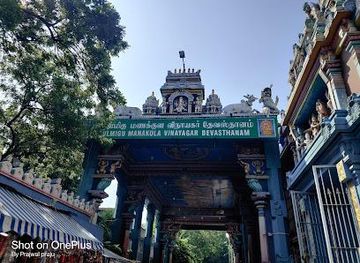
Arulmigu Manakula Vinayagar Devasthanam
Explore the Arulmigu Manakula Vinayagar Devasthanam, a vibrant Hindu temple in Puducherry, rich in culture, architecture, and spiritual experiences.
6 min walk · 0.5 km from city centre
-
Ashram
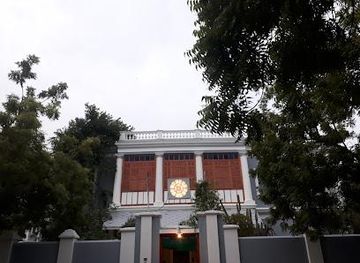
Sri Aurobindo Ashram
Experience peace and spirituality at Sri Aurobindo Ashram, a serene retreat in Puducherry that embodies the teachings of Sri Aurobindo and The Mother.
7 min walk · 0.5 km from city centre
-
Basilica
The Sacred Heart Basilica
Discover the architectural beauty and spiritual significance of The Sacred Heart Basilica, a must-visit landmark in Puducherry.
11 min walk · 0.9 km from city centre


Best landmarks in Pondicherry
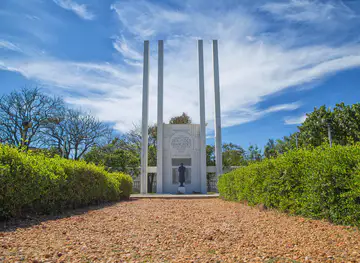
Puducherry’s landmarks express the meeting of colonial administration, Tamil religious life and modern Indian identity. The French War Memorial on Goubert Avenue commemorates soldiers from the former French establishments who died in the First World War, while the nearby statue of Mahatma Gandhi stands as one of the seafront’s most recognisable civic images. The Raj Nivas, formerly the residence of the French governors and now the Lieutenant Governor’s official residence, anchors the historic administrative quarter, although access is restricted. The Basilica of the Sacred Heart of Jesus is distinguished by its Gothic Revival form and prominent stained-glass tradition. The Sri Aurobindo Ashram is less a conventional monument than a living spiritual institution, centred on buildings associated with Sri Aurobindo and the Mother. Bharathi Park and the old boulevards complete the civic landscape shaped by French planning.
-
Public beach
Rock Beach
Experience the tranquil beauty and cultural richness of Rock Beach in Puducherry, a captivating escape along the Bay of Bengal.
9 min walk · 0.7 km from city centre
-
Hindu temple
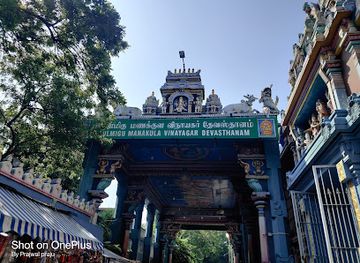
Arulmigu Manakula Vinayagar Devasthanam
Explore the majestic Arulmigu Manakula Vinayagar Devasthanam, a vibrant Hindu temple in Puducherry, rich in culture and spiritual heritage.
6 min walk · 0.5 km from city centre
-
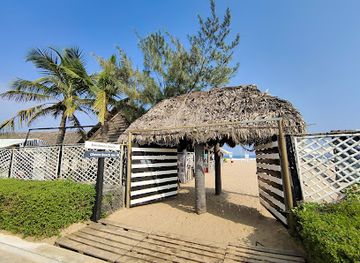
Beach pavillion
Paradise Beach Puducherry
Discover the serene beauty of Paradise Beach Puducherry, a coastal retreat perfect for relaxation and adventure amid stunning natural landscapes.
20 min drive · 6.8 km from city centre
-
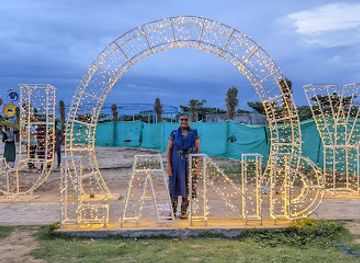
Tourist attraction
Pondy Marina
Explore the vibrant shores of Pondy Marina, where relaxation meets adventure amidst stunning coastal views and exciting local cuisine.
7 min drive · 2.3 km from city centre
Explore Pondicherry on the map
Plan your Pondicherry trip on one map. See where the top attractions, landmarks, restaurants, bars and hotels are, find what's near where you're staying, and book hotels and experiences in a few clicks.
Neighbourhoods in Pondicherry
-

-

-

-


Swipe for more neighbourhoods
Best hotels in Pondicherry
Best restaurants in Pondicherry
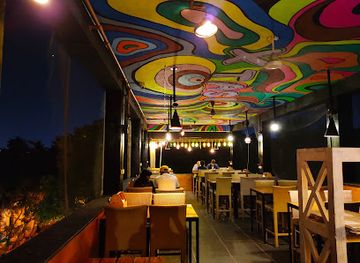
Puducherry’s food culture reflects its Tamil foundations, coastal setting and long French connection without reducing the city to a single cuisine. South Indian staples such as idli, dosa, vada, sambar and rice-based meals are widely available, while seafood draws on the Bay of Bengal and may appear in both home-style Tamil cooking and contemporary menus. French-influenced bakeries and cafés offer baguettes, pastries and crêpes, often alongside Indian breakfasts and filter coffee. The Sri Aurobindo Ashram’s legacy has also helped sustain a strong vegetarian tradition, with simple plant-based meals and health-conscious cafés prominent in the visitor districts. White Town contains many of the city’s cafés and modern restaurants, while the Tamil Quarter and local markets provide more informal eating. Menus and standards vary, so seasonal produce, regional specialities and busy local establishments are useful guides.
-
Non Vegetarian Restaurant
Hotel Karai Chettinad Restaurant
Experience authentic Chettinad flavors at Hotel Karai in Puducherry – where every dish tells a story.
7 min drive · 2.4 km from city centre
-
Pizza
Cafe Xtasi
Experience authentic Italian cuisine at Cafe Xtasi in Puducherry—home to delicious pizzas and a vibrant atmosphere.
2 min walk · 0.1 km from city centre
-
Hotel
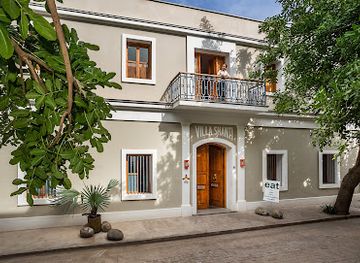
Villa Shanti Hotel & Restaurant
Experience the charm of Puducherry at Villa Shanti Hotel & Restaurant - where luxury meets local flavor.
7 min walk · 0.6 km from city centre
-
Indian
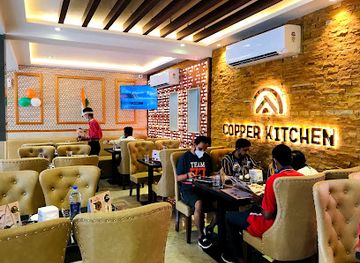
Copper Kitchen
Experience authentic Indian and Chettinad cuisine at Copper Kitchen in Puducherry - where flavor meets tradition.
7 min drive · 2.4 km from city centre

Best bars in Pondicherry
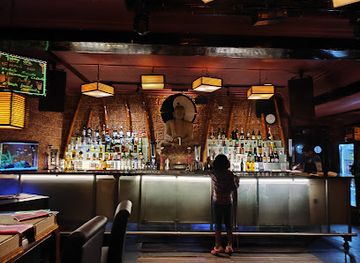
Puducherry’s evenings are generally relaxed rather than dominated by large nightclubs. White Town has the broadest selection of atmospheric cafés, hotel bars, wine-led venues and restaurants where visitors linger after the heat of the day, while the seafront promenade becomes a popular place for an evening walk. Entertainment may include occasional live music, small cultural performances and events hosted by cafés or hotels, but schedules and availability change. The city’s spiritual and residential character means that nightlife is more restrained than in India’s major party destinations, and some neighbourhoods become quiet relatively early. Alcohol is legally available to adults through licensed establishments, but visitors should observe local rules, drink responsibly and avoid carrying open alcohol into public or religious spaces. The Tamil Quarter offers evening street life and snacks rather than a concentrated club scene.
-
Bar
1 RUE SUFFREN - Best Resto Bar Restaurant in White Town - Pondicherry
Discover the culinary excellence of 1 RUE SUFFREN, a French seafood restaurant and bar in the heart of White Town, Puducherry.
6 min walk · 0.5 km from city centre
-
Pub
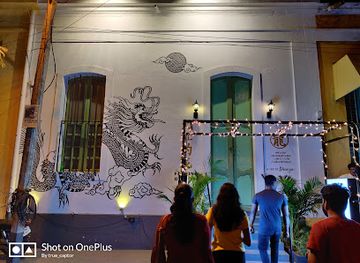
Flaming Dragons Lounge & Nightlife
Discover the energy of Puducherry at Flaming Dragons Lounge, where Asian flavors meet vibrant nightlife for an unforgettable experience.
9 min walk · 0.8 km from city centre
-
Pub
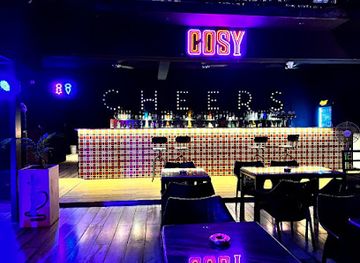
Cosy Pub
Discover the vibrant nightlife of Puducherry at Cosy Pub – where great drinks, stunning views, and lively vibes come together for an unforgettable experience.
11 min walk · 0.8 km from city centre
-
Pub
Asianhouse-Best pub in Pondicherry | Top-rated pub with live music dance floor and food offers| Nightlife Happy Hours
Dive into the vibrant nightlife of Pondicherry at Asianhouse, where live music, delicious food, and great drinks await every visitor.
13 min walk · 1.0 km from city centre
Best nightclubs in Pondicherry
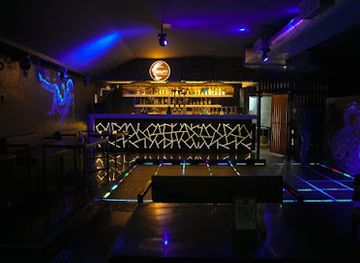
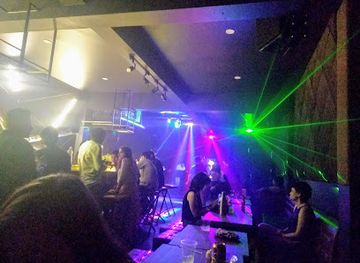
Puducherry’s evenings are generally relaxed rather than dominated by large nightclubs. White Town has the broadest selection of atmospheric cafés, hotel bars, wine-led venues and restaurants where visitors linger after the heat of the day, while the seafront promenade becomes a popular place for an evening walk. Entertainment may include occasional live music, small cultural performances and events hosted by cafés or hotels, but schedules and availability change. The city’s spiritual and residential character means that nightlife is more restrained than in India’s major party destinations, and some neighbourhoods become quiet relatively early. Alcohol is legally available to adults through licensed establishments, but visitors should observe local rules, drink responsibly and avoid carrying open alcohol into public or religious spaces. The Tamil Quarter offers evening street life and snacks rather than a concentrated club scene.
-
Night club
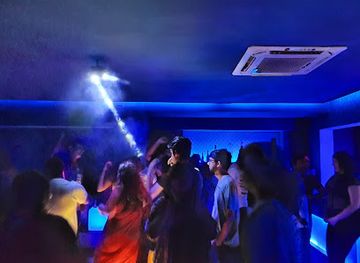
Flaming Dragons Lounge & Nightlife
Discover the electrifying nightlife at Flaming Dragons Lounge in Puducherry, where Asian cuisine meets vibrant dance floors and live music.
9 min walk · 0.8 km from city centre
-
Lounge
LB2 eclipse rooftop
Experience luxury dining at LB2 Eclipse Rooftop, where exquisite cuisine meets breathtaking views in the heart of Puducherry's White Town.
8 min walk · 0.6 km from city centre
-
Pub
GRAVITY RESTOPUB & HOOKAH CLUB-,NIGHTCLUB-Pondicherry
Discover the ultimate nightlife experience at Gravity Restopub & Hookah Club in Pondicherry, where delicious food meets vibrant entertainment.
14 min walk · 1.1 km from city centre
-
Disco club
CROSSKEYS RESTROPUB
Discover the vibrant nightlife at Crosskeys Restropub in Puducherry, where delicious food meets lively music for an unforgettable experience.
11 min walk · 0.9 km from city centre
Best shops in Pondicherry
Shopping in Puducherry ranges from everyday Tamil markets to small design-led businesses in restored White Town buildings. Nehru Street and the streets around the central market offer clothing, household goods, snacks, stationery and practical souvenirs, while boutiques in the French Quarter often sell handmade paper, candles, incense, textiles, ceramics, jewellery and contemporary crafts associated with the city’s ashram and artisan cultures. Visitors may also find leather goods, natural cosmetic products and regionally produced food items, though provenance and quality vary between sellers. Goubert Market provides a more local atmosphere, with produce, flowers and provisions rather than a purely souvenir-oriented experience. The city’s shopping character lies in the contrast between informal Tamil commerce, small independent workshops and polished lifestyle stores occupying colonial-era properties; bargaining is customary in some markets but not universally appropriate.
-
Clothing store
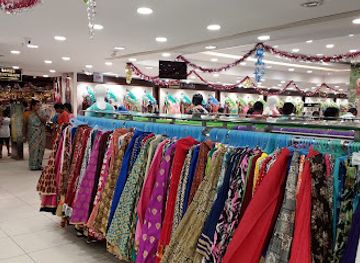
Pothys Pondicherry
Explore the vibrant essence of Indian textiles and fashion at Pothys Pondicherry, your ultimate shopping destination for clothing and accessories.
7 min walk · 0.6 km from city centre
-
Clothing store
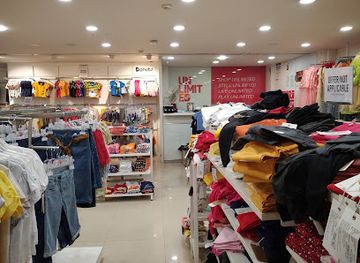
Unlimited Fashion Store - Pondicherry
Shop the latest trends at Unlimited Fashion Store in Pondicherry, your one-stop destination for stylish clothing and accessories for all occasions.
10 min walk · 0.8 km from city centre
-
Clothing store
Casablanca
Explore Casablanca in Puducherry for a unique blend of fashion, local chocolates, and a cozy café experience - a must-visit for every traveler.
4 min walk · 0.3 km from city centre
-
Market
Ariyankuppam Market
Discover the vibrant colors and tastes of Ariyankuppam Market, a cultural haven in Puducherry offering local crafts and delicious street food.
15 min drive · 4.9 km from city centre
Get your free copy of our complete guide to Pondicherry, delivered straight to you.
Everything on this page, from attractions and restaurants to essentials and local phrases, in one PDF you can read offline, print or share.
Already have an account? Sign in
Your Pondicherry guide is ready.
We'll send it to · Not you? Sign out

Getting your guide ready…
We are putting together a fresh copy of the Pondicherry guide. This can take up to a minute.
This can take a few moments. If your browser asks, choose Allow so the download can start. You'll find the guide in your Downloads folder.
Nothing happened? Download it again
Sorry, the guide is taking longer than usual. Please try again in a minute, or get it by email instead.
Pondicherry essentials
Currency and Payment
Safety
Emergency Situations
Do's and Don'ts
Local Tips
From Eve
Local phrases worth knowing
You don't need to get them perfect. A few words go a long way, and locals appreciate the effort.
Basics
| English | Local | Say it |
|---|---|---|
| Hello | வணக்கம் | [Vanakkam] |
| Goodbye | பிரியாவிடை | [Piriyavudai] |
| Yes | ஆம் | [Aam] |
| No | இல்லை | [Illai] |
| Please/You're welcome | தயவு செய்து | [Thayavu Seydu] |
| Thank you | நன்றி | [Nandri] |
| Excuse me/Sorry | மன்னிக்கவும் | [Mannikkavum] |
| How are you? | எப்படி இருக்கிறீர்கள்? | [Eppadi Irukkireergal?] |
| Fine. And you? | நல்லது. உங்களுடன் எப்படி? | [Nalladhu. Ungaludan Eppadi?] |
| Do you speak English? | உங்கள் ஆங்கிலம் பேசுகிறீர்களா? | [Ungal Aangilam Pesukireergala?] |
| I don't understand | நான் புரியவில்லை | [Naan Puriyavillai] |
Eating & Drinking
| English | Local | Say it |
|---|---|---|
| I'd like to see the menu, please | தயவுசெய்து மெனுவை காணவும் | [Thayavu Seydu Menuvai Kaanavum] |
| I don't eat meat | நான் மாம்சம் சாப்பிடவில்லை | [Naan Maamsam Saappidavillai] |
| Cheers! | சியர்ஸ்! | [Cheers!] |
| I would like to pay, please | தயவுசெய்து பணம் செலுத்த விரும்புகிறேன் | [Thayavu Seydu Panam Selutha Virumbukiren] |
Emergencies
| English | Local | Say it |
|---|---|---|
| Help! | உதவி! | [Udhavi!] |
| Go away! | நீங்கள் சிக்கிக்கொண்டு செல்லுங்கள்! | [Neengal Sikkikondhu Sellungal!] |
| Call the Police! | காவல் அலுவலாக்கவும்! | [Kaaval Aluvalakavum!] |
| Call a doctor! | ஒரு மருத்துவரை அழையுங்கள்! | [Oru Maruthuvarai Azhaiyungal!] |
| I'm lost | நான் காணப்படவில்லை | [Naan Kaanappadavillai] |
| I'm ill | எனக்கு நோய் உள்ளது | [Enakku Noy Ulladhu] |
Shopping
| English | Local | Say it |
|---|---|---|
| I'd like to buy... | வாங்கவும் | [Vaangavum] |
| I'm just looking | நான் பார்க்கிறேன் | [Naan Paarkiren] |
| How much is it? | இது எத்தனை? | [Idhu Yethanai?] |
| That's too expensive | அது மிகவும் எல்லாம் | [Athu Migavum Ellaam] |
| Can you lower the price? | விலையை குறைக்க முடியுமா? | [Vilaiyai Kuraikka Mudiyuma?] |
Time & Numbers
| English | Local | Say it |
|---|---|---|
| What time is it? | எந்த நேரம்? | [Enda Neram?] |
| It's one o'clock | ஒன்று மணி | [Ondru Mani] |
| Half past (10) | பத்துக்கு அரை மணி | [Pathukku Arai Mani] |
| Morning | காலை | [Kaalei] |
| Afternoon | மதியம் | [Mathiyam] |
| Evening | மாலை | [Maalai] |
| Yesterday | நேற்று | [Nettru] |
| Today | இன்று | [Indru] |
| Tomorrow | நாளை | [Nalai] |
| 1 | ஒன்று | [Ondru] |
| 2 | இரண்டு | [Irandu] |
| 3 | மூன்று | [Moonru] |
| 4 | நான்கு | [Naanku] |
| 5 | ஐந்து | [Aindhu] |
| 6 | ஆறு | [Aaru] |
| 7 | ஏழு | [Ezhu] |
| 8 | எட்டு | [Ettu] |
| 9 | ஒன்பது | [Onbathu] |
| 10 | பத்து | [Pathu] |
Transport & Directions
| English | Local | Say it |
|---|---|---|
| Where's a/the...? | எங்கே ... உள்ளது? | [Yenga ... Ulladhu?] |
| What's the address? | முகவரி என்ன? | [Mugavari Enna?] |
| Can you show me (on the map)? | உங்கள் கார்ட்டில் காட்டி கொடுமா? | [Ungal Kaarttil Kaatti Koduma?] |
| When's the next (bus)? | அடுத்த ... எப்போது வரும்? | [Adutha ... Eppothu Varum?] |
| A ticket (to ....) | ... க்கு ஒரு டிக்கெட் | [... Ku Oru Ticket] |
History of Pondicherry
Arikamedu and Ancient Maritime Exchange
The region around present-day Pondicherry was part of a maritime landscape long before the arrival of European powers. Arikamedu, an archaeological site south of the modern city near the Ariyankuppam River, has produced pottery, beads, glass and other evidence of trade linking the Tamil coast with the Mediterranean world during the centuries around the beginning of the Common Era. Often associated with the ancient port known to classical writers as Poduke, the settlement participated in exchanges involving Roman merchants and local societies, although the precise identification and chronology remain subjects of scholarly interpretation. The finds demonstrate that this stretch of coast was already connected to international commerce, craft production and cultural contact well before Pondicherry became a colonial town.
The Rise of a French Settlement
French commercial interests established a settlement at Pondicherry in 1674 under François Martin, who helped develop it into the principal French base on the Coromandel Coast. The town grew through textile production, maritime trade and its relationship with regional powers, while French administrators laid out a more formal urban centre beside older Tamil settlements. In the eighteenth century, Pondicherry became a strategic focus of rivalry between France and Britain in South India. It was captured by the British in 1761 during the Seven Years’ War, returned to France in 1765, and occupied again during later Anglo-French conflicts. These changes shaped the fortified town and the divided urban pattern that still distinguishes its historic quarters.
Colonial Town and Cultural Crossroads
During the later eighteenth and nineteenth centuries, Pondicherry remained a French possession even as British power expanded across most of the Indian subcontinent. Its administrative and commercial life developed around a European-style quarter and the older Tamil town, with the Grand Canal historically helping to mark the division. French institutions, Catholic churches and planned streets stood alongside Hindu temples, Tamil homes and local markets. The settlement was not culturally or socially uniform: Indian merchants, artisans, workers and officials formed the majority population, while the colonial administration imposed its own legal and civic structures. This layered history explains why Pondicherry’s architecture is neither simply French nor simply Tamil, but a visible product of prolonged interaction and unequal colonial rule.
Reform, Nationalism and Sri Aurobindo
Pondicherry became an important refuge for political and intellectual figures during India’s nationalist period because it remained outside British India. Sri Aurobindo arrived in 1910 after leaving British-controlled Bengal and spent the rest of his life in the city, where his work evolved from revolutionary politics towards philosophy, poetry and yoga. Mirra Alfassa, later known as the Mother, joined him in 1914 and became a central figure in the community that grew around his teachings. The Sri Aurobindo Ashram was formally established in 1926. Its presence gave Pondicherry an international spiritual identity that complemented, rather than replaced, the city’s Tamil religious traditions and colonial heritage.
Merger with Independent India
The future of French India changed after India gained independence in 1947. Negotiations, political pressure and public sentiment led to the de facto transfer of the French territories of Pondicherry, Karaikal, Mahé and Yanam to India on 1 November 1954. The legal transfer followed the ratification of the Treaty of Cession in 1962, and the territory was formally integrated into the Indian Union in 1963. Pondicherry retained traces of its former constitutional and cultural connections with France, including the continued presence of French language and institutions, but its civic life became firmly part of the Republic of India. The former colonial town increasingly developed as a regional administrative and educational centre.
Puducherry in Contemporary India
In contemporary usage, the city and Union Territory are officially known as Puducherry, although Pondicherry remains widely used in English and in international tourism. Since the late twentieth century, the historic centre has attracted visitors for its restored streetscapes, spiritual institutions, coastal setting and food culture. Heritage conservation has brought renewed attention to White Town and the Tamil Quarter, while cafés, design studios and small creative businesses have adapted old buildings to new uses. The city also functions as a gateway to nearby sites such as Arikamedu and Auroville. Its present identity rests on several overlapping histories: ancient maritime exchange, Tamil society, French colonialism, Indian nationalism and a continuing culture of religious and intellectual experimentation.
Pondicherry in Photos
Browse through our photo collection highlighting the charm and character of the destination.
Cities near Pondicherry
The closest cities to Pondicherry, if you have time for more than one stop.
-

-

-

-

-


Swipe for more cities
Explore more

Explore more of India
Discover the magic of India, where diverse landscapes, rich heritage, and vibrant culture come together to create an unforgettable travel experience.
Explore India