

Heritage Town (Puducherry) Travel Guide - Free
Explore Heritage Town in Puducherry with Evendo's free guide. Find the best shops, historic streets, restaurants, and gems on web or mobile.


Heritage Town in Puducherry blends French streets, Tamil traditions, temples, museums, cafés and seafront walks in India’s historic coastal city.
French Streets and Tamil Traditions
Heritage Town is a commonly used visitor name for Puducherry’s historic central area, where the former French town and older Tamil quarters meet around the Sri Aurobindo Ashram, Mission Street and the streets leading towards the seafront. Its character comes less from a single boundary than from the close concentration of colonial-era buildings, Hindu temples, churches, shaded avenues, bookshops, cafés and residential lanes. The area is compact enough to explore on foot, although its streets change noticeably from the ordered façades of the French quarter to the more densely detailed Tamil houses of the older indigenous town.Read more about Heritage Town
Architecture, Faith and Daily Life
A Walkable Historic Centre
Best attractions in Heritage Town
Heritage Town’s attractions are concentrated enough to form a natural walking circuit. The Sri Aurobindo Ashram is the area’s best-known spiritual institution, while nearby Manakula Vinayagar Temple offers a vivid contrast through its active Hindu worship and elaborate ritual setting. Bharati Park provides a shaded civic space beside former government buildings, and the Pondicherry Museum presents archaeological, colonial and artistic material connected with the region. The French War Memorial and the churches around the historic centre add further perspectives on Puducherry’s layered past, while the promenade and sea-facing streets provide an open-air change from the compact inland lanes. Visitors should also allow time for the smaller details: coloured shutters, Tamil house fronts, carved doorways, bookshops and quiet corners around the Ashram. These ordinary streets are part of the attraction because they show the historic district functioning as a living neighbourhood rather than only as a collection of monuments.
-
Tourist attraction
Mahakavi Bharathiyar Memorial Centre
Discover the inspiring legacy of Tamil poet Mahakavi Bharathiyar at his memorial centre in Puducherry, a cultural gem for literature lovers.
8 min walk · 0.7 km from neighbourhood centre
-
Tourist attraction
White Town
Explore the enchanting White Town in Puducherry, where colonial charm meets vibrant culture and picturesque coastal views.
8 min walk · 0.6 km from neighbourhood centre


Best landmarks in Heritage Town
The Sri Aurobindo Ashram is Heritage Town’s defining institutional landmark, occupying buildings associated with Sri Aurobindo and the spiritual community that developed around him. Manakula Vinayagar Temple is an equally important local reference point, known for its long religious association and prominent position within the central streets. Bharati Park forms a landscaped civic focus beside the former colonial administrative quarter, where buildings connected with Puducherry’s government give the area much of its formal character. The Pondicherry Museum, housed in a historic central building, links the neighbourhood to the region’s archaeological and colonial history. Churches, Tamil houses, arcaded façades, verandas and the seafront war memorial complete the architectural picture. Their significance lies in their proximity: within a relatively small area, sacred, civic, domestic and colonial structures remain part of one working urban landscape.
-
Museum
Puducherry Museum
Explore the historical treasures of Puducherry Museum, featuring unique artifacts from the French colonial era and ancient sculptures in a charming setting.
14 min walk · 1.1 km from neighbourhood centre
-
Sculpture
Mahatma Gandhi Statue
Discover the serenity and cultural significance of the Mahatma Gandhi Statue in Puducherry, a must-see landmark honoring India's father of the nation.
16 min walk · 1.3 km from neighbourhood centre
-
Hindu temple
Sri Varadaraja Perumal Temple
Experience the divine beauty and rich cultural heritage at Sri Varadaraja Perumal Temple, a must-see Hindu temple in Puducherry's Heritage Town.
5 min walk · 0.4 km from neighbourhood centre
-
Museum
Mahakavi Bharathiyar Memorial Centre
Discover the legacy of Mahakavi Bharathiyar at the Memorial Centre, celebrating the essence of Tamil literature and its impact on Indian culture.
8 min walk · 0.7 km from neighbourhood centre


Explore Heritage Town on the map
A handpicked selection of must-see spots in Heritage Town, mapped for you.
Best hotels in Heritage Town
Best restaurants in Heritage Town
Dining in Heritage Town reflects Puducherry’s meeting of Tamil, French and wider South Indian influences, though the area’s food culture is more varied than a simple colonial fusion label suggests. Around Mission Street, the Ashram and the routes towards the seafront, visitors find cafés, bakeries, vegetarian restaurants, South Indian breakfast counters and contemporary kitchens in both restored buildings and modern premises. Local meals may include rice, lentils, vegetables, dosas, idlis and seafood, while French-influenced baking and café habits appear in parts of the historic centre. Tamil snacks and filter coffee offer a more everyday taste of the city than formal dining alone. Independent eateries can be modest and busy, and menus change, so the most useful approach is to look for local custom and ask about ingredients, spice levels and current payment methods rather than relying on assumptions about a restaurant’s style.
-
South Indian
Surguru Spot Restaurant
Experience the authentic taste of South India at Surguru Spot Restaurant in Puducherry – where every bite tells a story.
12 min walk · 0.9 km from neighbourhood centre
-
South Indian
Surguru Veg Restaurant
Experience authentic South Indian cuisine at Surguru Veg Restaurant in Heritage Town, Puducherry – a culinary delight for every traveler.
6 min walk · 0.5 km from neighbourhood centre
-
Vegetarian
Sri Murugan Cafe
Discover the authentic taste of South India at Sri Murugan Cafe in Puducherry – where every dish is a celebration of vegetarian cuisine.
3 min walk · 0.3 km from neighbourhood centre
-
Mexican
Margarita's Mexican Restaurant
Experience vibrant flavors at Margarita's Mexican Restaurant in Puducherry – where authentic Mexican meets delightful American cuisine.
6 min walk · 0.5 km from neighbourhood centre


Best bars in Heritage Town
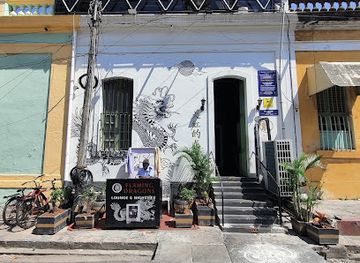
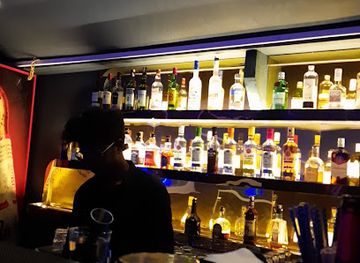
Heritage Town is not Puducherry’s main clubbing district, and evenings are generally shaped by restaurants, cafés, temple activity, the Ashram’s quiet atmosphere and walks towards the seafront rather than by a dense nightlife strip. Some hotels and heritage-style properties around the French quarter have licensed bars or evening dining, while the wider central area offers a modest selection of casual bars and places for a drink. Live music and special events may appear in individual venues, but availability changes and should be checked locally. The streets around religious institutions become particularly subdued, so visitors should avoid treating the neighbourhood as a late-night entertainment zone. After dark, the promenade and better-lit central routes are more practical for walking, while quieter residential lanes call for consideration towards residents and sensible transport arrangements.
-
Pub
Flaming Dragons Lounge & Nightlife
Immerse yourself in the vibrant nightlife of Puducherry at Flaming Dragons Lounge, where Asian cuisine meets electrifying dance and music.
5 min drive · 1.5 km from neighbourhood centre
-
Pub
Asianhouse-Best pub in Pondicherry | Top-rated pub with live music dance floor and food offers| Nightlife Happy Hours
Discover Pondicherry's vibrant nightlife at Asianhouse, the top-rated pub with live music, delicious food, and unbeatable happy hour offers.
5 min drive · 1.8 km from neighbourhood centre
-
Pub
Cosy Pub
Discover the vibrant nightlife of Puducherry at Cosy Pub, where great drinks and lively ambiance await you.
2 min walk · 0.2 km from neighbourhood centre
-
Pub
GRAVITY RESTOPUB & HOOKAH CLUB-,NIGHTCLUB-Pondicherry
Discover the lively nightlife and culinary delights at Gravity Restopub & Hookah Club in Pondicherry, where every night is a celebration.
8 min walk · 0.6 km from neighbourhood centre


Best nightclubs in Heritage Town
Heritage Town is not Puducherry’s main clubbing district, and evenings are generally shaped by restaurants, cafés, temple activity, the Ashram’s quiet atmosphere and walks towards the seafront rather than by a dense nightlife strip. Some hotels and heritage-style properties around the French quarter have licensed bars or evening dining, while the wider central area offers a modest selection of casual bars and places for a drink. Live music and special events may appear in individual venues, but availability changes and should be checked locally. The streets around religious institutions become particularly subdued, so visitors should avoid treating the neighbourhood as a late-night entertainment zone. After dark, the promenade and better-lit central routes are more practical for walking, while quieter residential lanes call for consideration towards residents and sensible transport arrangements.
-
Night club
Flaming Dragons Lounge & Nightlife
Discover the vibrant nightlife at Flaming Dragons Lounge, where Asian cuisine meets electrifying dance and live music in Puducherry.
5 min drive · 1.5 km from neighbourhood centre
-
Lounge
LB2 eclipse rooftop
Discover the enchanting LB2 Eclipse Rooftop Lounge in Puducherry, where stunning views meet exquisite dining and vibrant nightlife.
17 min walk · 1.4 km from neighbourhood centre
-
Pub
GRAVITY RESTOPUB & HOOKAH CLUB-,NIGHTCLUB-Pondicherry
Dive into the vibrant nightlife at GRAVITY RESTOPUB & HOOKAH CLUB, where delicious food, crafted cocktails, and dancing await in Puducherry.
8 min walk · 0.6 km from neighbourhood centre
-
Pub
Gravity Restropub & hookah cafe
Discover the lively atmosphere of Gravity Restropub & Hookah Cafe in Puducherry, where vibrant nightlife meets delightful continental cuisine.
8 min walk · 0.6 km from neighbourhood centre


Best shops in Heritage Town
Shopping in Heritage Town is focused on small-scale retail rather than a single enclosed centre. Mission Street and adjoining lanes contain clothing shops, bookshops, pharmacies, cafés, household businesses and stores selling handicrafts, incense, textiles and locally made goods, while boutiques and galleries appear in parts of the French quarter. The Sri Aurobindo Ashram’s wider publishing and craft tradition has influenced the kinds of books, stationery, handmade products and spiritual items found around the central area, although not every shop is formally connected with it. Traditional Tamil commerce becomes more apparent as visitors move towards the older indigenous town, where practical goods and food sellers take precedence over souvenir shopping. Handicraft purchases are best made with attention to material, provenance and quality, and visitors should ask permission before photographing shop interiors or artisans at work.
-
Clothing store
Casablanca
Discover the charm of Casablanca in Puducherry, where shopping, delightful cafes, and unique experiences await every traveler.
8 min walk · 0.7 km from neighbourhood centre
-
Boutique
Anokhi
Explore Anokhi in Puducherry for exquisite handmade textiles and unique fashion pieces that celebrate Indian craftsmanship and sustainability.
17 min walk · 1.3 km from neighbourhood centre
-
Gift shop
Street shop pondy
Explore Street Shop Pondy: Your gateway to unique gifts and authentic local crafts in the heart of Puducherry's White Town.
10 min walk · 0.8 km from neighbourhood centre
-
 Craft store
CRAFTS EMPORIUM
Explore the vibrant world of handcrafted artistry at Crafts Emporium in Puducherry, where local artisans showcase their unique creations.
8 min walk · 0.6 km from neighbourhood centre


Heritage Town essentials
Getting There
Getting Around
Safety
Emergency Situations
Do's and Don'ts
Local Tips

From Eve
Local phrases worth knowing
You don't need to get them perfect. A few words go a long way, and locals appreciate the effort.
Basics
| English | Local | Say it |
|---|---|---|
| Hello | नमस्ते | [Namaste] |
| Goodbye | अलविदा | [Alvida] |
| Yes | हां | [Haan] |
| No | नहीं | [Nahi] |
| Please/You're welcome | कृपया | [Kripaya] |
| Thank you | धन्यवाद | [Dhanyavad] |
| Excuse me/Sorry | क्षमा कीजिये | [Kshama kiijiye] |
| How are you? | आप कैसे हैं? | [Aap kaise hain?] |
| Fine. And you? | ठीक हूँ। और आप? | [Theek hoon. Aur aap?] |
| Do you speak English? | क्या आप अंग्रेज़ी बोलते हैं? | [Kya aap angrezi bolte hain?] |
| I don't understand | मुझे समझ में नहीं आया | [Mujhe samajh mein nahi aaya] |
Eating & Drinking
| English | Local | Say it |
|---|---|---|
| I'd like to see the menu, please | कृपया मेन्यू दिखाइए | [Kripaya menu dikhaiye] |
| I don't eat meat | मैं मांस नहीं खाता | [Main maans nahi khaata] |
| Cheers! | चियर्स! | [Cheers!] |
| I would like to pay, please | कृपया मैं भुगतान करना चाहूँ | [Kripaya main bhugtan karna chaahoon] |
Emergencies
| English | Local | Say it |
|---|---|---|
| Help! | बचाओ! | [Bachao!] |
| Go away! | चले जाओ! | [Chale jao!] |
| Call the Police! | पुलिस को बुलाओ! | [Police ko bulaao!] |
| Call a doctor! | डॉक्टर को बुलाओ! | [Doctor ko bulaao!] |
| I'm lost | मैं खो गया/गई हूँ | [Main kho gaya/gayi hoon] |
| I'm ill | मुझे बीमारी है | [Mujhe bimari hai] |
Shopping
| English | Local | Say it |
|---|---|---|
| I'd like to buy... | मैं ... खरीदना चाहूँगा/चाहूँगी | [Main ... khareedna chaahunga/chaahoongi] |
| I'm just looking | मैं सिर्फ देख रहा/रही हूँ | [Main sirf dekh raha/rahi hoon] |
| How much is it? | यह कितने का है? | [Yeh kitne ka hai?] |
| That's too expensive | यह बहुत महंगा है | [Yeh bahut mahanga hai] |
| Can you lower the price? | क्या आप कीमत कम कर सकते हैं? | [Kya aap keemat kam kar sakte hain?] |
Time & Numbers
| English | Local | Say it |
|---|---|---|
| What time is it? | अब कितने बजे हैं? | [Ab kitne baje hain?] |
| It's one o'clock | एक बजे हैं | [Ek baje hain] |
| Half past (10) | दस बजे तक | [Das baje tak] |
| Morning | सुबह | [Subah] |
| Afternoon | दोपहर | [Dopahar] |
| Evening | शाम | [Shaam] |
| Yesterday | कल | [Kal] |
| Today | आज | [Aaj] |
| Tomorrow | कल | [Kal] |
| 1 | एक | [Ek] |
| 2 | दो | [Do] |
| 3 | तीन | [Teen] |
| 4 | चार | [Char] |
| 5 | पाँच | [Paanch] |
| 6 | छह | [Chhah] |
| 7 | सात | [Saath] |
| 8 | आठ | [Aath] |
| 9 | नौ | [Nau] |
| 10 | दस | [Das] |
Transport & Directions
| English | Local | Say it |
|---|---|---|
| Where's a/the...? | ... कहाँ है? | [... kahan hai?] |
| What's the address? | पता/ठिकाना क्या है? | [Pata/thikana kya hai?] |
| Can you show me (on the map)? | क्या आप मुझे दिखा सकते हैं (नक्शे पर)? | [Kya aap mujhe dikha sakte hain (naksha par)?] |
| When's the next (bus)? | अगली (बस) कब है? | [Agli (bus) kab hai?] |
| A ticket (to ....) | एक टिकट (.... के लिए) | [Ek ticket (.... ke liye)] |
History of Heritage Town
A Coastal Settlement Before French Rule
The area now associated with Heritage Town grew from the older settlement of Puducherry, a Tamil coastal centre whose economy was linked to fishing, farming, regional trade and religious institutions. The name Puducherry is generally understood as deriving from a Tamil expression meaning new town, although older forms of the name appear in European records. The settlement’s location beside the Bay of Bengal made it commercially attractive, and its religious and residential quarters developed before the later colonial town acquired its formal grid. Modern visitors can still sense this earlier urban fabric in the denser streets, temple precincts and traditional houses beyond the more regular French façades.
The French Company Builds a New Town
French involvement began in the seventeenth century, when the French East India Company established a trading base at Puducherry. After periods of conflict and changing control, the French rebuilt and expanded the settlement, creating a more formal town with broad streets, administrative buildings and a clearer separation between the European quarter and the Tamil town. The grid, drainage planning and institutional architecture shaped the historic core that visitors walk today. French power was interrupted by British occupations during the eighteenth century, but the town’s built character continued to reflect the long competition between European colonial powers on the Coromandel Coast.
Institutions, Temples and Urban Layers
During the nineteenth and early twentieth centuries, Puducherry’s central quarters became a concentrated civic and religious landscape. Administrative buildings, churches and commercial streets stood close to Hindu temples and established Tamil neighbourhoods. The area around what is now Bharati Park developed as an important civic centre, while the temple dedicated to Manakula Vinayagar remained a major focus of local worship. The arrival of Sri Aurobindo in Puducherry in 1910 and the subsequent development of the Sri Aurobindo Ashram added a new spiritual and intellectual presence to the historic town, drawing visitors and seekers from India and abroad.
Integration and Heritage Conservation
Puducherry joined the Indian Union in 1954, and the former French settlement subsequently developed within the Union Territory of Puducherry. The historic centre retained its mixed architectural inheritance, though buildings changed use and some older structures deteriorated or were replaced. From the late twentieth century onwards, conservation initiatives, heritage surveys and adaptive reuse brought renewed attention to the French and Tamil quarters. Guesthouses, cafés, cultural institutions and small businesses occupied some historic buildings, while everyday residential and religious life continued. Heritage Town’s present identity therefore reflects both preservation and change rather than a frozen colonial past.
Heritage Town in Photos
Browse through our photo collection highlighting the charm and character of the destination.
Neighbourhoods near Heritage Town
The closest neighbourhoods to Heritage Town, if you have time for more than one stop.
-

-


Swipe for more neighbourhoods
Explore more

Explore more of Puducherry
Puducherry blends French-colonial streets, Tamil heritage, seaside promenades, spiritual traditions and memorable South Indian cuisine on India’s Coromandel Coast.
Explore Puducherry