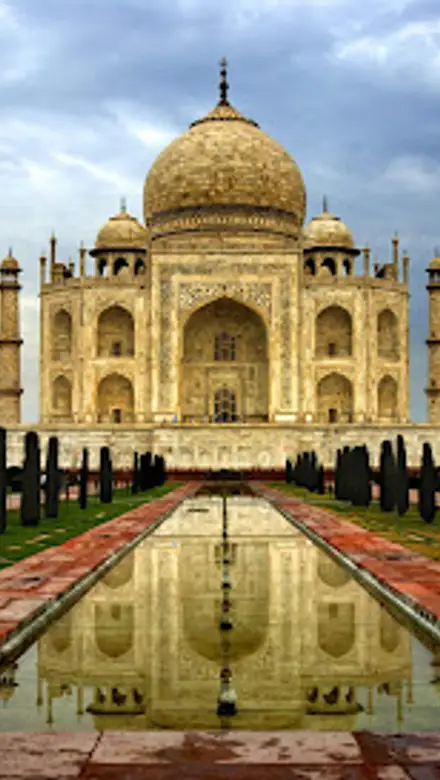
Taj Mahal Travel Guide
Free Guide: Explore the Taj Mahal, an architectural marvel and symbol of eternal love, nestled in the heart of Agra, India.


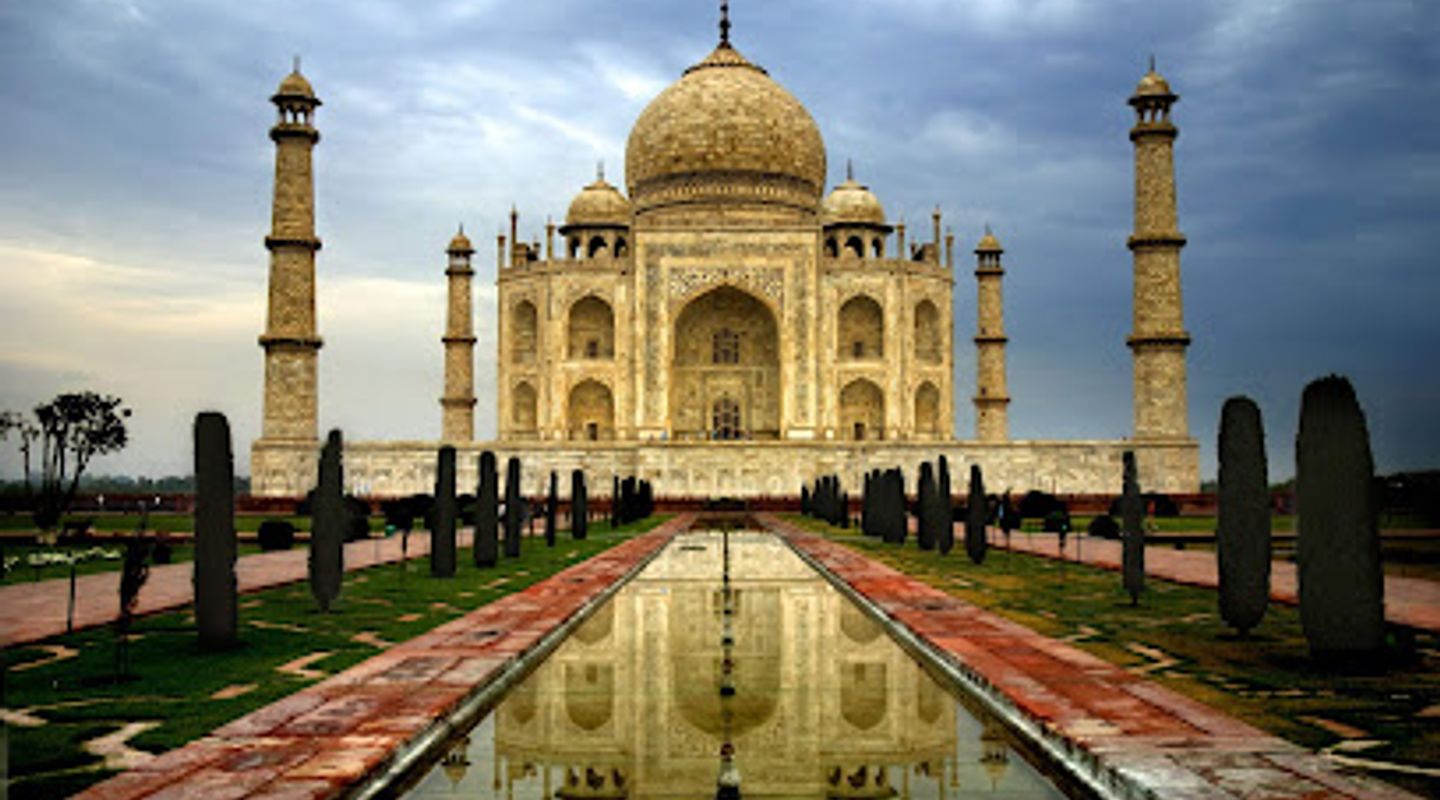
A brief summary of Taj Mahal
Explore the Taj Mahal, an architectural marvel and symbol of eternal love, nestled in the heart of Agra, India.
The Taj Mahal, an iconic symbol of India's rich history and architectural brilliance, draws millions of tourists each year. This UNESCO World Heritage Site is a stunning mausoleum built by Mughal Emperor Shah Jahan in memory of his beloved wife, Mumtaz Mahal. Its white marble façade, intricate carvings, and lush gardens create a mesmerizing experience for every visitor. Whether you are an architecture enthusiast or a history buff, the Taj Mahal offers a glimpse into the grandeur of the Mughal era.
- Address
- Dharmapuri, Forest Colony, Tajganj, Agra, Uttar Pradesh 282001
- Phone
- Website
Getting there
Car
Train
Bus
Public Transport (Local Transport in Agra)
Discover more about Taj Mahal
Overview
Located in Agra, the Taj Mahal is a monumental masterpiece that stands as an enduring symbol of love and devotion. Built in the 17th century by Shah Jahan, this UNESCO World Heritage Site was constructed to honor his wife, Mumtaz Mahal, and has since become one of the most recognizable structures in the world. The white marble dome, adorned with delicate inlay work and surrounded by sprawling gardens, presents a breathtaking view that captivates every visitor. The play of light on the marble surface throughout the day creates a mesmerizing spectacle, making sunrise and sunset particularly enchanting times to experience this iconic landmark.Visitors are encouraged to explore the intricate details of the Taj Mahal's architecture, which reflects a beautiful blend of Persian, Islamic, and Indian styles. The surrounding gardens, designed in the classical Mughal style, provide a serene escape from the bustling city, allowing tourists to stroll leisurely while admiring the stunning views of the mausoleum. Additionally, the nearby Agra Fort, another UNESCO World Heritage Site, offers a fascinating insight into Mughal history and complements the experience of visiting the Taj Mahal.For those interested in photography, the Taj Mahal offers countless opportunities to capture striking images, particularly from the rear view where the reflection in the water adds an ethereal quality to photographs. To fully appreciate its beauty, consider visiting during the quieter hours of the early morning or late afternoon, when the crowds are fewer and the atmosphere more tranquil. The Taj Mahal is not just a monument; it is a journey into the past that offers deep cultural significance and unparalleled beauty.
Evendo Review Centre
 Google
Guest reviews
Explore Taj Mahal on the map
A handpicked selection of must-see spots near Taj Mahal, mapped for you.
Get your free copy of our complete guide to Taj Mahal, delivered straight to you.
Everything on this page, from opening hours and how to get there to Eve’s tips and the best time to go, in one PDF you can read offline, print or share.
Already have an account? Sign in
Your Taj Mahal guide is ready.
We'll send it to · Not you? Sign out

Getting your guide ready…
We are putting together a fresh copy of the Taj Mahal guide. This can take up to a minute.
This can take a few moments. If your browser asks, choose Allow so the download can start. You'll find the guide in your Downloads folder.
Nothing happened? Download it again
Sorry, the guide is taking longer than usual. Please try again in a minute, or get it by email instead.
Unlock the best of Taj Mahal
Skip-the-line tickets, guided tours with entry, and walking tours of the area, booked in a few clicks.

 Tour with entry
Taj Mahal and Agra Private Day Tour from Delhi with 5 Star Lunch
from $4.27 Tour with entry
Taj Mahal and Agra Private Car Tour from Delhi with 5* Lunch
from $4.75 Tour with entry
Taj Mahal Private Car Tour from Delhi with All Inclusive
from $4.75 Tour with entry
Glimpses of Taj Mahal
from $8.02


Other nearby places you may find interesting
The closest places of the same kind, if this one is not quite what you had in mind.
-
-
-
-

-


Swipe for more places
More to explore near Taj Mahal

 Best experiences near Taj Mahal
 Best hotels near Taj Mahal
 Best landmarks near Taj Mahal
 Best attractions near Taj Mahal
 Best shops near Taj Mahal
 Best restaurants near Taj Mahal
 Best bars near Taj Mahal
Do you manage this location?
Take control to get all the benefits, like improved information, better appearance, and stronger visibility across AI-powered discovery.
Explore more

Explore more of The Himalayas
Explore the mystical Himalayas in India: where adventure meets tranquility, and every peak tells a story of nature's grandeur and spiritual depth.
Explore The Himalayas
Explore more of India
Discover the magic of India, where diverse landscapes, rich heritage, and vibrant culture come together to create an unforgettable travel experience.
Explore India