

Free The Himalayas Travel Guide & Mobile App
Explore The Himalayas with free travel guides. Discover regional history, expert tips, proposed trips, and audio guides on web or mobile app.


Explore India’s Himalayas through Buddhist monasteries, sacred valleys, high-altitude deserts, forested trails and diverse mountain cultures.
Read more about The Himalayas
When is the best time to visit The Himalayas?
Best: June–August · 15–17°C| Month | High (°C) | Rainfall (mm) |
|---|---|---|
| January | -5 | 20 |
| February | -3 | 25 |
| March | 0 | 35 |
| April | 5 | 45 |
| May | 10 | 55 |
| June (best) | 15 | 65 |
| July (best) | 17 | 75 |
| August (best) | 16 | 70 |
| September | 13 | 60 |
| October | 9 | 50 |
| November | 3 | 30 |
| December | -2 | 25 |
Getting to and around The Himalayas
How to get there
Transportation
Top city travel guides in The Himalayas
The cities of The Himalayas, and the easiest places to base yourself.
-

-

-

-

-

-


Swipe for more cities
Destinations in The Himalayas
Resorts, valleys and scenic spots worth a trip of their own.
-

-

-

-

-

-


Swipe for more destinations
Best attractions in The Himalayas
The Indian Himalayas offer an exceptionally varied range of attractions, but they are best understood as several distinct travel zones. Ladakh centres on high-altitude landscapes, Buddhist monasteries, the Indus Valley and dramatic journeys towards Nubra and Pangong Lake, subject to access rules and road conditions. Himachal Pradesh combines trekking in the Great Himalayan National Park area, the valleys of Kullu and Spiti, mountain towns and historic hill-station architecture. Uttarakhand brings together pilgrimage routes, alpine walks, the Valley of Flowers and wildlife landscapes including Jim Corbett National Park in the Himalayan foothills. Sikkim is valued for monasteries, forest trails, high valleys and views towards Kangchenjunga, while Arunachal Pradesh offers dense forests, remote mountain roads, Tawang’s monastery and Namdapha’s biodiversity. The Darjeeling and Kalimpong hills provide tea gardens, viewpoints and colonial-era heritage. Activities range from gentle village walks and cultural visits to multi-day treks, rafting, mountaineering and wildlife observation, with permits, guides and seasonal conditions often determining what is possible.
-
Tourist attraction
Himalaya Darshan
Experience breathtaking views of the Himalayas at Himalaya Darshan, a must-visit destination in the serene landscapes of Uttarakhand.
-
Mountaineering Class
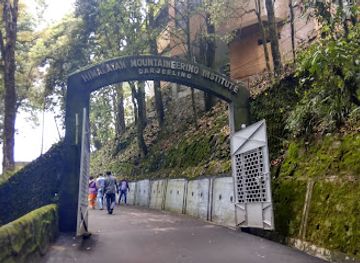
Himalayan Mountaineering Institute
Discover the Himalayan Mountaineering Institute in Darjeeling, where the spirit of adventure meets breathtaking views and rich mountaineering heritage.
-
National park
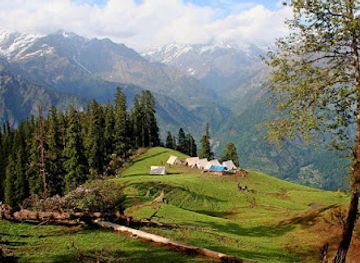
Great Himalayan National Park
Discover the breathtaking beauty of Great Himalayan National Park, a UNESCO World Heritage Site in Himachal Pradesh, India, known for its stunning landscapes and rich biodiversity.
-
Hindu temple
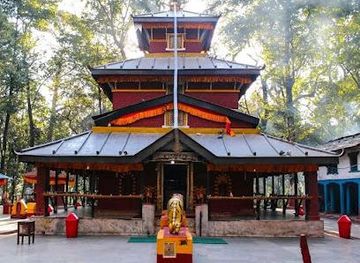
Kalika Bhagwati Temple, Nepal
Experience the spiritual essence and breathtaking beauty of Kalika Bhagwati Temple, a top attraction in Baglung, Nepal.

Best landmarks in The Himalayas
The Himalayan landmark landscape is defined by both monumental peaks and places where faith, trade and settlement meet. Leh Palace rises above the former Ladakhi capital, while monasteries including Thiksey and Hemis express the region’s long Buddhist heritage through hilltop architecture and religious art. In Uttarakhand, the high shrines of Kedarnath and Badrinath are important pilgrimage landmarks, set within powerful river and mountain scenery. Himachal Pradesh’s monasteries at Key and Tabo stand among the most recognisable cultural sites of Spiti, while Shimla’s Ridge and colonial buildings represent the era of British hill administration. Sikkim’s Rumtek Monastery and the landscapes associated with Khangchendzonga reflect the state’s Buddhist traditions and mountain geography. Tawang Monastery is a major landmark of Arunachal Pradesh, both architecturally and spiritually. Natural landmarks such as Pangong Lake, the Valley of Flowers, Kangchenjunga views and deep Himalayan river valleys are visually prominent, but weather, permits and seasonal road access can determine whether they are reachable.
-
Monument
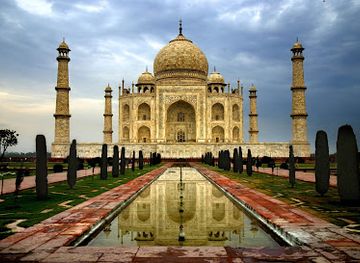
Taj Mahal
Explore the Taj Mahal, an architectural marvel and symbol of eternal love, nestled in the heart of Agra, India.
-
Historical landmark
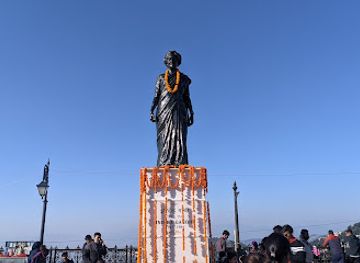
Ridge, Shimla
Discover the breathtaking views and vibrant culture at The Ridge, Shimla's historical heart, surrounded by the majestic Himalayas.
-
Mountain range
Himalayas
Discover the breathtaking beauty and spiritual tranquility of the Himalayas, the ultimate destination for adventure and cultural exploration.
-
Tourist attraction
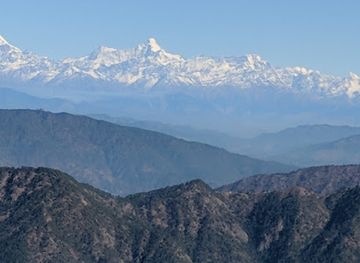
Himalaya Darshan
Experience the breathtaking beauty of the Himalayas at Himalaya Darshan, a must-visit viewpoint in Uttarakhand offering stunning panoramic views.

Explore The Himalayas on the map
Plan your trip on one map. See where the top cities, national parks and sights are, and book hotels and experiences in a few clicks.
Best hotels in The Himalayas
Best restaurants in The Himalayas
Himalayan dining changes markedly from west to east and between high valleys and foothill towns. Tibetan-influenced foods such as momos, thukpa, tingmo and stuffed breads are widely available in Ladakh, Himachal Pradesh, Sikkim and other mountain centres, while local kitchens also rely on lentils, grains, potatoes, greens and preserved ingredients suited to difficult growing conditions. Uttarakhand and Himachal Pradesh have distinctive home-style dishes based on pulses, millets and seasonal vegetables, though recipes vary between districts and communities. In Sikkim and Darjeeling, Nepali, Tibetan and regional Indian influences appear alongside tea-growing traditions; Arunachal Pradesh has its own diverse food cultures, including rice-based meals, smoked ingredients and bamboo-shoot preparations in some communities. Options range from simple dhabas, cafés and monastery-area eateries to hotel restaurants and homestay meals. Carry snacks on long journeys, as reliable food stops become less frequent on high passes and remote roads.
-
Hotel
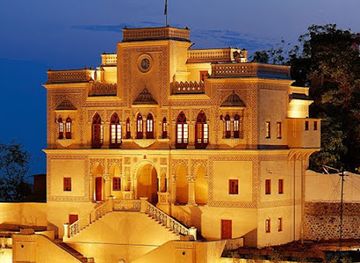
Ananda In The Himalayas
Discover tranquility at Ananda In The Himalayas - where luxury meets holistic wellness amidst breathtaking natural beauty.
-
Restaurant
THE HIMALAYAN ROOFTOP by namlang
Savor authentic Himalayan cuisine amidst stunning views at The Himalayan Rooftop in Delhi's Majnu-ka-tilla.
-
Restaurant
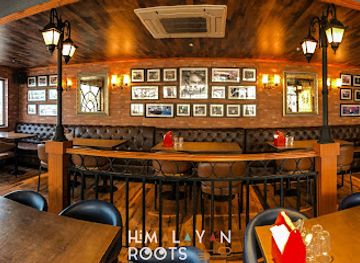
Himalayan Roots
Experience authentic Himalayan cuisine at Himalayan Roots in Haldwani - where tradition meets taste in every dish.
-
Resort hotel
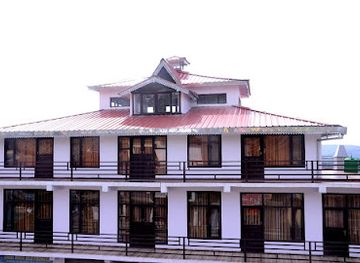
Lord Krishna Himalayan Hotel & Restaurant
Experience unparalleled hospitality at Lord Krishna Himalayan Hotel & Restaurant in Mukteshwar – where stunning landscapes meet exquisite dining.

Best bars in The Himalayas
Nightlife in the Indian Himalayas is generally small-scale and centred on social dining rather than large club scenes. Leh, Manali, Dharamshala, Shimla, Dehradun, Darjeeling and Gangtok have the broadest selection of cafés, hotel bars, live-music venues and late-opening restaurants, although hours and availability vary by season and local regulations. In smaller towns, traditional tearooms, cafés, homestays and village restaurants provide the main evening settings. Some resorts and travel centres offer breweries or bars, while monasteries and pilgrimage towns follow quieter rhythms and may restrict alcohol around religious spaces. Mountain evenings can become cold and dark quickly, so travellers staying in remote valleys should expect to spend time at their accommodation rather than seek a formal nightlife district. Drink responsibly, use trusted transport after dark and respect local religious and community norms.
-
Bar
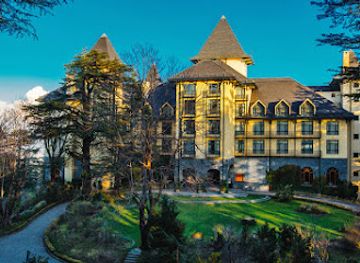
Wildflower Hall, An Oberoi Resort, Shimla
Experience luxury and tranquility at Wildflower Hall, an Oberoi Resort in Shimla, where stunning natural beauty meets unparalleled service and relaxation.
-
Italian
Cafe 1947
Experience the best of Italian cuisine in Manali at Cafe 1947, where delicious food meets stunning views and live music.
-
Bar
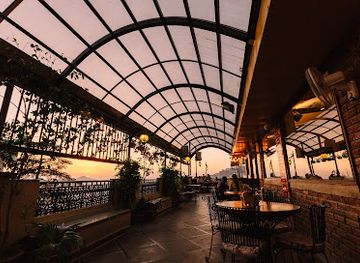
Cafe Simla Times : Cafe, Biergarten & Bar on the Mall Road Shimla ( Awarded Most Instagrammable Cafe of Himachal)
Experience the flavors and stunning views of Shimla at Cafe Simla Times, the perfect spot for relaxation and gourmet delights.
-
Bar
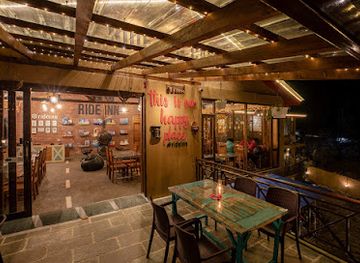
RIDE INN CAFE, BAR & Resort
Discover the perfect blend of relaxation and adventure at Ride Inn Cafe, Bar & Resort in stunning Manali, Himachal Pradesh.

Best nightclubs in The Himalayas
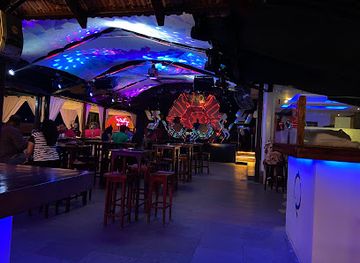
Nightlife in the Indian Himalayas is generally small-scale and centred on social dining rather than large club scenes. Leh, Manali, Dharamshala, Shimla, Dehradun, Darjeeling and Gangtok have the broadest selection of cafés, hotel bars, live-music venues and late-opening restaurants, although hours and availability vary by season and local regulations. In smaller towns, traditional tearooms, cafés, homestays and village restaurants provide the main evening settings. Some resorts and travel centres offer breweries or bars, while monasteries and pilgrimage towns follow quieter rhythms and may restrict alcohol around religious spaces. Mountain evenings can become cold and dark quickly, so travellers staying in remote valleys should expect to spend time at their accommodation rather than seek a formal nightlife district. Drink responsibly, use trusted transport after dark and respect local religious and community norms.
-
Disco club
Sinq Night Club
Experience the vibrant nightlife of Goa at Sinq Night Club, where music and ambience come together for unforgettable nights.
-
Night club
Explosion NightClub
Unleash your energy at Explosion NightClub, the ultimate nightlife experience in Manali, featuring electrifying music and an unforgettable atmosphere.
-
Night club
Night eye club
Discover the electrifying nightlife at Night Eye Club in Manali, where vibrant music and exquisite drinks come together for an unforgettable experience.
-
Night club
Kitty Su New Delhi
Discover the vibrant nightlife at Kitty Su New Delhi, where electrifying music meets luxurious ambiance in the heart of the city.



Best shops in The Himalayas
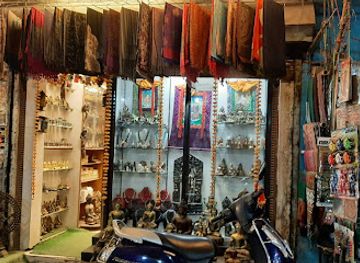
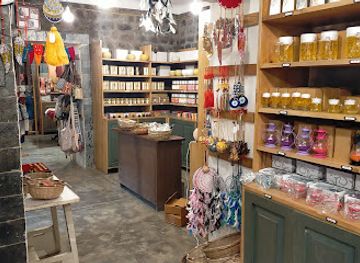
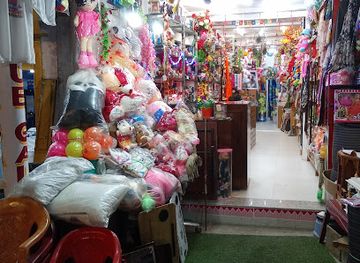
Shopping in the Indian Himalayas is closely tied to local materials, food production and religious cultures rather than large-scale retail. Leh is known for Tibetan-influenced handicrafts, woollens, prayer items and regional foods, while Himachal Pradesh offers shawls, wool products, carved work and fruit-based produce, with quality and provenance varying between sellers. Uttarakhand towns sell handwoven textiles, woollens, herbal products and locally made foods, though visitors should check labelling and buy responsibly. Gangtok, Darjeeling and Kalimpong have shops selling tea, handicrafts, Buddhist artefacts and wool garments; official or reputable outlets are preferable for protected cultural objects. Arunachal Pradesh has diverse indigenous craft traditions, including weaving and basketry, but designs and practices differ by community. Market towns and weekly markets are often more useful for everyday local produce than souvenirs. Bargaining may be customary in some informal markets but is not appropriate everywhere, particularly in fixed-price shops or when buying directly from small producers.
-
Gift shop
Divine buddha handicrafts
Explore a treasure trove of authentic Tibetan crafts, unique souvenirs, and beautiful artwork at Divine Buddha Handicrafts in McLeod Ganj.
-
Candle store
The Pahari Store I Treasures from the Himalayas
Discover unique handcrafted candles, souvenirs, and gourmet delights at The Pahari Store in Nainital, a treasure trove of Himalayan culture.
-
Organic food store
Himalay Frsh - Siliguri
Explore Himalay Frsh in Siliguri for a taste of organic freshness and local produce that nourishes both body and community.
-
Gift shop
Unique gallery
Explore the Unique Gallery in Pithoragarh for exquisite handicrafts, local art, and memorable souvenirs that capture the essence of Uttarakhand.

Get your free copy of our complete guide to The Himalayas, delivered straight to you.
Everything on this page, from attractions and restaurants to essentials and local phrases, in one PDF you can read offline, print or share.
Already have an account? Sign in
Your The Himalayas guide is ready.
We'll send it to · Not you? Sign out

Getting your guide ready…
We are putting together a fresh copy of the The Himalayas guide. This can take up to a minute.
This can take a few moments. If your browser asks, choose Allow so the download can start. You'll find the guide in your Downloads folder.
Nothing happened? Download it again
Sorry, the guide is taking longer than usual. Please try again in a minute, or get it by email instead.
The Himalayas essentials
Currency and Payment
Safety
Emergency Situations
Do's and Don'ts
Local Tips
From Eve
Local phrases worth knowing
You don't need to get them perfect. A few words go a long way, and locals appreciate the effort.
Basics
| English | Local | Say it |
|---|---|---|
| Hello | नमस्ते | [Namaste] |
| Goodbye | अलविदा | [Alvida] |
| Yes | हाँ | [Haan] |
| No | नहीं | [Nahin] |
| Please/You're welcome | कृपया/स्वागत है | [Kripya/Swaagat hai] |
| Thank you | धन्यवाद | [Dhanyavaad] |
| Excuse me/Sorry | माफ करना | [Maaf karna] |
| How are you? | कैसे हो? | [Kaise ho?] |
| Fine. And you? | ठीक हूँ। और तुम? | [Theek hoon. Aur tum?] |
| Do you speak English? | क्या आप अंग्रेजी बोलते हैं? | [Kya aap angrezi bolte hain?] |
| I don't understand | मुझे समझ में नहीं आता | [Mujhe samajh mein nahi aata] |
Eating & Drinking
| English | Local | Say it |
|---|---|---|
| I'd like to see the menu, please | कृपया, मैं मेनू देखना चाहूंगा | [Kripya, main menu dekhna chahunga] |
| I don't eat meat | मैं मांस नहीं खाता | [Main maans nahi khata] |
| Cheers! | संतोष! | [Santosh!] |
| I would like to pay, please | कृपया, मैं भुगतान करना चाहूंगा | [Kripya, main bhugtaan karna chahunga] |
Emergencies
| English | Local | Say it |
|---|---|---|
| Help! | मदद! | [Madad!] |
| Go away! | चले जाओ! | [Chale jao!] |
| Call the Police! | पुलिस को बुलाओ! | [Police ko bulao!] |
| Call a doctor! | डॉक्टर को बुलाओ! | [Doctor ko bulao!] |
| I'm lost | मैं खो गया हूँ | [Main kho gaya hoon] |
| I'm ill | मैं बीमार हूँ | [Main bimaar hoon] |
Shopping
| English | Local | Say it |
|---|---|---|
| I'd like to buy... | मैं खरीदना चाहूंगा... | [Main kharidna chahunga...] |
| I'm just looking | मैं बस देख रहा हूँ | [Main bas dekh raha hoon] |
| How much is it? | यह कितने का है? | [Yah kitne ka hai?] |
| That's too expensive | यह बहुत महंगा है | [Yah bahut mehnga hai] |
| Can you lower the price? | क्या आप कीमत कम कर सकते हैं? | [Kya aap keemat kam kar sakte hain?] |
Time & Numbers
| English | Local | Say it |
|---|---|---|
| What time is it? | कितने बजे हैं? | [Kitne baje hain?] |
| It's one o'clock | यह एक बज रहा है | [Yah ek baj raha hai] |
| Half past (10) | साढ़े (10) | [Saade (10)] |
| Morning | सुबह | [Subah] |
| Afternoon | दोपहर | [Dopahar] |
| Evening | शाम | [Shaam] |
| Yesterday | कल | [Kal] |
| Today | आज | [Aaj] |
| Tomorrow | कल | [Kal] |
| 1 | 1 | [1] |
| 2 | 2 | [2] |
| 3 | 3 | [3] |
| 4 | 4 | [4] |
| 5 | 5 | [5] |
| 6 | 6 | [6] |
| 7 | 7 | [7] |
| 8 | 8 | [8] |
| 9 | 9 | [9] |
| 10 | 10 | [10] |
Transport & Directions
| English | Local | Say it |
|---|---|---|
| Where's a/the...? | कहाँ है ...? | [Kahan hai ...?] |
| What's the address? | पता क्या है? | [Pata kya hai?] |
| Can you show me (on the map)? | क्या आप मुझे (नक्शे पर) दिखा सकते हैं? | [Kya aap mujhe (nakshae par) dikha sakte hain?] |
| When's the next (bus)? | अगली (बस) कब है? | [Agli (bus) kab hai?] |
| A ticket (to ....) | एक टिकट (.... के लिए) | [Ek ticket (.... ke liye)] |
History of The Himalayas
Early Himalayan Communities and Trade Routes
The Himalayas have long been inhabited by communities adapted to sharply varied environments, from subtropical foothills to high pastoral valleys. Ancient routes crossed passes linking the Indian plains with Tibet and Central Asia, carrying salt, wool, grain, medicines and religious ideas. River valleys and passes created connections between otherwise isolated settlements, while local kingdoms controlled important approaches and pilgrimage routes. Archaeological and cultural legacies differ across the range, but the broad pattern is consistent: Himalayan history developed through seasonal movement, trade, agriculture and cross-border contact rather than isolation alone.
Buddhist Kingdoms and Monastic Networks
Buddhism spread through the Himalayan borderlands over many centuries, establishing monasteries, temples and systems of scholarship that remain central to the cultural landscapes of Ladakh, Himachal Pradesh, Sikkim and Arunachal Pradesh. Tibetan Buddhist traditions became especially influential in the western and eastern highlands, while distinct schools and local practices developed in individual valleys. Monasteries such as those at Thiksey, Hemis, Tawang and Rumtek preserve religious art, manuscripts and ceremonial traditions, although their histories belong to different political and regional settings rather than a single Himalayan kingdom.
Hindu Pilgrimage and Sacred Landscapes
Many Himalayan rivers, peaks and springs are sacred within Hindu traditions. Pilgrimage routes to Kedarnath, Badrinath, Gangotri and Yamunotri in Uttarakhand became major religious corridors, connecting high valleys with settlements in the plains. Shrines and seasonal pilgrimage paths also shaped local economies, architecture and patterns of movement in Himachal Pradesh and Jammu and Kashmir. These routes remain active today, but visitors should recognise that they pass through working communities and environmentally vulnerable areas rather than functioning solely as tourism infrastructure.
Hill States, Borderlands and Imperial Influence
The British expansion into the Himalayan foothills during the nineteenth century altered administration, transport and settlement patterns. Hill stations such as Shimla and Darjeeling developed as summer administrative centres, while roads, cart routes and later railways strengthened connections with the plains. At the same time, Himalayan kingdoms and border regions retained distinct political identities; Sikkim, Bhutan and Tibet influenced eastern Himalayan diplomacy, while Ladakh’s position between Tibet and Kashmir shaped its strategic importance. The legacy includes colonial architecture, changing land use and enduring border sensitivities.
The Himalayan Frontier after Indian Independence
After 1947, the Indian Himalayas became central to national security and border administration. The 1962 India-China war and continuing territorial disputes affected infrastructure, travel permissions and the movement of residents and visitors in several frontier districts. Roads, airfields and military installations expanded, particularly in strategically sensitive areas, while new Indian states and union territories gained greater administrative prominence. Travellers may encounter restricted zones, checkpoints and permit requirements, especially near international borders, and should treat these as part of the region’s contemporary political geography.
Conservation, Tourism and Environmental Change
Modern Himalayan history has increasingly been shaped by conservation and the pressures of tourism, hydropower, roads, pilgrimage and climate change. Protected areas include the Great Himalayan National Park in Himachal Pradesh, the Valley of Flowers and Nanda Devi landscapes in Uttarakhand, Khangchendzonga National Park in Sikkim and Namdapha National Park in Arunachal Pradesh. These areas protect forests, alpine habitats and rare wildlife, but they also face landslides, glacial retreat, waste and water stress. Responsible travel is therefore inseparable from the region’s present-day story.
The Himalayas in Photos
Browse through our photo collection highlighting the charm and character of the destination.
Neighbouring regions of The Himalayas
The closest regions to The Himalayas, if you have time for more than one.
-

-

-

-

-


Swipe for more regions
Explore more

Explore more of India
Discover the magic of India, where diverse landscapes, rich heritage, and vibrant culture come together to create an unforgettable travel experience.
Explore India