
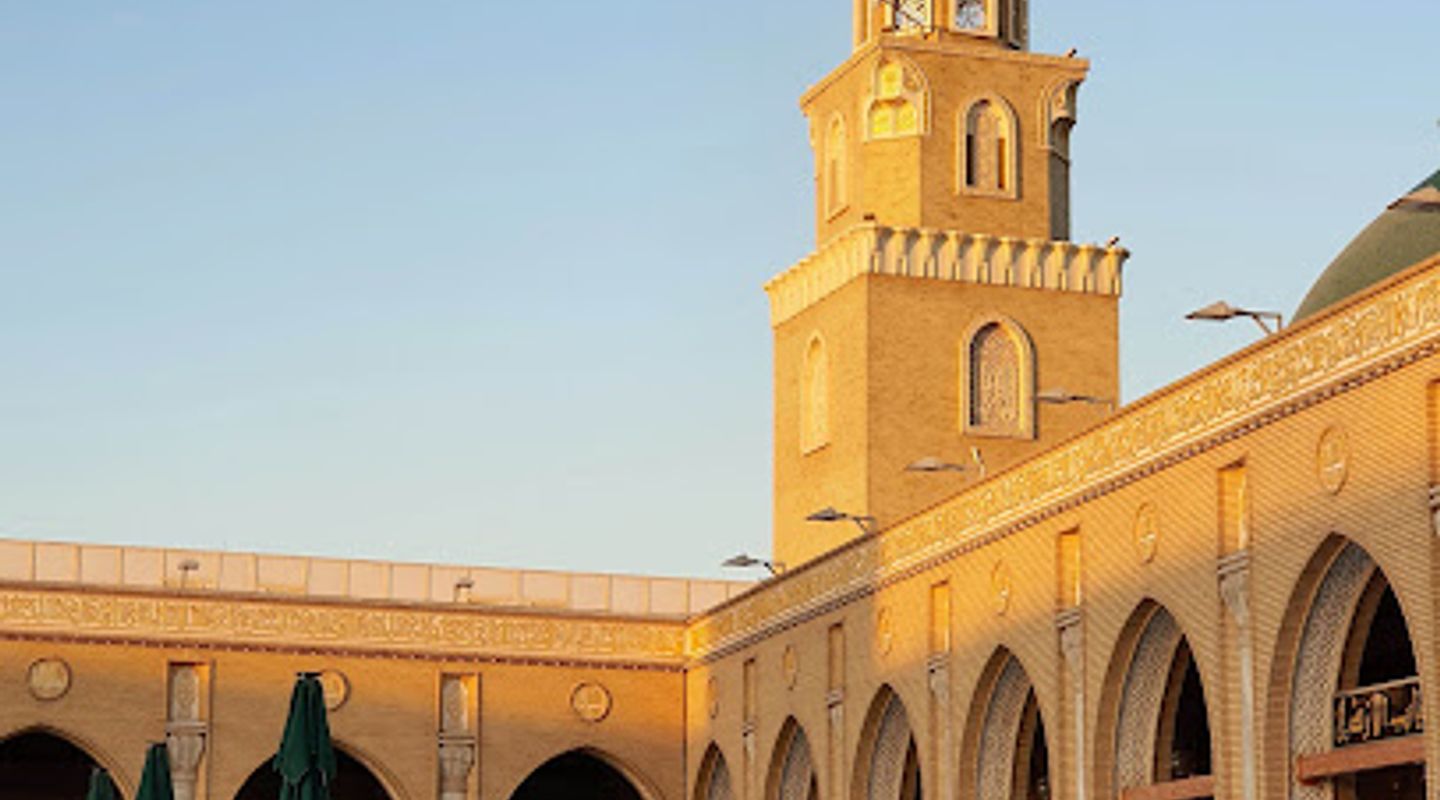
Darul 'Imara, Al Jazeera Travel Guide
Explore Darul 'Imara in Kufa, a historic palace showcasing early Islamic architecture and the region's rich heritage.
Darul 'Imara, or the Governor's Palace, in Kufa, Iraq, is a significant historical landmark dating back to the early Islamic period. Built in 670 by Ziyad ibn Abihi, it stands as one of the oldest government buildings in Islam and showcases early Islamic architectural practices. The palace offers a glimpse into the region's rich cultural and religious heritage.
A brief summary to Darul 'Imara
- 2CH2+58P, Kufa, Najaf Governorate, IQ
- Click to display
- Monday 6 am-11 pm
- Tuesday 6 am-11 pm
- Wednesday 6 am-11 pm
- Thursday 6 am-11 pm
- Friday 6 am-11 pm
- Saturday 6 am-11 pm
- Sunday 6 am-11 pm

Know before you go
Hi, I'm Eve. Here are a few practical things to know before exploring Darul 'Imara.
- Visit during the cooler months (October to April) to avoid the intense summer heat.
- Dress modestly, respecting local customs, especially when visiting religious sites.
- Engage with local guides for deeper insights into the history and significance of Darul 'Imara.
Do you manage this location?
Take control to get all the benefits, like improved information, better appearance, and stronger visibility across AI-powered discovery. Learn more about listing your business on Evendo
Activate your presenceOther nearby places you may find interesting
The closest places of the same kind, if this one is not quite what you had in mind.

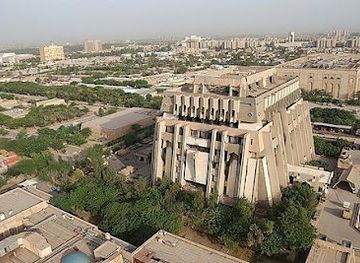
Explore Darul 'Imara on the Map
A handpicked selection of must-see spots near Darul 'Imara, mapped for you.
Getting There
-
Walking
From the center of Kufa, Darul 'Imara is accessible by foot. Head in the direction of the Great Mosque of Kufa. Darul 'Imara is located adjacent to the south side of the mosque, approximately 1 km from the city center. Follow the road signs or use a map to guide you.
-
Taxi
Taxis are readily available in Kufa. A short taxi ride from anywhere in the city center to Darul 'Imara typically costs around IQD 3,000 - 5,000. Be sure to negotiate the fare before starting your journey.
Discover more about Darul 'Imara













Your all‑in‑one travel companion app
Explore expert travel guides, compare and book tours, experiences, hotels, and more—all from the palm of your hand. Download now for seamless trip planning wherever your wanderlust takes you.


Explore More of Al Jazeera
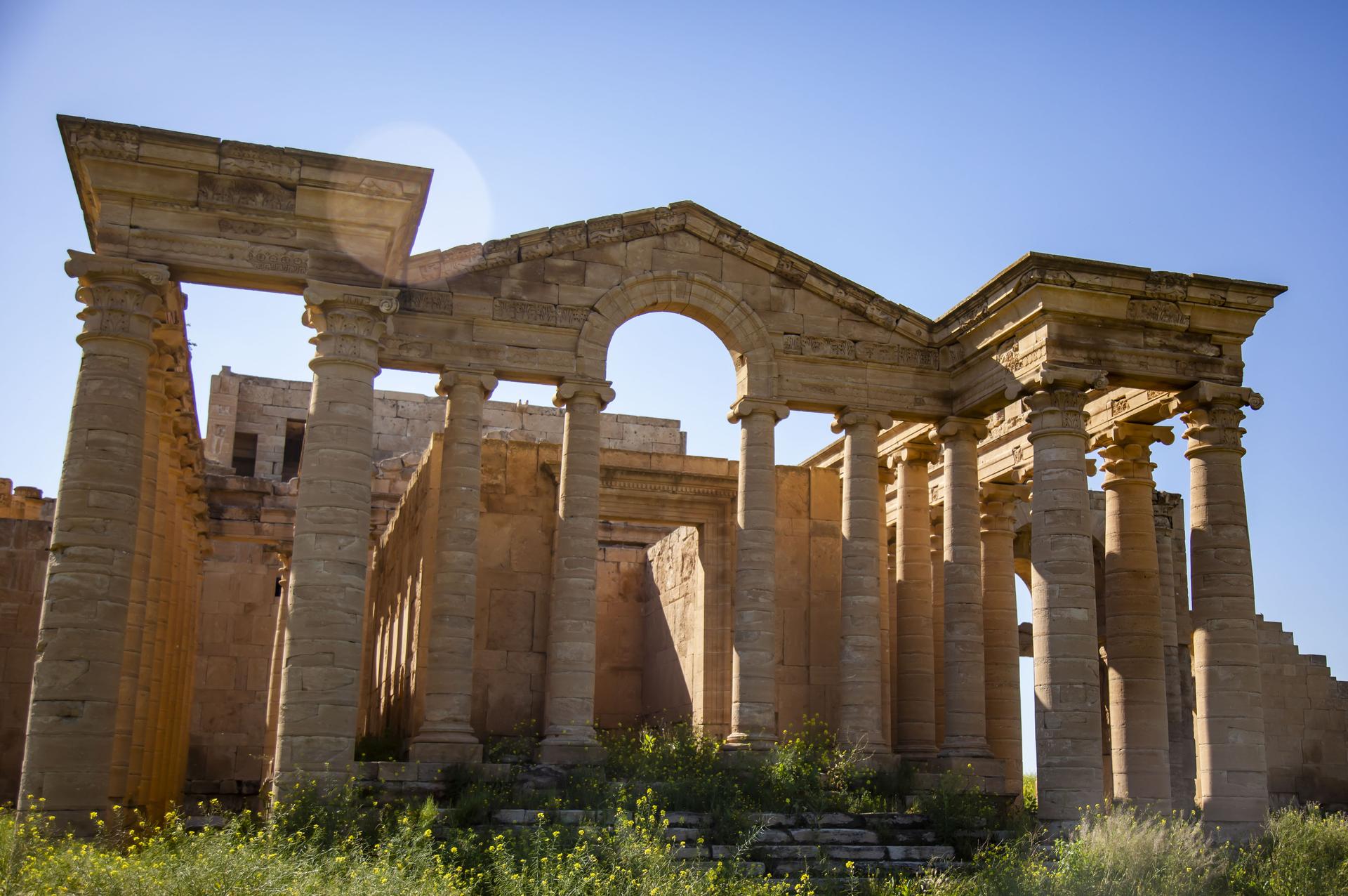
Looking beyond Darul 'Imara? Discover Al Jazeera for broader travel guides, local hot-spots, and regional highlights.
Explore Al Jazeera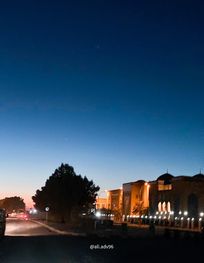
Experience the vibrant heart of Najaf at Ansar Square, a modern gathering place in this historic city. A place to meet, relax, and observe the city's rhythm.
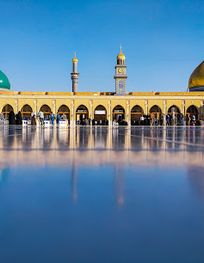
Explore the Great Mosque of Kufa, a historic and spiritual landmark in Iraq, rich with Islamic heritage and architectural beauty.
