

Free Al-Jazeera Travel Guide & Mobile App
Explore Al-Jazeera with free travel guides. Discover regional history, expert tips, proposed trips, and audio guides on web or mobile app.


Explore Iraq’s Al-Jazeera through Mosul, Assyrian ruins, ancient Hatra, living religious heritage and the landscapes of Upper Mesopotamia.
Read more about Al-Jazeera
When is the best time to visit Al-Jazeera?
Best: March–April, October · 22–29°C| Month | High (°C) | Rainfall (mm) |
|---|---|---|
| January | 16 | 25 |
| February | 17 | 20 |
| March (best) | 22 | 15 |
| April (best) | 26 | 10 |
| May | 33 | 6 |
| June | 38 | 0 |
| July | 41 | 0 |
| August | 40 | 0 |
| September | 35 | 1 |
| October (best) | 29 | 5 |
| November | 21 | 15 |
| December | 16 | 20 |
Getting to and around Al-Jazeera
How to get there
Transportation
Top city travel guides in Al-Jazeera
The cities of Al-Jazeera, and the easiest places to base yourself.
-

-
-


Swipe for more cities
Destinations in Al-Jazeera
Resorts, valleys and scenic spots worth a trip of their own.
-

-

-

-


Swipe for more destinations
Best attractions in Al-Jazeera
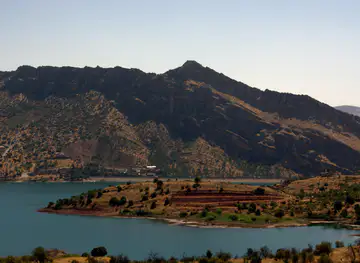
The attractions of Iraqi Al-Jazeera are dominated by archaeology, layered urban history and landscapes shaped by the Tigris and its tributaries. Around Mosul, the ancient mound of Nineveh offers a direct connection with the Assyrian capital, while the remains of Nimrud reveal palaces and sculpture associated with the empire’s royal power. Hatra, in the steppe west of the river, is one of the region’s most significant ancient sites, though access and conservation conditions must be checked locally. Mosul’s old city, despite extensive wartime destruction, remains an important area for understanding historic urban life and ongoing reconstruction. Lalish, a sacred Yazidi valley in Nineveh Governorate, is a place of religious importance rather than a conventional sightseeing stop and requires respectful, locally guided access. The open agricultural plain, villages and distant Sinjar landscapes add geographical context, but rural travel cannot be treated as uncomplicated recreation. Museums, religious buildings and cultural projects may also be available in changing forms, depending on restoration and security arrangements. Visitors should prioritise authorised sites and established local arrangements over improvised exploration.
-
Basra Times Square Mall
Experience modern shopping, dining, and entertainment at Basra Times Square Mall, a symbol of Basra's vibrant culture and development.
-
Basra Family Park
Escape to Basra's beloved green space for family fun, relaxation, and a taste of local culture in a refreshing urban oasis.
-
Aljazaer Park
Escape to Aljazaer Park in Basrah: A vibrant green space with gardens, play areas, and tranquil water features for relaxation and family fun.
-
Tel Amer
Explore the ancient ruins of Tel Amer in Babylon, Iraq, and uncover the captivating stories of Mesopotamia's rich past.


Best landmarks in Al-Jazeera
The most important landmarks of Iraqi Al-Jazeera express the region’s role as a centre of empire, trade and religious life. The mounds and surviving walls of Nineveh, east of modern Mosul, mark the setting of one of Assyria’s great capitals and remain among the defining archaeological landscapes of northern Iraq. Nimrud, farther south along the Tigris, is associated with monumental Assyrian palaces and the carved lamassu figures that made the civilisation’s royal art internationally recognisable. Hatra’s vast stone temples and fortified urban remains stand in the steppe as evidence of a city shaped by Mesopotamian, Iranian, Greek and Roman influences. In Mosul, the old city’s dense lanes, traditional houses and religious architecture embody a historic urban landscape that suffered extensive destruction but is subject to continuing restoration. Lalish is a landmark of a different kind: a sacred valley and pilgrimage centre of the Yazidi faith, whose shrines and distinctive conical roofs carry profound significance for its community. These places should be visited only under current local guidance.
-
Castle
Erbil Citadel
Explore the ancient Erbil Citadel, a UNESCO World Heritage Site and one of the world's oldest continuously inhabited settlements, in the heart of Erbil.
-
State park
Al-Zawraa Park
Escape to Baghdad's largest park: Al-Zawraa, a green oasis with a zoo, amusement rides, gardens, and cultural events for all ages.
-
Park
Samî Abdulrahman Park
Discover Erbil's largest park, a vibrant space for recreation and remembrance, honoring Kurdish heritage and offering a peaceful escape.
-
Park
Baghdad Island Park
Escape to nature in the heart of Baghdad at this revitalized island park with gardens, recreation, and cultural events.


Explore Al-Jazeera on the map
Plan your trip on one map. See where the top cities, national parks and sights are, and book hotels and experiences in a few clicks.
Best hotels in Al-Jazeera
Best restaurants in Al-Jazeera
Food in Iraqi Al-Jazeera reflects the agricultural wealth and cultural diversity of northern Mesopotamia. In Mosul, kibbeh preparations, including the distinctive oval Mosul kibbeh, are among the region’s best-known specialities, while Mosul-style kebabs, rice dishes, dolma, soups and flatbreads appear in family restaurants and everyday eateries. Wheat, yoghurt, pulses, herbs and seasonal vegetables are important to the broader cuisine of the Nineveh plain, with meat and grilled dishes common in urban dining. Dates, pastries and kleicha provide familiar sweet flavours, particularly around religious and family occasions. Traditional restaurants, simple kebab houses, bakeries and tea shops are generally more representative than a formal fine-dining scene. Food associated with Arab, Kurdish, Turkmen, Syriac Christian and Yazidi communities adds local variation, although availability differs by town and current circumstances. Bottled water is the prudent choice for visitors, and dietary requirements should be explained clearly because menus may be informal or displayed only in Arabic.
-
Restaurant
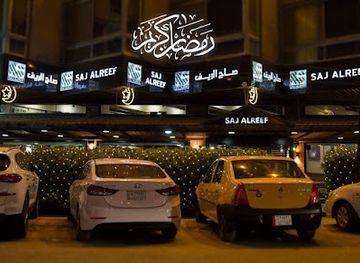
Saj Alreef Restaurant - Karada
Discover authentic Iraqi cuisine at Saj Alreef Restaurant in Karada, Baghdad - where tradition meets taste.
-
Restaurant
Al Badia Restaurant
Experience authentic Iraqi cuisine at Al Badia Restaurant in Al-Fallujah - where tradition meets flavor in every dish.
-
Restaurant
Royal Galaxy Restaurant
Experience authentic Iraqi cuisine blended with international flavors at Royal Galaxy Restaurant in Baghdad.
-
Restaurant
Hajjy Husain Restaurant
Experience authentic Iraqi flavors at Hajjy Husain Restaurant in Al-Fallujah – a culinary haven for tourists seeking delicious local cuisine.


Best bars in Al-Jazeera
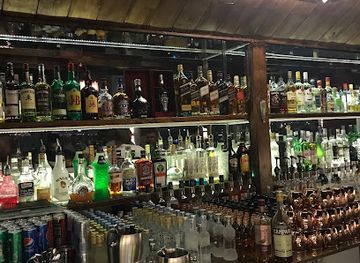
Nightlife in Iraqi Al-Jazeera is restrained and varies considerably by town, neighbourhood and prevailing security conditions. Mosul’s evening culture is more likely to centre on tea houses, cafés, restaurants, family gatherings and walks in busy commercial areas than on a large nightclub scene. Alcohol is not part of public life in many communities, and availability is limited or absent in numerous districts; visitors should never assume that a hotel or restaurant serves it. In some parts of the wider urban region, private venues or licensed establishments may operate, but opening arrangements and access can change. Music, conversation and late meals provide more typical evening activities than clubbing, while rural areas become quiet early. Follow local advice, avoid photographing people or security installations at night and arrange transport rather than walking unfamiliar routes after dark.
-
Mars Rooftop
Discover the vibrant nightlife and stunning views at Mars Rooftop, Erbil's premier bar destination offering a unique experience under the stars.
-
D lounge & Restaurant
Experience the vibrant nightlife of Baghdad at D Lounge & Restaurant, where stunning river views meet exceptional cuisine and cocktails.
-
Siduri Pub - رێستورانتی سیدووری
Experience the vibrant atmosphere and local flavors at Siduri Pub, a must-visit destination in Erbil for every tourist.
-
Irish pub
Discover the warmth and charm of an Irish pub in Baghdad, where delightful drinks, hearty meals, and live music await your arrival.



Best nightclubs in Al-Jazeera
Nightlife in Iraqi Al-Jazeera is restrained and varies considerably by town, neighbourhood and prevailing security conditions. Mosul’s evening culture is more likely to centre on tea houses, cafés, restaurants, family gatherings and walks in busy commercial areas than on a large nightclub scene. Alcohol is not part of public life in many communities, and availability is limited or absent in numerous districts; visitors should never assume that a hotel or restaurant serves it. In some parts of the wider urban region, private venues or licensed establishments may operate, but opening arrangements and access can change. Music, conversation and late meals provide more typical evening activities than clubbing, while rural areas become quiet early. Follow local advice, avoid photographing people or security installations at night and arrange transport rather than walking unfamiliar routes after dark.
-
Night club
ديسكو ابو نؤاس
Experience the lively nightlife at ديسكو ابو نؤاس, Baghdad’s vibrant night club featuring DJs, dancing, and an unforgettable atmosphere.
-
Night club
نايت ڤينيسيا
Discover the essence of Baghdad's nightlife at نايت ڤينيسيا, where music, dance, and culture converge for an unforgettable experience.
-
Night club
Vegas Nights club
Discover the vibrant nightlife of Baghdad at Vegas Nights Club, where music, dance, and local culture collide for an unforgettable experience.
-
Night club
نادي سرجنار
Discover the electrifying atmosphere of نادي سرجنار, Baghdad's premier night club, where vibrant music and lively crowds create unforgettable nightlife experiences.


Best shops in Al-Jazeera
Shopping in Iraqi Al-Jazeera is concentrated in Mosul and other established towns rather than in large destination retail complexes. Traditional markets and commercial streets offer household goods, clothing, spices, tea, sweets, bread and everyday produce, while smaller workshops may sell metalwork, textiles, leather goods and locally made foods. Mosul’s historic reputation for fine metalwork and craft production remains part of its cultural identity, although the availability of workshops and restored market areas changes as the city rebuilds. Regional food products, including dates, pastries, spice mixtures, nuts and preserved foods, are practical souvenirs when packed and transported lawfully. Local guides can help distinguish established crafts from mass-produced goods and explain appropriate bargaining customs. Visitors should ask before photographing stalls or artisans, avoid purchasing antiquities or objects of uncertain provenance, and remember that border, customs and security restrictions can affect what may be taken out of Iraq.
-
Shopping mall
Mansour Mall
Discover Mansour Mall: Baghdad's premier shopping destination with a variety of stores, delicious dining, and family-friendly entertainment.
-
Store
Babylon Mall
Explore Babylon Mall, Baghdad's premier shopping and entertainment destination, featuring a variety of stores, dining options, and an IMAX theater.
-
Gift shop
Jedar Center
Explore Jedar Center in Baghdad for unique gifts and home furnishings that capture the spirit of Iraqi culture.
-
Gift shop
Jedar center
Explore Jedar Center in Baghdad - A vibrant shopping mall offering unique local crafts, delicious dining, and family-friendly entertainment.



Get your free copy of our complete guide to Al-Jazeera, delivered straight to you.
Everything on this page, from attractions and restaurants to essentials and local phrases, in one PDF you can read offline, print or share.
Already have an account? Sign in
Your Al-Jazeera guide is ready.
We'll send it to · Not you? Sign out

Getting your guide ready…
We are putting together a fresh copy of the Al-Jazeera guide. This can take up to a minute.
This can take a few moments. If your browser asks, choose Allow so the download can start. You'll find the guide in your Downloads folder.
Nothing happened? Download it again
Sorry, the guide is taking longer than usual. Please try again in a minute, or get it by email instead.
Al-Jazeera essentials
Currency and Payment
Safety
Emergency Situations
Do's and Don'ts
Local Tips
From Eve
Local phrases worth knowing
You don't need to get them perfect. A few words go a long way, and locals appreciate the effort.
Basics
| English | Local | Say it |
|---|---|---|
| Hello | مرحبا | [Marhaban] |
| Goodbye | وداعا | [Wadā'an] |
| Yes | نعم | [Na'am] |
| No | لا | [Lā] |
| Please/You're welcome | من فضلك | [Min faḍlik] |
| Thank you | شكرا | [Shukran] |
| Excuse me/Sorry | عفوا | [ʿAfwan] |
| How are you? | كيف حالك؟ | [Kayfa halak?] |
| Fine. And you? | بخير. وأنت؟ | [Bikhayr. Wa anta?] |
| Do you speak English? | هل تتحدث الإنجليزية؟ | [Hal tataḥaddath al-inglīziyya?] |
| I don't understand | لا أفهم | [Lā afham] |
Eating & Drinking
| English | Local | Say it |
|---|---|---|
| I'd like to see the menu, please | أود رؤية القائمة، من فضلك | [Awad ru'yat al-qā'ima, min faḍlik] |
| I don't eat meat | لا أتناول اللحم | [Lā atanāwal al-laḥm] |
| Cheers! | في صحتك! | [Fī ṣiḥṭik!] |
| I would like to pay, please | أود الدفع، من فضلك | [Awad al-dafʿ, min faḍlik] |
Emergencies
| English | Local | Say it |
|---|---|---|
| Help! | مساعدة! | [Musāʿada!] |
| Go away! | ابتعد! | [Ibtʿid!] |
| Call the Police! | اتصل بالشرطة! | [Ittiṣil bi-l-shurṭa!] |
| Call a doctor! | اتصل بطبيب! | [Ittiṣil bi-ṭabīb!] |
| I'm lost | أنا ضائع | [Anā ḍā'iʿ] |
| I'm ill | أنا مريض | [Anā marīḍ] |
Shopping
| English | Local | Say it |
|---|---|---|
| I'd like to buy... | أود شراء... | [Awad shirā'] |
| I'm just looking | أنا فقط أنظر | [Anā faqaṭ anẓur] |
| How much is it? | كم ثمنه؟ | [Kam thamanuh?] |
| That's too expensive | هذا مكلف جدا | [Hādhā mukallaf jiddan] |
| Can you lower the price? | هل يمكنك تخفيض السعر؟ | [Hal yumkinuka taḳhīḍ al-siʿr?] |
Time & Numbers
| English | Local | Say it |
|---|---|---|
| What time is it? | كم الساعة؟ | [Kam al-sāʿa?] |
| It's one o'clock | الساعة الواحدة | [Al-sāʿa al-wāḥida] |
| Half past (10) | نصف بعد (10) | [Niṣf baʿd (10)] |
| Morning | صباحا | [Ṣabāḥan] |
| Afternoon | بعد الظهر | [Baʿd al-ẓuhr] |
| Evening | مساء | [Masā'] |
| Yesterday | أمس | [Ams] |
| Today | اليوم | [Al-yawm] |
| Tomorrow | غدا | [Ghadā] |
| 1 | 1 | [1] |
| 2 | 2 | [2] |
| 3 | 3 | [3] |
| 4 | 4 | [4] |
| 5 | 5 | [5] |
| 6 | 6 | [6] |
| 7 | 7 | [7] |
| 8 | 8 | [8] |
| 9 | 9 | [9] |
| 10 | 10 | [10] |
Transport & Directions
| English | Local | Say it |
|---|---|---|
| Where's a/the...? | أين ...؟ | [Ayn ...?] |
| What's the address? | ما هو العنوان؟ | [Mā huwa al-ʿunwān?] |
| Can you show me (on the map)? | هل يمكنك أن تريني (على الخريطة)؟ | [Hal yumkinuka an turīnī (ʿalā al-kharīṭa)?] |
| When's the next (bus)? | متى تأتي (الحافلة) التالية؟ | [Matā ta'tī (al-ḥāfila) al-tāliya?] |
| A ticket (to ....) | تذكرة (إلى ....) | [Tadhkira (ilā ....)] |
History of Al-Jazeera
Prehistoric Upper Mesopotamia
The Tigris and Euphrates basins supported settled farming communities long before the rise of the Mesopotamian city-states. Northern Mesopotamia formed a zone of exchange between the Levant, Anatolia and the southern alluvial plain, with agriculture developing alongside animal husbandry and long-distance trade. Archaeological sites across the wider Al-Jazeera region preserve evidence of early villages, changing irrigation practices and the gradual growth of urban societies. Although many locations are difficult to visit, this deep agricultural and commercial history explains why the region repeatedly became a centre of political power.
Assyrian Capitals at Ashur, Nimrud and Nineveh
From the second millennium BCE, Assyrian states developed along the Tigris, eventually creating one of the ancient Near East’s most powerful empires. Nimrud, ancient Kalhu, became a major royal capital under Ashurnasirpal II, while Nineveh reached its greatest prominence under Sennacherib and Ashurbanipal in the seventh century BCE. Palaces, monumental sculpture, cuneiform records and organised roads projected Assyrian power across a vast territory. The empire fell in the late seventh century BCE, but its capitals remain central to the historical identity of Iraqi Al-Jazeera.
Hellenistic and Parthian Hatra
After Alexander the Great’s conquests, northern Mesopotamia became a meeting ground for Greek, Iranian and local traditions. Hatra, situated in the steppe west of the Tigris, flourished between the first centuries BCE and CE as a fortified caravan city and religious centre. Its temples and monumental scale reveal a mixed artistic language, while its position allowed it to mediate between the Roman world and the Parthian realms to the east. Hatra resisted Roman attacks before falling to the Sasanian king Shapur I in the third century CE.
Christian Communities and Medieval Mosul
Christian communities have deep roots in northern Mesopotamia, where Syriac Christian traditions developed alongside successive Islamic dynasties. Mosul grew as a major city on the Tigris, linked to trade routes across Iraq, Syria and Anatolia. Its religious landscape included mosques, churches and monasteries, while nearby settlements preserved Syriac literary and ecclesiastical traditions. Medieval Mosul was also associated with the Zangid ruler Nur al-Din and the production of fine metalwork, which helped give the city and its craftsmen a wider reputation.
Mongol, Ilkhanid and Ottoman Transformations
The Mongol conquest brought severe disruption to many Mesopotamian centres, but the region later recovered within new political and commercial systems. Mosul and the surrounding districts passed through the influence of the Ilkhanids, Timurids and other regional powers before becoming part of the Ottoman Empire. Ottoman administration connected the city to provincial networks extending towards Baghdad, Anatolia and Syria. The period left an imprint on taxation, trade, urban institutions and architecture, while tribal, religious and linguistic communities continued to shape the countryside.
The Mandate Era and the Creation of Modern Iraq
After the First World War and the collapse of Ottoman rule, the territory of modern Iraq was formed under British influence and the League of Nations Mandate. Mosul and its surrounding province became central to disputes over the northern frontier, oil resources and the relationship between the new state and its diverse populations. The incorporation of Mosul into Iraq was confirmed internationally in 1926. Later state-building, Arabisation policies, Kurdish conflict and changing administrative borders affected the region’s communities and political geography.
War, Displacement and Heritage Destruction
Al-Jazeera experienced repeated conflict during the late twentieth and early twenty-first centuries, including the Iran-Iraq War, the Gulf conflicts, the 2003 invasion and the rise of Islamic State. Islamic State captured Mosul in 2014 and controlled extensive areas of northern Iraq until its defeat in 2017. The occupation caused mass displacement and severe damage to homes, religious buildings, museums and archaeological heritage, including parts of Mosul’s old city. Reconstruction, return and heritage conservation remain continuing processes rather than completed chapters.
Al-Jazeera in Photos
Browse through our photo collection highlighting the charm and character of the destination.
Neighbouring regions of Al-Jazeera
The closest regions to Al-Jazeera, if you have time for more than one.
-

-

-

-
-


Swipe for more regions
Explore more

Explore more of Iraq
Explore the cradle of civilization in Iraq, where ancient history, rich culture, and diverse landscapes create an unforgettable travel experience.
Explore Iraq