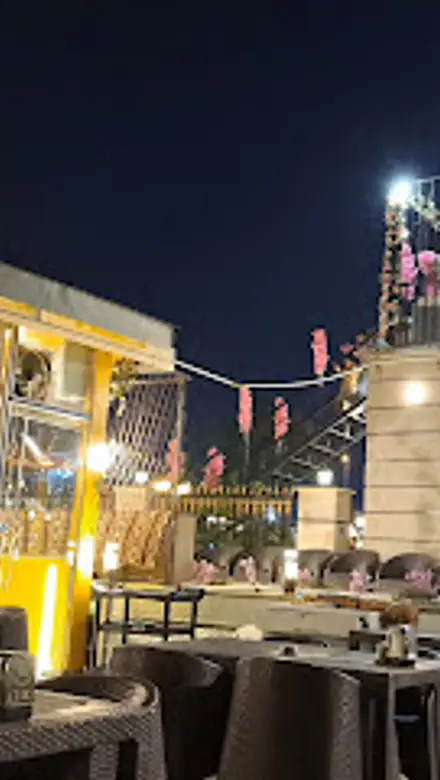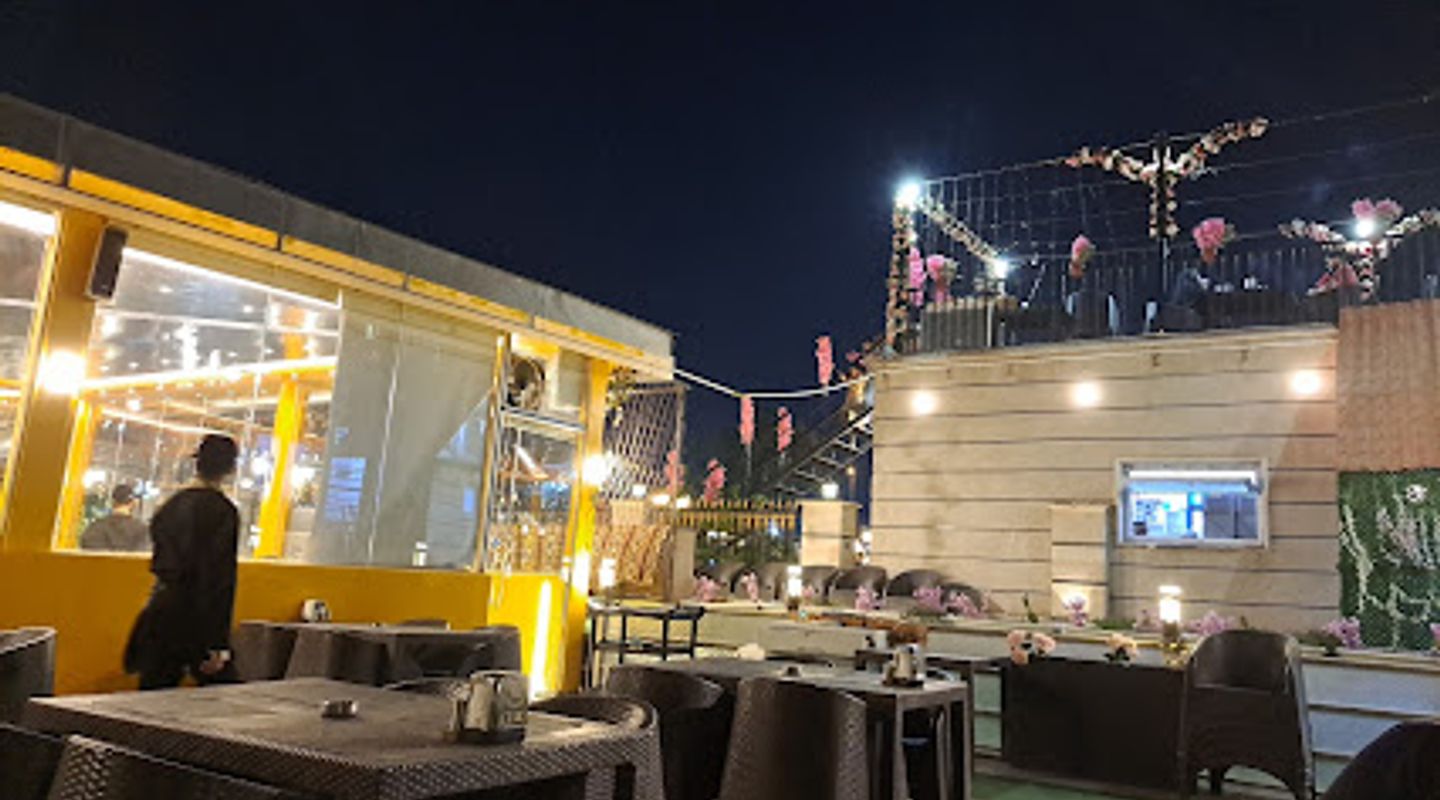
نهر دجله العظيم, Amara Travel Guide
Experience the historic Tigris River in Amarah, Iraq: a vital waterway shaping culture, commerce, and the spirit of Mesopotamia.
The Tigris River, a historic waterway, flows through Amarah in southeastern Iraq, offering scenic views and a glimpse into the region's rich cultural heritage. It serves as a focal point for local life and a reminder of Mesopotamia's ancient past.
A brief summary to نهر دجله العظيم
- R4VX+7J4، R4VX+5FC, Amarah, Maysan Governorate, IQ

Know before you go
Hi, I'm Eve. Here are a few practical things to know before exploring نهر دجله العظيم.
- Visit the riverbanks in the early morning or late afternoon for the most pleasant temperatures and best lighting for photography.
- Engage with local fishermen to learn about their traditional techniques and the challenges they face in preserving their way of life.
- Dress respectfully when visiting religious sites along the river, such as Mandaean baptismal areas.
- Consider taking a boat trip on the Tigris to experience the river from a different perspective and explore nearby marshlands.
- Be mindful of the water quality and avoid swimming in areas with visible pollution.
Do you manage this location?
Take control to get all the benefits, like improved information, better appearance, and stronger visibility across AI-powered discovery. Learn more about listing your business on Evendo
Activate your presenceOther nearby places you may find interesting
The closest places of the same kind, if this one is not quite what you had in mind.


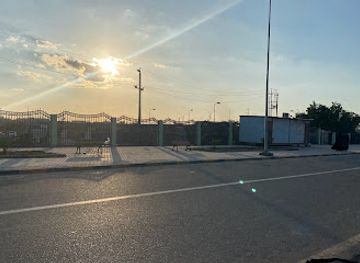
Explore نهر دجله العظيم on the Map
A handpicked selection of must-see spots near نهر دجله العظيم, mapped for you.
Getting There
-
Walking
From the city center of Amarah, the Tigris River is easily accessible by foot. Head towards the main streets that lead east, and you'll find yourself at the riverbank within a short walk. Local landmarks like the Amarah Museum or the main market can serve as orientation points. There are no specific costs associated with walking to the river.
-
Public Transport
Local buses and shared taxis (service taxis) are available throughout Amarah. Inquire about routes heading towards the riverfront. A typical fare for a short trip within the city is around 414 IQD (approximately $0.32 USD). Be sure to confirm the destination with the driver before boarding.
-
Taxi
Taxis are readily available in Amarah. A short taxi ride from a central location to the Tigris River should cost approximately 2,100 IQD (about $1.60 USD) as a starting price, plus 1,600 IQD (about $1.30 USD) per kilometer. Ensure the driver uses a meter or negotiate the fare beforehand.
Discover more about نهر دجله العظيم













Your all‑in‑one travel companion app
Explore expert travel guides, compare and book tours, experiences, hotels, and more—all from the palm of your hand. Download now for seamless trip planning wherever your wanderlust takes you.


Explore More of Amara
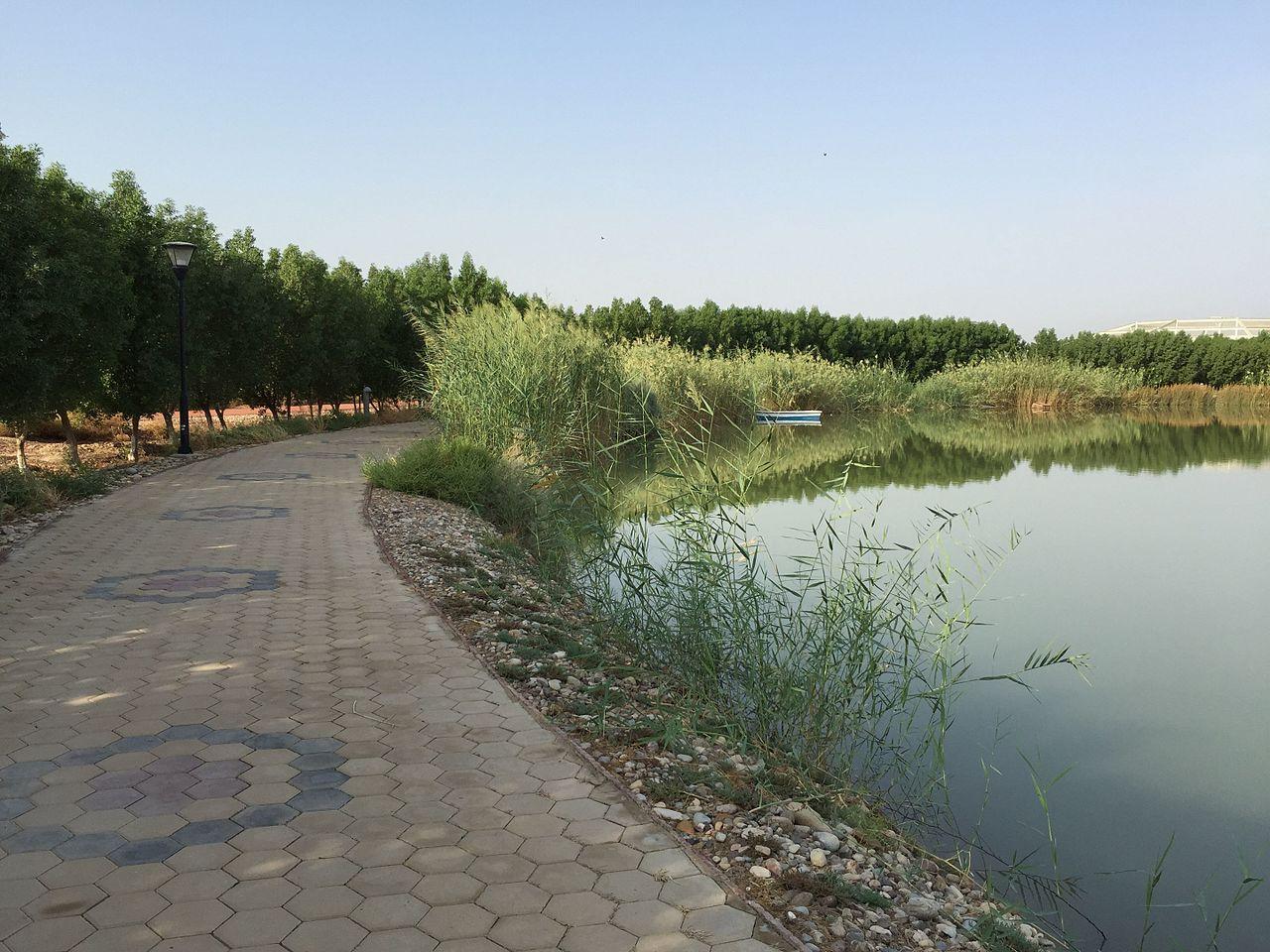
Looking beyond نهر دجله العظيم? Discover Amara for broader travel guides, local hot-spots, and regional highlights.
Explore Amara