

Halabja Monument Travel Guide
Free Guide: A poignant memorial in Halabja, honoring the victims of the 1988 chemical attack and the resilience of the Kurdish people.


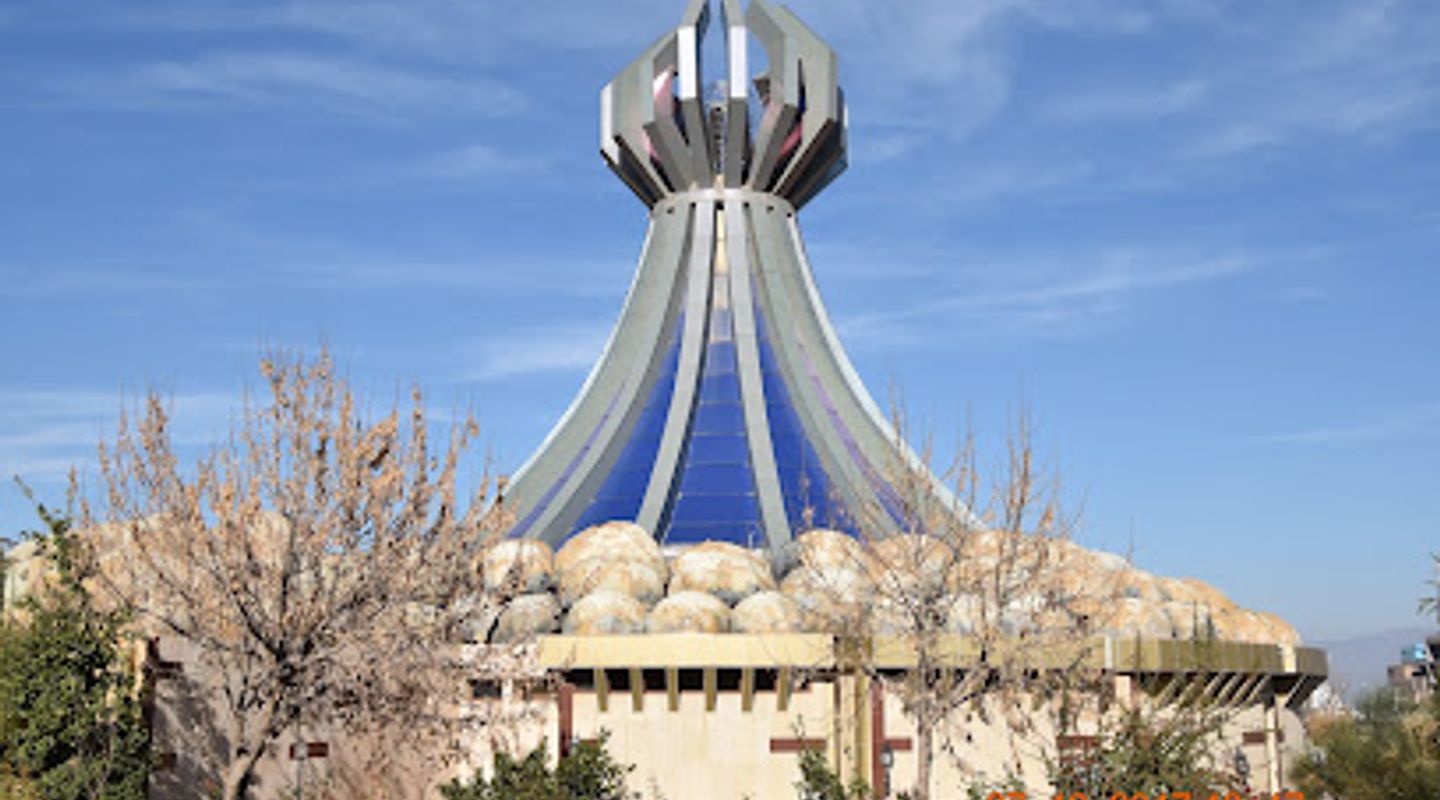
A brief summary of Halabja Monument
A poignant memorial in Halabja, honoring the victims of the 1988 chemical attack and the resilience of the Kurdish people.
The Halabja Monument stands as a solemn memorial to the victims of the 1988 chemical attack on the Kurdish city of Halabja, Iraq. It serves as a place of remembrance, reflection, and education about the tragic event and its lasting impact on the Kurdish people.
Opening hours
- Every day8 am–5 pm
Opening hours as listed on the venue’s Google Business Profile. Hours can change for services and special events, so check with the venue before you go.
- Address
- Halabja, Sulaymaniyah Governorate, 00964
- Phone
Getting there
Walking
Public Transport
Taxi
Discover more about Halabja Monument
Overview
The Halabja Monument, opened in 2003, commemorates the victims of the devastating chemical attack on March 16, 1988, during the Iran-Iraq War. Iraqi jets dropped mustard gas and sarin on the city, killing an estimated 5,000 people, mostly women and children, and injuring thousands more. The attack is considered one of the worst atrocities of the modern era and a genocidal act against the Kurdish people.The monument is a striking structure that includes symbolic sculptures and inscriptions detailing the harrowing history of the attack. It also functions as an open-air museum, providing insights into the resilience of a community that has endured immense suffering. Visitors can explore the memorial grounds, reflect in the serene memorial gardens, and visit the museum, which houses photographs, personal stories, and artifacts from the period. The names of the victims are listed as well.The Halabja Monument serves as a reminder of the importance of human rights and justice. It stands as a symbol of Kurdish resistance and hope in the face of dictatorship, ensuring that the memory of the victims will never be forgotten.
Evendo Review Centre
 Google
Guest reviews
Explore Halabja Monument on the map
A handpicked selection of must-see spots near Halabja Monument, mapped for you.
Get your free copy of our complete guide to Halabja Monument, delivered straight to you.
Everything on this page, from opening hours and how to get there to Eve’s tips and the best time to go, in one PDF you can read offline, print or share.
Already have an account? Sign in
Your Halabja Monument guide is ready.
We'll send it to · Not you? Sign out

Getting your guide ready…
We are putting together a fresh copy of the Halabja Monument guide. This can take up to a minute.
This can take a few moments. If your browser asks, choose Allow so the download can start. You'll find the guide in your Downloads folder.
Nothing happened? Download it again
Sorry, the guide is taking longer than usual. Please try again in a minute, or get it by email instead.
Other nearby places you may find interesting
The closest places of the same kind, if this one is not quite what you had in mind.
-
-
-
-

-


Swipe for more places
More to explore near Halabja Monument

 Best experiences near Halabja Monument
 Best hotels near Halabja Monument
 Best landmarks near Halabja Monument
 Best attractions near Halabja Monument
 Best shops near Halabja Monument
 Best restaurants near Halabja Monument
 Best bars near Halabja Monument
Do you manage this location?
Take control to get all the benefits, like improved information, better appearance, and stronger visibility across AI-powered discovery.
Explore more

Explore more of Diyala Region
Explore the Diyala Region in Iraq: A blend of ancient history, natural beauty, and vibrant local culture awaits you.
Explore Diyala Region
Explore more of Iraq
Explore the cradle of civilization in Iraq, where ancient history, rich culture, and diverse landscapes create an unforgettable travel experience.
Explore Iraq
