

Free Diyala Region Travel Guide & Mobile App
Explore Diyala Region with free travel guides. Discover regional history, expert tips, proposed trips, and audio guides on web or mobile app.


Explore Diyala in Iraq for ancient Mesopotamian archaeology, orchard landscapes, frontier history and the river towns east of Baghdad.
Read more about Diyala Region
When is the best time to visit Diyala Region?
Best: March–April, November · 22–28°C| Month | High (°C) | Rainfall (mm) |
|---|---|---|
| January | 16 | 80 |
| February | 18 | 60 |
| March (best) | 23 | 50 |
| April (best) | 28 | 30 |
| May | 35 | 20 |
| June | 41 | 0 |
| July | 44 | 0 |
| August | 43 | 0 |
| September | 38 | 10 |
| October | 31 | 20 |
| November (best) | 22 | 40 |
| December | 18 | 60 |
Getting to and around Diyala Region
How to get there
Transportation
Top city travel guides in Diyala Region
The cities of Diyala Region, and the easiest places to base yourself.

Swipe for more cities
Destinations in Diyala Region
Resorts, valleys and scenic spots worth a trip of their own.

Swipe for more destinations
Best attractions in Diyala Region
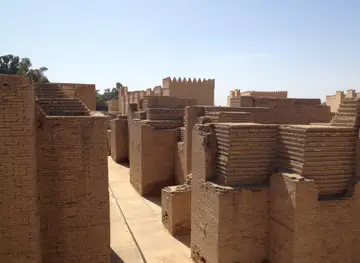
Diyala’s attractions are primarily archaeological, historical and landscape-based rather than developed tourism facilities. Tell Asmar, associated with ancient Eshnunna, is the governorate’s most important archaeological reference point and offers insight into early urban civilisation, although access, interpretation and security arrangements must be confirmed in advance. Baqubah and the surrounding Diyala valley provide a view of irrigated agriculture, citrus-growing country, local markets and provincial urban life. Around Khanaqin and Mandali, the interest lies in frontier geography, historic trade routes and the meeting of Iraqi and Iranian cultural influences. The river corridor, orchards and open agricultural land can be meaningful to visitors travelling with authorised local contacts, but they are working landscapes and should not be entered casually. Mosques, shrines, older town quarters and archaeological mounds may be culturally important, yet photography and access can be restricted. Because infrastructure is limited and conditions vary between districts, Diyala is best approached as a specialist journey for travellers with a strong interest in Mesopotamian history, contemporary Iraq and cultural geography rather than as a conventional sightseeing circuit.
-
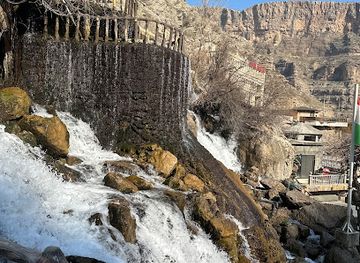
Bekhal Waterfalls
Experience the natural beauty of Iraqi Kurdistan at Bekhal Waterfalls: cascading waters, lush landscapes, and cultural charm await!
-
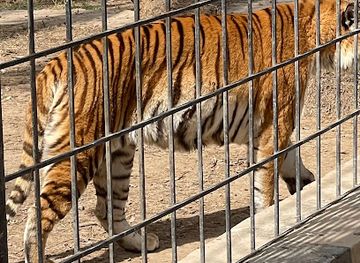
Zoo - Zawraa Park
Discover diverse wildlife in the heart of Baghdad at Zawraa Park Zoo, a symbol of resilience and recreation for locals and tourists alike.
-
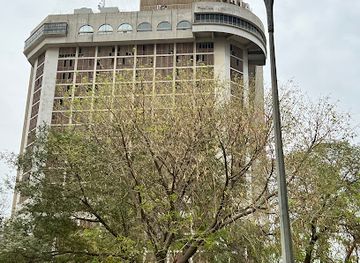
Abu Nuwas Park
Escape to Baghdad's Abu Nuwas Park: A riverside haven of gardens, culture, and tranquil beauty on the Tigris.
-
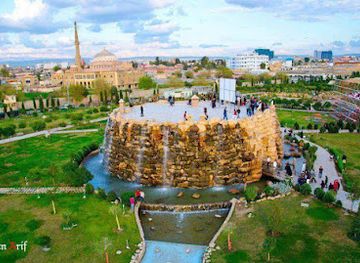
Shanadar Park
Escape to Erbil's green heart: Shanadar Park offers a serene retreat with gardens, history, and family fun in the city center.
Best landmarks in Diyala Region
Tell Asmar is Diyala’s defining historic landmark, an archaeological mound identified with ancient Eshnunna and central to the study of early Mesopotamian cities. Its importance lies in the buried urban layers, temples, administrative evidence and sculptures associated with the site, rather than in a standing monument that can be explored freely. The Diyala River is the region’s principal natural landmark and the reason the central valley supports orchards, farmland and long-established settlements. Baqubah’s position beside this river corridor gives the city a geographical significance that is closely tied to irrigation and movement between Baghdad and the eastern frontier. Khanaqin and Mandali are important frontier landmarks in a broader historical sense: their landscapes, routes and urban identities reflect centuries of exchange between Mesopotamia and the Iranian plateau. Mosques, shrines and older civic buildings in the governorate may be visually or historically significant, but their condition, accessibility and rules on photography vary. There is no dependable self-guided landmark circuit, so visits should be planned through authorised local arrangements.
-
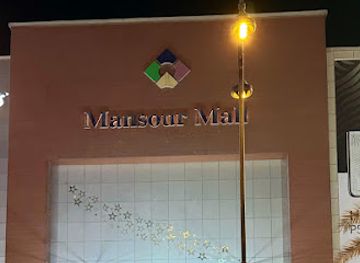
Shopping mall
Mansour Mall
Experience modern shopping, dining, and entertainment at Mansour Mall, Baghdad's premier retail destination with a wide variety of brands.
-
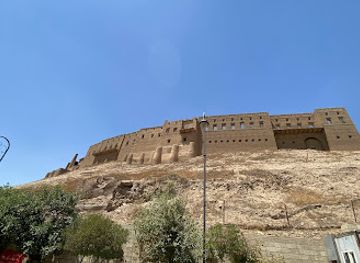
Castle
Erbil Citadel
Explore the ancient Erbil Citadel, a UNESCO World Heritage Site with millennia of history and stunning views in the heart of Erbil, Kurdistan.
-
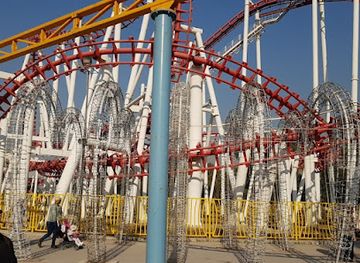
State park
Al-Zawraa Park
Escape to Baghdad's largest park: Al-Zawraa, offering green spaces, a zoo, amusement rides, and family fun in the heart of the city.
-
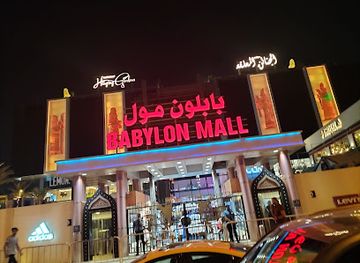
Shopping mall
Babylon Mall
Experience modern shopping, dining, and entertainment at Baghdad's Babylon Mall, a vibrant hub for families and tourists.
Explore Diyala Region on the map
Plan your trip on one map. See where the top cities, national parks and sights are, and book hotels and experiences in a few clicks.
Best hotels in Diyala Region
Best restaurants in Diyala Region
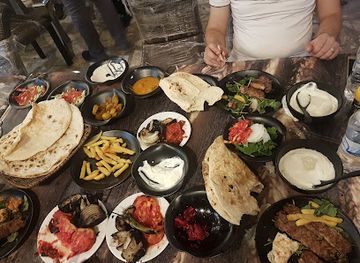
Diyala’s food culture reflects the wider culinary traditions of eastern and central Iraq, adapted to an agricultural environment shaped by the Diyala River. In Baqubah and other towns, visitors may encounter rice dishes served with stews, grilled meats, flatbreads, soups, dolma, pickles and sweet tea, alongside regional produce from irrigated farms and orchards. Citrus cultivation is particularly associated with parts of the governorate, although availability and commercial presentation vary by season. Local eateries are generally informal, with meals purchased from family-run restaurants, market stalls, bakeries and tea shops rather than from a developed visitor dining scene. Khanaqin and frontier districts may show additional Iranian and Kurdish influences in ingredients, breads and preparation styles. Hygiene, water and food-storage standards should be assessed carefully, and overseas visitors should choose busy establishments with high turnover, drink treated or sealed water, and follow the advice of trusted local hosts. Advance confirmation of suitable dining is sensible outside Baqubah.
-
Restaurant
Sabah Al-Arabi Restaurant
Experience authentic Iraqi cuisine at Sabah Al-Arabi Restaurant in Baghdad - where every dish tells a story.
-
Restaurant
Rasul Kahi Geymar
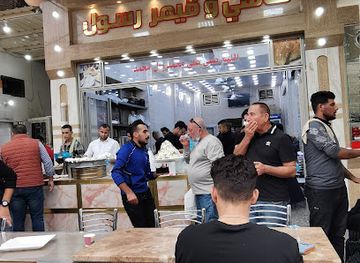
Experience authentic Iraqi cuisine at Rasul Kahi Geymar, known for its delicious kahi and qaimar in the heart of Baghdad.
-
Restaurant
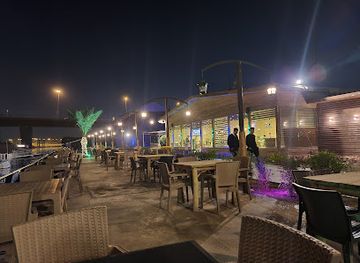
Jadiriyah Floating Restaurant
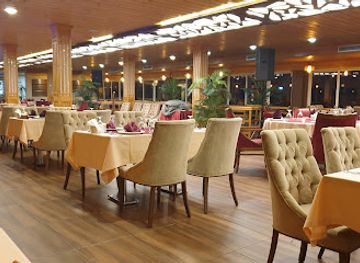
Discover Jadiriyah Floating Restaurant: A unique dining experience on the Tigris River with stunning views and delicious Iraqi cuisine.
-
Arab restaurant
Adam's secrets kitchen +cafe
Experience authentic Iraqi cuisine at Adam's Secrets Kitchen + Cafe – where tradition meets flavor in every bite.

Best bars in Diyala Region
Diyala does not have a conventional bar-and-nightclub circuit for international visitors. Evening life centres on family restaurants, tea shops, bakeries, market streets and informal gatherings, with conversations over sweet tea often more characteristic than nightlife in the Western sense. Baqubah has the broadest range of commercial services in the governorate, while smaller towns usually become quiet earlier and offer fewer options for visitors. Alcohol is not a normal part of public social life in many communities, and laws, religious expectations and local sensitivities should be respected. Live music or celebrations may occur privately or at family events, but these should never be assumed to be publicly accessible. Given the security environment, visitors should avoid wandering after dark, use transport arranged by trusted contacts and follow local advice about safe routes and appropriate venues.
-
HuQQabaz Baghdad
Experience the authentic flavors of Iraqi cuisine at HuQQabaz Baghdad, a restaurant with stunning river views and a vibrant atmosphere.
-
Bar
D lounge & Restaurant
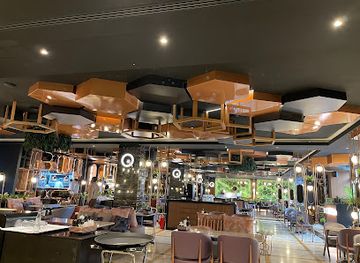
Experience the vibrant nightlife at D Lounge & Restaurant in Baghdad, where local flavors meet international culinary delights.
-
Dojo´s
Experience the vibrant flavors of Baghdad at Dojo's, where local and international cuisines blend seamlessly in a welcoming atmosphere.
-
Coffee shop
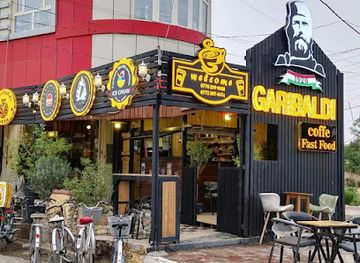
Garibaldi
Discover Garibaldi in Kifri - a cozy coffee shop offering delightful brews, local pastries, and a warm atmosphere perfect for relaxing.
Best nightclubs in Diyala Region
Diyala does not have a conventional bar-and-nightclub circuit for international visitors. Evening life centres on family restaurants, tea shops, bakeries, market streets and informal gatherings, with conversations over sweet tea often more characteristic than nightlife in the Western sense. Baqubah has the broadest range of commercial services in the governorate, while smaller towns usually become quiet earlier and offer fewer options for visitors. Alcohol is not a normal part of public social life in many communities, and laws, religious expectations and local sensitivities should be respected. Live music or celebrations may occur privately or at family events, but these should never be assumed to be publicly accessible. Given the security environment, visitors should avoid wandering after dark, use transport arranged by trusted contacts and follow local advice about safe routes and appropriate venues.
-
Social club
Iraqi Hunting Club
Discover the vibrant social scene at the Iraqi Hunting Club, where traditional culture meets modern leisure in the heart of Baghdad.
-
Night club
ديسكو ابو نؤاس
Discover the vibrant nightlife of Baghdad at ديسكو ابو نؤاس, where energetic music and lively atmosphere come together for an unforgettable night.
-
Night club
نايت ڤينيسيا
Discover the pulse of Baghdad's nightlife at نايت ڤينيسيا, where music and dance create unforgettable memories.
-
Night club
قاعة ريحانة الملكية
Experience the vibrant nightlife at قاعة ريحانة الملكية in Baghdad, where local culture meets modern entertainment for an unforgettable evening.

Best shops in Diyala Region
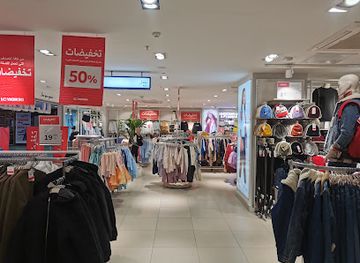
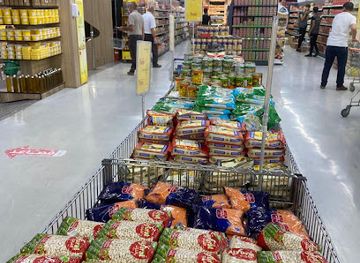
Shopping in Diyala is centred on everyday markets, small high-street businesses, bakeries, produce sellers and specialist shops rather than large destination retail complexes. Baqubah offers the broadest provincial selection, including clothing, household goods, mobile-phone services, foodstuffs and locally traded produce. In agricultural districts, seasonal citrus and other farm products may be more meaningful purchases than conventional souvenirs, although packaging and transport should be considered before buying fresh goods. Markets in Khanaqin and Mandali reflect their location on historic routes towards Iran and may carry a mixture of Iraqi, Kurdish and Iranian-influenced products, subject to current trade conditions. Useful take-home items can include packaged dates, spices, sweets, tea and locally made textiles when their provenance and safety are clear. Bargaining may occur in informal markets, but it should remain courteous and moderate. Ask before photographing stalls or goods, and avoid buying antiquities, unprovenanced artefacts or objects that may have been removed from archaeological sites.
-
Shopping mall
Babylon Mall
Explore Babylon Mall, the ultimate shopping and entertainment hub in Baghdad, featuring diverse stores, dining options, and an IMAX theater.
-
Shopping mall
Dream City Mall
Explore the vibrant Dream City Mall in Baghdad, a shopping paradise offering diverse retail, delicious dining, and fun entertainment for all visitors.
-
Shopping mall
Waffir Shopping Centre
Discover unique shopping and dining experiences at Waffir Shopping Centre in Baghdad, where modernity meets cultural charm.
-
Shopping mall
Dijlah Village
Explore Dijlah Village in Baghdad, where shopping meets culture, featuring a wide range of stores, dining options, and entertainment for a perfect day out.


Get your free copy of our complete guide to Diyala Region, delivered straight to you.
Everything on this page, from attractions and restaurants to essentials and local phrases, in one PDF you can read offline, print or share.
Already have an account? Sign in
Your Diyala Region guide is ready.
We'll send it to · Not you? Sign out

Getting your guide ready…
We are putting together a fresh copy of the Diyala Region guide. This can take up to a minute.
This can take a few moments. If your browser asks, choose Allow so the download can start. You'll find the guide in your Downloads folder.
Nothing happened? Download it again
Sorry, the guide is taking longer than usual. Please try again in a minute, or get it by email instead.
Diyala Region essentials
Currency and Payment
Safety
Emergency Situations
Do's and Don'ts
Local Tips
From Eve
Local phrases worth knowing
You don't need to get them perfect. A few words go a long way, and locals appreciate the effort.
Basics
| English | Local | Say it |
|---|---|---|
| Hello | مرحبا | [Marhaban] |
| Goodbye | وداعا | [Wada'an] |
| Yes | نعم | [Na'am] |
| No | لا | [La] |
| Please/You’re welcome | من فضلك | [Min fadlik] |
| Thank you | شكرا | [Shukran] |
| Excuse me/Sorry | عفوا | [Afwan] |
| How are you? | كيف حالك؟ | [Kayfa halak?] |
| Fine. And you? | بخير. وأنت؟ | [Bikhayr. Wa anta?] |
| Do you speak English? | هل تتحدث الإنجليزية؟ | [Hal tatahaddath al-ingliziyya?] |
| I don’t understand | لا أفهم | [La afham] |
Eating & Drinking
| English | Local | Say it |
|---|---|---|
| I’d like to see the menu, please | أود رؤية القائمة، من فضلك | [Awad ru'yat al-qa'ima, min fadlik] |
| I don’t eat meat | لا آكل اللحم | [La akul al-lahm] |
| Cheers! | في صحتك! | [Fi sihatak!] |
| I would like to pay, please | أود الدفع، من فضلك | [Awad al-daf', min fadlik] |
Emergencies
| English | Local | Say it |
|---|---|---|
| Help! | المساعدة! | [Al-musa'ada!] |
| Go away! | اذهب بعيدا! | [Ithhab ba'eedan!] |
| Call the Police! | اتصل بالشرطة! | [Ittasil bil-shurta!] |
| Call a doctor! | اتصل بالطبيب! | [Ittasil bil-tabeeb!] |
| I’m lost | أنا ضائع | [Ana da'i'] |
| I’m ill | أنا مريض | [Ana marid] |
Shopping
| English | Local | Say it |
|---|---|---|
| I’d like to buy... | أود شراء... | [Awad shirā'] |
| I’m just looking | أنا فقط أنظر | [Ana faqat anzur] |
| How much is it? | كم ثمنه؟ | [Kam thamanuh?] |
| That’s too expensive | هذا مكلف جدا | [Hatha mukallaf jidan] |
| Can you lower the price? | هل يمكنك تخفيض السعر؟ | [Hal yumkinuka takhfid al-si'r?] |
Time & Numbers
| English | Local | Say it |
|---|---|---|
| What time is it? | كم الساعة؟ | [Kam al-sa'ah?] |
| It’s one o’clock | الساعة الواحدة | [Al-sa'ah al-wahidah] |
| Half past (10) | نصف (10) | [Nisf (10)] |
| Morning | صباحا | [Sabahan] |
| Afternoon | بعد الظهر | [Ba'd al-zuhur] |
| Evening | مساء | [Masa'] |
| Yesterday | أمس | [Ams] |
| Today | اليوم | [Al-yawm] |
| Tomorrow | غدا | [Ghadan] |
| 1 | ١ | [1] |
| 2 | ٢ | [2] |
| 3 | ٣ | [3] |
| 4 | ٤ | [4] |
| 5 | ٥ | [5] |
| 6 | ٦ | [6] |
| 7 | ٧ | [7] |
| 8 | ٨ | [8] |
| 9 | ٩ | [9] |
| 10 | ١٠ | [10] |
Transport & Directions
| English | Local | Say it |
|---|---|---|
| Where's a/the...? | أين...؟ | [Ayn...?] |
| What’s the address? | ما هو العنوان؟ | [Ma huwa al-'unwan?] |
| Can you show me (on the map)? | هل يمكنك أن تريني (على الخريطة)؟ | [Hal yumkinuka an turini (ala al-kharita)?] |
| When's the next (bus)? | متى يأتي (الحافلة) القادمة؟ | [Mata yati (al-hafila) al-qadima?] |
| A ticket (to ....) | تذكرة (إلى....) | [Tadhkira (ila....)] |
History of Diyala Region
Early Mesopotamian Cities at Eshnunna
The Diyala valley formed a corridor between southern Mesopotamia, the Iranian plateau and the routes leading towards the Zagros. Its settlements were therefore connected to wider political systems while retaining strong local identities.
The Kingdom of Eshnunna in the Early Second Millennium BC
The legacy of this period survives mainly through archaeological remains and cuneiform scholarship. It helps explain why Diyala is historically more than a route between Baghdad and the frontier: it was itself a centre of early state formation.
Imperial Frontiers from Assyria to the Sasanian Era
The region’s archaeological record is uneven and many sites require specialist interpretation. Visitors should avoid assuming that every mound or ruin is accessible, identified or safe to enter.
Islamic Rule and the Baghdad–Iran Corridor
Many visible religious and urban features have been rebuilt or altered over time, so the historical character of a town is often better understood through its location, street life and regional networks than through a single surviving monument.
Ottoman Administration and the Modern Frontier
This frontier history helps explain Diyala’s linguistic and cultural diversity, as well as the continuing significance of customs, transport and political developments beyond the governorate itself.
Irrigation, Orchards and Twentieth-Century Development
The orchard country around Baqubah remains one of Diyala’s clearest regional identities, although agricultural conditions are affected by water availability, changing infrastructure and wider economic pressures.
War, Displacement and Reconstruction
Diyala’s communities have continued to rebuild homes, markets, farms and public services, but visitors should approach the region with sensitivity and avoid treating recent conflict as a spectacle or photographing evidence of destruction without permission.
Diyala Region in Photos
Browse through our photo collection highlighting the charm and character of the destination.
Neighbouring regions of Diyala Region
The closest regions to Diyala Region, if you have time for more than one.
-

-

-

-

-


Swipe for more regions
Explore more

Explore more of Iraq
Explore the cradle of civilization in Iraq, where ancient history, rich culture, and diverse landscapes create an unforgettable travel experience.
Explore Iraq