

Free Dohuk Travel Guide & Mobile App
Plan your Dohuk trip with Evendo. Get free guides to top attractions, restaurants, hotels, and bars. Web access or download the mobile app.


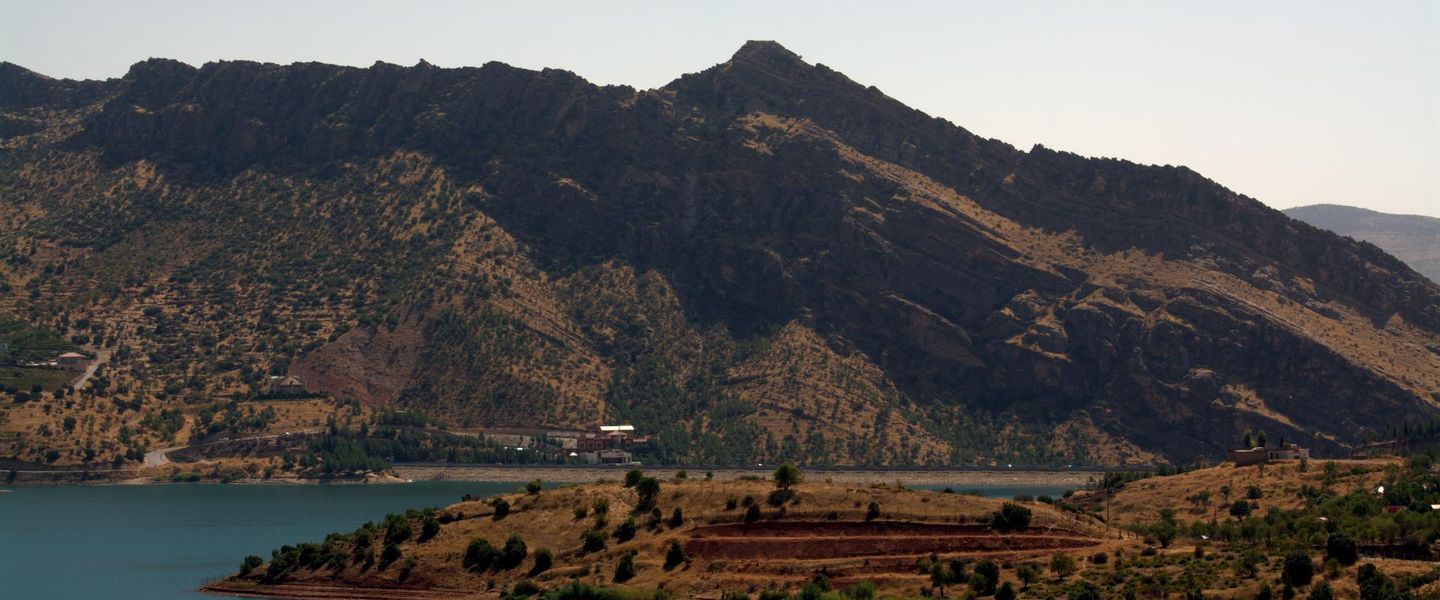


Dohuk, Iraq combines Kurdish culture, mountain scenery, historic sites, lively markets and day trips to Lalish, Amedi and the Zagros foothills.
A Mountain City in Kurdistan
Dohuk lies in northern Iraq, within the Kurdistan Region, where the city’s dense urban streets meet the folded ridges of the Zagros foothills. Its setting gives the city a distinctly regional character: mountains frame the horizon, orchards and rocky valleys surround the built-up area, and short drives lead towards reservoirs, historic settlements and religious sites. Dohuk is the capital of Dohuk Governorate and an important commercial and cultural centre for the surrounding Kurdish communities.Read more about Dohuk
History in the Landscape
Markets, Cafés and Contemporary Life
When is the best time to visit Dohuk?
Best: March–April, November · 24–32°C| Month | High (°C) | Rainfall (mm) |
|---|---|---|
| January | 13 | 61 |
| February | 17 | 56 |
| March (best) | 24 | 52 |
| April (best) | 32 | 45 |
| May | 42 | 38 |
| June | 51 | 31 |
| July | 55 | 25 |
| August | 54 | 28 |
| September | 48 | 35 |
| October | 39 | 46 |
| November (best) | 27 | 51 |
| December | 18 | 60 |
Getting to and around Dohuk
How to get there
Transportation
Best attractions in Dohuk
Dohuk’s principal sights combine urban culture with mountain scenery. The central bazaar is the place to observe everyday commerce, from clothing and household goods to produce and sweets, while nearby cafés reveal the city’s social rhythm. Zawa Mountain rises above the urban area and provides broad views across the basin, especially in clear weather. Dohuk Dam, set amid rocky slopes and greener seasonal landscapes, is a popular local outing rather than a formal sightseeing complex. Parks and public spaces offer gentler alternatives within the city, and the Dohuk Museum provides useful context for the province’s archaeological and cultural past when open. Beyond the city, the sacred Yazidi sanctuary of Lalish and the historic hilltop town of Amedi are important excursions, but they should be treated as separate destinations. Their religious and historical value is best appreciated through respectful, well-planned visits rather than rushed stops.
-
Tourist attraction
Duhok Zoo
Discover diverse wildlife in a family-friendly setting at Duhok Zoo, a leading attraction in the heart of the Kurdistan Region.
5 min drive · 1.8 km from city centre
-
Tourist attraction
Dream City
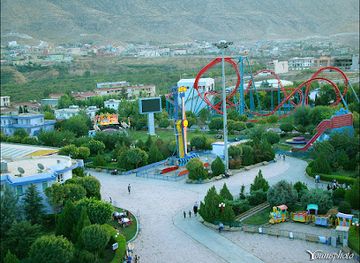
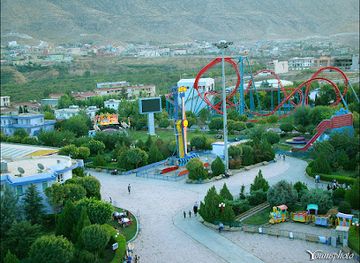
Experience thrilling rides and serene landscapes at Duhok's premier amusement park, a perfect escape for families and tourists alike.
10 min walk · 0.8 km from city centre
-
Tourist attraction
Azadî Park
Escape to Duhok's Azadi Park: A vibrant green space for relaxation, recreation, and community gatherings. Open late for evening enjoyment.
16 min walk · 1.2 km from city centre
-
Park
Avro City Park
Escape to Avro City Park in Duhok: A green sanctuary in the city center, perfect for relaxation, family fun, and enjoying nature's beauty.
21 min drive · 6.9 km from city centre
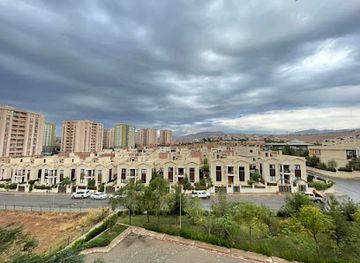
Best landmarks in Dohuk
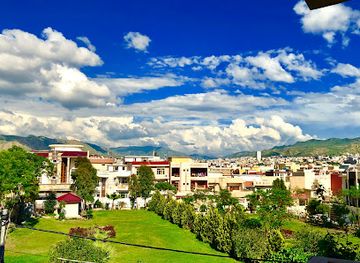
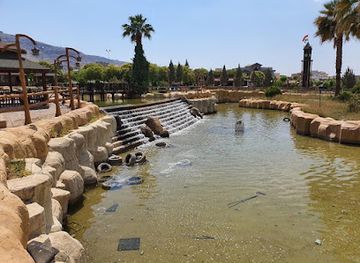
Dohuk’s landmarks express the relationship between a growing Kurdish city and its mountainous setting. Zawa Mountain is the city’s defining natural monument, rising above the urban basin and serving as a familiar point of orientation. Dohuk Dam is a major piece of modern infrastructure as well as a landscape landmark, its reservoir bringing an expansive body of water into an otherwise rugged setting. The central bazaar has less monumental architecture but considerable cultural significance, preserving the commercial role of the old urban core. The nearby Lalish sanctuary is one of the region’s most important Yazidi religious landmarks, while Amedi’s gates, plateau and historic settlement form a separate highland landmark beyond the city. Christian monasteries around Alqosh likewise belong to the wider province and Nineveh region, reflecting the long religious history surrounding Dohuk rather than standing within its municipal centre.
-
Shopping mall
Family Mall Duhok
Duhok's premier shopping destination with diverse retail, dining, and entertainment options for the whole family, easily accessible on the Duhok-Zakho highway.
26 min drive · 8.7 km from city centre
-
Shopping mall
Duhok Mall
Experience modern shopping, dining, and entertainment at Duhok Mall, a premier destination in the heart of Duhok.
9 min drive · 3.0 km from city centre
-
Animal park
Duhok Zoo
Discover diverse wildlife in a family-friendly setting at Duhok Zoo, a must-visit attraction in the heart of the Kurdistan Region.
5 min drive · 1.8 km from city centre
-
Park
Dream City
Experience thrilling rides, beautiful gardens, and unforgettable moments at Duhok's premier amusement park, a perfect destination for family fun and adventure.
10 min walk · 0.8 km from city centre
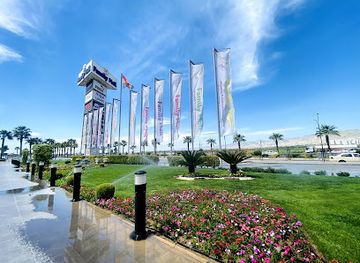
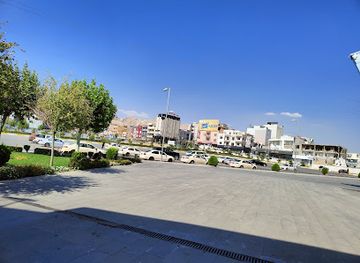
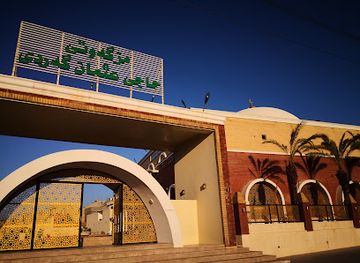
Explore Dohuk on the map
Plan your Dohuk trip on one map. See where the top attractions, landmarks, restaurants, bars and hotels are, find what's near where you're staying, and book hotels and experiences in a few clicks.
Best hotels in Dohuk
Best restaurants in Dohuk
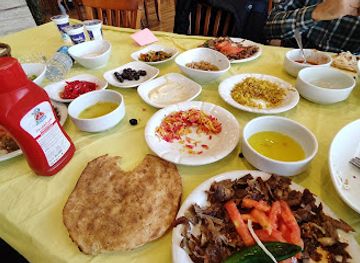
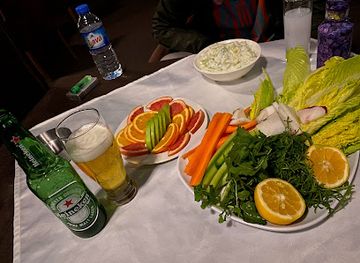
Dohuk’s dining culture is rooted in Kurdish home cooking and the broader cuisine of northern Mesopotamia. Menus commonly draw on rice, grilled meats, chicken, herbs, yoghurt, seasonal vegetables and flatbreads, with dolma and hearty soups appearing alongside regional kebabs. Breakfast may include eggs, cheese, bread, olives and tea, while cafés serve sweet tea and simple snacks throughout the day. In the central area, informal restaurants and food shops provide an accessible introduction to local flavours, while newer venues offer Kurdish, Iraqi, Turkish and international dishes for a wider urban clientele. Markets are useful for seeing the ingredients that shape household cooking, including dried fruit, nuts, spices and pickled vegetables. Dining is often social and unhurried, and shared plates are common, particularly when families gather in the evening.
-
Restaurant
Malta Restaurant & Cafe Duhok
Experience the culinary delight of Malta Restaurant & Cafe in Duhok with its exquisite blend of Middle Eastern and Western cuisines.
13 min drive · 4.2 km from city centre
-
Restaurant
Shoresh Restaurant
Experience authentic Kurdish cuisine at Shoresh Restaurant in Duhok – where tradition meets flavor in a cozy atmosphere.
7 min drive · 2.4 km from city centre
-
Restaurant
Geverke Restaurant
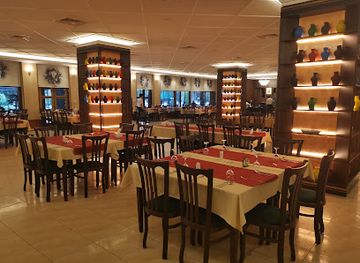
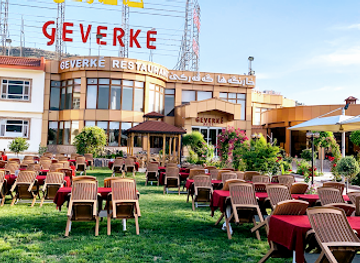
Discover Geverke Restaurant in Duhok – where authentic Kurdish flavors meet modern dining in a charming atmosphere.
10 min drive · 3.3 km from city centre
-
Restaurant
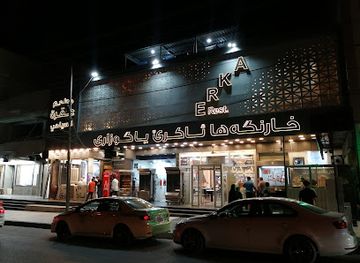
Akre Restaurant
Discover authentic Kurdish flavors at Akre Restaurant in Duhok - a culinary experience rich in tradition and taste.
9 min drive · 3.0 km from city centre
Best bars in Dohuk
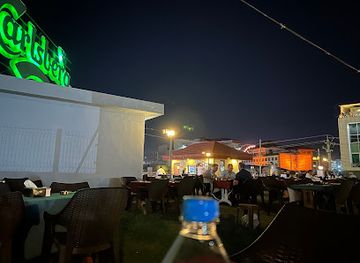
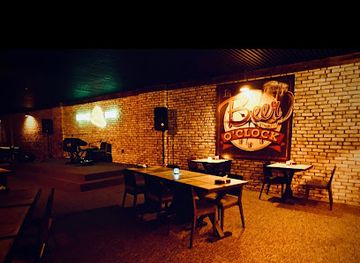
Dohuk’s evening scene is comparatively restrained and centred more on cafés, restaurants, hotel lounges and family gatherings than on large nightclubs. After sunset, central streets become sociable as residents meet over tea, coffee, juice and conversation, while televised football and casual dining add to the atmosphere. Some modern hotels and restaurants may offer more formal evening seating, but alcohol availability and nightlife customs vary, and visitors should not assume that venues operate like bars in major European cities. The city’s most distinctive after-dark experience is often simply observing local life in a busy café or taking an evening walk through central commercial areas. Cultural programming, concerts and public events can occur, although schedules are changeable; local notices and hotel staff are more reliable than outdated online listings.
-
Bar
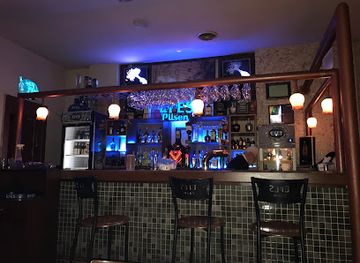
EFES BAR DUHOK
Discover the lively ambiance of EFES BAR DUHOK, a favorite spot for locals and tourists to unwind in the heart of Duhok.
5 min drive · 1.8 km from city centre
-
Bar
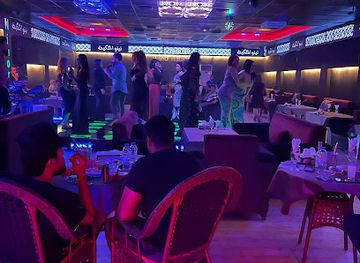
Babylon Club
Discover the pulse of Duhok's nightlife at Babylon Club, where vibrant music and local flavors come together for an unforgettable experience.
16 min walk · 1.3 km from city centre
-
Grill
Nino Rest and Bar
Discover Nino Rest and Bar in Duhok, where tantalizing grilled dishes and a lively atmosphere await every visitor.
5 min drive · 1.7 km from city centre
-
Pub
Bells Bar
Discover the vibrant nightlife of Duhok at Bells Bar, where locals and tourists gather for drinks and good times in a lively atmosphere.
16 min walk · 1.3 km from city centre
Best nightclubs in Dohuk
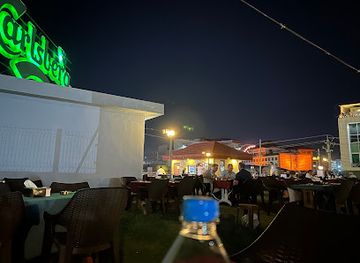
Dohuk’s evening scene is comparatively restrained and centred more on cafés, restaurants, hotel lounges and family gatherings than on large nightclubs. After sunset, central streets become sociable as residents meet over tea, coffee, juice and conversation, while televised football and casual dining add to the atmosphere. Some modern hotels and restaurants may offer more formal evening seating, but alcohol availability and nightlife customs vary, and visitors should not assume that venues operate like bars in major European cities. The city’s most distinctive after-dark experience is often simply observing local life in a busy café or taking an evening walk through central commercial areas. Cultural programming, concerts and public events can occur, although schedules are changeable; local notices and hotel staff are more reliable than outdated online listings.
-
Bar
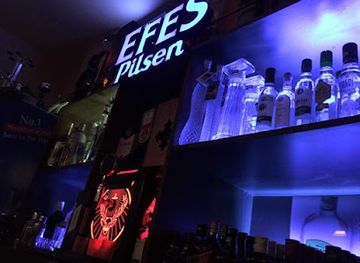
EFES BAR DUHOK
Experience the vibrant nightlife at EFES BAR DUHOK, a must-visit bar in the heart of Duhok with a lively atmosphere and a rich selection of drinks.
5 min drive · 1.8 km from city centre
-
Bar
Babylon Club
Discover the energetic nightlife at Babylon Club in Duhok, where great drinks and live music create unforgettable moments.
16 min walk · 1.3 km from city centre
-
Bar
Duhok Construction Contractors Club
Experience the lively atmosphere of Duhok at the Construction Contractors Club, a cultural bar offering a range of local and international drinks.
16 min walk · 1.3 km from city centre
-
Bar
نادي الادباء
Discover the vibrant cultural scene at Nadi Al-Adab, a lively bar in Duhok offering drinks, music, and a unique atmosphere for a memorable night out.
5 min drive · 1.6 km from city centre
Best shops in Dohuk
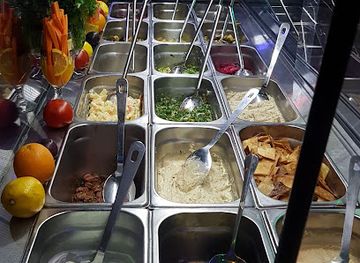
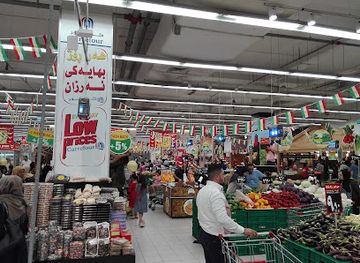
Shopping in Dohuk ranges from the traditional central bazaar to modern streets lined with clothing shops, household retailers, bakeries and cafés. The bazaar is the most atmospheric place to browse everyday Kurdish and Iraqi commerce, including textiles, footwear, spices, nuts, sweets and locally used household goods. Visitors may also find regional honey, dried fruit, embroidered items and small craft products, although quality and provenance vary, so bargaining should remain courteous rather than aggressive. Contemporary retail areas offer branded clothing and electronics, but the city’s more distinctive purchases are generally edible or practical rather than luxury goods. Souvenirs connected with Kurdish culture can be found in independent shops, though designs are not always made locally. Carrying small Iraqi-dinar notes makes market transactions easier and helps avoid confusion when prices are negotiated.
-
Shopping mall
Family Mall Duhok
Experience the ultimate shopping and dining adventure at Family Mall Duhok, where vibrant culture meets modern convenience in a delightful setting.
26 min drive · 8.7 km from city centre
-
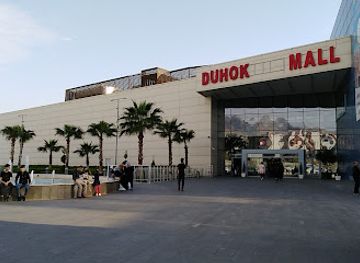
Shopping mall
Duhok Mall
Explore Duhok Mall, a vibrant shopping destination in Iraq offering a mix of local culture, fashion, and entertainment.
9 min drive · 3.0 km from city centre
-
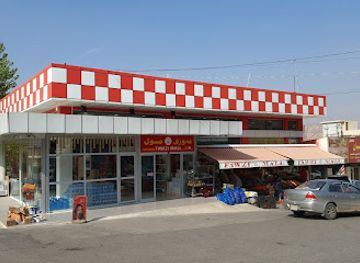
Asian grocery store
Fawzi mall
Explore Fawzi Mall, a vibrant Asian grocery store in Duhok, offering an array of exotic ingredients and local specialties to enhance your culinary journey.
8 min drive · 2.8 km from city centre
-
Department store
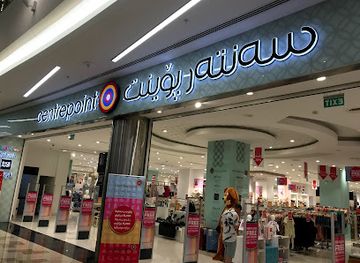
Centrepoint
Explore Centrepoint in Duhok for a family-friendly shopping experience with diverse stores offering fashion, beauty, and baby essentials.
27 min drive · 8.9 km from city centre
Get your free copy of our complete guide to Dohuk, delivered straight to you.
Everything on this page, from attractions and restaurants to essentials and local phrases, in one PDF you can read offline, print or share.
Already have an account? Sign in
Your Dohuk guide is ready.
We'll send it to · Not you? Sign out

Getting your guide ready…
We are putting together a fresh copy of the Dohuk guide. This can take up to a minute.
This can take a few moments. If your browser asks, choose Allow so the download can start. You'll find the guide in your Downloads folder.
Nothing happened? Download it again
Sorry, the guide is taking longer than usual. Please try again in a minute, or get it by email instead.
Dohuk essentials
Currency and Payment
Safety
Emergency Situations
Do's and Don'ts
Local Tips
From Eve
Local phrases worth knowing
You don't need to get them perfect. A few words go a long way, and locals appreciate the effort.
Basics
| English | Local | Say it |
|---|---|---|
| Hello | سڵاو | [sallaw] |
| Goodbye | خداحافظ | [khuda hafiz] |
| Yes | بەڵێ | [bele] |
| No | نەخێر | [nekher] |
| Please/You're welcome | تکایە | [tekaye] |
| Thank you | سوپاس | [supas] |
| Excuse me/Sorry | ببورە | [bobore] |
| How are you? | چۆنیت؟ | [choni?] |
| Fine. And you? | بەخۆشم. تۆ چۆنیت؟ | [bekhosham. to choni?] |
| Do you speak English? | زمانی ئینگلیزی دەگوت؟ | [zmani ingilizi degot?] |
| I don't understand | نەفەهمم | [nefehmem] |
Eating & Drinking
| English | Local | Say it |
|---|---|---|
| I'd like to see the menu, please | تکایە دەستپێکردنی مێنیو بدە | [tekaye destpekrdeni menu bede] |
| I don't eat meat | من گۆشت نەخوێنم | [min gost nekhonem] |
| Cheers! | سۆر | [sor] |
| I would like to pay, please | تکایە پارە دابخە | [tekaye pare dabkhe] |
Emergencies
| English | Local | Say it |
|---|---|---|
| Help! | یارمەتی! | [yarmeti!] |
| Go away! | بهەریوە! | [behrewa!] |
| Call the Police! | کۆمارەوە! | [komarewa!] |
| Call a doctor! | داکتۆرەکە بپەخشە! | [doktoreke bepekhse!] |
| I'm lost | تەنها شتەکم | [tenha shtekem] |
| I'm ill | من تۆمارم | [min tomarem] |
Shopping
| English | Local | Say it |
|---|---|---|
| I'd like to buy... | تکایە دەکرێتەوە ... خرید بکەم | [tekaye dekretew ... kherid bikem] |
| I'm just looking | من تەنها نیشانەم | [min tenha nishanem] |
| How much is it? | چەقدارە؟ | [cheqadare?] |
| That's too expensive | ئەوەی بەرزە | [ewey berze] |
| Can you lower the price? | دەتوانی قیمەت کەم بکەیت؟ | [detawani qimete kem beket?] |
Time & Numbers
| English | Local | Say it |
|---|---|---|
| What time is it? | چەقدە کاتەیە؟ | [cheqade kateye?] |
| It's one o'clock | کاتەی یەکەیە | [kateye yekaye] |
| Half past (10) | دوای نیوە (10) | [daway niwe (10)] |
| Morning | صبح | [sabah] |
| Afternoon | دینگ | [ding] |
| Evening | ئێوارە | [eware] |
| Yesterday | دەروزا | [deroza] |
| Today | ئۆمەن | [omen] |
| Tomorrow | سەرەوە | [serewe] |
| 1 | یەک | [yek] |
| 2 | دوو | [dow] |
| 3 | سێ | [se] |
| 4 | چوار | [chwar] |
| 5 | پێنج | [penj] |
| 6 | شەش | [shesh] |
| 7 | حەوت | [hewt] |
| 8 | هەشت | [hesht] |
| 9 | نۆ | [no] |
| 10 | دە | [de] |
Transport & Directions
| English | Local | Say it |
|---|---|---|
| Where's a/the...? | ...کوێ؟ | [...kuwe?] |
| What's the address? | ناونیشانی کوێیە؟ | [nawnishani kuweye?] |
| Can you show me (on the map)? | ئەتوانی بنیشانم بدەیت؟ | [etawani benishanem bedet?] |
| When's the next (bus)? | کاتی ئەوەیە؟ | [kate aweye?] |
| A ticket (to ....) | بلیطی (بۆ ...) | [beliti (bo ...)] |
History of Dohuk
Ancient Northern Mesopotamian Setting
Dohuk stands in a region shaped by the meeting of the Mesopotamian plain and the Zagros highlands. Ancient Assyrian power was centred further south and east, but the wider province formed part of the northern Mesopotamian borderlands through which armies, traders and pastoral communities moved. Archaeological remains across the surrounding districts, together with nearby Christian and Yazidi sacred places, reflect a long history of settlement and cultural exchange. The area’s valleys provided routes through difficult terrain, while its springs and cultivable pockets supported village life. This geographical setting helps explain why the Dohuk region contains such a concentrated mixture of languages, faiths and historical traditions.
Christian Communities and Monastic Heritage
Christian communities have lived across northern Mesopotamia for many centuries, especially among the Assyrian and Chaldean populations of the wider Dohuk and Nineveh regions. Monasteries and ancient churches in the surrounding countryside preserve traditions associated with Syriac Christianity, although many lie outside Dohuk itself. Rabban Hormizd Monastery near Alqosh, for example, is a major religious and architectural site in the broader region rather than a city attraction. Periods of political change, conflict and migration repeatedly altered the distribution of these communities. Their survival in the province remains an important part of the historical landscape and of the cultural context encountered by visitors travelling beyond the city.
Ottoman Rule and Kurdish Highland Society
For centuries the Dohuk area formed part of the Ottoman Empire, within a frontier environment where imperial administration coexisted with local Kurdish authorities, tribal structures and established Christian communities. Ottoman rule connected the region to the administrative and commercial networks of northern Iraq, Anatolia and the wider Middle East, while the mountainous terrain limited direct state control in many localities. Agriculture, livestock, seasonal movement and regional trade remained central to daily life. The historical town of Amedi, perched on a dramatic plateau to the north-east, illustrates the importance of fortified highland settlements in the region, though it is distinct from Dohuk and belongs to a separate local history.
From Mandate Iraq to Modern Dohuk
After the First World War, the Dohuk region became part of the modern state of Iraq, whose borders and administrative structures reshaped older patterns of movement and authority. The city grew as a provincial centre during the twentieth century, serving surrounding villages and mountain districts. Kurdish political mobilisation, state campaigns and periods of conflict affected the population profoundly, particularly during the later decades of Ba’athist rule. The Anfal campaign of the late 1980s devastated many Kurdish communities across northern Iraq, although its impact varied by locality. These events remain part of the region’s living historical memory and are essential to understanding contemporary Kurdish identity.
Autonomy and Urban Expansion
The establishment of the Kurdistan Region’s de facto autonomy after the 1991 uprising transformed Dohuk’s political and economic role. Following the 2003 Iraq War, regional institutions consolidated their presence, and Dohuk expanded through new housing, universities, roads and commercial development. The city also received displaced people from other parts of Iraq, adding further complexity to its social landscape. Improved connections with the Turkish border and the wider region strengthened trade, while projects such as the Dohuk Dam altered the city’s recreational and visual environment. Contemporary Dohuk therefore combines a relatively recent urban expansion with older rural, religious and mountain traditions that remain visible around it.
Dohuk in Photos
Browse through our photo collection highlighting the charm and character of the destination.
Cities near Dohuk
The closest cities to Dohuk, if you have time for more than one stop.
-

-

-

-

-


Swipe for more cities
Explore more

Explore more of Iraq
Explore the cradle of civilization in Iraq, where ancient history, rich culture, and diverse landscapes create an unforgettable travel experience.
Explore Iraq