Tigris River, Mesopotamia Travel Guide
Explore the Tigris River in Duhok: a historic waterway offering natural beauty and a glimpse into ancient Mesopotamian civilizations.
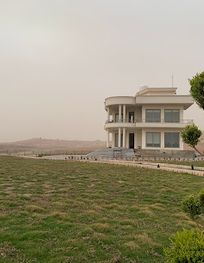
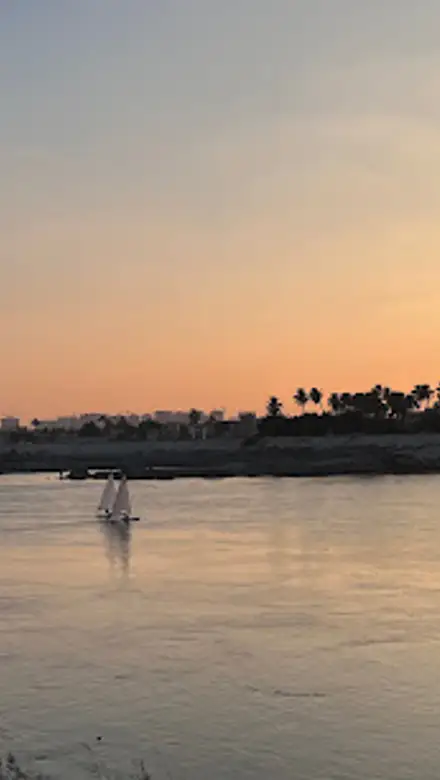
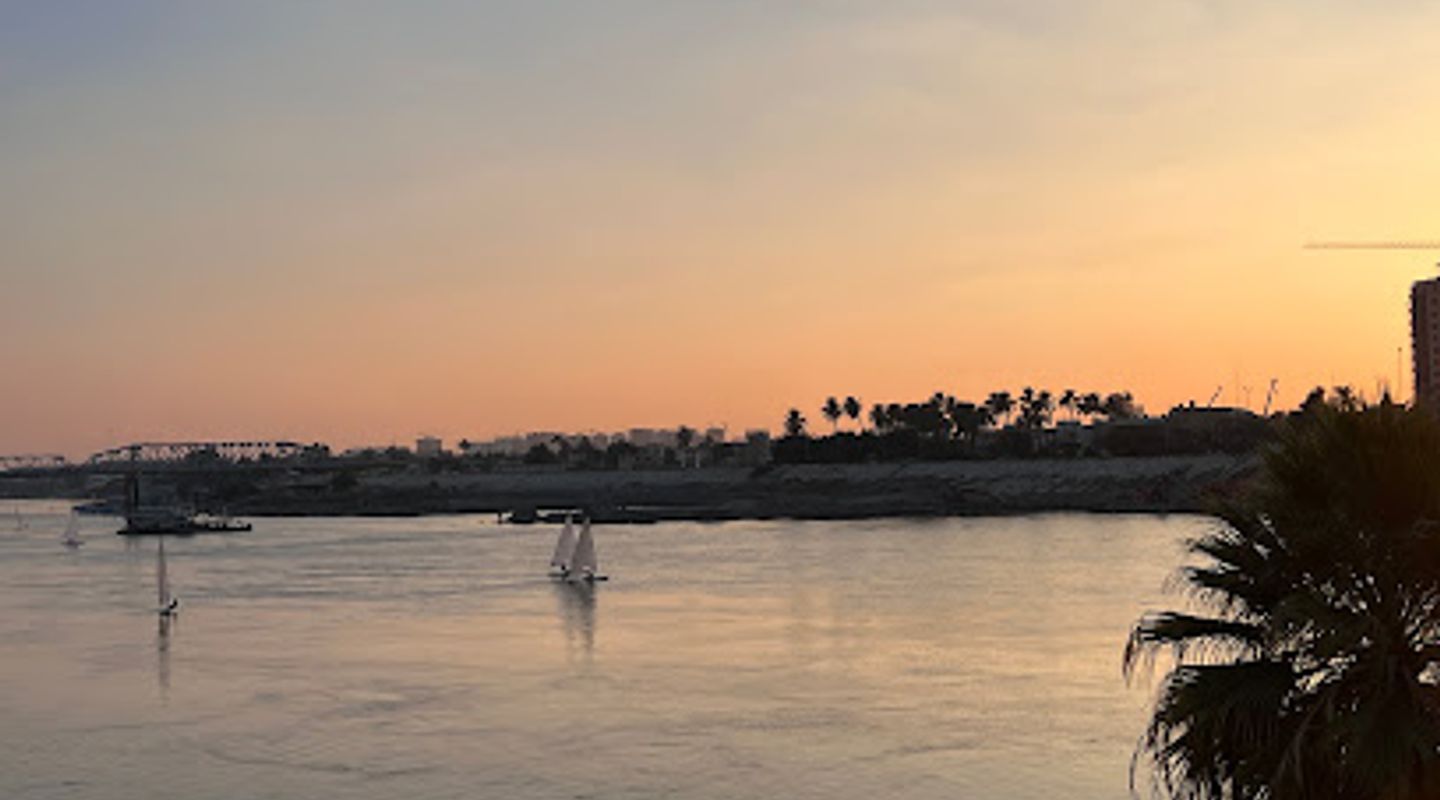
The Tigris River, flowing through the Duhok Governorate, is a historic waterway and essential artery of ancient Mesopotamia. Explore its banks to witness the natural beauty and cultural richness that have sustained civilizations for millennia.
A brief summary to Tigris River
- Duhok Governorate, IQ

Know before you go
Hi, I'm Eve. Here are a few practical things to know before exploring Tigris River.
- Visit during sunrise or sunset for breathtaking views and ideal photography conditions.
- Bring a picnic to enjoy along the riverbank while soaking in the serene atmosphere.
- Wear comfortable walking shoes, as exploring the riverbanks can involve some hiking.
- Stay hydrated and bring sunscreen, especially during the warmer months.
Do you manage this location?
Take control to get all the benefits, like improved information, better appearance, and stronger visibility across AI-powered discovery. Learn more about listing your business on Evendo
Activate your presenceOther nearby places you may find interesting
The closest places of the same kind, if this one is not quite what you had in mind.
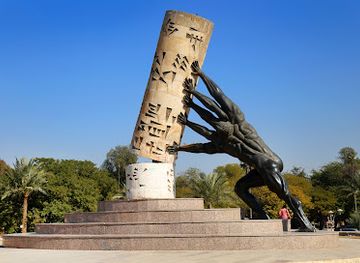
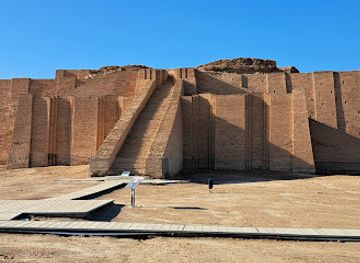
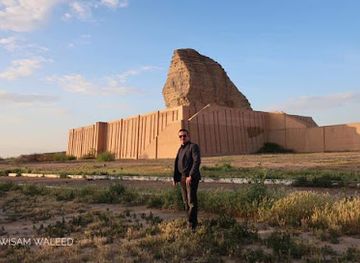

Explore Tigris River on the Map
A handpicked selection of must-see spots near Tigris River, mapped for you.
Getting There
-
Public Transport
From Duhok city, take a bus to Al Amadiyah. Buses depart regularly from Duhok's main bus station. The journey takes approximately 40 minutes. Once in Al Amadiyah, take a local taxi or motorcycle taxi to the Tigris River, about 15 minutes away. Negotiate the fare beforehand; prices vary.
-
Car
From Duhok city, take Road 1 east towards Al Amadiyah. After about 30 kilometers, look for signs to the Tigris River. Turn left onto a smaller road leading to the riverbank. Fuel costs vary.
Discover more about Tigris River













Your all‑in‑one travel companion app
Explore expert travel guides, compare and book tours, experiences, hotels, and more—all from the palm of your hand. Download now for seamless trip planning wherever your wanderlust takes you.


Explore More of Mesopotamia
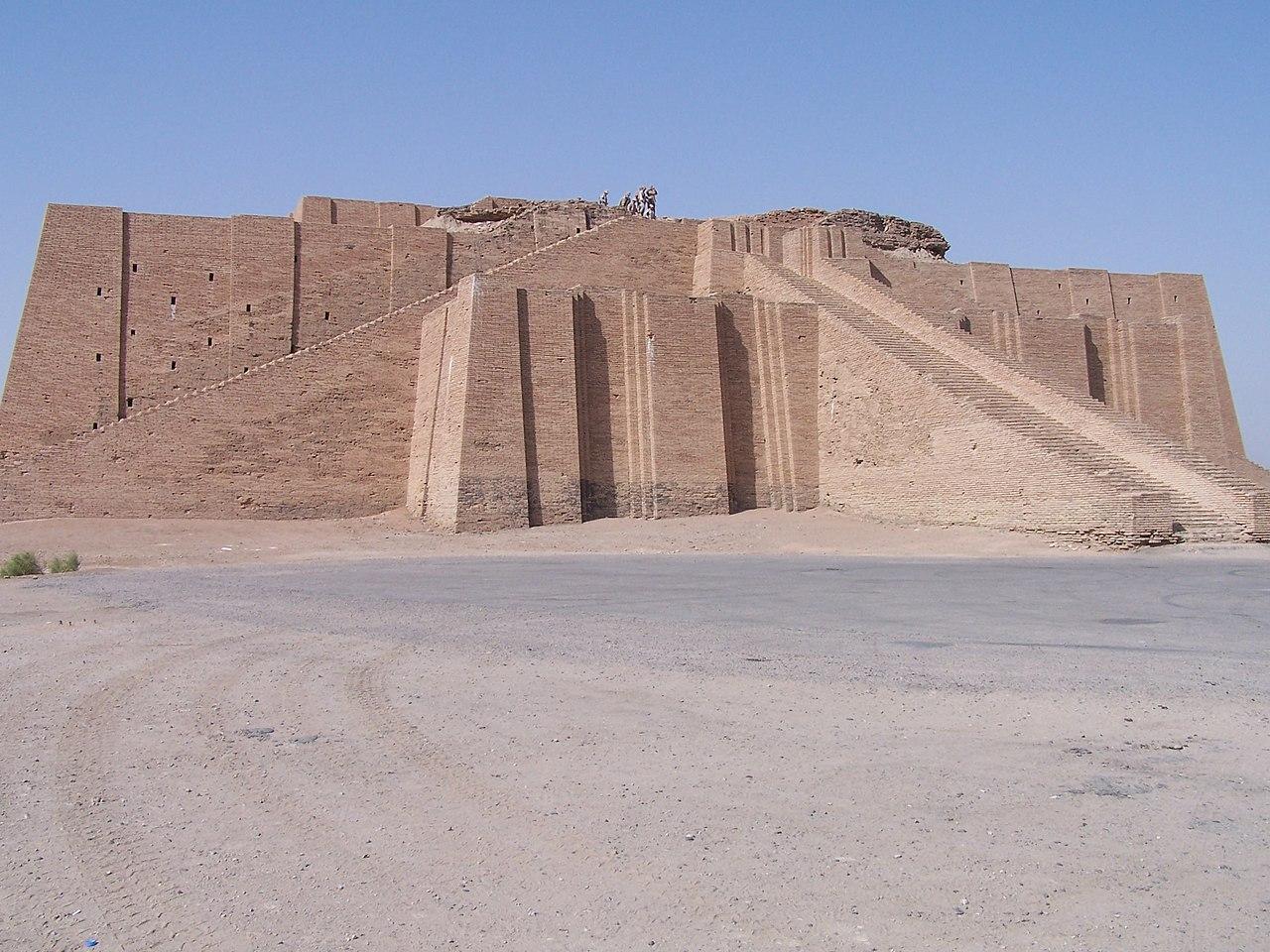
Looking beyond Tigris River? Discover Mesopotamia for broader travel guides, local hot-spots, and regional highlights.
Explore Mesopotamia