

Free Mesopotamia Travel Guide & Mobile App
Explore Mesopotamia with free travel guides. Discover regional history, expert tips, proposed trips, and audio guides on web or mobile app.


Explore Iraqi Mesopotamia through Baghdad, Babylon, Sumerian ruins, southern marshes, river landscapes and Basra’s historic waterways.
Read more about Mesopotamia
When is the best time to visit Mesopotamia?
Best: April, October–November · 20–29°C| Month | High (°C) | Rainfall (mm) |
|---|---|---|
| January | 13 | 30 |
| February | 15 | 25 |
| March | 20 | 20 |
| April (best) | 27 | 10 |
| May | 32 | 5 |
| June | 39 | 0 |
| July | 42 | 0 |
| August | 42 | 0 |
| September | 37 | 1 |
| October (best) | 29 | 5 |
| November (best) | 20 | 15 |
| December | 14 | 20 |
Getting to and around Mesopotamia
How to get there
Transportation
Top city travel guides in Mesopotamia
The cities of Mesopotamia, and the easiest places to base yourself.
-

-

-

-

-

-


Swipe for more cities
Destinations in Mesopotamia
Resorts, valleys and scenic spots worth a trip of their own.
-

-

-

-

-

-


Swipe for more destinations
Best attractions in Mesopotamia
Iraqi Mesopotamia’s attractions span immense archaeological sites, living river cultures and major urban heritage. Around Hillah, Babylon provides the region’s most famous ancient landscape, with reconstructed and surviving elements that evoke the scale of the Neo-Babylonian capital. South of Baghdad, the Taq Kasra at Ctesiphon represents the imperial world of the Sasanians. Near Nasiriyah, the ziggurat and archaeological remains of Ur offer a direct encounter with Sumerian urban civilisation, while nearby sites such as Eridu extend the story into an even earlier period. The Ahwar of southern Iraq combine open water, reed beds, wildlife and traditional boat journeys with communities whose lives have long followed the rhythms of the marshes. Baghdad contributes museums, historic religious buildings, book markets and Tigris-side neighbourhoods, although access to individual institutions can change. Basra offers a different atmosphere shaped by ports, waterways, date palms and Gulf-facing commerce. Across the region, attractions are often spread across large distances and may have limited interpretation or visitor infrastructure, making reliable local arrangements and respectful, low-impact travel particularly important.
-
Castle
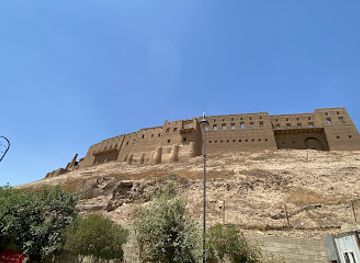
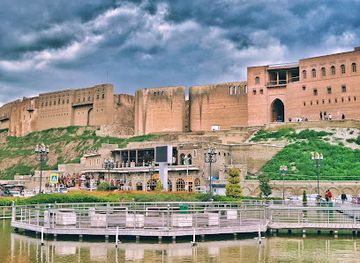
Erbil Citadel
Explore the ancient Erbil Citadel, a UNESCO World Heritage Site and one of the world's oldest continuously inhabited settlements.
-
State park
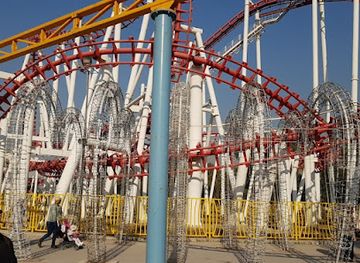
Al-Zawraa Park
Escape the city in Baghdad's iconic Al-Zawraa Park: gardens, zoo, amusement rides, and a tranquil lake await!
-
Park
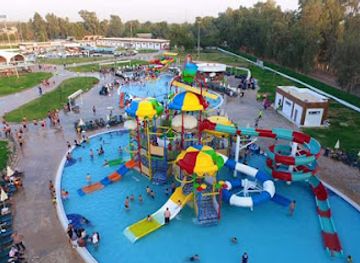
Baghdad Island Park
Escape to Baghdad's green oasis: gardens, recreation, and cultural events await at Baghdad Island Park.
-
Historical landmark
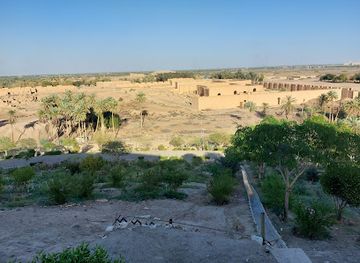
Ancient Babylon
Discover Ancient Babylon: Explore the ruins of a Mesopotamian empire's capital, a cradle of civilization and UNESCO World Heritage Site.
Best landmarks in Mesopotamia
The most recognisable landmark of Iraqi Mesopotamia is the ziggurat at Ur, a monumental stepped temple platform that rises above the flat landscape near Nasiriyah and embodies the engineering and religious ambitions of Sumer. Babylon’s reconstructed Ishtar Gate and processional remains are powerful symbols of the ancient city, although the site should be understood as an archaeological landscape containing both ancient fabric and modern reconstruction. Near Baghdad, the Taq Kasra at Ctesiphon is distinguished by its enormous brick arch, the surviving fragment of a former imperial capital on the Tigris. In the south, the waterways and reed beds of the Ahwar form a natural landmark as important as any masonry monument, while Basra’s Shatt al-Arab and historic date-palm landscapes express the region’s maritime and agricultural identity. Baghdad’s Tigris riverfront, historic mosques and surviving Abbasid-era monuments provide a later architectural counterpoint to the ancient sites. These landmarks are widely separated, and their significance is best appreciated through the changing relationship between river, settlement and empire.
-
Shrine
Holy Shrine Of Imam Hossain
Discover the spiritual heart of Karbala at the Imam Hussein Shrine, a testament to faith, courage, and sacrifice, drawing millions of pilgrims annually.
-
Castle
Erbil Citadel
Explore the ancient Erbil Citadel, a UNESCO World Heritage Site and one of the world's oldest continuously inhabited settlements, in the heart of Erbil.
-
Bridge
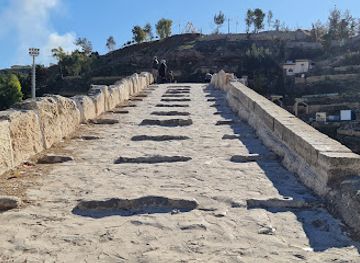
Dalal Bridge
Discover the ancient beauty and rich history of Dalal Bridge in Zakho, a timeless landmark in the heart of Iraqi Kurdistan.
-
Shrine
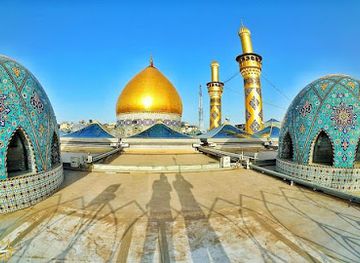
Holy Shrine Of Abu Fadhl Al-Abbas
Experience the sacred beauty and profound spirituality of the Holy Shrine of Abu Fadhl Al-Abbas in Karbala, Iraq. A beacon of faith and resilience.

Explore Mesopotamia on the map
Plan your trip on one map. See where the top cities, national parks and sights are, and book hotels and experiences in a few clicks.
Best hotels in Mesopotamia
Best restaurants in Mesopotamia
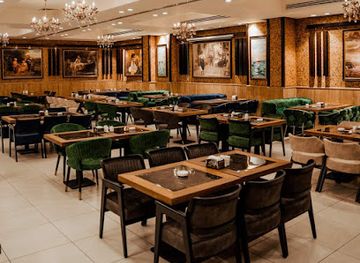
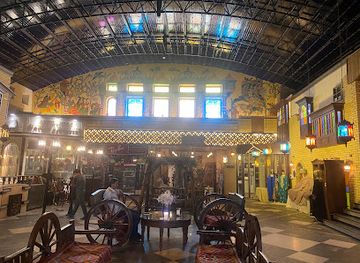
Dining in Iraqi Mesopotamia is rooted in rice, bread, pulses, grilled meats, freshwater fish, dates and vegetables cultivated along the rivers. Masgouf, traditionally carp cooked over an open fire, is closely associated with Iraqi food culture and is especially linked with riverside dining, although preparation and availability vary. Baghdad and Basra offer the broadest range of restaurants, from casual grills and kebab houses to cafés serving tea, pastries and simple regional dishes. In southern towns, visitors may encounter meals featuring dates, rice, stews and fish, while marsh communities maintain food traditions shaped by water buffalo, reeds and seasonal catches. Dolma, kubba and various forms of flatbread are found across Iraq rather than being exclusive to Mesopotamia. Tea is central to social hospitality, and sweet refreshments are common in hot weather. Farmers’ markets and small food shops are useful for fruit, bread and bottled water, but visitors should choose cooked food carefully and take particular care with drinking water in rural areas.
-
Restaurant
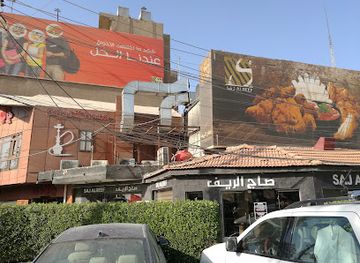
Saj Alreef Restaurant - Karada
Experience authentic Iraqi flavors at Saj Alreef Restaurant in Baghdad – where tradition meets taste in every dish.
-
Restaurant
Royal Galaxy Restaurant
Experience authentic Iraqi cuisine at Royal Galaxy Restaurant - where tradition meets modern dining in Baghdad.
-
Restaurant
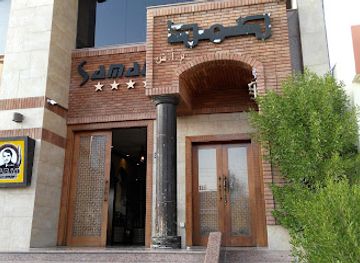
Samad Restaurant
Experience the rich flavors of Iraqi cuisine at Samad Restaurant in Erbil—where tradition meets modern dining.
-
Restaurant
Oyoon Baghdad Restaurants
Experience authentic Iraqi flavors at Oyoon Baghdad - a culinary gem in the heart of Baghdad's vibrant dining scene.
Best bars in Mesopotamia
Evening life in Iraqi Mesopotamia is generally centred on family restaurants, tea houses, cafés, hotel lounges and traditional social gatherings rather than a large nightclub scene. Baghdad has the widest selection of contemporary cafés and evening venues, while Basra’s dining culture reflects its larger commercial population and historic connection with the waterways and Gulf. In smaller towns such as Hillah and Nasiriyah, evenings are more likely to involve restaurants, riverside cafés or visits with family and friends. Alcohol availability is limited and varies by neighbourhood, venue and local custom; it should never be assumed. Live music and cultural programming may appear in urban venues, but schedules are changeable. Visitors should follow local guidance, dress discreetly and avoid late-night movement beyond well-established areas unless travelling with trusted local companions.
-
Restaurant
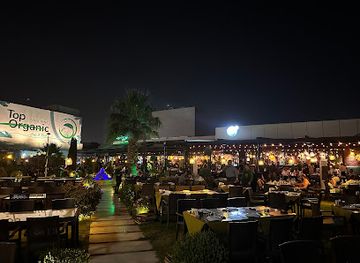
Top Organic
Experience the best of organic dining in Erbil at Top Organic, where fresh ingredients meet delightful flavors in a cozy atmosphere.
-
Cafe
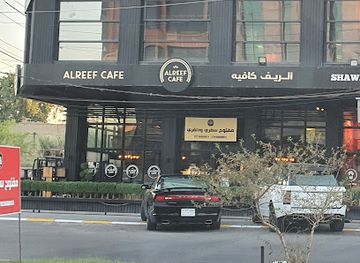
Al Reef Cafe - Baghdad
Discover the flavors of Baghdad at Al Reef Cafe, a cozy spot for traditional cuisine and local favorites in the heart of the city.
-
Cafe
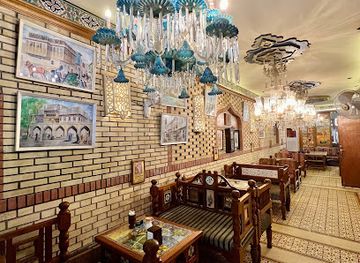
Dar Al-Atraqchi Cafe
Discover the cultural essence of Baghdad at Dar Al-Atraqchi Cafe, where traditional charm meets modern comfort in a delightful setting.
-
Hotel
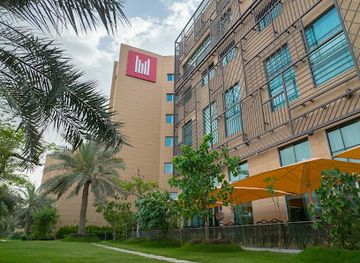
Grand Millennium Al Seef Basra
Experience unparalleled luxury and comfort at Grand Millennium Al Seef Basra, your gateway to the vibrant charm of Iraq's historic city.
Best nightclubs in Mesopotamia
Evening life in Iraqi Mesopotamia is generally centred on family restaurants, tea houses, cafés, hotel lounges and traditional social gatherings rather than a large nightclub scene. Baghdad has the widest selection of contemporary cafés and evening venues, while Basra’s dining culture reflects its larger commercial population and historic connection with the waterways and Gulf. In smaller towns such as Hillah and Nasiriyah, evenings are more likely to involve restaurants, riverside cafés or visits with family and friends. Alcohol availability is limited and varies by neighbourhood, venue and local custom; it should never be assumed. Live music and cultural programming may appear in urban venues, but schedules are changeable. Visitors should follow local guidance, dress discreetly and avoid late-night movement beyond well-established areas unless travelling with trusted local companions.
-
Disco club
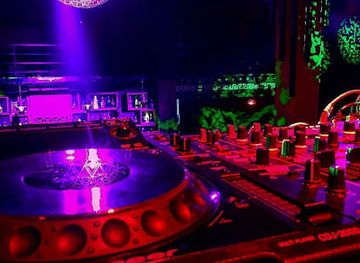
HERA Club
Experience the vibrant nightlife at HERA Club in Erbil, where music, dancing, and unforgettable memories await you in the heart of the city.
-
Night club
Love time club
Experience the thrill of nightlife at Love Time Club in Erbil, where vibrant music and dancing create unforgettable memories in a dynamic atmosphere.
-
Night club
Inferno Erbil
Experience the electrifying nightlife at Inferno Erbil, a premier night club offering unforgettable parties, music, and cocktails in the heart of Erbil.
-
Night club
LOTUS NIGHT CLUB
Dive into the vibrant nightlife of Erbil at Lotus Night Club, where unforgettable nights are made with great music and dance.



Best shops in Mesopotamia
Shopping in Iraqi Mesopotamia is primarily practical, social and food-oriented rather than centred on large international retail districts. Baghdad has the broadest selection of bookshops, clothing markets, household goods and traditional commercial streets, while Basra’s markets reflect its role as a southern trading and port city. Hillah and Nasiriyah are useful places to buy dates, sweets, spices, tea and locally produced food for a journey. In and around the marshes, visitors may find reed mats, baskets and other handwork made through long-established local skills, but purchases should be made respectfully and directly where possible. Iraq’s distinctive dates, if legally permitted for a traveller’s onward journey, make practical gifts, as do packaged spice blends and sweets. Jewellery, carpets and antiques require particular caution: never buy archaeological objects, and check customs regulations before exporting any item that could be considered old, culturally significant or made from protected materials.
-
Shopping mall
Mansour Mall
Explore Mansour Mall in Baghdad: Your Ultimate Shopping and Dining Destination with Local and International Brands.
-
Castle
Erbil Citadel
Discover the rich history and stunning architecture of Erbil Citadel, a UNESCO World Heritage site in the heart of Iraq.
-
Store
Babylon Mall
Discover Babylon Mall: A Premier Shopping and Entertainment Destination in Baghdad Featuring Retail, Dining, and Fun for the Whole Family.
-
Shopping mall
Family Mall Duhok
Discover a vibrant shopping experience at Family Mall Duhok, where over 114 stores and diverse dining options await you in the heart of Duhok.

Get your free copy of our complete guide to Mesopotamia, delivered straight to you.
Everything on this page, from attractions and restaurants to essentials and local phrases, in one PDF you can read offline, print or share.
Already have an account? Sign in
Your Mesopotamia guide is ready.
We'll send it to · Not you? Sign out

Getting your guide ready…
We are putting together a fresh copy of the Mesopotamia guide. This can take up to a minute.
This can take a few moments. If your browser asks, choose Allow so the download can start. You'll find the guide in your Downloads folder.
Nothing happened? Download it again
Sorry, the guide is taking longer than usual. Please try again in a minute, or get it by email instead.
Mesopotamia essentials
Currency and Payment
Safety
Emergency Situations
Do's and Don'ts
Local Tips
From Eve
Local phrases worth knowing
You don't need to get them perfect. A few words go a long way, and locals appreciate the effort.
Basics
| English | Local | Say it |
|---|---|---|
| Hello | أهلا | [Ahlan] |
| Goodbye | مع السلامة | [Ma'a as-salama] |
| Yes | نعم | [Na'am] |
| No | لا | [La] |
| Please/You’re welcome | تفضل | [Tafaddal] |
| Thank you | شكرا | [Shukran] |
| Excuse me/Sorry | عفوا | [Afwan] |
| How are you? | كيف حالك؟ | [Kayfa halak?] |
| Fine. And you? | بخير. وأنت؟ | [Bikhayr. Wa anta?] |
| Do you speak English? | هل تتحدث الإنجليزية؟ | [Hal tatahaddath al-ingliziya?] |
| I don't understand | لا أفهم | [La afham] |
Eating & Drinking
| English | Local | Say it |
|---|---|---|
| I’d like to see the menu, please | أود رؤية القائمة، من فضلك | [Awad ru'yat al-qa'ima, min fadlik] |
| I don’t eat meat | لا آكل اللحم | [La akul al-lahm] |
| Cheers! | في صحتك! | [Fi sihatak!] |
| I would like to pay, please | أود الدفع، من فضلك | [Awad ad-daf', min fadlik] |
Emergencies
| English | Local | Say it |
|---|---|---|
| Help! | نجدة! | [Najda!] |
| Go away! | اخرج! | [Ukhruj!] |
| Call the Police! | اتصل بالشرطة! | [Ittasil bil-shurta!] |
| Call a doctor! | اتصل بطبيب! | [Ittasil bi-tabib!] |
| I’m lost | أنا ضائع | [Ana da'i] |
| I’m ill | أنا مريض | [Ana marid] |
Shopping
| English | Local | Say it |
|---|---|---|
| I’d like to buy... | أود شراء... | [Awad shira'...] |
| I’m just looking | أنا فقط أنظر | [Ana faqat anzur] |
| How much is it? | كم ثمنه؟ | [Kam thamanuh?] |
| That’s too expensive | هذا مكلف جدا | [Hatha mukallaf jidan] |
| Can you lower the price? | هل يمكنك تخفيض السعر؟ | [Hal yumkinuka takhfid as-si'r?] |
Time & Numbers
| English | Local | Say it |
|---|---|---|
| What time is it? | كم الساعة؟ | [Kam as-saa'a?] |
| It’s one o'clock | الساعة الواحدة | [As-saa'a al-wahidah] |
| Half past (10) | نصف (10) | [Nisf (10)] |
| Morning | صباح | [Sabah] |
| Afternoon | بعد الظهر | [Ba'd al-zuhur] |
| Evening | مساء | [Masa'] |
| Yesterday | أمس | [Ams] |
| Today | اليوم | [Al-yawm] |
| Tomorrow | غدا | [Ghadan] |
| 1 | واحد | [Wahid] |
| 2 | اثنان | [Ithnan] |
| 3 | ثلاثة | [Thalatha] |
| 4 | أربعة | [Arba'a] |
| 5 | خمسة | [Khamsa] |
| 6 | ستة | [Sitta] |
| 7 | سبعة | [Sab'a] |
| 8 | ثمانية | [Thamaniya] |
| 9 | تسعة | [Tis'a] |
| 10 | عشرة | [Ashara] |
Transport & Directions
| English | Local | Say it |
|---|---|---|
| Where's a/the...? | أين...؟ | [Ayn...?] |
| What’s the address? | ما هو العنوان؟ | [Ma huwa al-'unwan?] |
| Can you show me (on the map)? | هل يمكنك أن تريني (على الخريطة)؟ | [Hal yumkinuka an turini (ala al-kharita)?] |
| When’s the next (bus)? | متى يأتي (الباص) التالي؟ | [Mata ya'ti (al-bus) at-tali?] |
| A ticket (to ....) | تذكرة (إلى ....) | [Tadhkara (ila ....)] |
History of Mesopotamia
Sumerian Cities and the Origins of Urban Civilisation
Southern Mesopotamia was home to some of the world’s earliest cities, including Ur, Uruk and Eridu. From the fourth millennium BCE, communities developed large temple complexes, systems of irrigation, specialised labour and long-distance trade. Cuneiform writing emerged in this urban environment, first for administration and later for literature, law and religious texts. The flat, fertile plain offered agricultural possibilities but required coordinated management of water, creating powerful city-states whose influence shaped the history of the entire region.
Babylonian Kingdoms and the Age of Hammurabi
Babylon rose from a regional city to the centre of a major kingdom under Hammurabi in the eighteenth century BCE. His reign is associated with the Code of Hammurabi, a surviving legal inscription that illustrates the complexity of Babylonian government and society. Babylon’s political fortunes changed repeatedly, but its cultural importance endured. Later rulers expanded its temples and ceremonial avenues, establishing the city as one of the ancient world’s most influential centres of religion, scholarship and royal display.
The Neo-Babylonian Empire
In the sixth century BCE, Babylon became the capital of the Neo-Babylonian Empire under rulers including Nebuchadnezzar II. The city was enlarged with monumental walls, gateways, temples and processional routes, although many famous details in later accounts are difficult to separate from legend and reconstruction. The empire controlled much of Mesopotamia before Babylon was taken by Cyrus of Persia in 539 BCE. The archaeological remains near Hillah preserve the scale and ambition of this imperial age.
Persian, Hellenistic and Parthian Mesopotamia
After the Persian conquest, Iraqi Mesopotamia remained central to successive empires. Alexander of Macedon entered the region in the fourth century BCE, followed by Hellenistic rulers who introduced new political and artistic influences. Later, the Parthian Empire controlled much of the plain, and Ctesiphon became an important imperial centre on the Tigris. These centuries connected Mesopotamia to trade routes reaching Iran, the Levant, Central Asia and the wider Mediterranean world.
Ctesiphon and the Sasanian Empire
Ctesiphon, situated south-east of modern Baghdad, served as the principal capital of the Sasanian Empire from the third century CE until the Arab-Muslim conquests of the seventh century. Its surviving Taq Kasra, or Arch of Ctesiphon, is one of Iraq’s most recognisable ancient monuments and the largest surviving vaulted structure from the Sasanian period. The city’s location reflects the enduring importance of the Tigris corridor for imperial administration, agriculture and commerce.
The Abbasid Capital at Baghdad
The Abbasid caliph al-Mansur founded Baghdad in 762 CE as a carefully planned imperial capital on the Tigris. Although the original Round City has largely disappeared beneath later urban growth, Baghdad became a centre of mathematics, medicine, philosophy, translation and literature during the Islamic Golden Age. The House of Wisdom is remembered as a symbol of this intellectual culture, even though later accounts differ on its exact organisation. Baghdad’s historical identity still dominates Iraq’s cultural and political life.
Modern Transformation of the Rivers and Marshes
In the modern era, Mesopotamia was reshaped by new states, oil development, irrigation schemes, war and changing river management. The southern marshes suffered extensive drainage during the twentieth century, causing ecological and social damage before partial restoration began after 2003. The marshes and the ancient cities of southern Iraq were inscribed together as an UNESCO World Heritage property in 2016. Their linked status recognises both the environmental importance of the wetlands and the long human history of settlement around them.
Mesopotamia in Photos
Browse through our photo collection highlighting the charm and character of the destination.
Neighbouring regions of Mesopotamia
The closest regions to Mesopotamia, if you have time for more than one.
-

-

-

-

-


Swipe for more regions
Explore more

Explore more of Iraq
Explore the cradle of civilization in Iraq, where ancient history, rich culture, and diverse landscapes create an unforgettable travel experience.
Explore Iraq