
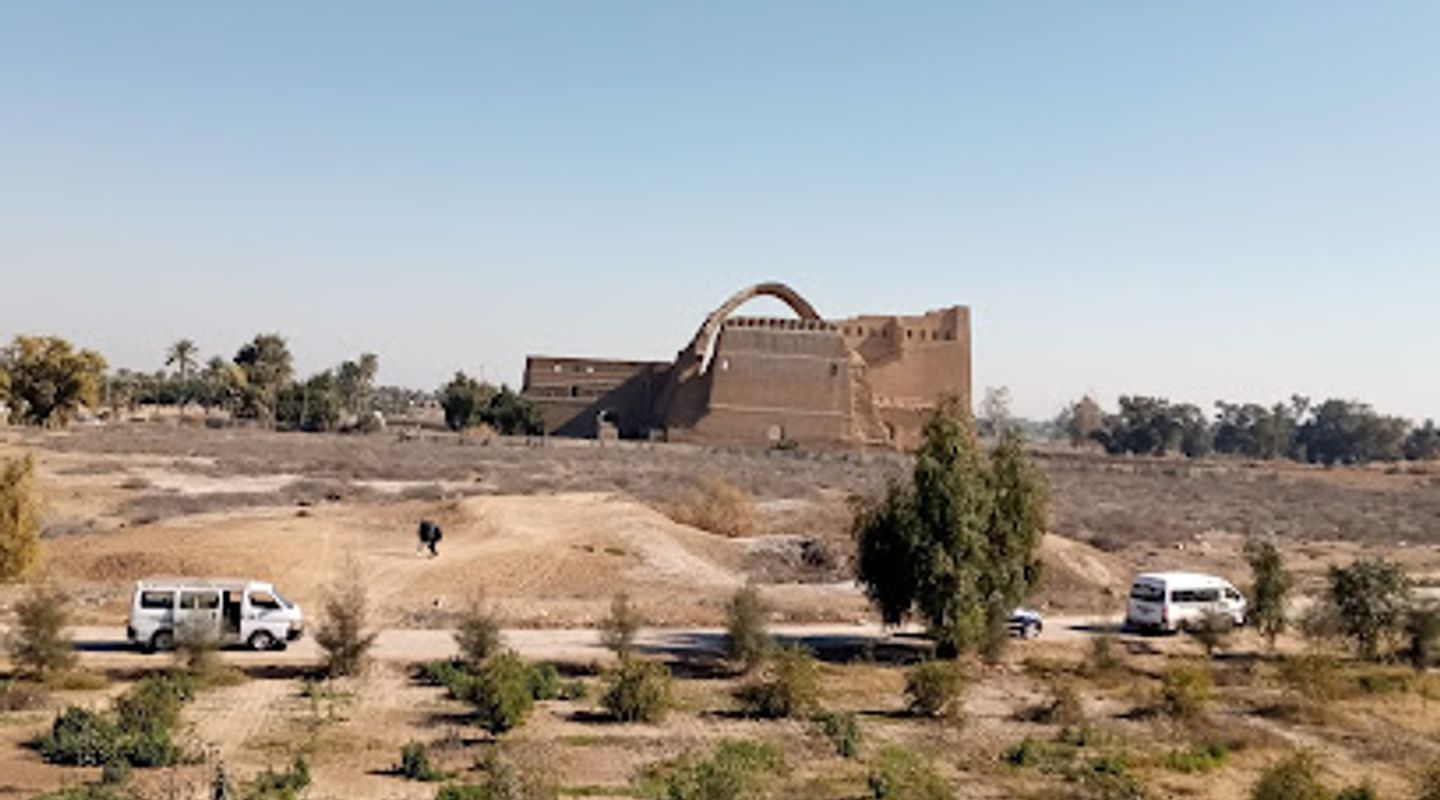
Taq Kisra, Qadisiyyah Travel Guide
Explore Taq Kisra, the majestic archway of Ctesiphon, a window into the glorious Sasanian Empire and ancient Mesopotamian history.
Taq Kisra, also known as the Arch of Ctesiphon, is the last vestige of the ancient Persian capital of Ctesiphon, near modern-day Salman Pak, Iraq. This Sasanian-era monument features the second-largest single-span brick vault in the world and stands as a testament to the architectural prowess of the Sasanian Empire.
A brief summary to Taq Kisra
- 3HVJ+G64, Madain, Babylon Governorate, IQ
- Click to display

Know before you go
Hi, I'm Eve. Here are a few practical things to know before exploring Taq Kisra.
- Visit early in the morning or late in the afternoon to avoid the heat and enjoy softer lighting for photography.
- Wear comfortable shoes, as the terrain can be uneven and requires some walking to explore the site fully.
- Bring water and snacks, as amenities may be limited nearby, ensuring you stay refreshed during your visit.
- Consider hiring a local guide who can provide detailed historical context and enrich your experience of the site.
- Respect the site and its history by avoiding climbing on the ruins and following any posted guidelines.
Do you manage this location?
Take control to get all the benefits, like improved information, better appearance, and stronger visibility across AI-powered discovery. Learn more about listing your business on Evendo
Activate your presenceOther nearby places you may find interesting
The closest places of the same kind, if this one is not quite what you had in mind.

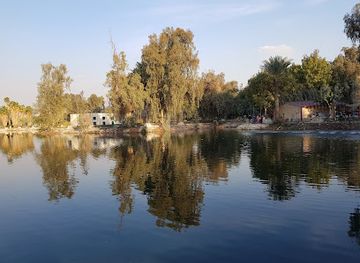
Explore Taq Kisra on the Map
A handpicked selection of must-see spots near Taq Kisra, mapped for you.
Getting There
-
Car
From Baghdad, take the Baghdad-Kut highway south. Continue past Kut to the town of Salman Pak. Follow signs for Taq Kisra, approximately 5 kilometers west of Salman Pak. The drive is about 35 km and takes around 34 minutes. Parking is available near the site. Expect to pay around $2-3 for the drive.
-
Taxi
Taxis are readily available in Baghdad. A taxi to Taq Kisra takes approximately 34 minutes. Negotiate the fare in advance. Expect to pay between $65-80 for a one-way trip from Baghdad.
Discover more about Taq Kisra













Your all‑in‑one travel companion app
Explore expert travel guides, compare and book tours, experiences, hotels, and more—all from the palm of your hand. Download now for seamless trip planning wherever your wanderlust takes you.


Explore More of Qadisiyyah
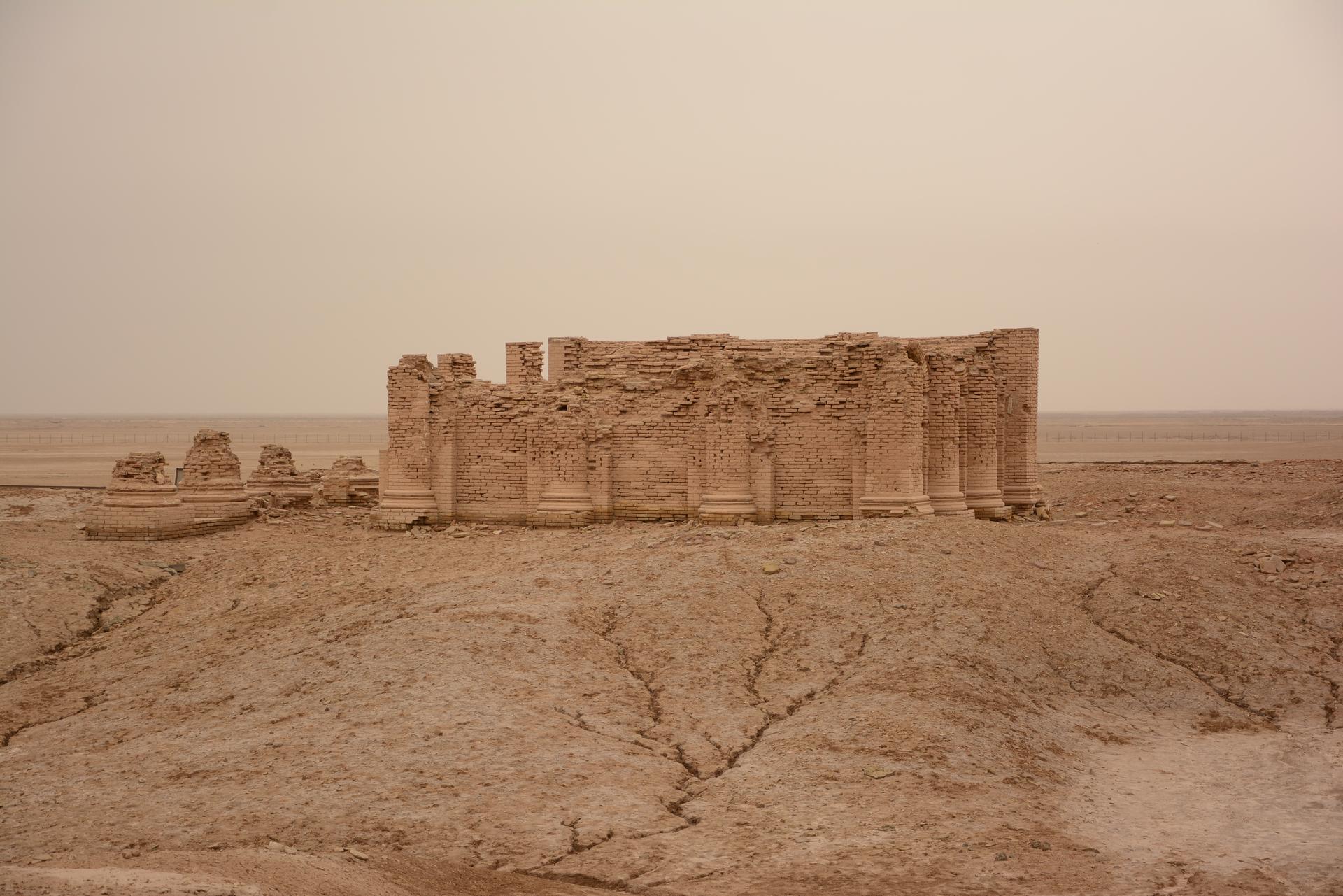
Looking beyond Taq Kisra? Discover Qadisiyyah for broader travel guides, local hot-spots, and regional highlights.
Explore Qadisiyyah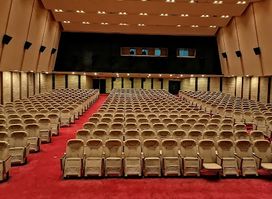
Experience the magic of cinema in Baghdad at Al-Mansour Cinema, a cultural landmark showcasing a diverse range of films for all movie lovers.
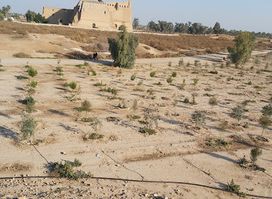
Discover tranquility and history at Al-Mada'in Park, a green escape near ancient Babylon, perfect for relaxation and cultural immersion.
